Sell a House As-Is in Covina
- Foreclosure, inherited, tenants, damage — we buy it
- Zero fees, zero commissions, zero closing costs
- No obligation — turn the offer down and owe us nothing


What “As-Is” Really Means
Sell your Covina house in its current condition, without repairs, cleanup, or lender-driven demands.
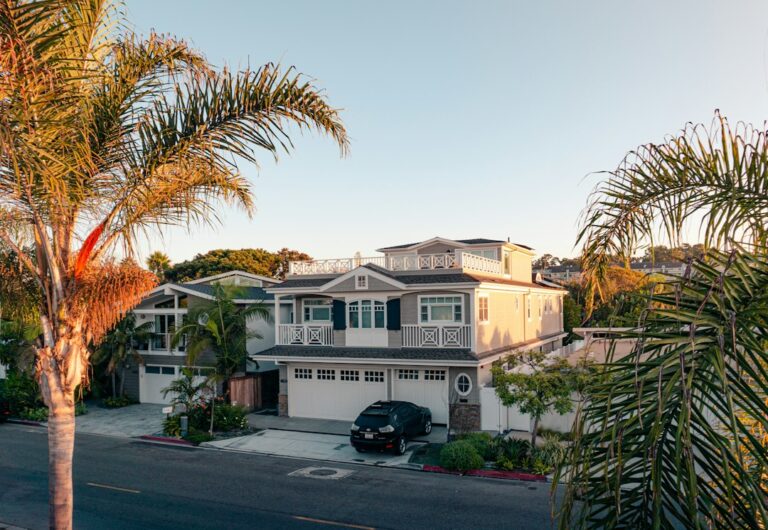
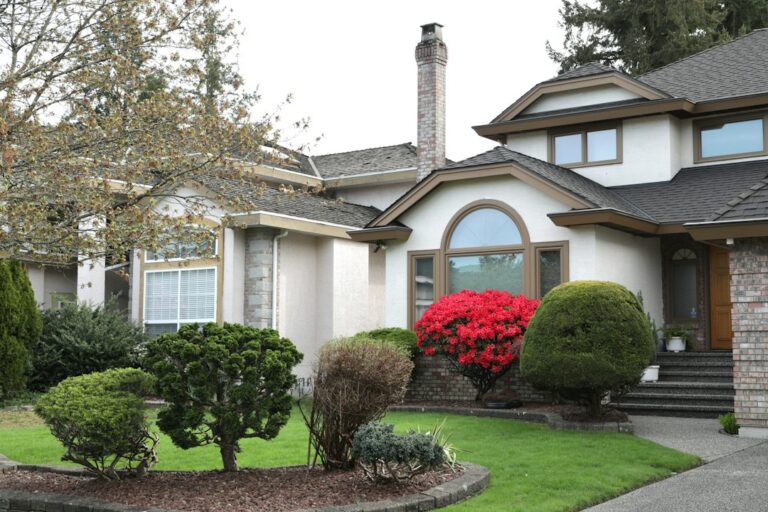
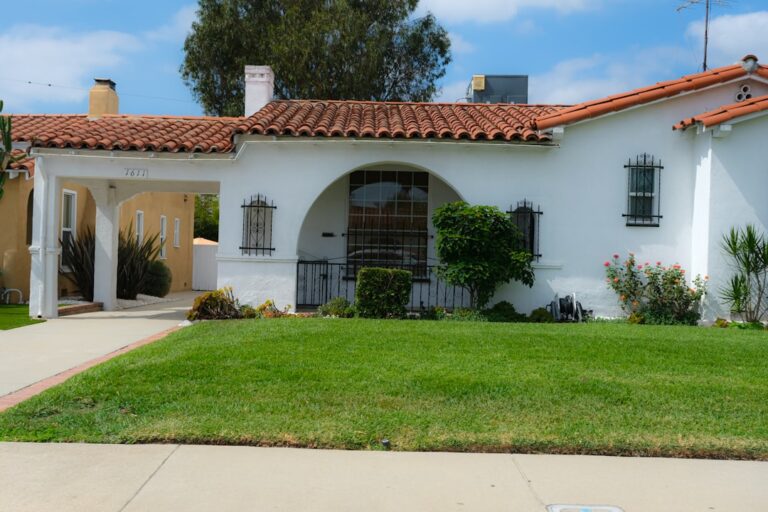
A large share of Covina’s housing stock was built decades ago, particularly the Craftsman and Spanish Revival homes in and around the Downtown Covina Historic District and the mid-century ranch homes near the Covina Bowl area. Homes that age often carry deferred maintenance that would normally need to be fixed, disclosed, and negotiated over before a traditional buyer will close. Selling as-is means skipping that process — but it’s worth understanding exactly what “as-is” changes, and what it doesn’t.
What “As-Is” Actually Means
An as-is sale means the buyer agrees to purchase the property in its current condition, with no request for the seller to make repairs or offer repair credits. What it does not eliminate is your legal disclosure obligation. California law still requires a Transfer Disclosure Statement (TDS) on most residential sales regardless of as-is language in the contract, so known material defects still need to be disclosed honestly — the difference is that a legitimate cash buyer factors those defects into the offer upfront rather than renegotiating after an inspection.
Common As-Is Issues in Covina Homes
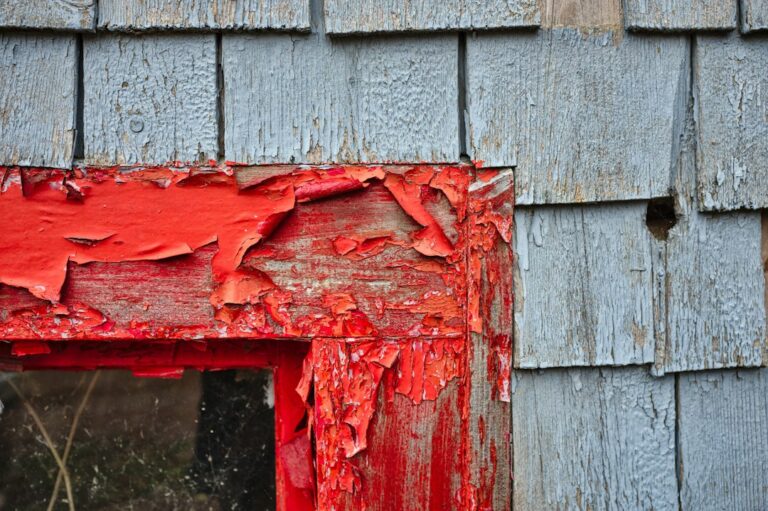
- Aging roofs and foundations. Older homes in the Downtown Covina Historic District and similarly-aged neighborhoods can have original roofing or foundation settling that would trigger lender or FHA/VA condition requirements on a financed sale.
- Outdated electrical and plumbing. Knob-and-tube wiring, undersized electrical panels, and galvanized plumbing show up often enough in San Gabriel Valley housing stock to be a routine inspection finding.
- Pools and outbuildings needing repair. Homes near the Covina Bowl area and elsewhere in the city sometimes include older pools, detached garages, or additions that no longer meet current permit requirements.
- Termite damage and deferred landscaping. Common in older Southern California housing stock generally, and often flagged in a Section 1 pest report that a traditional buyer will ask to have cleared before closing.
Why As-Is to a Cash Buyer Beats an As-Is MLS Listing
Listing a distressed property “as-is” on the open market doesn’t actually prevent a financed buyer from asking for repair credits after their own inspection — it just sets an expectation that often gets renegotiated anyway. FHA and VA loans in particular carry minimum property condition standards that can stall or kill a deal entirely on a home with real deferred maintenance. Selling directly to a cash buyer avoids that risk because the offer already reflects the property’s actual condition.
Our As-Is Process
We view the property, in person or virtually if that’s easier for you, and make an offer that accounts for its condition — we don’t ask you to make repairs, clear out belongings, or resolve open permits or code violations before closing. Homes with fire damage, mold, foundation issues, or years of deferred maintenance are all within what we buy.
Frequently Asked Questions
Does “as-is” mean you won’t inspect the property?
We typically do a walkthrough to confirm condition, but it’s to inform our offer, not to negotiate repairs after the fact.
What if the house has code violations or an open permit?
That’s fine. We buy properties with open permits, unpermitted additions, or code violations as part of the as-is purchase.
Do I still need to fill out a disclosure statement?
Yes. California’s Transfer Disclosure Statement requirement still applies to most as-is sales; you disclose known issues honestly and we factor them into the offer.
What about homes with mold, foundation, or roof damage?
Those are common reasons sellers choose an as-is cash sale in the first place, and none of them are a barrier to an offer from us.
Get a free, no-obligation cash offer from Cash Home Buyers CA today.
Selling a house in Covina: what to know
A few local details that shape timing and net proceeds when you sell in Covina.
County & probate court
Covina is in Los Angeles County. Probate and trust matters for Covina properties are heard by the Superior Court for Los Angeles County, and deeds are recorded with the Los Angeles County Recorder.
Transfer tax
Los Angeles County charges a documentary transfer tax of $1.10 per $1,000 of the sale price. There is no separate city transfer tax in Covina. When you sell to us, we pay the standard closing costs.
Tenant & rent rules
Rental homes in Covina more than 15 years old generally fall under California's Tenant Protection Act (AB 1482), which caps rent increases and requires just cause for most evictions. We buy tenant-occupied homes and take over the leases at closing.
Nearby cities we buy in
Seller Guides
Helpful guides for homeowners in Covina
Plain-English answers to the questions sellers ask us most.
 Selling as-is
As-Is Disclosure Rules for a Tropico, CA Home
Selling a house as-is near Tropico in Glendale? See California's TDS disclosure rules and why Tropico hasn't been its own separate city since 1918.
Read the guide →- Selling as-is
As-Is Home Sale Disclosure Rules in North El Monte, CA
North El Monte isn't the City of El Monte. As-is disclosure duties are the same statewide, but its permit records run through LA County, not a city hall.
Read the guide → - Selling as-is
As-Is Doesn’t Skip Disclosure in Valley Glen — And the City Adds One More Step
Valley Glen sellers must meet California's as-is disclosure laws plus one extra City of LA requirement that many nearby unincorporated areas never face.
Read the guide → - Selling as-is
As-Is Disclosure Rules for Westlake Village, CA Home Sellers
Selling as-is in Westlake Village still requires California's TDS and NHD disclosures, plus HOA rules this small LA County lake city adds on top.
Read the guide → - Selling as-is
Selling a House With Code Violations in California
You can sell a California house with code violations without fixing them first, but disclosure is required and unpaid abatement costs can be a lien.
Read the guide → - Selling as-is
California’s Natural Hazard Disclosure Statement: What Sellers Must Provide
California sellers must disclose six hazard zones on a Natural Hazard Disclosure Statement. As-is and cash sales are not exempt from this requirement.
Read the guide → - Selling as-is
Do You Still Have to Disclose Selling As-Is in CA?
Selling as-is in California doesn't waive your disclosure duty. See exactly which sales are TDS-exempt and which still require full disclosure.
Read the guide → - Selling as-is
Adverse Possession in California: Why These Claims Are So Rare
California adverse possession requires 5 years of possession plus paying the property taxes the whole time. Here's why that requirement kills most claims.
Read the guide → - Selling as-is
Selling a House As-Is in Los Angeles: What the City Still Requires
As-is sales in LA still require the city's Residential Property Report and point-of-sale compliance items. Here's what as-is does and doesn't waive.
Read the guide →