
Sell Your House As-Is in Cheviot Hills
- Foreclosure, inherited, tenants, damage — we buy it
- Zero fees, zero commissions, zero closing costs
- No obligation — turn the offer down and owe us nothing


“As-Is” Doesn’t Mean What Most Sellers Think
California still requires disclosure of known problems, even on an as-is sale. Here’s what actually changes for a Cheviot Hills house.
“As-is” is one of the most misunderstood phrases in real estate, and it matters more than usual in Cheviot Hills, where the housing stock splits almost evenly between the original 1920s tract west of Motor Avenue and the early-1950s section built on the former California Country Club grounds to the east.
Sellers often assume as-is means they no longer have to say anything about a property’s condition. That is not correct under California law. Cash Home Buyers CA buys homes throughout Cheviot Hills as-is, and this page explains what the term legally does and doesn’t cover.
“As-Is” Does Not Waive Your Disclosure Duties
California requires sellers of residential property to complete a Transfer Disclosure Statement under Civil Code 1102 and a Natural Hazard Disclosure statement, regardless of whether the sale is marketed as-is. The TDS asks about known material defects — roof leaks, foundation problems, unpermitted work, plumbing and electrical issues, and more.
Selling as-is changes what you’re offering to fix. It does not excuse you from disclosing what you already know is wrong with the house.
What “As-Is” Actually Changes
What an as-is sale genuinely removes is the repair-negotiation stage. In a standard listing, a buyer’s inspection typically opens a second round of negotiating — credits, repair requests, or a reduced price.
In an as-is sale, the buyer agrees upfront to take the property in its current physical condition, with no expectation that the seller will fix anything found during inspection. The seller’s legal disclosure obligations stay exactly the same either way.
Why Cheviot Hills Homes Struggle With Traditional As-Is Listings
The neighborhood’s age works against a straightforward as-is listing. West of Motor Avenue, original 1920s construction can carry knob-and-tube or ungrounded wiring, galvanized or cast-iron plumbing nearing the end of its life, and additions built without permits over the decades.
East of Motor Avenue, the early-1950s houses on the old country club grounds bring their own issues — flat or low-slope roofs, single-pane glazing, and in some cases radiant heating slabs that are difficult and expensive to repair when they fail.
Homes designed by architects like Raphael Soriano, Wallace Neff, Craig Ellwood and A. Quincy Jones can carry additional complexity, since period-correct materials or built-in systems are not always straightforward for a general contractor to touch. None of this necessarily stops a cash sale.
It frequently does stop a financed one: an appraiser flagging any of these issues can force repairs before a lender will fund, even when the buyer and seller agreed the sale would be as-is.
The City’s 9A Report Complicates As-Is Financed Sales Too
Before close on any Cheviot Hills sale, the seller must deliver the Department of Building and Safety’s Report of Residential Property Records, known as the 9A report, along with seismic gas shutoff valve, water-conserving fixture and detector certifications.
On an older house, this report can surface retrofit items a lender treats as a funding condition regardless of how the purchase contract is worded.
Because a cash sale involves no loan, there is no lender, no minimum-property-standard appraisal, and no financing contingency that can unravel the deal over a condition issue found in the 9A report or an inspection.
We can order the report through escrow, and the buyer can take on the retrofit items rather than making them a condition of closing.
What the HOAs Do and Don’t Review
Neither the Cheviot Hills Homeowners’ Association, which covers the original tract and the Monte Mar Vista section, nor the separate association covering California Country Club Estates on the east side, reviews or approves an as-is sale itself.
Their CC&Rs and design guidelines come into play if a new owner plans an addition or remodel, not at the point of selling the property in its current condition, so an as-is cash sale does not trigger any association review.
The disclosure and appraisal rules described above are the same rules that apply across the rest of Los Angeles, just applied here to an older, higher-value housing stock.
Why an As-Is Sale Doesn’t Mean a Lower Standard of Honesty
It’s worth being precise about what “as-is” is really protecting a seller from. It removes the obligation to make repairs a buyer demands after inspection — not the obligation to be truthful about what you already know.
If you know the roof leaks, know a room was added without a permit, or know the furnace hasn’t worked in years, that goes on the Transfer Disclosure Statement whether the listing says as-is or not.
What you don’t have to do is guess at problems you have no actual knowledge of, hire an inspector before listing to find out, or fix anything once a buyer’s own inspection turns something up.
That distinction matters most on an older Cheviot Hills house, where decades of small, undocumented repairs by different owners are common on both sides of Motor Avenue.
How We Price a House We Haven’t Seen Fixed Up
Because we’re buying in current condition, our offer starts from recent comparable sales on your side of Motor Avenue and then adjusts down for the specific work the property needs — not a generic percentage, but an actual estimate based on what we see.
A 1920s house with original wiring and plumbing gets priced differently than a similar-sized house that’s already been updated, and a 1950s house on the old country club grounds with a failing radiant heating slab gets priced differently than one that doesn’t.
That’s a different process than a retail listing, where a seller often pays to fix things up front hoping to recover the cost in a higher sale price, and sometimes doesn’t.
Natural Hazard Disclosures Specific to This Area
The Natural Hazard Disclosure statement required on every California residential sale covers items like flood zones, fire hazard severity zones, and earthquake fault zones, and it applies the same way to a Cheviot Hills sale as anywhere else in the state — as-is terms don’t exempt a seller from providing it.
Given the neighborhood’s age, the seismic gas shutoff valve certification required as part of the city’s 9A report package is often the more immediately relevant item for a Cheviot Hills seller, since older homes on both sides of Motor Avenue are more likely to be missing one than a newer build elsewhere in the city.
What Buyers Typically Ask About on a House This Age
Even in an as-is sale, buyers who are doing their own diligence — including us — commonly ask about the age of the electrical panel, whether any additions were permitted, the condition of the roof, and whether the plumbing has been updated from its original material.
Having straightforward answers to those questions, even “I don’t know” where that’s genuinely true, moves things along faster than no answer at all.
We don’t require you to research any of it before talking to us; we ask what you know and build our own assessment from there during our walkthrough.
Selling As-Is Doesn’t Mean Selling for Less Than It’s Worth
A common misconception is that an as-is sale automatically means leaving money on the table.
What it actually means is that the price reflects the property’s real condition rather than a hoped-for renovated value, and that the seller isn’t funding repairs upfront on the chance a retail buyer will pay it back later.
On a house at Cheviot Hills price points, the math on that trade-off — skipping tens of thousands of dollars in repair and holding costs against a somewhat lower sale price — often comes out closer than sellers expect, especially once agent commission and 9A retrofit costs are factored into what a traditional listing would actually net.
Sell House As Is in Cheviot Hills: When It Makes Sense
Owners who want to sell a house as is in Cheviot Hills are usually weighing a large repair budget against a price that already runs well into seven figures.
Redfin’s latest published figures for the neighborhood, covering the three months ending March 2026, show a median sale price of about $3.0 million, up 5.3 percent from a year earlier, with homes selling after an average of 51 days on the market compared with 42 days the year before.
That median is set mostly by updated houses. An original 1920s house west of Motor Avenue or an untouched 1950s house to the east competes in a different pool, where a financed buyer’s inspection and appraisal can reopen the price.
Paperwork You Still Complete
Beyond the Transfer Disclosure Statement and Natural Hazard Disclosure, most California purchase agreements also call for the Seller Property Questionnaire, which asks about things like past repairs, insurance claims and neighborhood issues you know about. In the City of Los Angeles the 9A report is required as well. We do not require repairs, an inspection contingency, staging or a cleanout.
| Factor | As-is cash sale | Renovate, then list |
|---|---|---|
| Timeline | Offer in 24 to 48 hours; close in two to three weeks | Permits and construction, then market time and escrow |
| Repairs and 9A retrofits | Priced into the offer | Paid by you up front |
| Showings | One walkthrough | Open houses and repeat showings |
| Commissions | None to you | Often around 5 to 6 percent combined |
| Certainty of closing | No lender repair conditions | Jumbo appraisal and lender conditions |
Our As-Is Process in Three Steps
1. Call or text 424-435-2326. Share what you know about the roof, systems, additions and permits.
2. One walkthrough and a written offer. We price the work the house needs and send the offer with proof of funds, usually within 24 to 48 hours.
3. Close through escrow on your date. Take what you want and leave the rest. If the house came through an estate, read our Cheviot Hills inherited house guide, or see the Cheviot Hills cash offer process for each escrow step.
Frequently Asked Questions
Can I sell a house as is in Cheviot Hills with unpermitted additions?
Yes. Disclose what you know about the work, and a cash buyer can price the permit question into the offer instead of asking you to legalize or remove the addition before closing.
Is selling as is in Cheviot Hills worth it on a high-value house?
It depends on the gap between the repair budget and the added sale price. On a house needing major systems work, commissions, carrying costs and jumbo lender conditions can close much of that gap, so compare both nets in writing.
Who pays for 9A retrofit items when I sell as is in Cheviot Hills?
That is set in the purchase agreement. In an as-is cash sale, retrofit items are usually priced into the offer and handled by the buyer, but confirm the terms in writing before you sign.
Do I still need to fill out a disclosure form if I sell as-is?
Yes. California’s TDS and NHD requirements apply regardless of as-is terms.
What if I don’t know about a problem with the house?
Disclosure covers what you actually know. You aren’t required to investigate or guess at issues you have no knowledge of.
Can unpermitted work stop a sale?
It can stop a financed sale if an appraiser flags it. It doesn’t stop a cash sale.
Will the city’s 9A report hold up my sale?
Usually not. We can order it through escrow, and the buyer can take on any retrofit items rather than making them a closing condition.
Do I need to clean the house before you see it?
No. We evaluate the property as it stands, whether it’s a 1920s house west of Motor Avenue or a 1950s house on the old country club grounds.
Get a free, no-obligation cash offer from Cash Home Buyers CA today by calling or texting 424-435-2326.
Seller Guides
Helpful guides for homeowners in Cheviot Hills
Plain-English answers to the questions sellers ask us most.
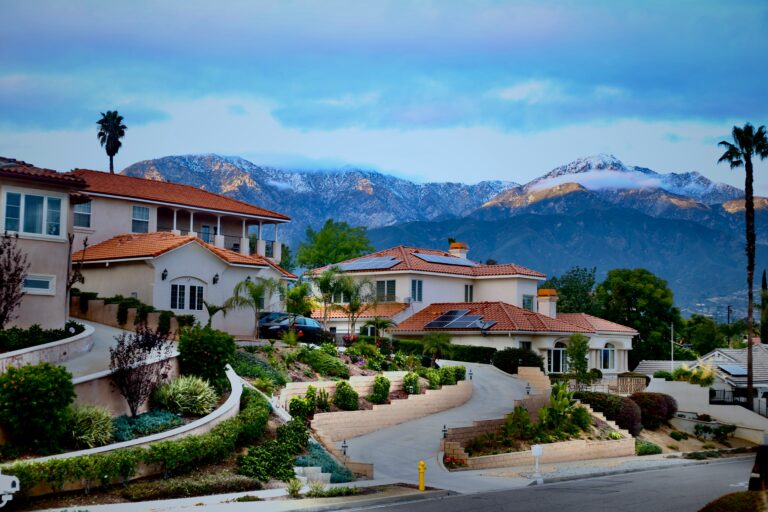 Rentals & tenants
Which Mountain View Rentals Does the CSFRA Actually Cover?
See which Mountain View rentals the CSFRA covers, its rent cap, just-cause eviction rules, relocation pay, and what landlords must do before raising rent.
Read the guide →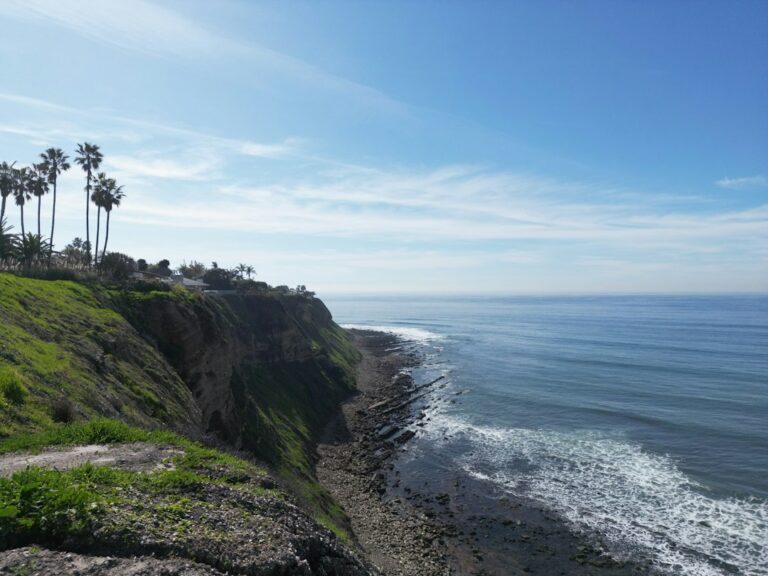 Selling as-is
What Rancho Palos Verdes’ Landslide Zones Mean for a Natural Hazard Disclosure
Rancho Palos Verdes sellers must check a landslide-zone box on the state Natural Hazard Disclosure Statement, separate from the earthquake fault question.
Read the guide →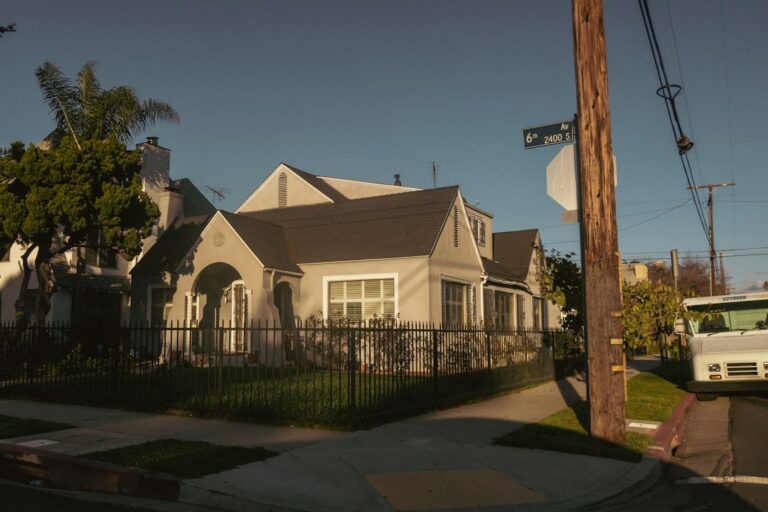 Selling as-is
Highland Park HPOZ Disclosure Rules Explained
Highland Park's historic overlay (HPOZ) governs renovations, but California's TDS and NHD disclosure rules still apply in full, even on an as-is sale.
Read the guide →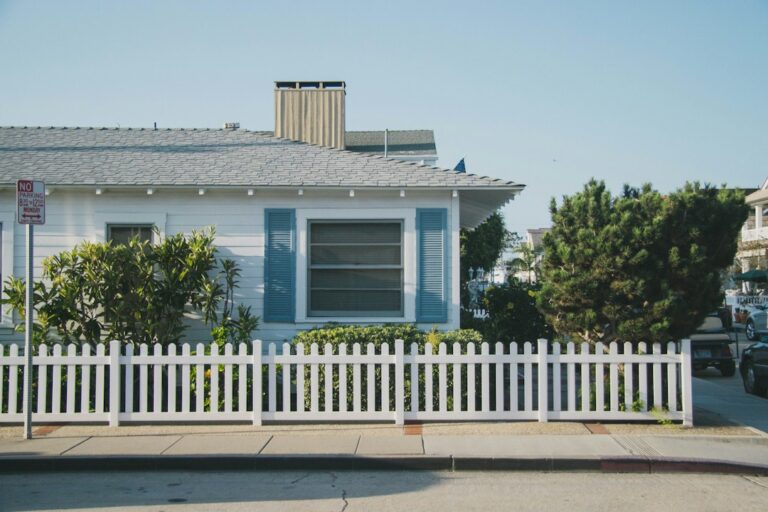 Selling as-is
As-Is Disclosure Rules for an Older Pasadena, CA Home
Selling as-is in Pasadena doesn't skip California's disclosure law. See what Civil Code requires for the city's century-old Craftsman homes.
Read the guide → Selling as-is
The Anaverde HOA Disclosure Packet an As-Is Sale Still Requires
The Anaverde HOA disclosure packet under Civil Code 4525, plus the TDS and NHD duties an as-is sale in Anaverde, CA never removes, and why it adds time.
Read the guide → Selling as-is
Beverly Hills, CA As-Is Sales: What You Still Disclose
Selling as-is in Beverly Hills, CA doesn't waive disclosure law. See what sellers must still tell buyers under California's TDS and NHD rules.
Read the guide → Selling as-is
Why “As-Is” Doesn’t Simplify Disclosure for a Winnetka, CA Seller
Civil Code 1102 still requires full disclosure on an as-is Winnetka sale -- here's what the TDS, NHD, and lead-paint rules actually require.
Read the guide → Selling as-is
What California’s As-Is Disclosure Law Still Requires in Gardena
Selling as-is in Gardena does not skip California disclosure law. See what sellers must still disclose, plus local zoning and jurisdiction quirks.
Read the guide → Selling as-is
Why Culver City’s As-Is Disclosure Rules Aren’t Los Angeles’s
As-is doesn't skip California disclosure law. Learn why Culver City permit and code records come from its own city hall, not LA, before you sell as-is.
Read the guide →