
Sell a Tenant-Occupied House in Orange, CA
- Foreclosure, inherited, tenants, damage — we buy it
- Zero fees, zero commissions, zero closing costs
- No obligation — turn the offer down and owe us nothing


You Can Sell With Tenants Still in Place
Selling a rental in Orange doesn’t require an empty house. We buy tenant-occupied properties as investments, leases and all.
Owning rental property in Orange while wanting out of the landlord business is a common situation, and it doesn’t require evicting anyone or waiting for a lease to expire first. Cash Home Buyers CA regularly buys tenant-occupied houses across Orange as straightforward investment purchases.
Selling With Tenants In Place
Because we buy properties for their investment value rather than as a personal residence, an existing lease and paying tenant is generally a feature, not an obstacle. We review the lease terms, current rent, and tenant history as part of our evaluation, and in many cases can close without requiring the tenant to move out at all.
What California’s Tenant Protection Act Means for a Sale
California’s statewide Tenant Protection Act (AB 1482) applies to most rental housing not otherwise exempt, and it generally requires “just cause” to terminate a tenancy after the tenant has occupied the unit for twelve months, along with specific notice requirements and, for a no-fault termination, relocation assistance in many cases.
Simply selling the property is not, by itself, just cause to end a tenancy, and a new owner typically takes the property subject to the existing lease.
This matters a great deal in an Orange market with plenty of long-term rental housing near Chapman University and throughout the city’s older neighborhoods.
What This Means Practically
- You can’t simply terminate a lease to make the sale easier. AB 1482’s just-cause and notice requirements still apply regardless of your reason for selling.
- A buyer who plans to occupy the unit may have a specific, narrower path to end a tenancy under an owner move-in provision, but that requires meeting the statute’s specific conditions.
- Security deposits and lease terms transfer with the sale. Any deposit held needs to be properly accounted for and transferred to the new owner at closing.
Why This Fits a Direct Cash Sale Well
A retail buyer looking for a primary residence usually wants vacant possession, which can mean waiting out a lease term or navigating a legally compliant termination before listing. As an investment buyer, we don’t require that.
We can factor the existing lease, rent roll, and tenant relationship directly into our offer and often close faster than a traditional sale would even allow, given the added time a vacancy requirement adds to a retail listing.
Difficult Tenant Situations
If you’re dealing with a tenant who’s behind on rent, causing property damage, or otherwise a source of ongoing stress, we understand that selling can feel urgent. We still buy the property as-is with the tenancy in place, which means you don’t have to resolve that relationship yourself before selling; that becomes part of what the new ownership structure addresses going forward.
How the Sale Works
We start with a conversation about the property, the lease, and the tenant relationship, then provide a written offer, typically within 24 to 48 hours, that accounts for the rental income and any deferred maintenance. Once you accept, we open escrow with a licensed Orange County title and escrow company, and closing can happen in as little as 7 to 14 days.
Frequently Asked Questions
Do I need to evict my tenant before selling?
No. We can purchase the property with the tenant and lease in place.
Does selling the house end the tenant’s lease?
No. Under California law the lease generally transfers to the new owner, and AB 1482’s just-cause protections continue to apply.
What if my tenant isn’t paying rent?
We can still evaluate and buy the property. Let us know the situation so we can factor it into the offer.
What happens to the security deposit?
It’s accounted for and transferred to us as the new owner as part of the closing process.
Get a free, no-obligation cash offer from Cash Home Buyers CA today.
Seller Guides
Helpful guides for homeowners in Orange
Plain-English answers to the questions sellers ask us most.
 Selling for cash
Stanislaus County’s Tax-Defaulted Property Auction and the Excess Proceeds Claim Deadline
Stanislaus County auctions tax-defaulted homes online each May, and former owners get only one year under Civil Code 4675 to claim excess sale proceeds.
Read the guide → Rentals & tenants
Emeryville’s Just Cause Eviction Ordinance: Relocation Pay Under Municipal Code 5-40
Emeryville's Municipal Code 5-40 requires just cause from day one and relocation pay scaled by landlord size, stricter than statewide AB 1482.
Read the guide →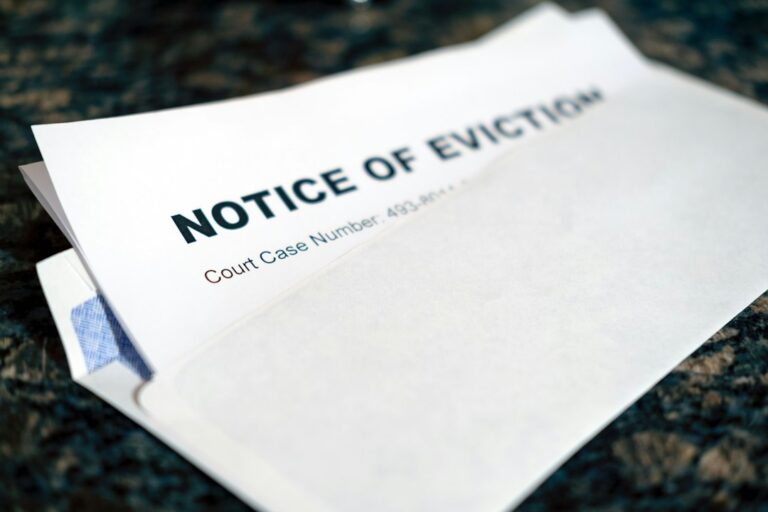 Rentals & tenants
California’s Just Cause Eviction Notice: What Civil Code 1946.2 Requires
Civil Code 1946.2 requires a stated reason to end most tenancies after 12 months, and one month's rent in relocation pay within 15 calendar days.
Read the guide → Rentals & tenants
California Condo Conversion: Tenant’s Right to Buy First
Gov. Code 66427.1 gives tenants a 90-day right to buy first and five required notices before a condo conversion in California. Here's how it works.
Read the guide →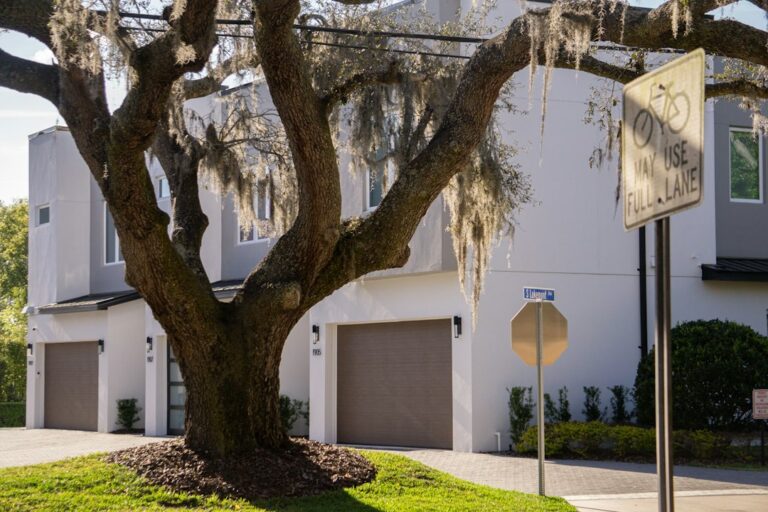 Rentals & tenants
The 90-Day Notice California Tenants Get After a Foreclosure Sale
A foreclosed rental does not mean an instant eviction. California and federal law require a 90-day notice, and sometimes a full lease, to be honored first.
Read the guide →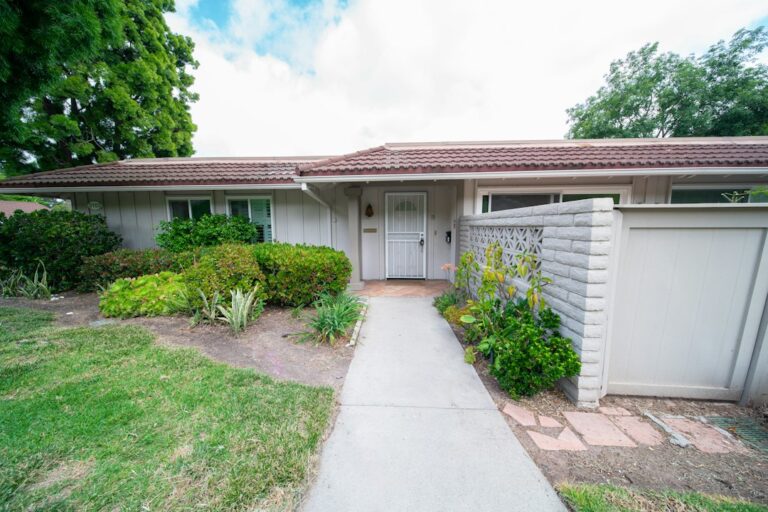 Rentals & tenants
California’s Owner Move-In Eviction Rules Explained
An owner move-in eviction in California only holds up if a qualifying relative moves in within 90 days and stays a year, per Civil Code 1946.2.
Read the guide →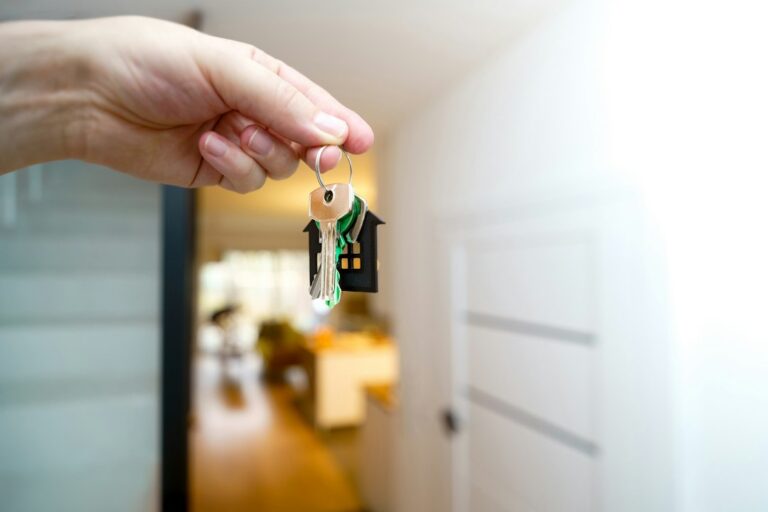 Rentals & tenants
Can a Tenant Refuse Landlord Entry in California?
California tenants can refuse improper entry, but Civil Code 1954 gives sellers a real right of access. Here's the notice rule and what counts as valid.
Read the guide → Rentals & tenants
What Happens When a Tenant Dies in a California Rental?
A tenant's death does not end the lease automatically in California. Here's what happens to rent, the deposit, and belongings before you can sell.
Read the guide → Rentals & tenants
When Does a Guest Become a Tenant in California?
No California statute sets a day count - conduct does. What makes a guest a tenant, the notice you owe, and how to sell an occupied house in California.
Read the guide →