
Sell a Tenant-Occupied House in Dana Point
- Foreclosure, inherited, tenants, damage — we buy it
- Zero fees, zero commissions, zero closing costs
- No obligation — turn the offer down and owe us nothing


Sell With Renters in Place, the Right Way
You don’t have to wait for a lease to end or force an eviction to sell. Learn what California’s tenant protection rules mean for a Dana Point rental sale.
Owning a rental property in Dana Point that you’d like to sell doesn’t require emptying it first. Cash Home Buyers CA buys tenant-occupied homes throughout Dana Point, whether the tenants plan to stay after closing or you need the sale structured around an eventual move-out.
What California’s Tenant Protection Act Requires
California’s statewide Tenant Protection Act, AB 1482, generally requires “just cause” for terminating a tenancy once a renter has lived in a covered unit for 12 months or more, and it caps annual rent increases for covered units.
Just cause falls into two categories: at-fault reasons (like nonpayment of rent or lease violations) and no-fault reasons (like the owner or a qualifying relative moving in, or a decision to remove the unit from the rental market under the Ellis Act).
A change of ownership through a sale is not, by itself, automatic grounds to terminate a tenancy — a new owner generally steps into the existing lease and the same just-cause protections that applied to the previous owner, unless a specific no-fault exemption genuinely applies.
This is Orange County, not the City of Los Angeles, so Los Angeles-specific rules like Measure ULA’s transfer tax do not apply here; AB 1482 is the relevant statewide framework for a Dana Point tenancy.
Selling With the Tenant in Place
Many buyers, us included, are comfortable purchasing a Dana Point property with a tenant already in it, particularly if the lease terms and rent roll are documented clearly. This can actually simplify a sale: there’s no gap in rental income during the transition, no scramble to make the unit market-ready for showings, and no need to navigate a termination process before you can close.
If You Need the Tenant to Move Out First
If your plan requires the unit to be vacant at closing, any notice to the tenant needs to follow AB 1482’s just-cause framework and its required notice periods, and, where applicable, relocation assistance requirements for no-fault terminations.
Skipping these steps or using an invalid reason can expose a seller to legal liability, so this is an area where getting it right matters more than moving fast.
We’re glad to walk through the specifics of your lease and situation, and can often structure a purchase around either outcome — occupied or vacant — depending on what works for you.
Documentation That Helps the Process Move Faster
- The current lease agreement and any amendments or addenda.
- A rent roll showing current rent, security deposit held, and payment history.
- Any notices already served to the tenant, if applicable.
- Contact information for the tenant, so timelines and expectations can be coordinated smoothly.
Why This Fits a Direct Sale
A traditional retail buyer, especially one planning to occupy the property themselves, often won’t consider a tenant-occupied home at all, or will require the unit vacated before closing, which adds delay and legal risk if not handled correctly. Because we buy investment and owner-occupied property alike, a tenant-occupied Dana Point home is not a dealbreaker for us the way it can be for a conventional buyer.
Frequently Asked Questions
Can you buy the property with the tenant still living there?
Yes, in most cases. We regularly purchase occupied rentals and step into the landlord role, or coordinate a transition that works for everyone.
Do I have to evict the tenant before selling?
No, not if you sell to a buyer willing to take the property occupied, which we generally are.
What notice does AB 1482 require to end a tenancy?
It depends on the reason and how long the tenant has lived there; at-fault and no-fault terminations each have specific notice requirements, and no-fault terminations may require relocation assistance.
Does selling the house automatically end the lease?
No. A new owner generally takes the property subject to the existing lease and tenant protections already in place.
Get a free, no-obligation cash offer from Cash Home Buyers CA today.
Seller Guides
Helpful guides for homeowners in Dana Point
Plain-English answers to the questions sellers ask us most.
 Selling for cash
Stanislaus County’s Tax-Defaulted Property Auction and the Excess Proceeds Claim Deadline
Stanislaus County auctions tax-defaulted homes online each May, and former owners get only one year under Civil Code 4675 to claim excess sale proceeds.
Read the guide → Rentals & tenants
Emeryville’s Just Cause Eviction Ordinance: Relocation Pay Under Municipal Code 5-40
Emeryville's Municipal Code 5-40 requires just cause from day one and relocation pay scaled by landlord size, stricter than statewide AB 1482.
Read the guide →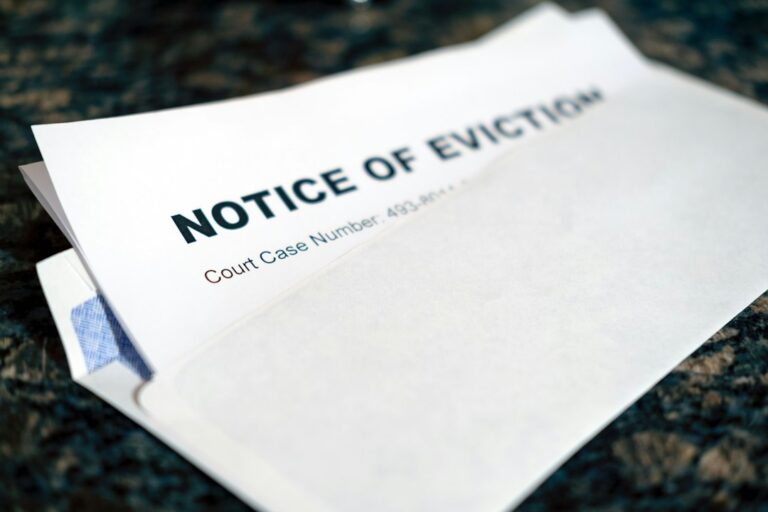 Rentals & tenants
California’s Just Cause Eviction Notice: What Civil Code 1946.2 Requires
Civil Code 1946.2 requires a stated reason to end most tenancies after 12 months, and one month's rent in relocation pay within 15 calendar days.
Read the guide → Rentals & tenants
California Condo Conversion: Tenant’s Right to Buy First
Gov. Code 66427.1 gives tenants a 90-day right to buy first and five required notices before a condo conversion in California. Here's how it works.
Read the guide → Rentals & tenants
The 90-Day Notice California Tenants Get After a Foreclosure Sale
A foreclosed rental does not mean an instant eviction. California and federal law require a 90-day notice, and sometimes a full lease, to be honored first.
Read the guide → Rentals & tenants
California’s Owner Move-In Eviction Rules Explained
An owner move-in eviction in California only holds up if a qualifying relative moves in within 90 days and stays a year, per Civil Code 1946.2.
Read the guide → Rentals & tenants
Can a Tenant Refuse Landlord Entry in California?
California tenants can refuse improper entry, but Civil Code 1954 gives sellers a real right of access. Here's the notice rule and what counts as valid.
Read the guide → Rentals & tenants
What Happens When a Tenant Dies in a California Rental?
A tenant's death does not end the lease automatically in California. Here's what happens to rent, the deposit, and belongings before you can sell.
Read the guide → Rentals & tenants
When Does a Guest Become a Tenant in California?
No California statute sets a day count - conduct does. What makes a guest a tenant, the notice you owe, and how to sell an occupied house in California.
Read the guide →