
Cash Home Buyers in Oakland: How to Choose the Right One
- Foreclosure, inherited, tenants, damage — we buy it
- Zero fees, zero commissions, zero closing costs
- No obligation — turn the offer down and owe us nothing


Not Every Cash Buyer Is the Same
Learn what a legitimate direct cash buyer actually does, the red flags to watch for, and how to verify an offer on your Oakland home is real.
If you are comparing cash home buyers Oakland sellers can choose from, you have probably noticed that every company says roughly the same thing: fast, fair, as-is, no fees. The differences that matter are underneath those promises.
Who is actually putting up the money, how the price was calculated, who holds the deposit, and what happens to the offer after an inspection are the questions that separate a smooth sale from a frustrating one.
This guide walks through how cash buyers work in Oakland, how to check one out before you sign, and how to compare a cash number against what a listing would really put in your pocket.
Cash Home Buyers CA buys houses across Oakland, from West Oakland and Fruitvale to Rockridge, the Dimond, and the Montclair hills.
We buy directly or bring a vetted cash buyer, and when you sell to us we pay the standard closing costs, including the Alameda County and City of Oakland transfer taxes, escrow and title.
If you would rather start with the big picture of how we buy in the city, our main page on we buy houses Oakland covers neighborhoods, property types, and the local market.
The Different Kinds of Cash Home Buyers Oakland Sellers Run Into
“Cash buyer” is a broad label. In Oakland you will usually hear from several very different kinds of buyers, and each one prices and behaves differently.
- iBuyers and national programs. Large companies that make algorithm-driven offers through a website. They tend to focus on newer, tidier homes that fit a pricing model, and they often pass on older houses with deferred maintenance, unpermitted units, or tenants, which describes a large share of Oakland’s housing.
- Renovation investors. Buyers who purchase a house that needs work, renovate it, and resell it. Their price is driven by what the finished house would sell for minus the cost of the work and their risk.
- Rental investors. Buyers who plan to keep the property as a rental. They look closely at rent, condition, and Oakland’s rent rules, and they are often the most comfortable buying a house with tenants in place.
- Owner-occupants paying cash. Some retail buyers in the Bay Area pay without a loan. They still usually want a house in good shape and still do full inspections.
- Local direct buyers. Smaller companies like ours that buy across property types and conditions, sometimes keeping a house and sometimes bringing a vetted cash buyer who is a better fit for that property.
None of these is automatically better than another. The right fit depends on your house, your timeline, and how much uncertainty you are willing to carry. What matters is knowing which kind of buyer you are talking to, so you can read their offer correctly.
Local Cash Home Buyers vs. National Programs
Local cash home buyers tend to have one big advantage in Oakland: they understand the city’s micro-markets and its sale requirements.
A house above Highway 13 in the hills, a brown-shingle near College Avenue, and a stucco duplex in the San Antonio district all sell to different buyers for different reasons.
A national model that averages them together will either overpay and then cut the price after inspection, or underpay to protect itself.
Local cash home buyers also know the Oakland-specific steps that slow a sale down.
The city requires a sidewalk compliance certificate before title can transfer on most sales, and Oakland is part of the East Bay regional private sewer lateral program, which requires a sewer lateral compliance certificate to close escrow.
A buyer who has handled these before builds them into the timeline from the start instead of discovering them in week three.
National programs can still make sense for a newer, well-kept condo or townhome that fits their model. For an older Oakland house, an occupied rental, or a property that needs real work, a local buyer is usually the more realistic option.
How to Vet Real Estate Cash Buyers Before You Sign
Most real estate cash buyers are legitimate, but the only way to know is to check. These are the questions worth asking every buyer, including us.
- Proof of funds. Ask for a recent bank statement, a funding letter, or another document showing the money exists. If a vetted partner will be the one funding, ask who that is before you sign.
- A neutral title and escrow company. The deposit and the purchase money should go through a neutral title and escrow company, not to the buyer or an attorney the buyer controls. You should be able to call escrow yourself and confirm the file is open.
- Earnest money. Ask how much the buyer will deposit, when it goes into escrow, and under what conditions it becomes non-refundable. A deposit that sits in escrow shows commitment.
- A written offer with clear terms. The purchase price, closing date, inspection period, and who pays which costs should all be in writing. Verbal promises do not survive escrow.
- The inspection or due diligence period. Many cash contracts include a short inspection window. Ask how long it is and what the buyer will do if they find something, so you know how firm the price really is.
- Who will close. Ask plainly whether the company signing the contract will be the one closing, or whether they may bring in another cash buyer. Either can work well; you just deserve to know up front.
Red flags are simple: any fee to receive an offer, pressure to sign the same day, reluctance to name the escrow company, or a price that changes repeatedly once you are under contract. You can also look up a company’s registration through the California Secretary of State’s business search.
How Cash Offers Are Priced: ARV, Repairs, Holding and Closing Costs
Most cash offers in Oakland start from the same building blocks, even if buyers do not always show them. Understanding them lets you judge whether a number is reasonable.
- After-repair value (ARV). What the house would likely sell for in good, updated condition, based on recent nearby sales of similar homes. In Oakland, comparable sales need to be close, because values can shift a lot within a mile.
- Repair and update costs. Roof, foundation, electrical, plumbing, sewer lateral, kitchens, baths, paint, and anything that would come up in a buyer’s inspection. Older Oakland homes often need several of these at once.
- Holding costs. Property taxes, insurance, utilities, and financing costs while the work is done and the house is resold. Insurance in parts of the hills can be a meaningful number on its own.
- Resale costs. The commissions, transfer taxes, and closing costs the buyer will pay when they sell the finished house later.
- Margin for risk. Surprises are common in older houses, so every buyer builds in a cushion.
Here is a simple illustration, not a promise of any particular price. If similar renovated houses nearby sell around $900,000 and the house needs about $150,000 of work, a buyer is also looking at several months of holding costs, the cost of reselling, and a margin for the unknowns.
That is why a cash offer sits below the after-repair value. The fair question is not whether the offer is lower than a renovated sale, but whether it beats what you would net after doing the work yourself or selling with repair credits.
When we make an offer, we walk you through the comparable sales we used and the repairs we expect, so you can see how we arrived at the number.
Cash Home Sale vs. Listing: An Oakland Net Sheet
A cash home sale and a traditional listing carry very different costs in Oakland, and the transfer taxes are a bigger piece than many sellers expect. The City of Oakland charges its own real property transfer tax on top of Alameda County’s tax.
The city’s rates are tiered: 1.0% on transfers of $300,000 or less, 1.5% from $300,001 to $2,000,000, 1.75% from $2,000,001 to $5,000,000, and 2.5% above $5,000,000. Alameda County’s documentary transfer tax is $1.10 per $1,000 of value.
On an $800,000 sale, that works out to about $12,000 in city transfer tax and $880 in county transfer tax. In a regular listed sale, local custom is for the seller to pay the county tax and split the city tax with the buyer, which means a listing seller commonly pays several thousand dollars in transfer tax alone.
Here is how the two paths usually compare:
- Agent commissions. Listing: typically a percentage of the price. Cash home sale to us: none.
- Transfer taxes. Listing: seller usually pays the county tax and part of the city tax by local custom. Selling to us: we pay the county and city transfer taxes.
- Escrow and title. Listing: split or allocated by contract. Selling to us: we pay the standard escrow and title charges.
- Sewer lateral and sidewalk certificates. Listing: the seller usually arranges and pays for testing and any repairs before closing. Selling to us: we handle them as part of buying the house as-is.
- Repairs and credits. Listing: inspection requests and repair credits are common, especially on older homes. Selling to us: none; the price already reflects condition.
- Carrying costs. Listing: mortgage, taxes, insurance, and utilities until the buyer’s escrow closes. Selling to us: a shorter, predictable timeline.
The honest takeaway: a renovated, well-located house will usually net more on the open market, and you should list it. A house that needs significant work, has tenants, or has a deadline attached is where a cash home sale often comes out closer than people expect.
What Oakland’s Housing Stock Means for Cash Buyers
Oakland is an old city by California standards. Census estimates from the 2019 to 2023 American Community Survey put the median year built for Oakland housing at 1953, with roughly 37% of units built in 1939 or earlier. That history shows up in nearly every cash offer: brick or early concrete foundations, knob-and-tube or undersized electrical service, galvanized plumbing, original sewer laterals, and additions or basement units that were never permitted.
The city is also majority renter. The same census estimates show about 58% of occupied homes in Oakland are rented, so many sellers are landlords or heirs dealing with an occupied property. House cash buyers who are comfortable with older homes and with tenants in place tend to make more realistic offers here than buyers who want a vacant, move-in-ready house.
The market itself is still active. Redfin reported a median sale price of about $802,500 for Oakland in August 2026, with a median of 22 days on market, and Zillow’s typical home value for the city was about $708,600 as of the end of August 2026.
Those numbers describe homes that sold through the open market, many of them updated. They are a reasonable starting point for estimating after-repair value, but not for pricing a house that needs a new foundation.
When It Makes Sense to Sell Homes for Cash in Oakland
Owners decide to sell homes for cash for practical reasons, and most of them come down to condition, occupancy, or time.
- The house needs more work than you want to fund. If the repair list is long, a buyer who prices it in can save you the cost and the months. Our guide on how to sell house as-is Oakland explains what you still have to disclose.
- There are tenants. Oakland’s rent and eviction rules make selling a rental more involved. Our page sell house with tenants Oakland covers the local protections.
- You inherited the property. Probate, multiple heirs, and a house full of belongings are common together. The guide sell inherited house Oakland covers the Alameda County probate steps.
- You are on a deadline. A trustee sale date, a divorce, or a job start date makes certainty worth more than squeezing out the last dollar. For speed-focused planning, see our page sell my house fast Oakland.
If none of those apply and your house is updated and in a strong neighborhood, a listing will probably serve you better, and we will tell you so.
What to Expect From Top Cash Home Buyers in Oakland California
There is no official ranking of the top cash home buyers in Oakland California homeowners can look up, so judge any company, including us, by how it behaves. A strong buyer should be able to do all of the following without hesitation.
- Give you a written offer that spells out the price, closing date, and who pays which costs.
- Show you the comparable sales and the repair assumptions behind the number.
- Open escrow with a neutral title and escrow company of your choice or theirs, and tell you exactly which one.
- Put a deposit into escrow and explain when it becomes non-refundable.
- Handle Oakland’s sewer lateral and sidewalk certificate steps without turning them into surprise price cuts.
- Give you time to compare offers and talk with family or advisors without pressure.
Reviews on Google and Facebook help, but a written offer and an open escrow file tell you more than any star rating. If you want to see every step we follow from first call to closing, our page on getting a cash offer for my house Oakland lays it out.
Questions to Ask Any Buyer Before You Accept
Before you sign with any of the cash home buyers Oakland homeowners hear from, it helps to have a short list of questions in hand. Ask what the price would be if the inspection turns up nothing new, and what specifically could change it.
Ask whether the closing date is firm and what happens if you need a few more days to move. Ask whether you can leave unwanted belongings behind. Ask who pays the transfer taxes, escrow, and title.
With us, the answers are simple: we pay the standard closing costs, including the county and city transfer taxes, escrow and title, and you can leave behind what you do not want to take.
Comparing two or three written offers side by side, with the same questions answered, is usually the fastest way to see which buyer is the right fit for your house.
How We Work as Cash Home Buyers in Oakland
Our process is deliberately simple. You tell us about the house by phone or through the form, we look at public records and recent sales, and we set up a walkthrough at a time that works for you, with tenants given proper notice if the home is occupied.
You then get a written offer, usually within 24 to 48 hours, that shows the price, the proposed closing date, and the costs we pay.
If you accept, we open escrow with a neutral title and escrow company in Alameda County, place our deposit, and order the sewer lateral and sidewalk steps right away so they do not hold up closing. You pick the closing date.
Closing can happen in as little as 7 to 14 days, or you can take a month or more to find your next place, and that is fine too.
As cash home buyers Oakland families can call with any type of property, we would rather tell you honestly that a listing is the better route than push a sale that does not fit.
Frequently Asked Questions
How do cash buyers real estate transactions differ from financed sales in Oakland?
Cash buyers real estate deals skip the lender, so there is no loan approval, no lender appraisal, and no loan contingency. That removes the most common reasons a financed Oakland sale is delayed or falls apart. The deal still goes through a neutral title and escrow company, and Oakland’s sewer lateral and sidewalk certificate requirements still apply.
Are house cash buyers in Oakland required to show proof of funds?
No law requires it, but any serious buyer should provide it when asked. A bank statement or funding letter, plus an earnest money deposit placed with escrow, is a reasonable expectation from house cash buyers before you take your home off the market.
Who pays the Oakland and Alameda County transfer taxes when I sell to you?
We do. When you sell to us, we pay the standard closing costs, including the Alameda County and City of Oakland transfer taxes, escrow and title. In a regular listed sale, local custom is for the seller to pay the county tax and share the city tax.
How much is the Oakland city transfer tax?
It is tiered by price: 1.0% up to $300,000, 1.5% from $300,001 to $2 million, 1.75% from $2,000,001 to $5 million, and 2.5% above $5 million. Alameda County adds $1.10 per $1,000.
Will my cash offer change after the walkthrough?
It should only change if the walkthrough shows something materially different from what you described or what the photos showed. Ask any buyer to put in writing what could change the price, so there are no surprises.
Can you buy a house that needs a sewer lateral replacement?
Yes. Oakland requires a sewer lateral compliance certificate to close escrow on a sale. If the lateral needs work, it can be handled before closing or, where the program allows it, through a time extension with a refundable deposit so the sale can still close.
Do you buy duplexes and small apartment buildings in Oakland?
Yes. We look at single-family homes, condos, duplexes, triplexes, and fourplexes, occupied or vacant, in any condition.
Is it a good idea to get more than one cash offer?
Usually, yes. Comparing written offers from two or three buyers, with the same terms laid out, is the quickest way to see whether a price is fair and which buyer is likely to close on time.
Ready to see a number? Call or text (424) 435-2326 or fill out the form at the top of the page for a free, no-obligation written offer from Cash Home Buyers CA.
Seller Guides
Helpful guides for homeowners in Oakland
Plain-English answers to the questions sellers ask us most.
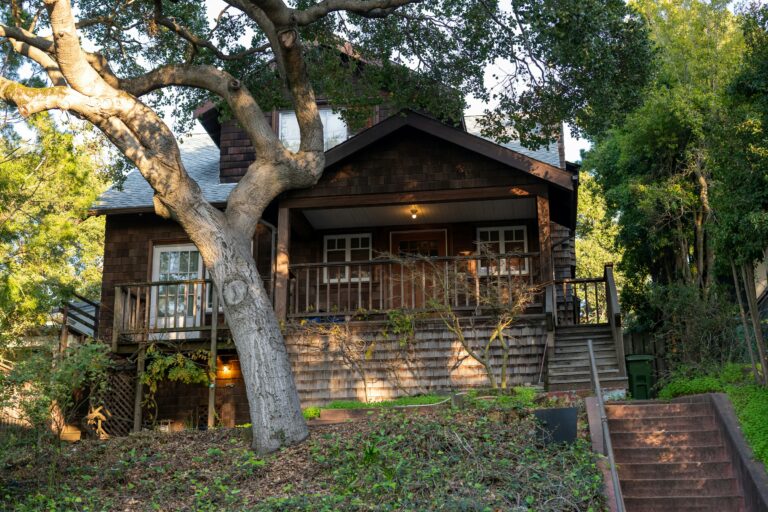 Selling for cash
Berkeley’s 1.5% to 2.5% Transfer Tax, and What Changes When Measure W Takes Effect in 2027
Berkeley charges its own 1.5% to 2.5% transfer tax on top of Alameda County's -- and the rate structure is about to…
Read the guide → Inherited homes & probate
Selling an Inherited House Without a Court Hearing: How the 15-Day Notice Works in California Probate
California executors with full IAEA authority can sell estate property on 15 days notice, no court hearing required. Here is how it works.
Read the guide → Selling for cash
Selling After 55 in California? How Prop 19 Lets You Carry Your Tax Base to the Next Home
California homeowners 55+ can transfer their property tax base to a new home anywhere in the state, up to three times. Here is how the math works.
Read the guide → Selling for cash
What San Francisco’s COPA Ordinance Requires Before You Can Sell a Rental Building
Selling a 3+ unit San Francisco rental means complying with COPA's nonprofit notice and seller declaration rules before an ordinary sale can close.
Read the guide → Foreclosure & liens
How an FTB or IRS Tax Lien Attaches to a California Home Sale
An IRS or FTB lien attaches to a California home once tax debt is due, often before it shows up in a title search. How to clear one before closing.
Read the guide → Inherited homes & probate
Understanding California’s Probate Overbid Process
A signed probate offer in California isn't final until confirmed. Here's the statutory overbid formula and how it can beat your accepted price.
Read the guide →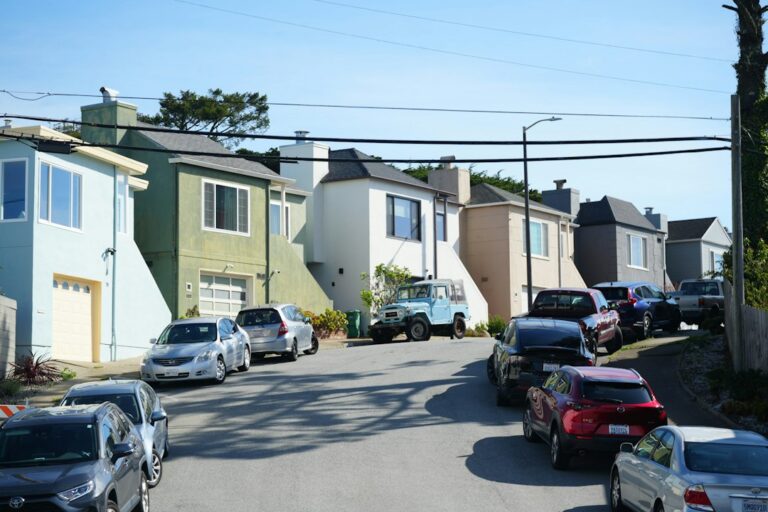 Selling for cash
The Sewer Lateral and Sidewalk Certificates Oakland Sellers Can’t Close Escrow Without
Oakland requires an EBMUD sewer lateral certificate and a sidewalk certificate before a title transfer can close, each with its own office and timeline.
Read the guide →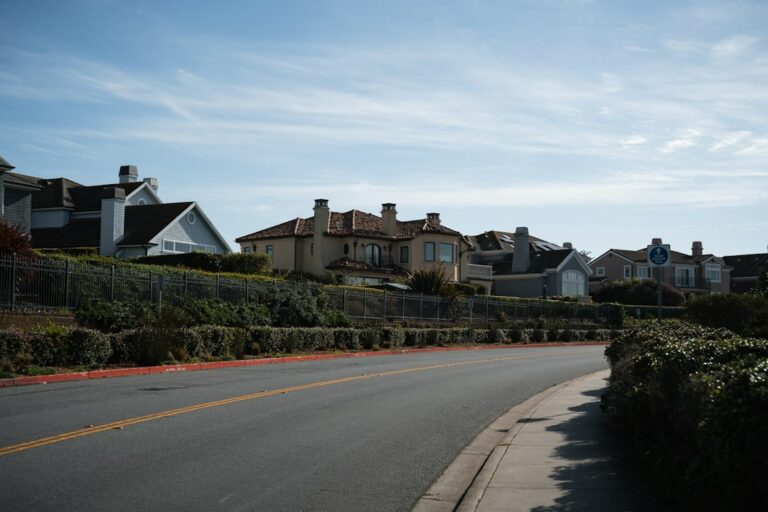 Selling for cash
Oakland’s Real Property Transfer Tax: The Tiered Rate Sellers Actually Pay
Oakland charges its own tiered Real Property Transfer Tax of 1.00% to 2.50%, separate from and on top of Alameda County's transfer…
Read the guide →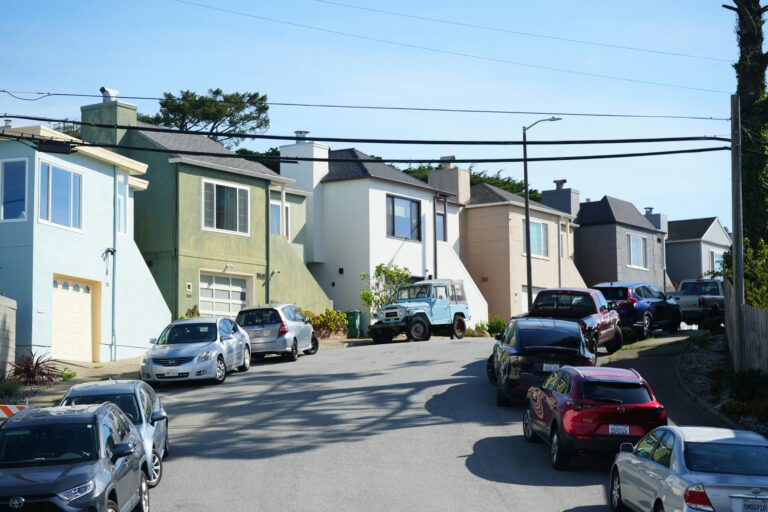 Selling for cash
Oakland’s Rent Registry: What a Seller of a Rental Property Must Have Current
Oakland's RAP registry deadline and $137 annual fee: why a lapsed registration blocks rent increases and transfers straight to a buyer at closing.
Read the guide →