
Sell a House As-Is in Oakland: No Repairs, No Cleanup, Cash Offer
- Foreclosure, inherited, tenants, damage — we buy it
- Zero fees, zero commissions, zero closing costs
- No obligation — turn the offer down and owe us nothing


Skip the Repairs Entirely
See what selling as-is actually means for Oakland’s older housing stock, and why it removes the repair and inspection headaches a retail sale creates.
If you want to sell house as-is Oakland style, with no repairs, no cleanup, and no contractor bids, you are in good company.
Oakland’s housing is old by California standards, and a lot of owners reach the point where fixing a foundation, rewiring, or replacing a sewer lateral before listing just does not make sense. Selling as-is lets you skip that work.
It does not let you skip California’s disclosure rules or Oakland’s point-of-sale requirements, and it does change the price. This page explains how it all fits together.
Cash Home Buyers CA buys Oakland houses in any condition. We buy directly or bring a vetted cash buyer, and when you sell to us we pay the standard closing costs, including the Alameda County and City of Oakland transfer taxes, escrow and title. For the bigger picture of neighborhoods and property types we buy, see we buy houses Oakland.
Selling a House As Is in Oakland: What It Really Means
Selling a house as is means the buyer accepts the property in its current condition and you are not agreeing to make repairs or give repair credits. You do not paint, patch, haul away belongings, or fix what an inspector finds. The price reflects the condition instead.
What it does not mean: it does not mean you can hide known problems. In California, an as-is sale still comes with the seller’s duty to disclose known material facts about the property.
It also does not mean the buyer cannot inspect; most contracts, even as-is ones, give the buyer a chance to look before the deposit becomes non-refundable.
And in Oakland it does not remove the city’s sewer lateral and sidewalk requirements at sale, which apply no matter how the house is sold.
Oakland’s Housing Stock and the Problems That Come With It
Census estimates from the 2019 to 2023 American Community Survey put the median year built for Oakland housing at 1953, and roughly 37% of the city’s housing units were built in 1939 or earlier. That is a lot of houses that have been standing for close to a century, often with several rounds of owners, additions, and partial updates.
Different parts of the city tend to show different issues:
- Victorian-era houses in West Oakland and near downtown. Tall wood-frame homes, many divided into multiple units over the years, with old foundations, original wiring in places, and layouts that have been changed without permits.
- Early 20th-century bungalows and brown-shingles in North Oakland, Temescal, and Rockridge. Charming houses that often still have knob-and-tube wiring in some circuits, galvanized supply pipes, and original sewer laterals.
- Stucco bungalows in the Dimond, Laurel, Glenview, and Maxwell Park areas. Hillside lots where drainage, retaining walls, and settling foundations are common concerns.
- Older homes in Fruitvale, San Antonio, and East Oakland. Bungalows and small multi-unit buildings where converted garages, back units, and deferred maintenance are frequent.
- Hillside homes in Montclair and the Oakland Hills. Slopes, decks, retaining walls, and the added weight of fire hazard severity zone designations, which affect insurance and maintenance expectations.
The repairs that most often push owners toward an as-is sale are foundation work, electrical upgrades, plumbing replacement, roofs, sewer laterals, dry rot and termite damage, and unpermitted spaces. Homes built before 1978 may also have lead-based paint, and some older materials may contain asbestos, both of which make renovation slower and more expensive.
Sell House As-Is Oakland: Repair Cost vs. As-Is Pricing
An as-is offer is built by starting from what the house would sell for after it is fixed up, then subtracting the cost of the work, the time it takes, the cost of reselling, and a margin for surprises.
That is why an as-is price is lower than a renovated price. The useful comparison is not the as-is price against a renovated sale, but against what you would net after paying for the work yourself.
When you fix up first, you pay for the repairs up front, carry the mortgage, taxes, insurance, and utilities during the work, deal with permits and inspections from the city, and then pay commissions and closing costs when you sell. Repairs in older houses also have a way of growing; opening a wall to fix one problem often uncovers another.
For reference, Redfin reported a median sale price of about $802,500 for Oakland in August 2026, with homes spending a median of 22 days on market. Those are mostly updated homes. A house with a failing foundation or outdated systems is not competing in the same pool, and financed buyers’ lenders, appraisers, and insurers all tend to slow that kind of sale down.
As Is Home Sale vs. Fixing It First: How to Decide
An as is home sale usually makes the most sense when one or more of these are true:
- The repair list includes foundation, structural, sewer lateral, or electrical work that would take months and require permits.
- You do not have the cash or the time to manage contractors.
- The house is occupied by tenants, which makes repairs harder to schedule.
- You inherited the property and the heirs want a clean, simple sale.
- There is a deadline, such as a move, a divorce, or a notice of default.
Fixing first usually makes more sense when the needed work is cosmetic, such as paint, flooring, and landscaping, and the house is otherwise in good shape in a strong neighborhood. In that case, a modest investment can bring a much higher listing price. We are glad to tell you if your house falls into that group.
What Lenders, Appraisers, and Insurers Look for in Older Oakland Homes
Much of the friction in selling an older Oakland house does not come from the buyer at all. It comes from the buyer’s lender, the appraiser the lender hires, and the insurance company the buyer needs before the loan can fund.
- Appraisers note safety and condition items such as exposed wiring, missing handrails, active leaks, or damaged roofs. On some loan types those items must be fixed before the loan can close.
- Lenders may refuse to count unpermitted bedrooms or units, which can make the appraisal come in short of the contract price.
- Pest inspections are common in Bay Area sales, and wood-destroying pest reports on older houses often call for repairs to dry rot, subarea moisture, or damaged framing.
- Insurers look closely at roofs, wiring, and wildfire exposure, especially for homes in the hills. A buyer who cannot bind insurance cannot close a financed purchase.
Each of those can turn into a renegotiation, a repair request, or a canceled escrow. A cash buyer who prices the condition up front takes those steps out of the sale, which is the main reason owners choose to sell house as-is Oakland buyers would otherwise ask them to repair.
Listing As-Is on the Open Market vs. Selling to a Cash Buyer
Can you sell a house as is through a regular listing? Yes. You can put a house on the open market with an as-is clause and a clear statement that you will not make repairs. That route can attract more buyers and sometimes a higher price, especially for houses in desirable neighborhoods with good bones.
The trade-offs are real, though. Most open-market buyers still use financing, so the lender, appraiser, and insurer requirements above still apply. Buyers still inspect and still ask for credits, even on an as-is listing.
You still pay commissions, and in a regular listed sale local custom is for the seller to pay the Alameda County transfer tax and share the City of Oakland transfer tax. And a house that needs major work can sit longer while buyers line up contractor bids.
A direct sale removes most of that uncertainty. The price is lower than a renovated listing, but there are no repairs, no showings, no credits after inspection, and when you sell to us, we pay the standard closing costs, including the county and city transfer taxes, escrow and title.
Preparing for an As-Is Sale Without Spending Money
You do not need to fix anything, but a little preparation still helps the sale go smoothly:
- Keep the utilities on until the walkthrough so we can see the electrical, plumbing, and heating in operation.
- Remove valuables, important papers, and anything with sentimental value. Everything else can stay.
- Secure a vacant house: lock doors and windows, and let a neighbor know someone will be visiting.
- If the home is rented, give tenants proper written notice before any visit.
- Write down what you know about the house, including old leaks, past repairs, and any work done without permits. That list makes the disclosure forms much easier.
Disclosures Still Required When You Sell As-Is
California’s disclosure rules apply to most sales of one-to-four unit homes whether or not the sale is as-is. The main ones are:
- Transfer Disclosure Statement (TDS). Your answers about the condition of the house and anything you know is wrong with it.
- Natural Hazard Disclosure (NHD). Whether the property is in mapped hazard zones, including earthquake fault and seismic hazard zones and fire hazard severity zones. Much of Oakland sits near the Hayward Fault, and parts of the hills are in fire hazard severity zones.
- Lead-based paint disclosure. Required for homes built before 1978.
- Smoke and carbon monoxide detector and water heater bracing statements. California requires sellers to state compliance with these requirements.
Some sellers are exempt from the TDS, such as certain trustees and court-supervised estate sales, but honest disclosure of what you know still protects you. The rule of thumb is simple: as-is covers the condition, not concealment. If you know about it, disclose it.
Hillside and Fire-Zone Homes in the Oakland Hills
The hills above Highway 13 and around Montclair, Piedmont Pines, and Skyline have their own set of as-is issues.
The 1991 Oakland Hills firestorm is still part of how this area is built, insured, and maintained, and many parcels fall into fire hazard severity zones that show up on the Natural Hazard Disclosure report.
Owners there may face vegetation management expectations, older decks and wood siding, steep driveways, retaining walls, and drainage that needs attention after wet winters.
Insurance is often the deciding factor. If a financed buyer cannot get a policy in place, the loan cannot fund, and the sale stalls.
Because a cash purchase does not depend on a lender’s insurance requirement, hillside owners whose homes need roofing, siding, or defensible-space work often find an as-is sale far simpler. You still disclose the hazard zones; you just do not have to complete the fire-hardening work first.
Permits and Unpermitted Work in Oakland
Unpermitted work is very common in older Oakland houses: a basement turned into a bedroom, a garage converted to a living space, an added bathroom, or a back unit that was never approved. You do not have to legalize this work before selling as-is, but you should disclose what you know about it.
For a financed buyer, unpermitted space can be a problem. Appraisers may not count it, lenders may not finance it, and insurers may ask questions. A cash buyer can price the risk of legalizing or removing the work into the offer instead. If there are open permits or code enforcement cases on the property, tell us early so escrow and title can account for them.
Oakland’s Sale Requirements Apply Even When You Sell As-Is
Two city and regional rules apply at sale regardless of condition:
- Sewer lateral compliance certificate. Oakland is part of the East Bay regional private sewer lateral program with EBMUD, in effect in Oakland since January 2012. A sale requires a compliance certificate to close escrow. If the lateral fails testing and cannot be fixed before closing, a Time Extension Certificate with a $4,500 refundable deposit allows 180 days to complete the work.
- Sidewalk compliance certificate. Since July 2019, Oakland has required an inspection of the sidewalk fronting the property before title transfers on most sales. Lifted or cracked sections must be repaired, or a provisional certificate allows 120 days to finish the work.
When you sell to us, we handle both as part of buying the house as-is, so neither one becomes a repair project you have to manage.
How to Sell Your House As Is in Oakland, Step by Step
If you are wondering how to sell your house as is without getting overwhelmed, here is the short version:
- Gather what you know. Past inspection reports, repair invoices, permits, and a list of known problems make the disclosures easier.
- Get a written offer. We walk through the house and give you a written offer, usually within 24 to 48 hours.
- Compare it. Weigh it against a realistic listing estimate after repairs, commissions, and carrying costs.
- Open escrow. If you accept, escrow opens with a neutral title and escrow company, and we start the sewer lateral and sidewalk steps.
- Complete disclosures. Fill out the TDS and related forms honestly; escrow coordinates the NHD report.
- Close on your date. Sign with a notary, the deed records with Alameda County, and you are paid. Leave behind whatever you do not want.
Our page on getting a cash offer for my house Oakland covers each of these steps in more detail. If you are comparing several buyers, our guide to cash home buyers Oakland explains how to vet them.
What We Buy As-Is Across Oakland
We buy houses with foundation problems, fire or water damage, mold, roof leaks, failed sewer laterals, unpermitted units, code enforcement issues, hoarding situations, and houses that simply have not been updated in decades. We buy single-family homes, condos, and small multi-unit buildings, vacant or occupied.
If the house is rented, our page sell house with tenants Oakland explains how a sale works with tenants in place. If the house came to you through a family estate, see sell inherited house Oakland.
You can leave furniture, tools, and belongings behind. We take care of the cleanout after closing.
Frequently Asked Questions
Can you sell a house as is in Oakland if it has code violations?
Yes. You can sell a house as is with open code issues or unpermitted work, as long as you disclose what you know. A cash buyer prices the cost of correcting or legalizing the work into the offer rather than asking you to fix it first.
Is selling your home as is a good idea for a house in the Oakland Hills?
It often is when the house needs significant work or has insurance challenges tied to fire hazard severity zones. Selling your home as is avoids repairs and lender requirements, though you still provide the natural hazard disclosures.
Do I still have to fill out disclosures if I sell as-is?
Yes, in most cases. The Transfer Disclosure Statement, Natural Hazard Disclosure, and lead-based paint disclosure for pre-1978 homes still apply to most as-is sales of one-to-four unit homes.
Do I need to fix the sewer lateral before selling?
Not if you sell to us. A sewer lateral compliance certificate is required to close escrow in Oakland, but we handle the testing and any repair or time extension as part of buying the house as-is.
Who pays the transfer taxes and closing costs on an as-is sale to you?
We do. When you sell to us, we pay the standard closing costs, including the Alameda County and City of Oakland transfer taxes, escrow and title.
Can I leave belongings and trash in the house?
Yes. Take what you want and leave the rest. We handle the cleanout after closing.
Will an as-is buyer still inspect the house?
Usually, yes. We walk through the house before making an offer, and the contract may include a short inspection period. The price is based on condition, so you are not asked to make repairs.
Will you buy a house with foundation problems?
Yes. Foundation, settling, and drainage problems are common in older and hillside Oakland homes. We factor the repair into the offer, and you do not need to get engineering reports or bids before selling.
Does an as-is sale mean a lowball offer?
An as-is offer is lower than a renovated sale price because the buyer takes on the repairs, time, and risk. Whether it is fair depends on how it compares with what you would net after doing the work yourself, which is why we show you the numbers behind it.
How fast can an as-is sale close?
Closing can happen in as little as 7 to 14 days when title is clear, or on a later date that works for you.
Want to know what your house is worth as it stands today? Call or text (424) 435-2326 or fill out the form at the top of the page for a free, no-obligation written offer from Cash Home Buyers CA.
Seller Guides
Helpful guides for homeowners in Oakland
Plain-English answers to the questions sellers ask us most.
 Inherited homes & probate
What Probate Actually Looks Like for an Inherited House in Fresno County
Probate for an inherited Fresno County house runs through one courthouse, but the timeline depends on how title was held. What to expect, step by step.
Read the guide →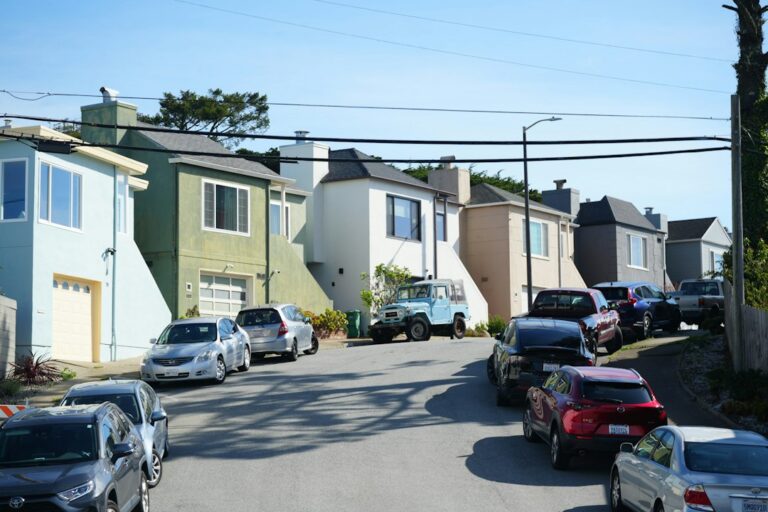 Selling for cash
The Sewer Lateral and Sidewalk Certificates Oakland Sellers Can’t Close Escrow Without
Oakland requires an EBMUD sewer lateral certificate and a sidewalk certificate before a title transfer can close, each with its own office and timeline.
Read the guide → Selling for cash
Oakland’s Real Property Transfer Tax: The Tiered Rate Sellers Actually Pay
Oakland charges its own tiered Real Property Transfer Tax of 1.00% to 2.50%, separate from and on top of Alameda County's transfer…
Read the guide → Selling for cash
Oakland’s Rent Registry: What a Seller of a Rental Property Must Have Current
Oakland's RAP registry deadline and $137 annual fee: why a lapsed registration blocks rent increases and transfers straight to a buyer at closing.
Read the guide → Selling as-is
Selling a House With Code Violations in California
You can sell a California house with code violations without fixing them first, but disclosure is required and unpaid abatement costs can be a lien.
Read the guide → Selling as-is
California’s Natural Hazard Disclosure Statement: What Sellers Must Provide
California sellers must disclose six hazard zones on a Natural Hazard Disclosure Statement. As-is and cash sales are not exempt from this requirement.
Read the guide → Selling as-is
Selling a House on the California FAIR Plan: What Changes at Escrow
Selling a California home insured through the FAIR Plan? How it affects buyers, lender insurance rules, DIC policies, pricing and your closing timeline.
Read the guide → Selling as-is
Do You Still Have to Disclose Selling As-Is in CA?
Selling as-is in California doesn't waive your disclosure duty. See exactly which sales are TDS-exempt and which still require full disclosure.
Read the guide → Selling as-is
Adverse Possession in California: Why These Claims Are So Rare
California adverse possession requires 5 years of possession plus paying the property taxes the whole time. Here's why that requirement kills most claims.
Read the guide →