
Hayward Building Permits Guide for Homeowners and Sellers
- Unpermitted work or missing permits: we buy it as-is
- Zero fees, zero commissions, zero closing costs
- No obligation: turn the offer down and owe us nothing
Permit Problem on Your Hayward House? Sell As-Is for Cash
Missing permits do not have to stop a sale. Tell us about the house and get a written cash offer.
Last updated November 13, 2026. Reviewed by the Cash Home Buyers CA team. Information comes from the City of Hayward; sources are listed at the end.
Hayward runs its permitting through an online e-Permits portal, and its Building Division says permits exist to make sure construction is safe for occupancy or use. If you are selling a house with additions, conversions or other work that may not have been permitted, it helps to know how the city handles permits and what it says about work done without one.
Hayward building permits at a glance
| Who handles it | City of Hayward Building Division, through the Permit Center |
| Building Division phone | 510-583-4005 |
| How to apply | The Hayward e-Permits portal: apply, add contractors, pay fees, download permits and schedule inspections online |
| Inspections | The city says every permit requires a building inspection |
| Fees | The city’s Master Fee Schedule effective July 1, 2026 applies to permits issued on or after that date, regardless of when the application was submitted |
What work needs a permit in Hayward?
The city’s unpermitted construction page lists common work that needs a building permit: accessory structures, patio covers and enclosures, reroofing, water heater replacement, storage racks, window replacement or installation, retaining walls, decks and additions to a single-family home.
If any of these were done on your house, it is worth checking that the permit was issued and finished. The Building Division can be reached at 510-583-4005 for permit requirements.
How permits affect selling a house in Hayward
Work done without a permit does not legally block a sale, but a buyer’s inspector may spot it and a lender may ask about it. In California sellers generally have to disclose known problems.
Legalizing work means applying through the e-Permits portal, paying fees and passing inspections, which takes time and money. A cash buyer can purchase the house with the work as it stands and price the risk into the offer.
Applying and tracking permits through Hayward e-Permits
Hayward takes permit applications through its e-Permits Portal. The same portal lets you check your inspector’s estimated time of arrival, see inspection results and schedule inspections. Fire and life safety inspections are coordinated and conducted by the Fire Marshal’s Office.
The city’s Permit Center page also carries a notice about its Master Fee Schedule: starting July 1, all permits the city issues are subject to the updated fees, and the new rates apply to any permit issued on or after that date regardless of when the application was submitted.
Check the posted Master Fee Schedule for current amounts before budgeting for work you plan to finish before listing.
| Apply and schedule inspections | Hayward e-Permits Portal |
| Fee schedule | City of Hayward Master Fee Schedule; permits issued on or after the effective date use the updated fees |
| Fire and life safety inspections | Fire Marshal’s Office |
| Housing Division | (510) 583-4454; Spanish line (510) 583-5547 |
Reporting and checking illegal construction
Hayward also has a service for reporting illegal construction, which means building without the required permits. If a neighbor or inspector reports work at your address, the city can open a case, and an open case can come up when you sell. See our Hayward code enforcement guide for how that works.
Hayward’s ADU amnesty program under AB 2533
In response to state law AB 2533 (Government Code section 66332), Hayward offers an ADU Amnesty Program for unpermitted ADUs and JADUs built or converted before January 1, 2020 on residentially zoned parcels.
The goal is to bring them up to the standards of Health and Safety Code section 17920.3 so they are safe, healthy and habitable.
If the unit is a JADU, the main residence or the JADU must be owner-occupied and the owner must file a deed restriction with the Alameda County Assessor’s Office.
- Check your zoning on the Hayward webmap.
- Have the unit inspected by a city inspector, or get a third-party code inspection from a licensed contractor.
- Correct any fire and life safety and housing code violations found at inspection.
- Get a building permit and inspections if the corrective work needs one.
- Submit documents showing the construction date, owner occupancy for a JADU and inspection records.
- Pay the amnesty permit fee, administrative fees and state fees before project review.
Documents the city accepts to prove the build date include a signed and stamped letter from a licensed professional, the County Assessor’s initial date recognizing the unit, escrow documents identifying the unit, prior building, planning or code enforcement records and real estate transfer disclosure forms for the unpermitted unit.
When a unit is recognized as legalized, the Building Division issues a Certificate of Compliance, which the city says gives assurance that code enforcement proceedings will not be triggered as long as no additional unpermitted work is performed.
Future fire and life safety or housing code violations must be addressed, or the certificate may be revoked.
What sellers should check
- Compare the number of units and bedrooms on the listing to the permit record.
- Look for final inspections on remodels, additions and re-roofs.
- Ask whether any converted garage or backyard unit predates 2020 and can be documented.
- Gather escrow documents and prior disclosures, which the city accepts as evidence of a unit’s age.
California disclosure rules
Under Civil Code section 1102.1, an as-is sale does not waive the transfer disclosure statement or your duty to disclose material facts, and under section 1102.3 a buyer who gets a late disclosure can cancel within three days of in-person delivery or five days of mailing. See our statewide guide to selling as-is. If legalizing is not practical, a direct cash buyer can purchase the home in its current condition.
How to sell a house in Hayward with permit questions
- Look at what was built. List additions, conversions, decks, roofs and any backyard unit.
- Ask the city. Call the Building Division at 510-583-4005 to ask about permit history for the address.
- Compare your options. Legalizing, selling with a credit, and selling as-is each cost differently.
- Disclose honestly. A cash offer does not change what you must disclose, but it removes repairs and inspections from the timeline.
We buy Hayward houses as they are, with no repairs, cleaning or showings. Read how selling a house as-is in Hayward works, or see our Hayward cash-offer process. Related guides: Hayward code enforcement and Hayward zoning and ADU.
Have a permit question and a closing date? Call (424) 435-2326 or request a cash offer. There is no cost and no obligation.
Hayward building permits FAQ
How do I apply for a building permit in Hayward?
Applications go through the city’s e-Permits portal, where you can also pay fees, download permits and schedule inspections.
Does every permit need an inspection in Hayward?
The city says every permit requires a building inspection.
Do new permit fees apply to applications already submitted?
The city says the Master Fee Schedule effective July 1, 2026 applies to any permit issued on or after that date, regardless of when the application was submitted.
Can I sell a Hayward house with unpermitted work?
Yes. It does not legally stop a sale, but it can slow a traditional one. A cash buyer can purchase the house as-is.
Where do I schedule a Hayward inspection?
Use the Hayward e-Permits Portal, which also shows your inspector’s estimated time of arrival and inspection results. Fire and life safety inspections are handled by the Fire Marshal’s Office.
Which unpermitted units qualify for Hayward’s ADU amnesty program?
Unpermitted ADUs and JADUs on residentially zoned parcels that were built or converted before January 1, 2020. A JADU also needs owner occupancy and a deed restriction.
What proof of age does Hayward accept for an unpermitted unit?
The city lists a licensed professional’s stamped letter, the County Assessor’s first date recognizing the unit, escrow documents, prior city records and real estate transfer disclosure forms.
Sources
This guide is general information, not legal advice. Rules and fees change; confirm requirements with the City of Hayward.
From the Blog
Latest guides for California home sellers
-

California’s Judicial Foreclosure Redemption Right: The One-Year Window Most Owners Never Hear About
California's rarer judicial foreclosure process comes with a statutory right to redeem the property for up to a year after the sale…
Read the guide → -
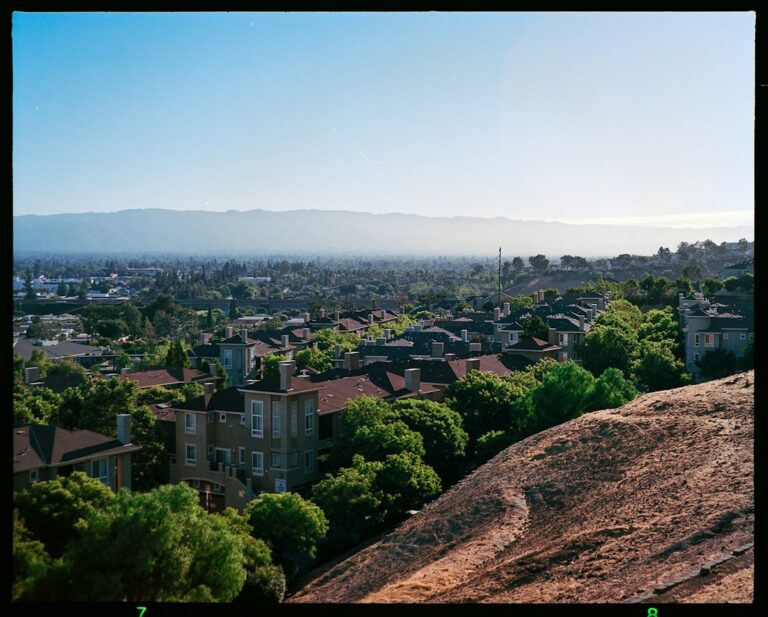
Santa Clara County’s Tax-Defaulted Property Auction: How to Claim the Excess Proceeds
When a Santa Clara County home isn't redeemed within the state's deadline, the county can sell it at public auction — and…
Read the guide → -
Pomona’s Rent Stabilization Ordinance Just Became Permanent: What Landlords Must Do Before Selling
Pomona's Ordinance No. 4359 became permanent on January 1, 2026, replacing the city's prior urgency ordinances and capping most rent increases at…
Read the guide → -
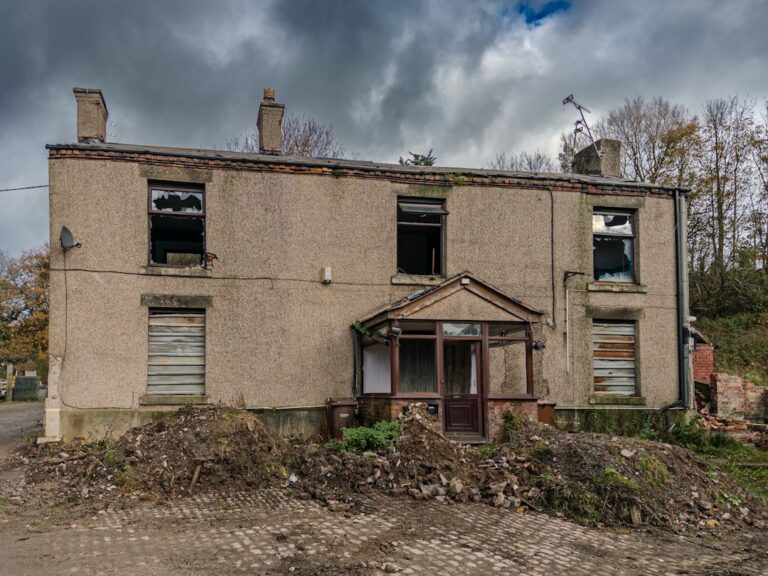
Compton’s Substandard Building Ordinance, Explained
Compton can order a dangerous or substandard house secured, repaired, or demolished under Municipal Code Chapter 14, and if the owner misses…
Read the guide → -
Chico’s RECO Inspection: What Sellers of Older Homes Must Fix Before Closing
Chico requires sellers of homes built before July 1, 1991 to pass a RECO energy and water retrofit inspection — or transfer…
Read the guide → -

Emeryville’s Just Cause Eviction Ordinance: Relocation Pay Under Municipal Code 5-40
Emeryville had its own just-cause eviction and relocation-assistance ordinance years before California’s statewide AB 1482 existed, and the local rule is still…
Read the guide → -

Malibu’s Six-Year Rebuild Deadline After the Palisades Fire: Municipal Code 17.60.020(C)
Malibu homeowners rebuilding after the January 2025 Palisades Fire have a hard deadline most residents outside the city have never heard of:…
Read the guide → -

California’s Security Deposit Cap: How AB 12 Limits What Landlords Can Collect
AB 12 caps most California security deposits at one month's rent, with a narrow exception for small landlords — plus new 2025…
Read the guide → -

California Civil Code §4525: The 11 HOA Documents You Must Hand a Buyer Before Closing
California Civil Code §4525 requires sellers inside an HOA to hand buyers 11 specific documents before closing — a list that just…
Read the guide →