
We Buy Houses in Hayward, CA
- Foreclosure, inherited, tenants, damage — we buy it
- Zero fees, zero commissions, no repairs needed
- No obligation — turn the offer down and owe us nothing


Fast, Fair, and Reliable Offers
Sell your house fast with our cash home buying service. No fees, no hassles, just a straightforward sale. Get your offer now.
Selling in Hayward? Here is the quick answer
We can buy your Hayward property as-is, with no repairs, staging or showings. After reviewing the property, we can typically provide a written cash offer within 24 to 48 hours. On a direct purchase from us, there is no agent commission charged by us, and the closing date can be structured around your timeline. Requesting an offer does not obligate you to sell.
Best fit: inherited homes, tenant-occupied rentals, vacant properties, homes needing major repairs, code issues, foreclosure timelines, or sellers who value certainty and speed. A traditional listing may still produce a higher price for a retail-ready home, so compare net proceeds, repairs, timing and transaction risk before choosing.
How to compare your options: Start with what you would realistically net after repairs, prep work, possible seller credits, agent compensation, carrying costs and the time required for a financed buyer to close.
Then compare that number with a direct cash offer that does not depend on appraisal or loan approval. The better choice depends on the condition of the property, how quickly you need to move, and how much uncertainty you are willing to accept.
Want a number first? Call or text (424) 435-2326 or use the cash-offer form above.
The Hayward Fault runs directly under Hayward’s downtown, and the city has been the East Bay’s working-class alternative to Oakland and Fremont since Oliver Rousseau and David Bohannon were laying out postwar tracts here in the late 1940s.
Those two facts describe most of the houses we look at in Hayward: 1940s to 1960s stucco tracts on the flats between Mission Boulevard and the bay, and hillside houses along the fault line in the Hayward Hills and Fairview, many with foundation movement, cracked slabs, and drainage problems that a financed buyer’s inspector will write up in detail.
We buy houses in Hayward for cash, as-is, and we are used to pricing those conditions. Hayward also has a city transfer tax and a rent stabilization ordinance that sellers in neighboring Union City or Castro Valley never deal with, so the rest of this page walks through what those cost, what the market is doing in 2026, and how a cash sale actually closes here.
Hayward home values in mid-2026
Hayward is one of the last cities on the Alameda County flats where a single-family house still sells for well under $1 million.
Zillow’s typical home value as of July 31, 2026 was about $832,000, down 4.3 percent over the prior year, while the median sale price for June 2026 was about $863,000 and homes were going pending in around 18 days at just over list price (a 1.013 sale-to-list ratio).
Earlier in the year, Redfin and Zillow data for February 2026 put the median near $870,000, with the 94545 zip on the west side (Eden Shores and the newer construction near the bay) averaging about $903,000 and the older 94541 downtown zip averaging about $824,000.
For a seller, the takeaway is that values have slipped a few percent but turnover is still quick for houses that show well. That makes listing the right call for an updated house in Fairway Park or the Hayward Hills.
It makes a cash offer worth a serious look for a house that would need a new foundation bolt, a sewer line, or a permit history cleaned up before a lender would fund it, because those houses now sit while the clean ones sell.
Hayward’s transfer tax and rent ordinance, explained
- City transfer tax. Hayward charges a city real property transfer tax of $8.50 per $1,000 of sale price (0.85 percent), on top of Alameda County’s $1.10 per $1,000. On an $860,000 sale that is roughly $7,300 to the city and about $950 to the county. In Alameda County the seller customarily pays both, though it is negotiable and our offers say plainly which side we take.
- Rent stabilization. Hayward’s Residential Rent Stabilization and Tenant Protection Ordinance, updated in July 2019, caps increases at 5 percent once in any twelve months on multi-unit buildings with certificates of occupancy issued before July 1, 1979, and it sets out just-cause eviction grounds. Single-family homes and condos with tenancies that began after January 1, 1996 are exempt from the rent cap, and owner move-in requires at least 51 percent ownership and a relocation payment of one month’s rent.
- Point of sale. Hayward has no occupancy inspection, energy audit, or sewer lateral certificate at sale. It is not in the EBMUD regional sewer lateral program. The standard state items apply: smoke and carbon monoxide alarms, water heater strapping, and natural hazard disclosures, which for most of Hayward will include the Alquist-Priolo earthquake fault zone.
- Fire hazard zones. The State Fire Marshal released new Local Responsibility Area fire hazard maps for Hayward in early 2025, and the city fire department maintains an address lookup. The affected parcels are in the hills; the flats are not mapped.
- Coastal zone: no. Hayward’s shoreline is marsh and regional park land; residential parcels are not under Coastal Commission jurisdiction.
- Mello-Roos and HOAs. The older tracts have neither. Eden Shores and the other 1990s-and-later developments on the west side carry HOA dues and in some cases special assessments.
Hayward neighborhoods: flats, hills, and the fault line
- Downtown, Prospect Hill, and the Burbank district: the oldest housing, with pre-1940 bungalows and small Victorians on narrow lots, often with knob-and-tube wiring and unreinforced foundations.
- Jackson Triangle, Tennyson, and Mt. Eden: 1950s and 1960s tract ranches in the 94544 zip, the fastest-selling part of the city, where garage conversions and rear additions without permits are common.
- Hayward Hills and Fairview: hillside houses from the 1950s through the 1980s around Cal State East Bay, with fault-related cracking, retaining walls, and steep lots that make repairs expensive.
- Fairway Park and Palomares Hills: 1960s to 1990s family houses that generally list well when updated.
- Eden Shores and the west side: newer construction near the bay with HOA dues, larger lots, and the city’s highest averages.
Foundation cracks, sewer lines, aluminum wiring, and unpermitted units are the items that come up most in Hayward. We do not need any of them repaired before we buy.
Situations that bring Hayward owners to us
- Inherited houses in the 1950s tracts. A parent’s house in Tennyson or Mt. Eden, held in the estate or a trust, with deferred maintenance and siblings who need to split the proceeds. See selling an inherited house in Hayward.
- Foundation and fault-line damage. Hillside owners whose inspection report shows differential settlement that would cost more to fix than they want to spend on a house they are leaving. Read selling a Hayward house as-is.
- Relocation out of the Bay Area. Hayward is a commuter city, and a move to Sacramento, the Central Valley, or out of state usually has a fixed date. See selling a house due to relocation in Hayward.
- Owners who want a fast, certain sale. Whether it is a lender deadline or just the wish to be done, our sell my house fast in Hayward page explains the shortest path.
Escrow and recording for a Hayward sale
Hayward is in Alameda County, so the grant deed is recorded at the Alameda County Clerk-Recorder, 1106 Madison Street in Oakland, and probate matters go through the county’s probate department at the Superior Court for Alameda County.
The Hayward cash-offer process page lays out our steps: a visit, a written offer within 24 to 48 hours, escrow with a title company, and a closing date you choose.
Since Hayward has no city compliance certificates, a clean-title house usually closes within 10 to 21 days; a house in probate or with a lien to pay off takes longer, and we work around that.
By Alameda County custom the seller pays both transfer taxes and the owner’s title policy, and escrow fees are split. None of that is fixed by law, and our written offers state which costs we are absorbing.
Listing or cash sale on an $860,000 Hayward house
On an $860,000 sale, a 5 percent total commission is about $43,000, and the city and county transfer taxes add roughly $8,300 more. A listing agent will usually recommend paint, flooring, and staging before photos. If the house is in good condition in Fairway Park or Eden Shores, the June 2026 data says it should sell at or slightly above list in under three weeks, and you should list it.
Our number will be under what a remodeled house lists for. What it removes is the commission, the prep, the inspection-credit negotiation, and the appraisal risk in a market that has slipped 4 percent in a year.
For a house with foundation or permit problems, the net figures are frequently closer than sellers expect, and we will show both side by side. Sellers who have sold to us describe it on our reviews page.
Frequently asked questions
How fast can I sell my house in Hayward for cash?
You get a written offer within 24 to 48 hours of our visit, and because Hayward has no city inspection or certificate requirement at sale, closing is typically 10 to 21 days from acceptance. If you need more time to move out, we set the closing date around your schedule.
How much is the Hayward city transfer tax?
Hayward charges $8.50 per $1,000 of the sale price, plus Alameda County's $1.10 per $1,000, for $9.60 per $1,000 total. On an $860,000 house that is about $8,300, and by local custom the seller pays it.
Will you buy a Hayward house with foundation damage from the fault?
Yes. Cracked slabs, settled foundations, and retaining wall failures are common in the Hayward Hills and Fairview, and we price them in rather than asking you to repair them. There is no lender or appraiser involved, so the condition does not block the sale.
Can I sell a Hayward duplex with tenants under the rent ordinance?
Yes. We buy occupied pre-1979 buildings covered by Hayward's rent stabilization ordinance and take over the leases as they are. You do not need to serve an owner move-in notice or pay relocation to sell to us.
Do you buy houses with unpermitted additions in Hayward?
Yes. Garage conversions and rear additions built without permits are common in the Tennyson, Jackson Triangle, and Mt. Eden tracts. We buy the house as it stands and sort out the permit history after closing.
To get a cash offer on your Hayward house, call 424-435-2326 or send us the address and we will reply with a written number within two days. The process is explained at how it works, and our Bay Area page covers Castro Valley, San Leandro, and the rest of the East Bay.
Seller Guides
Helpful guides for homeowners in Hayward
Plain-English answers to the questions sellers ask us most.
 Rentals & tenants
Which Mountain View Rentals Does the CSFRA Actually Cover?
See which Mountain View rentals the CSFRA covers, its rent cap, just-cause eviction rules, relocation pay, and what landlords must do before raising rent.
Read the guide → Selling for cash
What Is Hayward’s Rent Review Fee and Who Has to Pay It?
Hayward landlords owe an annual Rent Review fee of $66 per covered unit or $32 per non-covered unit, and increases above 5%…
Read the guide → Rentals & tenants
Antioch’s Just Cause Eviction Ordinance: What a Landlord Selling a Rental Must Clear First
Antioch's Tenant Eviction Protection Ordinance (2240-C-S) sets just cause rules, notice deadlines, and relocation pay up to 3 months' rent for landlords.
Read the guide →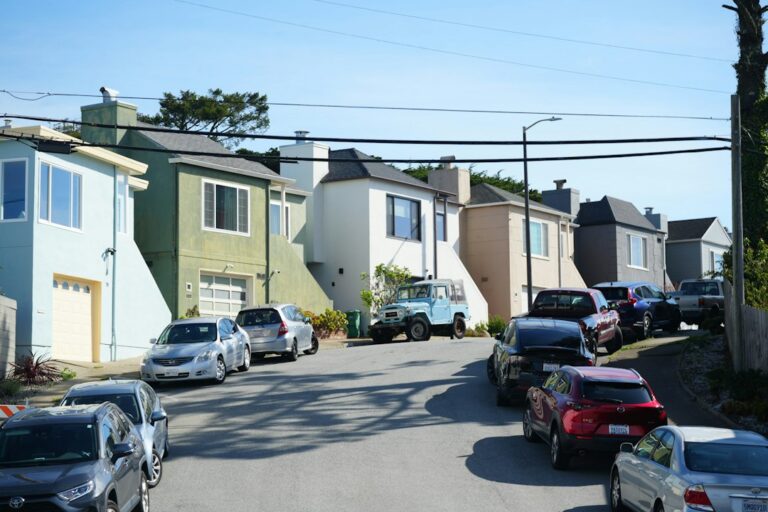 Selling for cash
The Sewer Lateral and Sidewalk Certificates Oakland Sellers Can’t Close Escrow Without
Oakland requires an EBMUD sewer lateral certificate and a sidewalk certificate before a title transfer can close, each with its own office and timeline.
Read the guide → Selling for cash
Richmond’s Real Property Transfer Tax: What Measure H Actually Costs at Closing
Richmond's Measure H transfer tax climbs in tiers by sale price, and crossing a threshold by a few dollars can add thousands at closing.
Read the guide → Selling for cash
The 3R Report San Francisco Requires Before You Can Sell a Home
San Francisco requires a 3R building-history report before a home sale, and it can reveal unit-count mismatches that upend a buyer's financing.
Read the guide → Rentals & tenants
San Jose’s Tenant Protection Ordinance: What a Landlord Selling a Rental Actually Owes
San Jose's Tenant Protection Ordinance sets exact relocation fees and notice rules a landlord must follow before selling a rental property there.
Read the guide → Inherited homes & probate
Partition Actions Between Heirs: How California Law Forces a House Sale
California heirs can force a house sale through a partition action under CCP 872-874, with court referees, confirmation hearings, and buyout rights.
Read the guide → Selling for cash
Oakland’s Real Property Transfer Tax: The Tiered Rate Sellers Actually Pay
Oakland charges its own tiered Real Property Transfer Tax of 1.00% to 2.50%, separate from and on top of Alameda County's transfer…
Read the guide →