
Clearing a Judgment Lien Before Selling in California
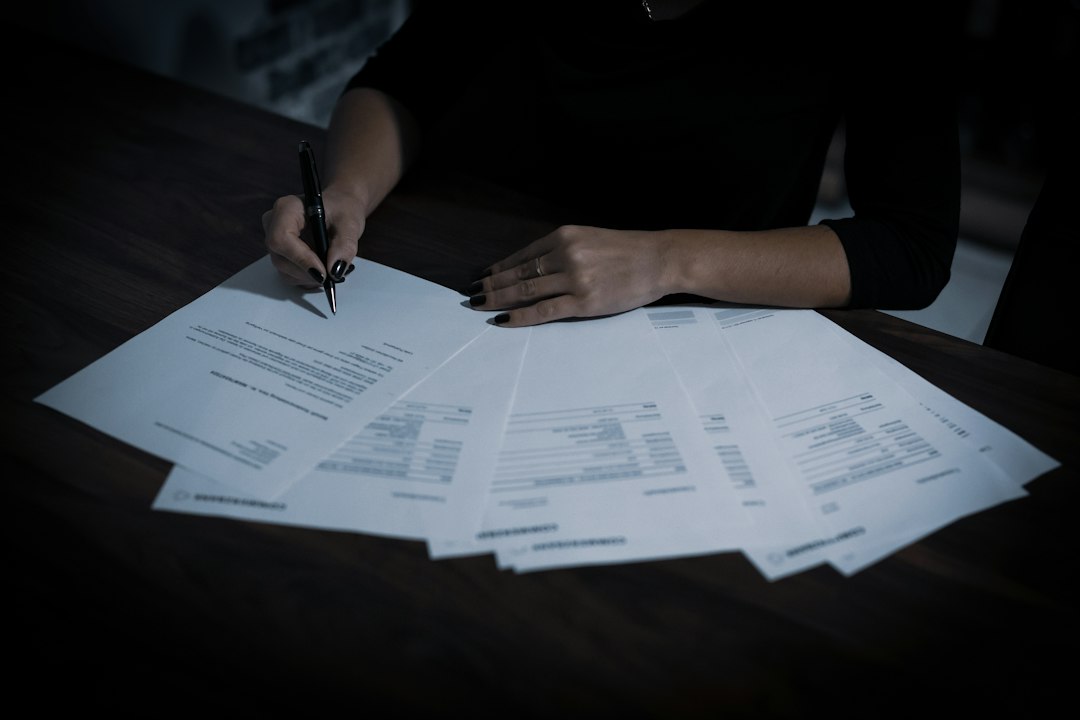
An old judgment lien can sit quietly against a California house for years, invisible until a title search for a sale turns it up and escrow refuses to close without it cleared.
Even a judgment that was fully paid off long ago does not disappear from title on its own — someone has to file the right paperwork.
Here is exactly what California law requires to clear a judgment lien, what happens if the creditor won’t cooperate, and how long a lien actually lasts if nobody deals with it.
How a Judgment Becomes a Lien on the House in the First Place
Winning a money judgment against someone in California court does not automatically attach to their real estate. The judgment creditor has to take an additional step: recording an abstract of judgment with the county recorder in whatever county the debtor owns real property.
Once that abstract is recorded, it creates a judgment lien against any real property the debtor owns in that county — including property acquired after the recording, for as long as the lien remains in effect.
This is why a debtor can be surprised to discover a lien on a house that has nothing to do with the house itself: the underlying judgment might stem from a car accident, an unpaid business debt, or a contract dispute entirely unrelated to real estate, but once the creditor records the abstract, the lien attaches to whatever real property the debtor happens to own.
Ten Years, and Not a Day Longer Without Renewal
Code of Civil Procedure section 683.020 sets a hard outer limit on money judgments generally: once 10 years have passed from the date a money judgment was entered, the judgment can no longer be enforced, and any lien created to enforce it is extinguished by operation of law.
Section 697.310 applies that same 10-year period specifically to a judgment lien on real property, continuing the lien for 10 years from the date the underlying judgment was entered, subject to the judgment being renewed before that period runs out.
A creditor who wants the lien to survive past the 10-year mark has to formally renew the underlying judgment before it expires; if they don’t, the lien simply lapses on its own, without anyone needing to go to court to remove it — we cover exactly how that attachment and renewal process works in our separate guide to how a judgment lien attaches to a California home.
For a seller dealing with an old lien, checking exactly when the underlying judgment was entered — not when the abstract was recorded, which can be a different date — is the first thing worth confirming, because a lien from a judgment entered more than 10 years ago with no renewal on file may already be unenforceable regardless of whether anyone has formally cleared the title record.
Once It’s Paid, the Creditor Has to Acknowledge That
Code of Civil Procedure section 724.030 requires a judgment creditor to file an acknowledgment of satisfaction of judgment with the court promptly once the judgment is actually satisfied — the statute says the creditor “immediately shall” do so.
In practice, many creditors do not do this on their own initiative, which is where section 724.050 comes in: once a debtor who has paid the judgment makes a written demand for the acknowledgment, the creditor has to comply within 15 days of actually receiving that demand.
If the creditor fails to comply within that window “without just cause,” section 724.050(e) makes them liable for all damages the debtor sustains as a result, and separately requires the creditor to forfeit a statutory penalty of $100 to the debtor on top of those damages.
That $100 figure has stayed fixed in the statute for years and is obviously a modest number by itself, but it exists alongside the broader damages exposure, which can be substantial if a stalled closing because of an uncleared lien costs the seller a lost buyer or a blown rate lock.
The Form That Actually Clears Title: EJ-100
The Judicial Council’s Acknowledgment of Satisfaction of Judgment, form EJ-100, is the document that actually does the clearing. It has to be filled out, signed by the creditor (or their attorney of record), and notarized before it is effective to clear a lien against real property.
Because the original judgment lien attaches through an abstract recorded separately in each county where the debtor owns property, a debtor with property in more than one county needs an original, notarized EJ-100 for each county where a lien was recorded — a single signed copy is not automatically good everywhere the debtor owns real estate.
Once completed, the form is filed with the court that entered the judgment, and a certified copy is then recorded with the county recorder in each county where the abstract itself was recorded, which is the step that actually removes the cloud from that specific county’s property records.
When the Creditor Won’t Cooperate
If 15 days pass after a proper written demand and the creditor still has not filed the acknowledgment, section 724.050(d) lets the debtor apply to the court on a noticed motion, served on the creditor either personally or by mail.
If the court determines the judgment has actually been satisfied and the creditor has not complied, the court has two options: order the creditor to comply directly, or simply order the court clerk to enter satisfaction of the judgment on the court’s own docket.
Either path gets the debtor what they need without requiring the creditor’s cooperation at all, though recording a certified copy of whatever the court orders with the county recorder is still the step that clears the specific real property records the debtor actually cares about for a pending sale.
This motion route matters most when a creditor has gone out of business, cannot be located, or is simply uncooperative out of spite — none of those situations has to stop a legitimate payoff from actually clearing title once the debtor can prove payment to the court.
Proving the Judgment Was Actually Paid
A debtor moving the court to force satisfaction needs to show the judgment has actually been satisfied, which in practice means producing whatever documentation exists of the payment — a canceled check, a wire confirmation, a settlement agreement, or a payoff letter from the creditor’s own attorney at the time the debt was resolved.
Debtors who paid a judgment years ago and only now discover it still shows as an active lien sometimes struggle to locate this kind of documentation after so much time has passed, which is exactly why keeping proof of any judgment payoff indefinitely — not just until the next tax season, but for as long as the debtor might own real property that lien could attach to — is worth doing even when a dispute feels fully resolved at the time.
Judgment Liens Found During a Home Sale
This issue surfaces constantly during escrow rather than beforehand, because most sellers do not run a title search on their own property until they are already trying to sell it.
A preliminary title report that turns up an old abstract of judgment the seller thought was resolved years ago, or never even knew existed because it stemmed from a dispute involving a co-owner or a former spouse, is one of the more common reasons an otherwise ready-to-close sale suddenly stalls.
The fix depends entirely on whether the underlying debt was actually paid: if it was, getting the EJ-100 filed and recorded — through voluntary cooperation or the court motion described above — clears title without touching the sale proceeds at all.
If the judgment was never actually paid, the lien has to be satisfied out of the sale proceeds at closing, the same way a mortgage or an HOA assessment lien would be, with escrow holding back whatever amount the payoff demand requires before disbursing the rest to the seller.
Judgment Liens Versus Liens From Bankruptcy
A judgment lien recorded before a debtor files bankruptcy does not automatically disappear just because the underlying debt is discharged in the bankruptcy case — the discharge wipes out the debtor’s personal obligation to pay, but the lien itself can survive against the property unless it is separately avoided through the bankruptcy court, a distinct and more involved process covered in our guide to removing a judgment lien in Chapter 7 bankruptcy.
A debtor who went through bankruptcy years ago and assumes every old debt and lien from that period is automatically gone should specifically check whether any judgment liens recorded before the filing were ever formally avoided, rather than simply discharged, before listing a house for sale.
What to Do Before Listing
Pulling a preliminary title report before putting a house on the market, rather than waiting for a buyer’s escrow to surface a problem, gives a seller time to deal with an old judgment lien on their own schedule instead of under a closing deadline.
If a lien turns up that was genuinely paid off long ago, starting the EJ-100 process immediately — sending the written demand under section 724.050 right away — means the 15-day clock is already running well before an accepted offer puts a specific closing date at risk.
If the lien reflects a debt that was never actually resolved, knowing the real payoff figure ahead of time, rather than discovering it mid-escrow, lets a seller price a listing realistically against what will actually need to come out of the proceeds.
How a Small Old Judgment Can Grow Into a Real Problem
Code of Civil Procedure section 685.010 sets post-judgment interest at 10 percent per annum on the unpaid principal of a money judgment, which is why a debt that looked small at the time of judgment can look very different a decade later.
A $9,000 judgment left untouched for eight years accrues roughly $7,200 in statutory interest alone at that rate, before any court costs the creditor may have added along the way, which means a payoff demand on an old lien is frequently well above the original judgment amount and can catch a seller off guard if they only remember the smaller original figure.
A narrower 5 percent rate applies instead to judgments entered, or renewal applications filed, on or after January 1, 2023, specifically for medical-debt judgments under $200,000 and personal-debt judgments under $50,000 arising from things like credit card agreements or deferred deposit transactions — but that lower rate only reaches judgments from the last few years, so most genuinely old liens showing up in a title search were entered well before that date and still accrue at the full 10 percent rate.
A seller who assumes an old lien is a minor cleanup item, without first getting a current payoff figure that includes accrued interest, risks pricing a listing or negotiating a sale around a number that is no longer accurate.
When Only One Co-Owner Is the Named Debtor
A judgment lien recorded under section 697.310 attaches to the judgment debtor’s own interest in whatever real property they own in that county — it does not reach a co-owner’s separate interest just because the two of them hold title together.
This comes up often with a house owned by siblings who inherited it jointly, or by a couple holding title as tenants in common, where only one of them was ever sued and only one of them owes the underlying debt.
In practice, a title company still treats this as something that has to be resolved before closing rather than simply ignored, because the recorded abstract names the debtor and the property without distinguishing fractional interests on its face, and escrow is not in a position to assume which share is actually encumbered without documentation.
Clearing this kind of lien for a sale can mean paying it off out of only the debtor co-owner’s share of the proceeds, obtaining a partial release from the creditor describing which interest it covers, or going through the same EJ-100 process described above if the debt was already paid — but it is a separate conversation from what happens when every owner on title is also named in the judgment, and a seller in this situation should flag it for escrow and their own attorney early rather than assume the non-debtor co-owner’s share is automatically untouched by the paperwork.
When a Cash Sale Isn’t the Right Call Here
Not every judgment-lien situation needs the speed a cash sale provides, and it is worth saying so plainly.
If the underlying debt was genuinely paid off years ago, the seller has clean documentation of that payment in hand, and there is no looming closing deadline forcing the issue, the EJ-100 process — whether the creditor cooperates voluntarily or a section 724.050(d) motion becomes necessary — typically resolves in a matter of weeks once the paperwork is actually filed, not months.
A seller in that position who also has reasonable equity and no urgent need to move usually comes out ahead listing the property conventionally once the title is clear, rather than accepting a lower cash offer to avoid a delay that was never going to be very long in the first place.
A cash sale earns its place here specifically when a creditor is unreachable, uncooperative, or defunct and a court motion is going to take real time to resolve, when the lien reflects a debt that still has to be paid out of proceeds and the seller needs certainty about what a buyer will actually accept given that payoff, or when a pending transaction with a hard closing date simply cannot wait on a title company and a creditor to sort things out between themselves.
Sellers who are not in one of those binds should at least get a real timeline estimate from a title company or an attorney before assuming a faster sale is the only workable path.
Selling With a Lien Still on Title
A buyer using conventional financing generally cannot close until every recorded lien is resolved, which can leave a seller stuck between a creditor who won’t cooperate and a lender who won’t wait.
A cash sale can work around that timing problem in a way a financed purchase often cannot, since the payoff or the court-ordered satisfaction can be worked out directly against the closing date rather than against a lender’s own underwriting clock.
If you’re trying to sell a California house with an old judgment lien still showing on title, whether it was paid off years ago or still needs to be resolved out of the proceeds, you can reach us by calling (424) 435-2326, through our Google Business Profile, or at cashhomebuyersca.com — we buy directly or bring a vetted cash buyer who already understands how to work around a title with a lien attached instead of walking away from it.
When you sell to us, we pay the standard closing costs, including the county and city transfer taxes, escrow and title.