
Get a Cash Offer for My House in Leimert Park, CA
- Foreclosure, inherited, tenants, damage — we buy it
- Zero fees, zero commissions, zero closing costs
- No obligation — turn the offer down and owe us nothing


Fast, Fair, and Reliable Offers
See exactly how a cash offer is prepared, what escrow does, which documents you will need and what happens on closing day for a Leimert Park home.
Cash Offer for My House in Leimert Park: How It Works From Start to Finish
Asking for a cash offer for my house in Leimert Park should not feel like a mystery. The process has a handful of clear stages: a first conversation, a walkthrough, a written offer, escrow, and a recorded deed.
At each stage you should know what is happening, who is doing it, and what you are expected to provide.
This page lays out how cash home buyers work in practice, including the city and county steps that apply to every sale in the neighborhood, so you can judge any offer you receive, from us or anyone else.
Leimert Park is a City of Los Angeles neighborhood in Los Angeles County, laid out in 1928 by Walter H. Leimert, with the Olmsted Brothers designing its tree-lined streets and Leimert Plaza Park at the center.
Most homes are Spanish Colonial Revival single-family houses, with rentals and small multi-unit buildings mixed in, especially near Crenshaw Boulevard. The age of the housing shapes several parts of the process, from how an offer is priced to which city reports are needed before closing.
Stage One: The First Conversation
It starts when you call or text 424-435-2326 or fill out the form on this page. The first conversation covers the basics: the address, the size and layout, known problems, who is on title, whether anyone is living there, and when you would like to close.
Mention anything unusual, such as a converted garage, a probate case, a recorded Notice of Default, or tenants. None of these prevent a sale, but they shape the timeline and the paperwork.
You do not need to prepare the house for this call, and there is no charge for it. The goal is simply to decide whether a walkthrough makes sense.
Stage Two: The Walkthrough
The walkthrough is a single visit, typically under an hour. We look at the roof, foundation, electrical panel, plumbing, water heater, windows, kitchen and baths, and any additions.
In a house from the late 1920s, that often means noting original wiring or plumbing, the condition of the tile roof, the foundation type, and whether rooms were added over the years with or without permits.
Nothing needs to be cleaned or staged, and if the house is occupied, tenants receive proper notice.
Stage Three: How the Cash Offer Is Calculated
A fair cash offer starts from what similar houses in similar condition have sold for nearby, then adjusts for the specific property.
The main adjustments are the likely cost of repairs, the time to complete them, the costs of holding and reselling the property, and anything that affects value, such as tenants in place or unpermitted space.
You should receive a written offer, usually within 24 hours of the walkthrough, and you are entitled to ask how the number was reached.
Using Market Data Wisely
Redfin’s figures for the three months ending August 2026 show a median sale price of about $1.14 million in Leimert Park, about 7.5 percent higher than a year earlier, with 28 homes sold in August 2026 and a median of around 73 days on market.
Medians blend fully renovated houses with homes in original condition, so they are a starting point rather than a price for any particular house. A restored home near the plaza and a house needing a full systems update can sell for very different amounts on the same street.
Cash Offer vs. Listing: What Changes in the Process
| Step | Cash offer process | Traditional listing process |
|---|---|---|
| Timeline | Written offer usually within 24 hours; clear-title closings often in about two to three weeks | Prep and marketing, then financed buyers usually need 30-45 days |
| Repairs | None required before closing | Frequently requested after inspection or by the lender |
| Showings | One walkthrough | Photos, open houses and private showings |
| Commissions | No fees or commissions | Agent commissions often total around 5-6% combined |
| Closing costs | Itemized in the written offer and escrow instructions | Seller’s escrow, title, transfer taxes and any buyer credits |
| Certainty | No financing contingency or appraisal | Loan approval and appraisal can delay or cancel the deal |
Stage Four: Escrow
Once you accept, a neutral escrow company opens the file. Escrow holds the buyer’s deposit, orders a preliminary title report, requests payoff figures for any loans or liens, prepares the grant deed, and coordinates signatures. Because there is no loan, there is no appraisal or underwriting to wait on.
A few items are specific to the City of Los Angeles. The seller generally needs the Report of Residential Property Records, called the 9A report, from the Department of Building and Safety before closing, plus certificates for a seismic gas shutoff valve, water-conserving fixtures, and smoke and carbon monoxide detectors.
The seller customarily pays the county’s documentary transfer tax of $1.10 per $1,000 and the city’s $4.50 per $1,000. Measure ULA’s additional tax applies only to sales above roughly $5 million.
You will also provide the Transfer Disclosure Statement and Natural Hazard Disclosure, unless an exemption applies, as in some probate and trust sales.
State Withholding
California may require withholding of 3 1/3 percent of the sales price unless an exemption applies, and many principal-residence sales qualify. Escrow prepares the Form 593 with you.
What Can Change Between Offer and Closing
A written offer should be firm on price once the walkthrough is done. The things that legitimately change a timeline, and occasionally the numbers, are the ones nobody can see from the living room: title issues and payoff amounts.
A preliminary title report may show an old lien, a judgment, an unreleased loan from a prior refinance, or a mismatch in how names appear on the deed.
Most of these are routine for an escrow officer to clear, but they take time, which is why title is ordered on the first day.
Payoff figures can also differ from what you expect, especially if there are late fees, a second loan or a property tax balance. Escrow shows every one of these on the estimated settlement statement before you sign, so your net is visible in advance. If something surprising turns up, you should hear about it from escrow in writing, with time to ask questions.
Questions Worth Asking Any Buyer
- Is there an inspection or due diligence period, and how long is it?
- How much is the deposit, and when does it become non-refundable?
- Which escrow company will be used, and can I call them directly?
- Who pays which closing costs, line by line?
- Who will take title at closing?
- What happens if the closing date needs to move?
Clear, written answers to those questions are the best indicator of how smoothly the rest of the process will go.
Stage Five: Signing and Closing Day
A few days before closing, you sign the closing documents in front of a notary. Escrow can send a mobile notary to your home or office, or to wherever you live if you have moved, including out of state.
After the buyer’s funds are in escrow, the grant deed is recorded with the Los Angeles County Registrar-Recorder, and escrow wires your proceeds, typically the same day recording is confirmed or the next business day.
The Three Steps in Short
- Contact. Call or text 424-435-2326 or use the form.
- Walkthrough and written cash offer. Usually within 24 hours of the visit.
- Close through escrow. On the date you choose, with a neutral escrow company handling title, payoffs and funds.
We can buy your house directly or bring in a vetted cash buyer from our network; either way you get one written offer, proof of funds, a neutral escrow company, a clear closing date, and no fees or commissions.
Throughout the process, you can ask to speak with the escrow officer directly. They work for the transaction rather than for either side, and they can explain any document before you sign it.
Documents to Have Ready
- Photo ID for each owner on title
- Your latest mortgage and home equity statements
- Property tax bills and any HOA information, if applicable
- Trust documents, court letters or a death certificate for estate or trust sales
- Leases and a rent and deposit list for occupied properties
- Any permits, plans or repair invoices you have
Getting a Cash Offer for My House in Leimert Park: What We Buy
We make offers on Spanish Colonial Revival homes in original condition, houses with additions or converted garages, rentals with tenants, inherited homes, and properties facing foreclosure. If you are on a short deadline, see our fast sale guide for Leimert Park.
Frequently Asked Questions
How do I get a cash offer for my house in Leimert Park?
Call or text 424-435-2326 or fill out the form on this page. After a short conversation and one walkthrough, you receive a written cash offer, usually within 24 hours.
How do cash home buyers work compared with a regular buyer?
A cash buyer does not need a mortgage, so there is no appraisal, loan underwriting or financing contingency. The rest of the sale, including escrow, title, disclosures and the recorded deed, follows the same legal steps as any California sale.
Is the cash offer binding once I receive it?
The offer is not binding on you until you sign a purchase agreement. You can review it, ask questions, compare it with other options or decline with no obligation.
How long does escrow take on a cash sale?
With clear title, a cash sale can often close in about two to three weeks, or on a later date you choose. Estates, liens and occupied rentals can take longer.
How do I know the buyer can close?
Ask for proof of funds and confirm that the deposit is held by a neutral escrow company. You can call the escrow officer directly to confirm the file is open.
When do I get paid?
After the deed records with the Los Angeles County Registrar-Recorder, escrow wires your proceeds, typically the same day recording is confirmed or the next business day.
Does the seller have to be in Los Angeles to close?
No. Escrow can arrange a mobile notary to meet you wherever you are, including out of state, to sign the closing documents in person.
What if title shows a lien I did not know about?
Escrow will identify it on the preliminary title report and request a payoff or release. Many old liens are simple to clear, while others take negotiation. The closing date can be adjusted if needed, and the settlement statement will show how any payoff affects your proceeds before you sign.
Ready to see a real number? Call or text 424-435-2326 or fill out the form at the top of this page for a written cash offer on your Leimert Park house, with no fees or commissions and no obligation.
Leimert Park is part of the City of Los Angeles. For the citywide picture, see our guide to how our Los Angeles cash offer process works.
Seller Guides
Helpful guides for homeowners in Leimert Park
Plain-English answers to the questions sellers ask us most.
 Relocating
Fontana’s Warehouse Boom: What It Means If You’re Relocating
Fontana grew from a wartime steel town into an Inland Empire logistics hub. See what that shift means for home values and selling if you are relocating.
Read the guide → Selling for cash
The Transfer Tax Every Los Angeles Seller Pays, With or Without Measure ULA
Los Angeles charges its own $4.50-per-$1,000 tax on top of the county rate, before Measure ULA applies. See the exact combined math at closing.
Read the guide →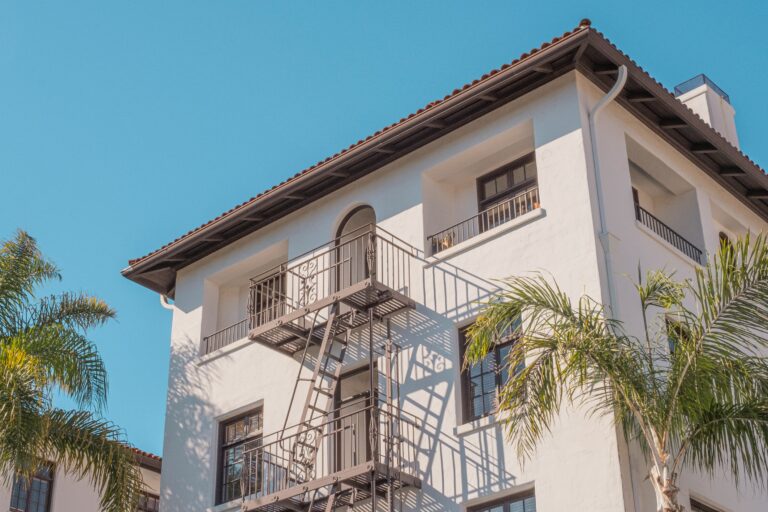 Rentals & tenants
How Much Must Long Beach Landlords Pay Tenants Under the Relocation Ordinance?
Long Beach landlords: see the LBMC 8.99 relocation payments, notice periods, and city filing step required before a no-fault tenant termination.
Read the guide → Selling for cash
What Inglewood’s Housing Protection Ordinance Requires Before You Sell a Rental
Inglewood's Housing Protection Ordinance covers more rentals than expected, with rent caps, just-cause rules, and relocation tiers that transfer at sale.
Read the guide → Selling for cash
The Five-Year Countdown Before Los Angeles County Auctions a Tax-Defaulted Home
LA County auctions tax-defaulted homes after five years unpaid. See the redemption deadline, installment options, and how to claim excess proceeds.
Read the guide → Selling for cash
What Beverly Hills’ Rent Stabilization Ordinance Requires Before You Sell
Beverly Hills runs its own BHMC Chapter 5 and 6 rent rules: caps, BHRent registration, just-cause grounds and relocation fees sellers must clear first.
Read the guide → Selling as-is
What Rancho Palos Verdes’ Landslide Zones Mean for a Natural Hazard Disclosure
Rancho Palos Verdes sellers must check a landslide-zone box on the state Natural Hazard Disclosure Statement, separate from the earthquake fault question.
Read the guide → Selling for cash
West Hollywood’s Rent Stabilization Ordinance: What a Seller With Tenants Must Clear First
West Hollywood's rent stabilization law sets strict just-cause rules and relocation fees before you can sell a tenant-occupied rental unit here.
Read the guide → Inherited homes & probate
Partition Actions Between Heirs: How California Law Forces a House Sale
California heirs can force a house sale through a partition action under CCP 872-874, with court referees, confirmation hearings, and buyout rights.
Read the guide →