
San Diego Building Permits Guide for Homeowners and Sellers
- Unpermitted work, open permits, repairs needed: we buy it as-is
- Zero fees, zero commissions, zero closing costs
- No obligation: turn the offer down and owe us nothing
Permit Problems on Your San Diego House? Sell As-Is for Cash
Open permits and unpermitted work do not have to stop a sale. Tell us about the house and get a written cash offer.
Last updated November 13, 2026. Reviewed by the Cash Home Buyers CA team. Information comes from the City of San Diego Development Services Department; sources are listed at the end.
The City of San Diego’s Development Services Department keeps the building permits, plans and maps for properties inside city limits, and the city says this record is the way to check whether work on a house was legally built and completed. If you are selling, reading that history before you list tells you whether a buyer’s inspector or lender is likely to raise a problem.
San Diego building permit records at a glance
| Who keeps the records | City of San Diego Development Services Department, Records section |
| What you need to search | A property address, plan file number, approval number, permit number, or legal description or APN |
| Online tools | OpenDSD, the Accela portal, DSD Permit Finder and the city’s Open Data Portal (digital data from paper applications back to 2003) |
| Older records | Subdivision Index Cards hold historical permit details through the 1990s |
| Building plans | Viewed on-site by appointment only. The city holds plans dating back to about 1955 |
| Copies of plans | In-person appointment, plus written permission from the current owner and the design professional who signed the plans |
| Office | Development Services Center, 7650 Mission Valley Road, San Diego, CA 92108 |
| Copy fee | $0.25 per page |
How do I look up permits on a San Diego property?
Start online with the property address. The city lists OpenDSD, its Accela portal and a DSD Permit Finder map among the online tools, and its Open Data Portal includes digital records that go back to 2003. Self-service stations at the Development Services Center let you research permits without an appointment, but building plans and paper project files need an appointment with staff.
When you read the history, look for three things: permits that were opened but never finaled, work you know was done that has no permit, and projects that needed a discretionary approval. A permit without a final inspection is an open permit, and it is the one buyers and lenders ask about.
Can I get a copy of my San Diego house plans?
Sometimes. State law requires written permission from the current property owner and from the design professional who signed the plans before the city can copy them, and copying has to be requested in person by appointment. The city does not allow tracing, sketching or photographing plans while you view them.
How permits affect selling a house in San Diego
Permit problems come up in two ways. A buyer’s inspector or agent may notice an addition or converted space that does not match the records, and in California sellers generally have to disclose known problems, including work you know was done without a permit.
On a traditional listing the usual choices are to finish an open permit, permit the work after the fact, cut the price, or let the buyer take on the problem. Each costs time and money, and lenders can be cautious about unpermitted living space.
How to sell a house in San Diego with unpermitted work or open permits
- Pull the permit history first. Know what the city shows before you talk to any buyer.
- Write down what you know. Who did the work, when, and whether you have receipts or plans.
- Compare your options. Fix it yourself, sell with a price credit, or sell as-is to a cash buyer who prices the risk in.
- Disclose honestly. A cash offer does not change what you must disclose, but it removes the repair and inspection steps that cause delays.
We buy San Diego houses as they are, with no permit clean-up, repairs or showings. Read how selling a house as-is in San Diego works, or see our San Diego cash-offer process. If the house has been cited, read our San Diego code enforcement guide, and for backyard units see our San Diego zoning and ADU guide.
Not sure what your permit history means for a sale? Call (424) 435-2326 or request a cash offer. There is no cost and no obligation.
Work San Diego treats as exempt or eligible for a no-plan permit
The city’s Information Bulletin 203 describes work that needs no building permit, and work that can get a permit without a plan review. The exempt list includes:
- Maintenance repairs using similar materials with an aggregate value of $1,000 or less that do not affect electrical, plumbing or mechanical systems.
- Replacing doors or windows in existing openings in detached single-dwelling units, duplexes or townhouses, if no flashing or rough opening changes are needed and the units are not required to be fire-resistive or meet very high fire hazard zone rules.
- Replacing up to 100 square feet of drywall tied to an electrical, mechanical or plumbing repair.
- A new color coat on existing stucco, and tub-to-tub or shower-to-shower replacement that does not change size or location.
Work eligible for a no-plan permit includes like-for-like window and door replacement, kitchen and bathroom remodels in R-2 or R-3 residential buildings that change no structure, wall framing or exterior walls and add no plumbing fixtures, re-stucco, siding replacement in specific cases and replacement-in-kind of damaged stair stringers and treads. Roof replacements and engineered structural elements such as trusses are ineligible.
The bulletin also says only buildings that were legally permitted, built and passed final inspection can use a no-plan permit, and that a historical review is required when the site has buildings 45 years old or older unless the scope is exempt under the municipal code. No-plan permits are submitted electronically through the city’s online portal under the Building Construction application, with a contacts form and a supplemental application.
What that means if your permit history is unclear
- An unpermitted addition does not qualify for the no-plan route, so legalizing it normally needs plans.
- A pre-1980 home may trigger historic review before even modest work.
- Check the city’s permit records for a final inspection before you rely on a past remodel.
For related topics, see our San Diego code enforcement guide and zoning and ADU guide. State disclosure rules are in our as-is and unpermitted work guide.
Common mistakes with San Diego permits
- Assuming a remodel is exempt when it moves plumbing or walls.
- Skipping historic review on an older house.
- Relying on a no-plan permit for an unpermitted structure.
- Never closing a permit with a final inspection.
San Diego building permits FAQ
What work is exempt from a San Diego building permit?
Under the city’s Information Bulletin 203, exempt work includes maintenance repairs of $1,000 or less in aggregate that do not affect electrical, plumbing or mechanical systems, like-for-like window and door replacement in existing openings in certain homes, and new color coats on stucco.
Does San Diego require historic review for older homes?
The city says that if a site has buildings or structures 45 years old or older, plans must go through historic review unless the scope is exempt under the municipal code.
Where can I see old building permits for a San Diego address?
Use the city’s OpenDSD, Accela and DSD Permit Finder tools, or visit the Development Services Center. The city’s open data covers paper applications back to 2003, and plans date to about 1955.
Do I need an appointment to view San Diego building plans?
Yes. Building plans and paper project files can only be viewed on-site with a scheduled appointment, though self-service stations for permit research are open without one.
Can I sell a house in San Diego with an open permit?
Yes. An open permit does not legally stop a sale, but it can slow a traditional one. A cash buyer can purchase the house with the permit still open.
How do I sell a house in San Diego with unpermitted additions?
Disclose the work, then choose between permitting it, discounting the price, or selling as-is to a cash buyer who accounts for the risk in the offer.
Sources
- City of San Diego: Information Bulletin 110, Permit Records and Mapping Information
- City of San Diego: Development Services Records
- City of San Diego: Permits, Approvals and Inspections
This guide is general information, not legal advice. Permit rules and hours change; confirm requirements with the City of San Diego Development Services Department.
From the Blog
Latest guides for California home sellers
-

California’s Judicial Foreclosure Redemption Right: The One-Year Window Most Owners Never Hear About
California's rarer judicial foreclosure process comes with a statutory right to redeem the property for up to a year after the sale…
Read the guide → -
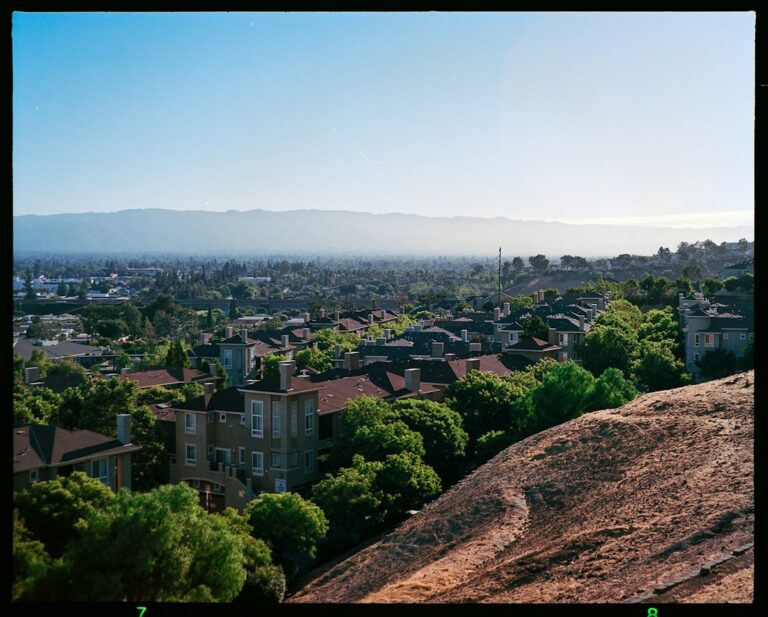
Santa Clara County’s Tax-Defaulted Property Auction: How to Claim the Excess Proceeds
When a Santa Clara County home isn't redeemed within the state's deadline, the county can sell it at public auction — and…
Read the guide → -
Pomona’s Rent Stabilization Ordinance Just Became Permanent: What Landlords Must Do Before Selling
Pomona's Ordinance No. 4359 became permanent on January 1, 2026, replacing the city's prior urgency ordinances and capping most rent increases at…
Read the guide → -
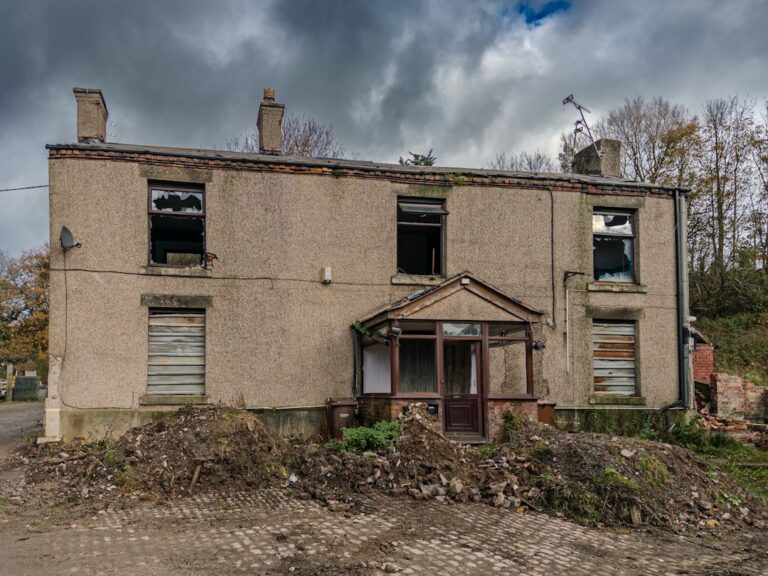
Compton’s Substandard Building Ordinance, Explained
Compton can order a dangerous or substandard house secured, repaired, or demolished under Municipal Code Chapter 14, and if the owner misses…
Read the guide → -
Chico’s RECO Inspection: What Sellers of Older Homes Must Fix Before Closing
Chico requires sellers of homes built before July 1, 1991 to pass a RECO energy and water retrofit inspection — or transfer…
Read the guide → -

Emeryville’s Just Cause Eviction Ordinance: Relocation Pay Under Municipal Code 5-40
Emeryville had its own just-cause eviction and relocation-assistance ordinance years before California’s statewide AB 1482 existed, and the local rule is still…
Read the guide → -

Malibu’s Six-Year Rebuild Deadline After the Palisades Fire: Municipal Code 17.60.020(C)
Malibu homeowners rebuilding after the January 2025 Palisades Fire have a hard deadline most residents outside the city have never heard of:…
Read the guide → -

California’s Security Deposit Cap: How AB 12 Limits What Landlords Can Collect
AB 12 caps most California security deposits at one month's rent, with a narrow exception for small landlords — plus new 2025…
Read the guide → -
California Civil Code §4525: The 11 HOA Documents You Must Hand a Buyer Before Closing
California Civil Code §4525 requires sellers inside an HOA to hand buyers 11 specific documents before closing — a list that just…
Read the guide →