
San Pablo’s 2026 Just-Cause Ordinance: What Changed for Landlords on April 1
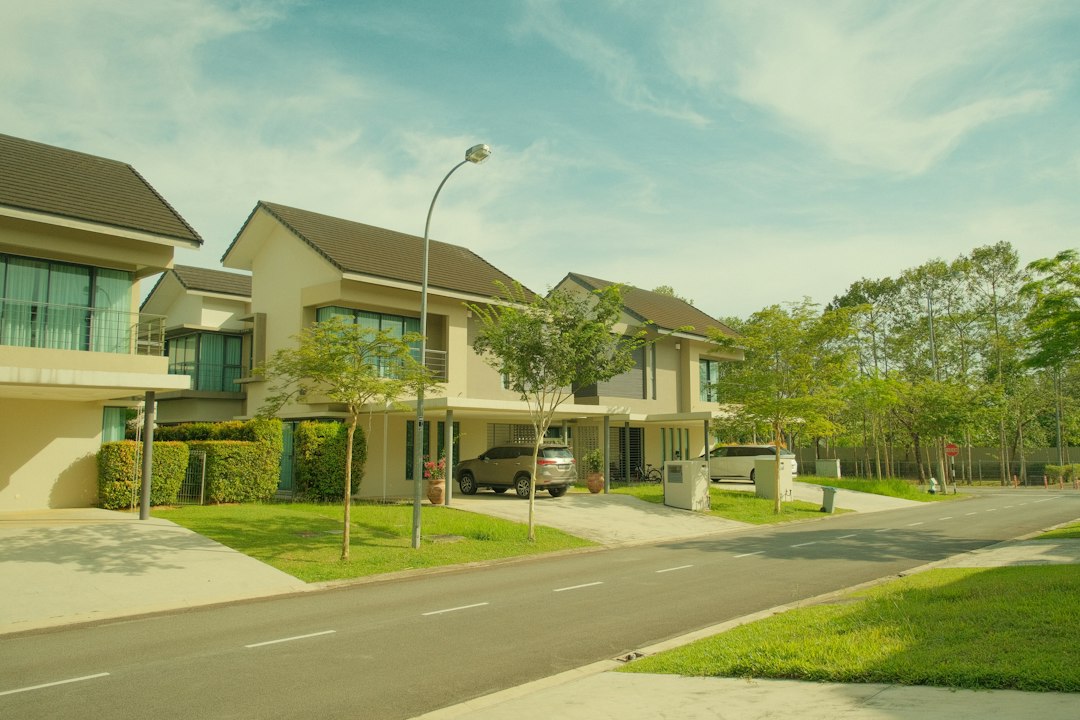
San Pablo adopted a new package of renter protections on March 2, 2026, and most of it took effect on April 1, 2026.
If you own a rental house, duplex, condo, or accessory dwelling unit inside San Pablo’s city limits, in Contra Costa County, the ordinance changes what counts as a legal reason to end a tenancy, how much relocation money a no-fault move-out now costs, and which owners are exempt entirely.
None of it blocks a sale. All of it changes how you get there, and it catches owners who assume state law is the only rulebook.
California already has statewide just-cause eviction protection under Civil Code 1946.2 and a statewide rent cap under AB 1482.
Both laws carve out two exemptions that matter to a lot of small landlords: a single-family home or condo that is not owned by a corporation, REIT, or LLC, and any unit first occupied within roughly the last 15 years.
San Pablo’s 2026 ordinance narrows both carve-outs inside city limits, which is exactly the kind of local variation that changes the math for an owner trying to sell a rental this year.
Which Units San Pablo Now Covers
San Pablo’s just-cause rules reach nearly all rental housing in the city, including single-family homes and accessory dwelling units, according to the city’s own published comparison of state and local protections.
That is broader than the state default in one specific way: apartments, condos, duplexes, and ADUs built less than 15 years ago are protected immediately under the city ordinance, where state law would normally exempt them for 15 years from their certificate of occupancy.
A single-family rental owned by a REIT, corporation, or LLC is covered regardless of the building’s age, closing the corporate-owner exemption that Civil Code 1946.2 otherwise leaves open.
There is a real carve-out, and it is the one most individual owners of a single rental house will land in. The city’s own materials describe small, individual “mom and pop” housing providers as exempt from the just-cause rules.
The ordinance does not publish a bright-line unit count for that exemption the way some neighboring cities do, so an owner who is not clearly a large corporate landlord, and who is not sure whether the city would treat their holdings as exempt, should get a written determination from the City Manager’s Office before relying on it, rather than assume.
The protections also are not automatic from day one of a tenancy. Under the ordinance, a tenant has to have lived in the unit continuously for at least 12 months before the local just-cause protections apply.
That 12-month mark is worth calendaring if you are weighing a sale and a vacancy at the same time, because a tenancy that has not yet crossed it is still governed mainly by the lease and state law, not by San Pablo’s added layer.
Just Cause, Still Defined by State Law, With a City Overlay
San Pablo did not rewrite the actual list of lawful eviction reasons.
The underlying just-cause categories still come from Civil Code 1946.2: things like nonpayment of rent, lease violation, owner move-in, withdrawal of the unit from the rental market, or a decision to sell that requires the buyer to occupy the home.
What the city added is reach — more units covered, sooner in a building’s life, and a wider definition of who counts as a protected tenant — plus a second layer of anti-harassment rules.
That anti-harassment layer goes beyond the state baseline. State law already prohibits a landlord from using force, threats, or immigration-status threats to pressure a tenant out.
San Pablo’s ordinance adds verbal abuse, excessive or repeated entry into the unit, intentional utility shutoffs, and repeated unwanted buyout offers to the list of prohibited conduct.
A tenant who believes they have been harassed under the city ordinance can ask a court for an order to stop it or sue for damages, and disputes over rent increases or notices are first routed through ECHO Housing’s mediation program rather than straight to court.
What a No-Fault Move-Out Costs Now
The relocation-payment change is the number that affects a sale timeline most directly.
State law requires one month of rent as relocation assistance (or a rent waiver for the final month) when a landlord ends a tenancy for a no-fault reason, which includes most sale-related move-outs where the buyer intends to occupy the home.
San Pablo’s ordinance doubles that to two months of relocation assistance for a no-fault eviction inside city limits.
The city describes this as “Enhanced Relocation Assistance” and does not publish a different dollar formula; it is simply twice the state’s one-month baseline, which in practice means two months of the tenant’s current rent rather than one.
If you are selling a tenant-occupied San Pablo rental to a buyer who plans to move in, or you are ending a tenancy because you are taking the unit off the rental market before listing, build that second month of relocation cost into your numbers now rather than discovering it at the point a tenant’s attorney raises it. It is a real, calculable cost, not a contingency.
No Rent Cap Yet, but One Is Coming
San Pablo has not adopted a local rent-increase cap as of this ordinance. The state’s AB 1482 ceiling, 5% plus the regional CPI (capped at 10% in a 12-month period), still applies to covered units in the city.
The city’s own materials say San Pablo is “on track to launch a formal Rent Review Program in 2027,” developed with both housing providers and tenant advocates, but no cap percentage or review threshold had been finalized or published as of this ordinance taking effect.
An owner planning to hold a San Pablo rental past this year should expect that program to arrive and watch for its terms, since it would layer onto, not replace, the statewide cap.
San Pablo is a small city by population, but the local reporting around this ordinance describes a renter majority driving the push for stronger protections, which is part of why the city moved faster and further than many of its neighbors rather than simply waiting on the state’s Rent Review Program timeline.
That context matters for a seller: it signals that enforcement and tenant awareness of these rules are likely to be higher here than in a city where a similar ordinance passed quietly, so an owner who skips a required relocation payment or serves the wrong notice is more likely to hear about it from the tenant’s side before closing, not after.
Showings Without a Harassment Complaint
If you plan to sell with the tenant in place and need to show the property, the anti-harassment layer is the part most likely to catch an owner who is not thinking about it. “Excessive entry” is one of the listed violations, which means a listing agent cannot treat a tenant-occupied home the way they would a vacant one, with same-day showings and repeated walk-throughs.
Give the standard 24-hour written notice before every entry, batch showings into the fewest visits practical, and never frame a showing, or a request to tidy up for one, as a step toward getting the tenant to leave.
If you also want the tenant out before closing, keep that conversation, and any buyout offer, separate from the showing schedule and from each other.
The ordinance singles out “repeated unwanted buyout offers” as harassment, so one documented, good-faith offer is a different thing from pestering a tenant who already said no.
What a Buyer’s Lender Will Want to See
A buyer purchasing a tenant-occupied San Pablo rental, especially one financing the purchase, will typically ask for a tenant estoppel certificate confirming the lease terms, the rent, the deposit held, and that no notices are currently in dispute.
If you served a no-fault notice before listing, keep a complete paper trail: the notice itself, proof of service, the relocation payment amount and the date it was paid, and any correspondence with the tenant about the move-out.
A title company or buyer’s attorney reviewing a San Pablo transaction now has a second, city-specific ordinance to check compliance against, on top of state law, and a clean file is what lets escrow close on schedule instead of sitting in a compliance review.
Why This Matters More in Contra Costa County Than It Sounds
San Pablo is a small city, nine square miles, inside a county where several of its neighbors have already built their own, different tenant-protection rules. Richmond has its own rent ordinance with eight enumerated just causes. Antioch has a separate just-cause ordinance.
Concord adopted its own rent cap and relocation rules. None of those cities’ thresholds, exemptions, or relocation formulas match San Pablo’s, and none of them match each other.
An owner who holds rental property in more than one Contra Costa city cannot assume the rules that applied in one city carry over to the next one, and a buyer’s lender or title company evaluating a tenant-occupied purchase in San Pablo specifically will want to see that the seller complied with San Pablo’s version, not a neighboring city’s.
Selling a Tenant-Occupied San Pablo Rental: The Practical Sequence
If you intend to sell with the tenant in place, nothing in this ordinance stops that. A sale itself is not an eviction, and most buyers of occupied rental property simply step into the existing lease, subject to the same 1946.2 and local protections.
The complications arise only when the sale depends on vacant possession, which is the more common scenario for an owner of a single rental house who wants to list it for owner-occupant buyers.
In that situation, the sequence that avoids the most friction looks like this: confirm how long the current tenant has lived there, since anything under 12 months changes which rules apply; determine whether your holdings make you a “mom and pop” exempt owner or not, in writing from the city if there is any doubt; identify the just-cause category you are relying on, most often a bona fide intent to sell to a buyer who will occupy, and document that intent; serve the correct notice period under Civil Code 1946.2 for the category you are using; and budget two months of the tenant’s rent as relocation assistance, paid as required under the city’s enhanced rule, not the state’s one-month minimum.
When a Cash Sale Is the Wrong Choice Here
A fast, as-is cash sale is not automatically the better option just because a tenancy or a notice period is involved.
If the current tenant is on a lease with meaningful time left and is current on rent, and you are not in a hurry, a sale to another investor who will simply take an assignment of the lease can be faster and cleaner than ending the tenancy at all, since it avoids triggering any relocation payment in the first place.
If you have the capital and the timeline to wait out a 12-month clock before local just-cause protections attach, and the tenant is month-to-month and willing to leave on reasonable terms, a standard listing to an owner-occupant buyer after a voluntary move-out may net more than a direct sale, since you avoid both the relocation cost and any discount a buyer prices in for inheriting a tenant.
And if your real issue is simply that you are unsure whether you qualify as a “mom and pop” exempt owner, that is a question for the City Manager’s Office or a local landlord-tenant attorney to answer before you make any decision about the property at all, since it changes every number that follows.
Where a cash sale genuinely helps is when the relocation cost, the notice timeline, or the uncertainty itself is what is preventing a sale from happening on a schedule that works for you, or when the property needs repairs that make a financed buyer’s inspection period a real risk to the deal closing at all.
It also helps when the math on a no-fault move-out simply does not pencil: two months of rent as relocation assistance, the state-mandated notice period for the category you are using, and the carrying costs on an empty unit afterward can add up to real money and real time before a retail listing even goes live, and a direct sale skips that waiting period entirely.
An investor buyer who is willing to simply take an assignment of the existing lease sidesteps most of this, since no tenancy is ending and no relocation payment is triggered.
That is often the fastest path when a tenant is current on rent, has significant time left on a lease, and the numbers still work for a direct sale, and it is one more reason a cash buyer experienced with occupied California rentals can move a San Pablo property faster than a retail listing aimed at an owner-occupant who needs the unit vacant to qualify for financing.
First Steps
- Pull the lease and confirm the tenant’s continuous occupancy date before relying on any exemption, since the 12-month mark decides which rulebook applies.
- Call the City Manager’s Office to confirm in writing whether your ownership structure qualifies for the small, individual “mom and pop” exemption, rather than assuming either way.
- If you are ending a tenancy to sell, document the bona fide intent to sell or to deliver vacant possession to an owner-occupant buyer, since that is the just-cause category most sales rely on, and keep every notice and proof of service in one file.
- Calendar the correct state-law notice period for the category you are using, then add San Pablo’s two-month relocation requirement, not the state’s one-month minimum, to your closing budget if the move-out is no-fault.
- Give 24-hour notice before every showing, limit the number of visits, and keep any buyout conversation separate from the showing schedule so neither looks like pressure.
- Ask early whether a buyer’s lender will require a tenant estoppel certificate, and assemble the lease, rent ledger, and notice paperwork before that request arrives.
- Keep an eye on the Rent Review Program the city expects to roll out in 2027, especially if you plan to hold rather than sell this year.
San Pablo’s ordinance is new enough, and specific enough to this one city, that generic advice about California tenant law will miss it.
If you would rather not manage a 12-month clock, a relocation payment, and a notice period before you can close, Cash Home Buyers CA can make a no-obligation cash offer on a San Pablo rental as it sits, tenant and all, and work through the timing with you.
For the surrounding county’s rules on rent control, relocation, and selling a rental, see our Contra Costa County rent control guide, and you can find Cash Home Buyers CA on Google through our Google Business Profile.