
Sell Your House During Divorce in Citrus Heights, CA
- Foreclosure, inherited, tenants, damage — we buy it
- Zero fees, zero commissions, zero closing costs
- No obligation — turn the offer down and owe us nothing


Fast, Fair, and Reliable Offers
Get one neutral, written cash offer both spouses can review, and let escrow divide the proceeds as your settlement or court order directs.
Sell Your House During Divorce in Citrus Heights With Less Conflict
For many couples, the family home is both the largest asset and the hardest one to talk about. If you and your spouse have decided to sell your house during divorce in Citrus Heights, the goal is usually a fair, predictable sale that does not become another source of disagreement.
That means one clear price, a closing date that works with both of your moves, and a process that pays the mortgage and divides what remains exactly as your agreement or court order says.
A direct cash sale is one way to get there, and this page explains how it compares with listing.
Divorce cases for Citrus Heights residents are typically handled by the Superior Court for Sacramento County, and the eventual sale of the home is recorded with the county recorder.
Whether the house is a single-family home near Auburn Boulevard, a condo close to the Sunrise Mall area or a townhome elsewhere in the city, the rules for selling marital property are the same: both owners on title sign, and the proceeds follow your settlement.
California Rules That Shape a Divorce Sale
Community property
California is a community property state. In general, property acquired during the marriage belongs to both spouses equally, regardless of whose paycheck paid for it. There are exceptions, such as property owned before marriage or received by gift or inheritance, and mixed situations where separate money went into a shared home. A family-law attorney can explain how the house is characterized in your case.
Who signs and who decides
Both spouses on title generally must sign the listing or purchase agreement and the deed. If one spouse will not cooperate, the court can issue orders about the sale. Once a divorce case is filed, automatic temporary restraining orders generally limit either spouse from selling or transferring community property without the other’s written consent or a court order, so do not sign anything alone.
How proceeds are divided
At closing, escrow pays off the mortgage, any home equity line, liens and closing costs. The remaining proceeds are then divided according to written instructions that follow your marital settlement agreement or court order. Some couples ask escrow to hold the funds until the judgment is final. Escrow does not decide who gets what; it follows signed instructions.
Local Market Context for Your Decision
Redfin’s August 2026 report for Citrus Heights lists a median sale price of about $484,679, up 0.3% from the year before, with 221 homes sold and a median of 22 days on market. Homes sold for about 99.7% of list price on average, 46.1% sold above list and 37.7% of listings cut their price.
Those numbers can help frame a conversation, but they are not an appraisal of your home. Two spouses often disagree about value, especially if one wants to keep the house and buy the other out. An appraisal, a broker opinion or a written cash offer each give you a concrete number to discuss with your attorneys.
Cash Sale vs. Listing During a Divorce
| Factor | Direct cash sale | Listing on the market |
|---|---|---|
| Timeline | Written offer usually within 24 hours; a clear-title closing can often happen in about two to three weeks, or on the date you both agree | Preparation and marketing, then financed buyers usually need 30-45 days |
| Repairs | None; no need to agree on who pays for fixes | Repair decisions and costs must be shared or negotiated |
| Showings | One walkthrough | Weeks of showings while one or both of you may still live there |
| Commissions | No fees or commissions | Agent commissions often total around 5-6% combined |
| Closing costs | Allocated in the written agreement | Allocated by contract and custom |
| Certainty | No financing contingency; fewer decisions to agree on | Price reductions, counteroffers and buyer financing all require joint decisions |
A listing may bring a higher price when the home is updated and both spouses can cooperate through showings, offers and repairs. A cash sale reduces the number of decisions you have to make together, which some couples value more than the last few percent of price.
Three Steps to a Neutral Sale
- Contact us together or separately. Call or text 424-435-2326 or use the form. We send the same information to both owners so no one feels left out.
- One walkthrough and a written offer. We visit the home once and send a written cash offer, usually within 24 hours, that you can share with your attorneys.
- Close through escrow. A neutral escrow company pays off the loan and divides the proceeds according to your signed instructions, on a closing date you both accept.
We can buy your house directly or bring in a vetted cash buyer from our network; either way you get one written offer, proof of funds, a neutral escrow company, a clear closing date, and no fees or commissions.
Common Divorce Situations We Help With
- One spouse has already moved out. The walkthrough can be scheduled with whoever lives in the home, and the other spouse can sign remotely through a mobile notary.
- Neither spouse can afford to keep the house. Selling can end a shared mortgage that neither of you wants to carry alone.
- The home needs work nobody wants to fund. A cash sale avoids arguing over repair costs or who supervises contractors.
- Payments have fallen behind during the separation. Selling before foreclosure can protect equity for both of you; a HUD-approved housing counselor can also help review options.
- A buyout fell through. If one spouse could not refinance to buy out the other, a sale may be the practical next step.
How to Sell a House During Divorce in Citrus Heights Without Losing Money
A few practical habits protect both spouses. Keep paying the mortgage, property taxes and insurance until closing, since missed payments add fees and damage both credit reports. Agree in writing on who stays in the home, who pays utilities and how the home is cared for until the sale.
Share all offers with both owners and both attorneys at the same time. And confirm that the seller-protection basics are in place before either of you signs:
- A written offer with the price and all terms
- Proof of funds for the purchase
- The deposit held by a neutral escrow company
- A named closing date
- A clear statement of which closing costs each side pays
- The name of the party taking title
Taxes on the sale
Married couples who have owned and lived in the home for two of the last five years may qualify for a larger capital gains exclusion than single sellers, and the timing of the sale relative to the divorce judgment can matter.
California may also require withholding of 3 1/3 percent of the sales price unless an exemption applies, which is common for principal residences. Escrow handles Form 593, but a CPA should review your tax position before you sign.
Paperwork to Gather Before You Sign
Divorce sales move faster when both sides have the same documents in front of them. Most of these are easy to collect, and escrow can help locate the rest:
- The current deed or a recent property tax bill showing how title is held
- Statements for every loan secured by the house, including any home equity line
- Homeowners insurance details and any association contacts
- Your marital settlement agreement, or a stipulation or court order about the sale, if one exists
- Contact details for both attorneys, so offers and escrow updates go to everyone at once
If title is held in a way you do not recognize, such as through a trust or with a third party still listed, flag it right away. Title issues are the most common cause of delay in any sale, and in a divorce they can also affect how the equity is characterized.
Living in the home until closing
Often one spouse stays in the house until it sells. Put the arrangement in writing: who pays the mortgage and utilities, how the home will be kept, who handles the walkthrough and when the occupant will move out. Clear terms protect both of you if the closing date shifts.
Homes We Buy in Citrus Heights
We consider single-family homes, condos, townhomes and small rentals across Citrus Heights and nearby communities, whatever their condition. If one of you is relocating for work after the divorce, our Citrus Heights relocation guide covers signing from a distance and timing a move around closing.
Frequently Asked Questions
Can I sell my house during divorce in Citrus Heights if my spouse disagrees?
Generally, both owners on title must sign. If your spouse will not agree, a family-law attorney can ask the court for orders about the sale. Automatic restraining orders usually prevent either spouse from selling alone once a case is filed.
How are sale proceeds split in a California divorce?
California is a community property state, so shared equity is generally divided equally unless your agreement says otherwise. Escrow pays the loan and costs, then divides or holds the remaining funds according to signed instructions that follow your settlement or court order.
Should we sell the house before or after the divorce is final?
It depends on taxes, finances and how quickly you each need to move. Selling before the judgment may preserve a larger capital gains exclusion for some couples. Ask your family-law attorney and a CPA to review your timing.
Can one spouse buy out the other instead of selling?
Yes, if that spouse can qualify to refinance or otherwise pay the other their share. An appraisal or written offer can help set the buyout price. If refinancing is not possible, a sale is often the fallback.
Does the spouse who moved out still need to sign?
Yes, if they are on title. Escrow can arrange a mobile notary wherever they live, including out of state, so they do not need to return to Citrus Heights.
What if we are behind on the mortgage during the divorce?
Selling before a trustee’s sale can protect equity for both of you. Talk with a HUD-approved housing counselor and your attorneys about options, and keep all notices so escrow can request the correct payoff.
Is a cash sale fair to both spouses?
A written offer that both spouses and both attorneys can review, with proof of funds and a neutral escrow company, gives each side the same information. Compare it with an appraisal or listing estimate to decide together.
A neutral number can make a hard conversation easier. Call or text 424-435-2326 or use the form above for a written cash offer both of you can review, with no fees or commissions and no obligation.
Seller Guides
Helpful guides for homeowners in Citrus Heights
Plain-English answers to the questions sellers ask us most.
 Rentals & tenants
Which Mountain View Rentals Does the CSFRA Actually Cover?
See which Mountain View rentals the CSFRA covers, its rent cap, just-cause eviction rules, relocation pay, and what landlords must do before raising rent.
Read the guide → Inherited homes & probate
Partition Actions Between Heirs: How California Law Forces a House Sale
California heirs can force a house sale through a partition action under CCP 872-874, with court referees, confirmation hearings, and buyout rights.
Read the guide → Divorce
Is a House Buyout in a California Divorce Taxable?
A divorce house buyout isn't taxed upfront in California, but carryover basis can create a real tax bill later. Here's how the math actually works.
Read the guide → Divorce
Who Gets the House in a Divorce in California?
California community property rules, Family Code 2640 reimbursement and the automatic restraining orders that stop a sale. Buyout, sell, or deferred sale.
Read the guide → Divorce
Partition Action in California: The Deadlines That Decide Who Keeps the House
California co-owners get 45 days to elect a buyout under the Partition of Real Property Act. The deadlines, the price formula, the fees.
Read the guide → Divorce
Sacramento Divorce and the Family Home: Court Orders, Buyouts and Escrow
Sacramento divorce and the family home: automatic restraining orders, community property, Watts and Epstein claims, buyouts and how escrow splits proceeds.
Read the guide → Rentals & tenants
What Is Sacramento’s Tenant Protection Program?
Sacramento's Tenant Protection Program caps rent increases and requires just cause after 12 months, separate from the statewide AB 1482 rules.
Read the guide →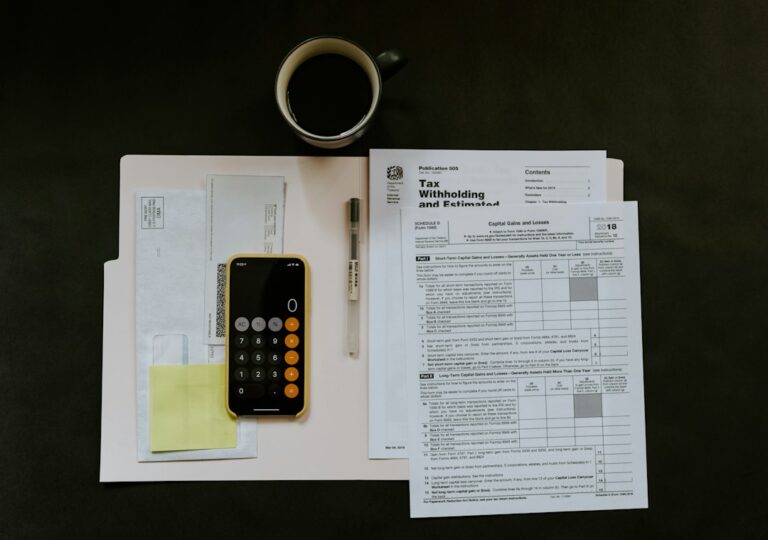 Selling for cash
FTB Form 593: Why Escrow Holds Back 3⅓% of a California Home Sale and How to Avoid It
Escrow generally withholds 3⅓% of a California sale price for the Franchise Tax Board unless you certify an exemption on Form 593.…
Read the guide → Inherited homes & probate
Medi-Cal Estate Recovery and the Family House: Who Owes, Who Is Protected and the Deadlines
Since 2017, Medi-Cal estate recovery reaches a house only if it passes through probate. See who is exempt, the 90-day notice and the 60-day waiver window.
Read the guide →