
Selling a House During Divorce in Stevenson Ranch
- Foreclosure, inherited, tenants, damage — we buy it
- Zero fees, zero commissions, zero closing costs
- No obligation — turn the offer down and owe us nothing


One Cash Offer, One Closing Date
Sell your Stevenson Ranch home together and split the proceeds without a drawn-out listing.
Selling a house during a divorce in Stevenson Ranch raises the same California community-property questions any divorcing couple faces, but a $1,200,000 median sold price means there is usually real equity to divide, and getting both spouses to agreement on price and timing can take longer than either side wants while the case is open.
Cash Home Buyers CA buys Stevenson Ranch houses from divorcing couples with a single cash offer both spouses can review together, closing on a date that works around the case rather than a buyer’s financing timeline.
Community Property and Your Stevenson Ranch House
Under California Family Code Section 2550, most property acquired during the marriage is community property and is generally divided equally between spouses in a divorce.
A Stevenson Ranch home purchased during the marriage is typically community property regardless of whose name is on the loan, while a home one spouse owned before marriage, or received by gift or inheritance, can remain that spouse’s separate property, sometimes with a community-property claim for any mortgage paid down with marital income during the marriage.
Which category your house falls into shapes who has to agree to a sale and how proceeds get split, and it is worth sorting out early rather than assuming.
The Automatic Restraining Orders That Attach the Moment You File
California Family Code Section 2040 puts Automatic Temporary Restraining Orders, often called ATROs, into effect against both spouses the moment a divorce petition is filed, and they stay in effect until the case is resolved or a judge orders otherwise.
Among other things, ATROs restrict either spouse from transferring, encumbering, or disposing of community property, including real estate, without the other spouse’s written consent or a court order, outside of the ordinary course of business or for the necessities of life.
In practice, that means a Stevenson Ranch house generally cannot be sold during a pending divorce unless both spouses agree to the sale or a family law judge specifically orders it, which is different from a solo homeowner who can list or sell on their own schedule.
Why Stevenson Ranch’s Price Point Raises the Stakes
Movoto’s August 2026 figures put Stevenson Ranch’s median sold price at $1,200,000, with homes closing in a median of 29 days once listed.
At that price level, even a modest disagreement over listing price, repair credits, or timing can delay a sale by weeks, and every week of delay is a week both spouses continue splitting a mortgage, property taxes, and, in much of the community, HOA dues on a house neither may be living in comfortably.
A single cash offer removes several of the variables couples tend to disagree about, since there is one number to evaluate together rather than a negotiation that unfolds over a multi-week listing period with a buyer’s lender in the middle.
One Spouse Keeps the House, or Both Sell and Split
Divorcing couples generally take one of two paths with a shared home: one spouse buys out the other’s equity, usually by refinancing the mortgage solely into their own name and paying the other spouse their community-property share, or both spouses sell the house and divide the net proceeds according to the judgment or settlement agreement.
Refinancing to keep a $1.2 million median-priced house is not realistic for every household on one income, and even when it is, qualifying for a new loan solely on one spouse’s income and credit can take longer than either party wants while the rest of the divorce is still being negotiated.
Selling and splitting the proceeds is the more common outcome in a market at this price point, and it lets both spouses walk away with cash rather than one spouse carrying a large mortgage payment alone.
How a Sale Fits Around Your Case, Not the Other Way Around
A divorce case has its own pace, set by court dates, discovery, and whatever else is being negotiated in the settlement, and a traditional listing adds its own timeline on top of that, with showings, buyer financing contingencies, and a 45- to 60-day escrow that can run past a hearing date or a deadline in your settlement agreement.
Because we buy directly, we can close in as little as one to two weeks, or on a specific date that lines up with what your case requires, whether that means closing before a scheduled settlement conference or holding a closing date until both spouses’ attorneys have finalized the division of proceeds in writing.
What Both Spouses Need to Agree To
- The decision to sell itself. Absent a court order, both spouses on title generally need to consent to selling community-property real estate while ATROs are in effect.
- The sale price. We provide one written offer, so there is a single number for both spouses and their attorneys to evaluate rather than competing opinions about list price.
- How proceeds are disbursed at closing. Escrow can disburse according to whatever split your settlement agreement or a court order specifies, including paying down debts or equalizing other assets before either spouse receives their share.
- The closing date. We work around dates that matter to your case, rather than around a buyer’s mortgage underwriting timeline.
Capital Gains Considerations Worth Knowing About
Homeowners who sell a primary residence can generally exclude up to $250,000 of gain from federal capital gains tax if filing individually, or up to $500,000 if filing jointly, provided the home was owned and used as a primary residence for at least two of the five years before the sale.
Given how much Stevenson Ranch values have climbed since the community was built out in the late 1980s and 1990s, a couple who has owned their home for many years can be sitting on significant appreciation, which makes it worth confirming your specific exclusion eligibility with whoever is preparing your tax filings before finalizing how proceeds get divided.
HOA Dues Continue Whether or Not You’re Living There
Much of Stevenson Ranch, particularly the Westridge tract on the north side of the community, sits under a homeowners association, and HOA dues continue accruing regardless of who is currently living in the house or how the divorce is proceeding.
When one spouse has moved out and the other has stayed, or when the house sits vacant while the case works through the court, unpaid HOA dues can become another item to sort out at closing.
We confirm the HOA account status as part of every Stevenson Ranch purchase and settle any dues owed directly through escrow, so it does not become a separate dispute layered on top of the divorce itself.
Selling As-Is Avoids a Second Negotiation
Divorcing spouses are often not on the same page about who pays for repairs, staging, or updates before a house goes on the market, and that disagreement can stall a listing before it even starts.
Because we buy Stevenson Ranch houses in their current condition, there is no repair negotiation to have, no contractor bids to compare, and no argument about whose responsibility a deferred repair is.
You can review our as-is selling guide for more on how that process works, but the short version for a divorce is that it removes one entire category of disagreement from a situation that already has plenty.
The Same Rules Apply Across Los Angeles County
Community property law, ATROs, and the capital gains exclusion described here apply to any divorcing couple selling real estate anywhere in California, not just in Stevenson Ranch. If you or someone you know is going through the same situation elsewhere in the county, our broader guide to selling a house during divorce across Los Angeles covers the same legal framework in more general terms.
Frequently Asked Questions
Do both spouses have to agree to sell the house?
In most cases, yes. Once a divorce petition is filed, Automatic Temporary Restraining Orders generally require both spouses’ written consent, or a court order, before community real estate can be sold.
What if my spouse and I can’t agree on a price?
We provide a single written cash offer, which removes the back-and-forth of negotiating a list price with a real estate agent and gives both spouses one number to evaluate together or with their attorneys.
Can proceeds be split unevenly at closing?
Yes. Escrow can disburse proceeds according to whatever percentage or dollar split your settlement agreement or court order specifies, rather than an automatic 50/50 split.
How fast can you close if we need to sell before a hearing date?
We can typically close in one to two weeks once both spouses have signed off, and we can also hold a closing date if your case needs more time before proceeds are divided.
Does it matter whose name is on the mortgage?
Not necessarily. Community-property status generally depends on when and how the home was acquired, not solely on whose name appears on the loan documents.
What happens to unpaid HOA dues if the house has sat vacant during the case?
We confirm the HOA account status as part of the purchase and settle any amounts owed through escrow at closing, so it is resolved as part of the sale rather than a separate dispute.
Call or text 424-435-2326 for a cash offer both you and your spouse can review together on your Stevenson Ranch house.
Seller Guides
Helpful guides for homeowners in Stevenson Ranch
Plain-English answers to the questions sellers ask us most.
 Relocating
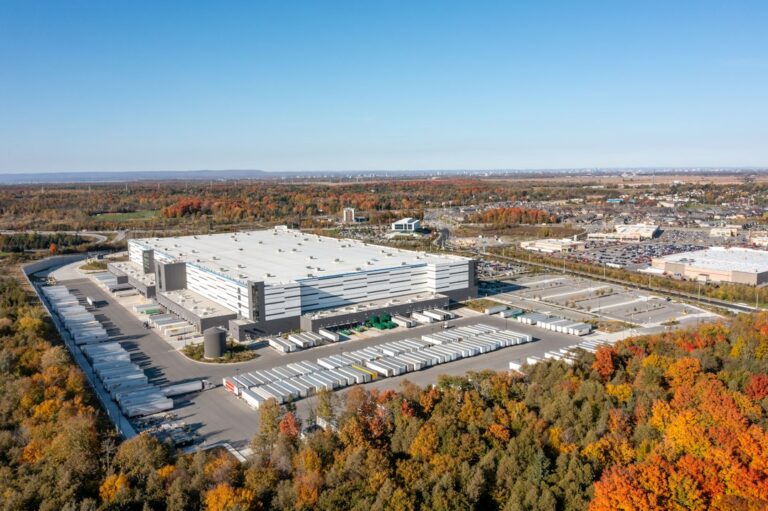
Fontana’s Warehouse Boom: What It Means If You’re Relocating
Fontana grew from a wartime steel town into an Inland Empire logistics hub. See what that shift means for home values and selling if you are relocating.
Read the guide → Inherited homes & probate
Partition Actions Between Heirs: How California Law Forces a House Sale
California heirs can force a house sale through a partition action under CCP 872-874, with court referees, confirmation hearings, and buyout rights.
Read the guide → Divorce
Divorcing in North Long Beach? Who Gets the House, and What Taxes Follow
Divorcing in North Long Beach, CA? Learn how buyouts, Duke orders, Watts/Epstein credits, and capital gains tax rules affect splitting your house.
Read the guide → Divorce
Why a West Covina Divorce Sale Doesn’t Always Trigger a Tax Reassessment
A West Covina divorce buyout usually keeps the home's Prop 13 tax basis, but selling to a cash buyer does not. See how that affects your decision.
Read the guide →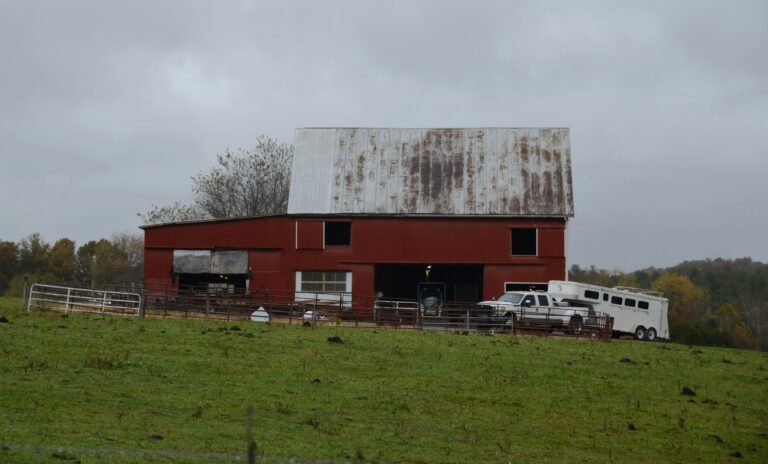 Divorce
Who Gets Credit for the Down Payment on an Agua Dulce Ranch in a Divorce
Learn how California Family Code Section 2640 reimburses a separate-property down payment on an Agua Dulce horse property when a marriage ends in divorce.
Read the guide → Divorce
Dividing a House in an Avalon, CA Catalina Divorce
Dividing an Avalon, CA home in divorce? See how California community property law, rental license limits, and island appraisals affect your split.
Read the guide → Divorce
Separate Property Reimbursement in a Monrovia Divorce
How Family Code 2640 and the Moore/Marsden formula decide what a spouse gets back before a Monrovia, CA home sells or one spouse buys the other out.
Read the guide → Divorce
How Community Property Division Works for a Whittier Home Sale
See how California law splits community versus separate property for a Whittier house sale during divorce, and what each spouse can claim back.
Read the guide → Divorce
How Community Property Division Plays Out for a Duarte, CA Home
How California's community property law divides a Duarte home in divorce, including Family Code 2640 reimbursement, Watts charges, and Epstein credits.
Read the guide →