
Selling a House During Divorce in Mission Hills
- Foreclosure, inherited, tenants, damage — we buy it
- Zero fees, zero commissions, zero closing costs
- No obligation — turn the offer down and owe us nothing


One Offer Both Parties Can Review Together
We buy the shared Mission Hills home directly, split proceeds through escrow, no repair negotiation to fight over.
A house is usually the largest asset in a Mission Hills divorce, and it is also the one that is hardest to split without selling it.
California is a community property state, so a house bought during the marriage is generally divided equally regardless of whose name is on the loan, and turning that shared asset into cash through a straightforward sale is often the cleanest way to finish dividing it.
Cash Home Buyers CA works with divorcing couples across the San Fernando Valley, and the goal on our end is always the same regardless of which spouse first reaches out: one written offer both parties can review together, rather than two competing negotiations.
Where Mission Hills Divorce Cases Are Heard
Family law matters for San Fernando Valley residents, including Mission Hills, are generally handled through the Los Angeles County Superior Court’s family law facilitator and family court services offices in Van Nuys, rather than downtown.
A pending divorce does not, by itself, stop either spouse from selling a jointly owned house, but both spouses typically need to agree to the sale, or a court needs to authorize it, before escrow can close and title can transfer cleanly.
Divorce proceedings in California typically run six months or longer from filing to judgment, and a house does not have to wait for the final judgment before it sells; many couples sell the house mid-case, once they’ve agreed on the split, and finalize the rest of the settlement afterward.
Selling, Buying Out, or Refinancing: The Three Real Options
One spouse can buy out the other’s share and refinance the loan into their own name alone, which keeps the house in the family but requires that spouse to qualify for a new loan on their own income.
One spouse can also keep the house temporarily under a deferred sale arrangement, common when minor children are involved, with the sale postponed until a set date or event. Or both spouses can sell now and split the proceeds according to their settlement or the court’s order.
A straightforward sale is usually the fastest of the three to actually finish, since it does not depend on either spouse’s ability to qualify for new financing, and it avoids the situation where one spouse is approved for the refinance on paper but the numbers do not actually work once the lender factors in support payments or a second household’s expenses.
Why a Cash Sale Fits a Divorce Timeline
- No renegotiation to fight over. A financed buyer’s repair-credit request after inspection becomes one more thing for two parties who are already negotiating everything else to agree on. A cash sale in as-is condition removes that entire discussion.
- A faster close means a faster financial split. We can close in 7 to 14 days once both parties sign, instead of the 45 to 60 days a financed buyer’s loan typically takes.
- Proceeds go through escrow, not through either spouse. Escrow can disburse funds according to whatever percentage split the settlement or court order specifies, which keeps the money out of either party’s hands until it is legally supposed to be split.
- One point of contact. We coordinate directly with both parties, or with their attorneys, rather than requiring separate negotiations with each spouse.
Mission Hills Specifics That Come Up in a Divorce Sale
Mission Hills sits within zip code 91345 and Los Angeles City Council District 7, bordered by Granada Hills, Sylmar, San Fernando, Pacoima, Arleta, and Panorama City.
Most of the single-family housing was built between the 1940s and the 1970s along streets like Woodman Avenue, Brand Boulevard, and Devonshire Street, and a house that has been the family home for years often carries the kind of deferred maintenance that would otherwise slow a financed sale down, an old roof, aging wiring, or an unpermitted addition from a renovation years ago.
None of that changes our willingness to buy; we simply price the house as it sits, which removes one more item that two parties trying to finalize a divorce would otherwise have to negotiate.
The 2010 census put median household income in Mission Hills at $62,426, describing a stable, largely owner-occupied community rather than one with rapid turnover, which is part of why the family home in a Mission Hills divorce is so often the couple’s single largest asset and the one both parties are most motivated to resolve quickly rather than let sit on the market for months.
What This Looks Like for a Mission Hills House
Movoto’s August 2026 figures put the Mission Hills median sale price at $787,000, on a thin 23 sales that month with a median of 45 days on market.
That slow pace matters in a divorce, where both parties usually want the asset resolved and the case moving forward rather than waiting on the right retail buyer to appear in a market this small.
Houses closer to Rinaldi or Chatsworth Street that are well maintained will still draw conventional buyers reasonably quickly; an older property near Van Nuys Boulevard or one that has been a rental during the marriage often makes more sense to sell directly, especially since a rental adds a tenancy question, RSO status if the building predates October 1, 1978, that both spouses would otherwise have to sort out together before a financed sale could even close.
On the $787,000 median, a 5 to 6 percent agent commission runs roughly $39,000 to $47,000, an amount that comes directly out of whatever is left to split between the two parties, on top of the combined city and county transfer tax of $5.60 per $1,000, or about $4,400 at that price point.
What We Handle to Keep the Sale Neutral
We put one written offer in front of both parties rather than negotiating separately with each spouse, which keeps the number itself out of the dispute.
We order the 9A Report of Residential Property Records and required retrofit certifications ourselves, and deeds record with the Los Angeles County Registrar-Recorder in Norwalk once both parties have signed off through escrow.
If attorneys are involved on either side, we work directly with them on timing and disbursement instructions, and we are comfortable putting disbursement terms in writing before either party signs, so there is no ambiguity about how the proceeds will actually be split once escrow closes.
Keeping the Kids’ Routine Stable While the Sale Happens
When children are part of the picture, a lot of Mission Hills couples want the sale itself to be as low-disruption as possible, no repeated showings, no strangers walking through on weekends, no open house schedule to work around custody time.
Because we make one offer after a single walkthrough rather than a series of showings for different buyers, the process asks much less of the household while everything else is already in flux.
We can also time the closing date around a school semester or a custody transition rather than forcing a move on whatever date a buyer’s lender happens to require.
Frequently Asked Questions
Do both spouses have to agree before you can buy the house?
Generally yes, or a court order authorizing the sale is needed, since both names are typically on title.
Can we sell before the divorce is finalized?
Often yes, once both parties agree to the sale terms; the proceeds can be held in escrow or split according to the settlement once it is reached.
What if one spouse wants to keep the house?
That spouse would typically need to buy out the other’s share and refinance the loan into their own name, which is a separate process from a direct sale to us.
Do we need to agree on repairs before selling?
No. We buy the house as-is, which removes that entire negotiation from the divorce.
Can our attorneys handle the paperwork instead of us?
Yes. We regularly coordinate directly with attorneys on timing, disbursement, and signing.
What if the house has been a rental during the marriage?
We buy it the same way, factoring in the tenancy and confirming RSO status if the building predates October 1, 1978.
For the same rules across the rest of the city, see our page on selling a house during divorce in Los Angeles. To get one written offer both parties can review, call or text 424-435-2326.
Seller Guides
Helpful guides for homeowners in Mission Hills
Plain-English answers to the questions sellers ask us most.
 Relocating
Fontana’s Warehouse Boom: What It Means If You’re Relocating
Fontana grew from a wartime steel town into an Inland Empire logistics hub. See what that shift means for home values and selling if you are relocating.
Read the guide → Inherited homes & probate
Partition Actions Between Heirs: How California Law Forces a House Sale
California heirs can force a house sale through a partition action under CCP 872-874, with court referees, confirmation hearings, and buyout rights.
Read the guide →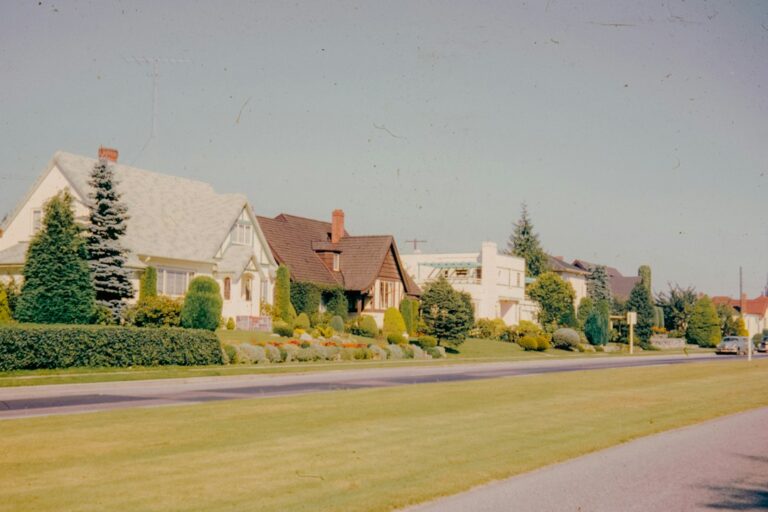 Divorce
Divorcing in North Long Beach? Who Gets the House, and What Taxes Follow
Divorcing in North Long Beach, CA? Learn how buyouts, Duke orders, Watts/Epstein credits, and capital gains tax rules affect splitting your house.
Read the guide → Divorce
Why a West Covina Divorce Sale Doesn’t Always Trigger a Tax Reassessment
A West Covina divorce buyout usually keeps the home's Prop 13 tax basis, but selling to a cash buyer does not. See how that affects your decision.
Read the guide → Divorce
Who Gets Credit for the Down Payment on an Agua Dulce Ranch in a Divorce
Learn how California Family Code Section 2640 reimburses a separate-property down payment on an Agua Dulce horse property when a marriage ends in divorce.
Read the guide →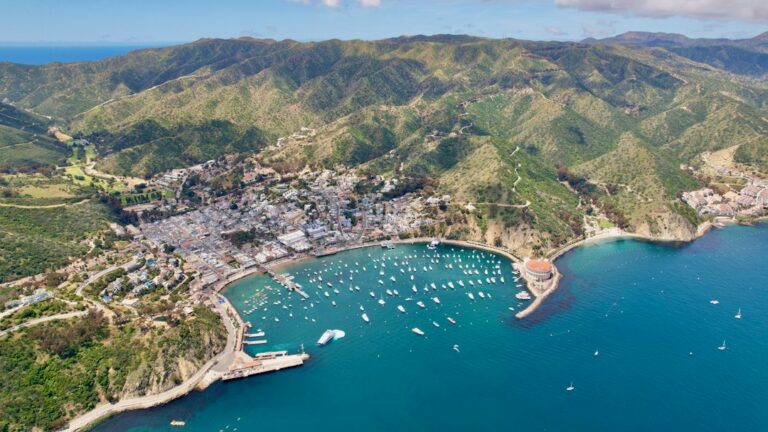 Divorce
Dividing a House in an Avalon, CA Catalina Divorce
Dividing an Avalon, CA home in divorce? See how California community property law, rental license limits, and island appraisals affect your split.
Read the guide → Divorce
Separate Property Reimbursement in a Monrovia Divorce
How Family Code 2640 and the Moore/Marsden formula decide what a spouse gets back before a Monrovia, CA home sells or one spouse buys the other out.
Read the guide → Divorce
How Community Property Division Works for a Whittier Home Sale
See how California law splits community versus separate property for a Whittier house sale during divorce, and what each spouse can claim back.
Read the guide → Divorce
How Community Property Division Plays Out for a Duarte, CA Home
How California's community property law divides a Duarte home in divorce, including Family Code 2640 reimbursement, Watts charges, and Epstein credits.
Read the guide →