
Sell a House in Foreclosure in Midway City, CA
- Foreclosure, inherited, tenants, damage — we buy it
- Zero fees, zero commissions, zero closing costs
- No obligation — turn the offer down and owe us nothing


There Is Still Time to Sell
A recorded notice of default does not mean the property is already lost. See how the California foreclosure timeline works and how fast we can close.
If a notice of default has been recorded on your Midway City property, the clock is running, but you generally still have time to sell before a trustee’s sale takes the decision out of your hands. Here is how the foreclosure timeline works in California and how a direct cash sale can fit into it.
How California’s Foreclosure Timeline Works
Most California foreclosures on owner-occupied property are non-judicial, meaning they proceed through a trustee under the deed of trust rather than through court. After a notice of default is recorded, state law requires a waiting period, generally at least 90 days, before a notice of trustee’s sale can be recorded.
Once the notice of trustee’s sale is recorded, another minimum period, generally at least 21 days, must pass before the sale can occur.
In practice, from a recorded notice of default to an actual trustee’s sale is commonly several months, which is real time to explore your options, including a sale, but it moves forward on its own schedule regardless of your plans.
Where Midway City Fits Into That Timeline
Foreclosure law here is governed by the state, not by the city of Westminster that surrounds Midway City’s unincorporated pockets, so the process runs identically to anywhere else in California.
What differs locally is how a sale resolves: because Midway City is unincorporated Orange County land, deeds record with the Orange County Clerk-Recorder in Santa Ana, and there is no Los Angeles-style 9A property report requirement to slow down a closing here, which matters when time is limited.
Why Selling Before the Trustee’s Sale Matters
A sale you control almost always produces a better outcome than a trustee’s sale. If the property sells before the trustee’s sale date, the loan is paid off from proceeds and, if there is equity beyond what is owed, you keep the difference.
If the property goes to a trustee’s sale instead, the lender or a third-party bidder takes the property at auction, and any equity you had can be lost in the process, since the winning bid at auction can be well below the home’s market value.
Selling on your own terms before that date is almost always the financially stronger path when there is equity in the property.
Why Speed Matters More on a Foreclosure Timeline
A traditional financed sale is a poor fit for a foreclosure timeline. Movoto’s data put Midway City’s median time on market at 87 days in June 2026, before a home even goes under contract, and a financed buyer typically needs another 30 to 45 days after that to close.
That is well beyond what a compressed foreclosure timeline usually allows.
A cash sale removes both of those delays: we typically respond with a written offer within 24 to 48 hours, and because there is no lender involved, a clear-title Midway City house can often record with the county in two to three weeks.
What We Need to Move Quickly
- The recorded notice of default or notice of trustee’s sale. This tells us exactly how much time is available.
- A current payoff amount from your lender. This confirms how much equity, if any, exists to work with.
- Basic details about the property’s condition. A general description is enough to start; we do not need repairs completed first.
With that information, we can typically put a written offer in front of you within 24 to 48 hours and move toward closing before the trustee’s sale date, coordinating directly with your lender or the trustee as needed to confirm figures and timing.
If There Is Little or No Equity
Not every foreclosure situation involves equity to protect. If what is owed is close to or exceeds the property’s value, a direct sale may not produce proceeds for you, though it can still stop the foreclosure from finalizing and its effect on your credit and future borrowing.
In some cases, a short sale, where the lender agrees to accept less than the full amount owed, may be a more relevant option than a standard sale; that arrangement is negotiated directly with your lender and is a separate process from what we offer.
A Tenant-Occupied Property in Foreclosure
If your Midway City property is a rental facing foreclosure, the tenant’s rights under the statewide Tenant Protection Act do not disappear during that process, and neither foreclosure nor a subsequent sale by itself ends a lease.
We can purchase the property with the tenancy in place, the same as any other tenant-occupied sale, which can simplify a situation that already has enough moving parts without also needing to resolve occupancy before closing.
Midway City’s Property Mix and Foreclosure
Midway City’s housing stock, a large share of original 1950s single-family homes plus two mobile home parks, means foreclosure situations here can involve either a standard real property foreclosure or, for a mobile home, a related but distinct process depending on whether the loan is secured by the home itself, the land, or both.
If your foreclosure involves a mobile home, tell us that upfront so we can evaluate the specific structure of the loan and the park’s requirements alongside the standard timeline.
How the Sale Actually Closes
Once you accept our offer, we open escrow immediately with a licensed Orange County title company, order a preliminary title report, and coordinate directly with your lender to confirm the payoff figure needed to release the loan at closing.
Because there is no financing contingency on our side, the main variable in how quickly we can close is how quickly title work and your lender’s payoff confirmation come together, not a buyer’s mortgage approval.
We work to close well ahead of any trustee’s sale date whenever the timeline allows it.
What Happens to Your Credit and Future Borrowing
A completed foreclosure stays on a credit report for years and can make qualifying for a future mortgage significantly harder.
Selling the property before a trustee’s sale, even without extracting much equity, generally avoids that specific mark on your credit history, since the loan is paid off through a normal sale rather than through a foreclosure process.
That distinction can matter as much as the immediate cash outcome if you plan to buy again in the future.
Reinstatement and Other Options Alongside a Sale
Depending on how far along the process is, some homeowners are able to reinstate the loan by paying the past-due amount plus fees, or negotiate a repayment plan or loan modification directly with their lender.
Those options depend on your specific financial situation and your lender’s willingness to work with you, and they are worth exploring in parallel with getting a cash offer, since having a written number in hand does not commit you to using it.
Comparing a sale against reinstatement or modification is a decision only you can make with full information about your finances.
Frequently Asked Questions
How much time do I actually have?
It depends on where you are in the process. A recorded notice of default generally means at least several months remain before a trustee’s sale; a recorded notice of trustee’s sale means significantly less time. Share your documents and we will tell you exactly where things stand.
Can you close before the trustee’s sale date?
Often, yes, particularly if you reach out as soon as a notice of default is recorded rather than waiting until closer to the trustee’s sale.
Do I need to repair anything before selling?
No. We buy the property in its current condition.
What if I already have a trustee’s sale date scheduled?
Contact us immediately. There may still be time to close before that date, but the window narrows the closer it gets.
Will selling stop the foreclosure permanently?
A completed sale pays off the loan and ends the foreclosure on that property, since the debt it was securing no longer exists once the loan is paid.
If you have a notice of default or a trustee’s sale date on a Midway City property, call or text 424-435-2326 right away or use the form above for a written, no-obligation offer.
Seller Guides
Helpful guides for homeowners in Midway City
Plain-English answers to the questions sellers ask us most.
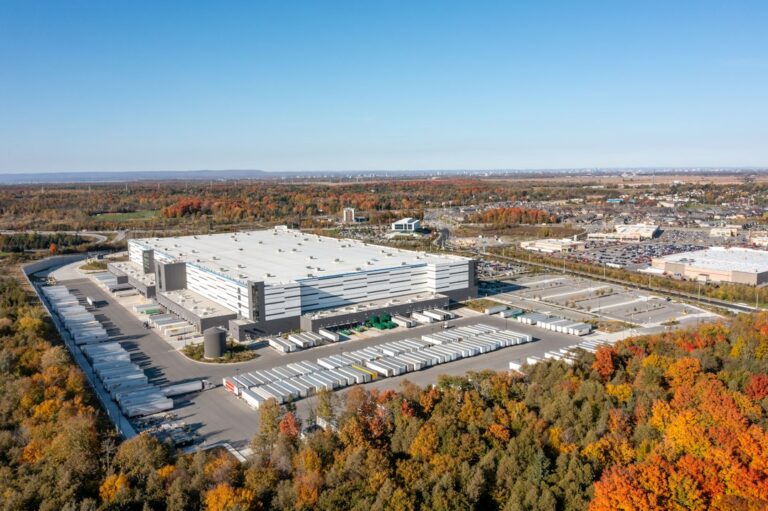 Relocating
Fontana’s Warehouse Boom: What It Means If You’re Relocating
Fontana grew from a wartime steel town into an Inland Empire logistics hub. See what that shift means for home values and selling if you are relocating.
Read the guide → Foreclosure & liens
The 90-Day Window That Can Block Your California Home Sale: Mechanics Liens
A mechanics lien can block your California home sale. Here's the 90-day deadline to record, foreclose, and clear it before escrow closes.
Read the guide → Foreclosure & liens
How an HOA Can Actually Foreclose on a California Home (and the Deadlines That Protect You)
California HOA liens aren't super-priority, but can foreclose in 75 days. See the delinquency, notice, and 90-day redemption rules that apply.
Read the guide → Foreclosure & liens
Is California a Judicial or Nonjudicial Foreclosure State?
California allows judicial foreclosure, but almost every lender chooses nonjudicial. Here's why, and what it means for deficiency and redemption rights.
Read the guide → Foreclosure & liens
Foreclosure Surplus Funds in California: The Money Left on the Table
California law entitles former owners to leftover funds after a foreclosure sale, but claiming them is slow and often targeted by recovery scams.
Read the guide → Foreclosure & liens
What Is a Notice of Default in California?
A Notice of Default starts California foreclosure. Learn the reinstatement deadline, the 3-month timeline, and your options before a sale date is set.
Read the guide → Foreclosure & liens
Short Sales in California: The Deficiency Protection Most Sellers Miss
California law usually waives your lender's right to sue for the difference after a short sale. Here's how that deficiency protection works.
Read the guide → Foreclosure & liens
Selling a House With a Reverse Mortgage in California
You can sell a house with a reverse mortgage in California, but heirs face a tight HUD deadline and a fast, non-judicial…
Read the guide → Foreclosure & liens
Deed in Lieu of Foreclosure in California: The Real Rules
A deed in lieu can stop foreclosure, but deficiency protection isn't automatic in California. See exactly what to negotiate before you sign anything.
Read the guide →