
Selling a House With a Reverse Mortgage in California
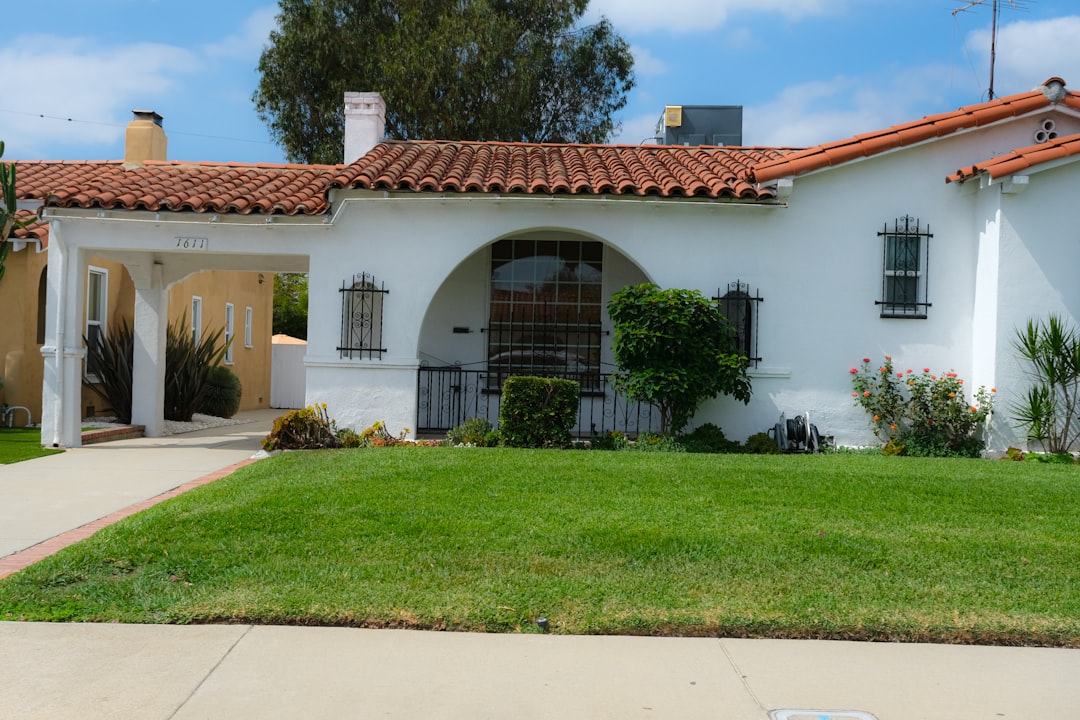
You can sell a California house that has a reverse mortgage on it. The loan is paid off from the sale proceeds at closing, just like a regular mortgage. What makes reverse mortgages different is how the balance grows over time, the federal rules that protect borrowers and heirs when the house is worth less than the loan, and the deadlines that start once the loan becomes due. This guide covers both situations: selling while the borrower is still living, and selling after the borrower has died.
A Quick Refresher on How a HECM Works
Most reverse mortgages in California are Home Equity Conversion Mortgages (HECMs), insured by the Federal Housing Administration (FHA). Borrowers must be at least 62. Instead of making monthly payments, the borrower receives money from the loan, and interest and mortgage insurance are added to the balance each month. That’s why a reverse mortgage balance usually goes up over time instead of down.
The loan generally becomes due when the last borrower dies, sells the house, or moves out permanently. It can also become due if the borrower stops paying property taxes or homeowners insurance or lets the house fall into serious disrepair. Living somewhere else, such as a care facility, for more than 12 months in a row for health reasons generally counts as moving out.
Two protections matter most when it’s time to sell:
- Non-recourse. Neither the borrower nor the heirs have to repay more than the house is worth. If the balance is higher than the home’s value, FHA insurance covers the difference for the lender.
- The 95% rule. When the loan is due, heirs who want to keep the house can pay the lesser of the full loan balance or 95% of the home’s current appraised value. And if the home is sold for at least 95% of its appraised value, the lender accepts the sale proceeds as payment in full even when the balance is higher.
Selling While the Borrower Is Alive
If you have a HECM and want to sell, you can list or sell to a cash buyer at any time. There’s no prepayment penalty on a HECM.
- Request a payoff statement from your loan servicer. Interest keeps adding to the balance daily, so get an updated figure close to closing.
- Get a realistic value from comparable sales or an appraisal.
- Open escrow. Escrow orders the final payoff and sends it to the servicer at closing.
- Whatever is left after paying the loan, liens and selling costs goes to you.
If you’ve had the loan for many years, the balance may be closer to the home’s value than you expect. Get the payoff number before you commit to a moving plan. If the home is worth less than the balance, the non-recourse rule means you won’t owe the shortfall, but the servicer will want an appraisal and will review the sale.
Selling After the Borrower Dies
When the last borrower passes away, the servicer will be notified and the loan becomes due and payable. Here’s how the timeline typically works under HUD’s rules:
| Stage | Typical timing |
|---|---|
| Respond to the servicer’s due-and-payable notice | About 30 days to tell the servicer what you plan to do (sell, pay off, or turn the house over) |
| Sell or pay off the loan | Generally up to about 6 months from the due-and-payable notice |
| Extensions | Up to two additional 90-day extensions, if you can show you’re actively selling or refinancing |
Extensions aren’t automatic. Servicers usually want a listing agreement, a purchase contract, or proof of refinancing efforts. Keep everything in writing, and keep paying property taxes and insurance while you work on the sale, since unpaid taxes or a lapse in insurance creates new problems.
If the home may be worth less than the balance, the servicer will order an appraisal, and that value sets the 95% figure. If you believe it’s off, ask the servicer how to raise the issue before you price the house, because a low or high number changes what a buyer has to pay to satisfy the loan.
If you don’t want the house and there’s no equity, you can also offer the servicer a deed in lieu of foreclosure instead of selling. That hands the house to the lender and avoids a foreclosure.
If there’s a surviving spouse
An eligible non-borrowing spouse, generally someone who was married to the borrower when the loan closed and named in the loan documents, may be able to stay in the home after the borrower dies, as long as certain conditions keep being met. If that applies to your family, contact the servicer quickly, because there are paperwork deadlines.
Why Timing Matters More in California
California mostly uses non-judicial foreclosure. If the deadlines pass without a sale, payoff or approved extension, the servicer can move toward a trustee’s sale under California Civil Code §2924 without a court case first. That process moves faster than foreclosure in states that require a judge. Staying in contact with the servicer and documenting your progress is the best protection.
When Probate Is Involved
If the house wasn’t in a living trust and the borrower owned it alone, someone may need court authority before they can sign a sale. California probate often takes months, and sometimes more than a year, which can clash with the reverse mortgage timeline. Tell the servicer probate is pending, ask about extensions, and get answers in writing. If the house was in a trust, the successor trustee can usually sell without court involvement. Our guide for successor trustees selling a house in California walks through that process.
Two Simple Examples
These are made-up numbers to show how the rules work.
| Home has equity | Home is underwater | |
|---|---|---|
| Appraised value | $700,000 | $500,000 |
| Reverse mortgage balance | $420,000 | $560,000 |
| What it takes to satisfy the loan | Full balance: $420,000 | A sale of at least $475,000 (95% of value) |
| What heirs keep | Sale price minus $420,000 and selling costs | Nothing, but they owe nothing either |
In the first example, the heirs keep the equity, minus selling costs. In the second, they can sell for 95% of appraised value and walk away without owing the shortfall. Inherited property also generally gets a stepped-up tax basis, which can reduce capital gains tax on a sale. Our article on stepped-up basis on inherited California property explains how that works. A CPA can confirm the numbers for your situation.
When a Fast Cash Sale Makes Sense, and When It Doesn’t
A cash sale can be the right fit when the HUD deadline is close, the house needs work that a lender-backed buyer won’t accept, heirs live out of state, or the family simply can’t manage a listing. Cash buyers don’t need appraisals for loan approval or long financing contingencies, which helps when a servicer is watching the calendar.
But if there’s significant equity, the servicer has granted time, and the house is in decent shape, listing it will usually bring more money. Don’t sell for less than you need to just because the words “due and payable” sound scary.
Common Questions
Do heirs have to pay back a reverse mortgage out of their own money?
No. The loan is paid from the house. Under the non-recourse rule, heirs aren’t personally responsible for any amount above the home’s value.
Can we keep the house?
Yes, by paying off the loan, often with a new mortgage. You’d pay the lesser of the loan balance or 95% of the current appraised value.
What if we miss the deadlines?
The servicer can start foreclosure. Talk to the servicer as early as possible, document your efforts to sell, and ask for extensions in writing.
Talk to Us About a Cash Offer
If you’re dealing with a reverse mortgage payoff and need a clear plan, Cash Home Buyers CA can help. We either buy directly or bring a vetted cash buyer, and we can work around a servicer’s deadline and coordinate with your probate attorney or trustee. Call us at (424) 435-2326 or request a no-obligation offer online.