
Sell a House in Foreclosure in Vincent, CA
- Foreclosure, inherited, tenants, damage — we buy it
- Zero fees, zero commissions, zero closing costs
- No obligation — turn the offer down and owe us nothing


From Notice of Default to a Closed Sale
How a direct sale can preserve equity and outrun a Vincent foreclosure timeline.
If a lender has recorded a Notice of Default on your Vincent house, the clock is running, and how much of it is left often determines what options are still realistic. Cash Home Buyers CA buys houses in foreclosure here, on either side of Arrow Highway, and moves at whatever pace the timeline requires.
California’s Foreclosure Timeline, in Brief
After a Notice of Default records, California law generally requires a minimum 90-day period before a Notice of Trustee’s Sale can be recorded, and then at least 21 days’ notice before the actual trustee’s sale.
In practice that can put the total timeline from Notice of Default to auction at roughly four months or longer, though it varies by lender and whether any extensions or loss-mitigation reviews are in progress.
The specific dates on your notice matter more than the general rule, since a missed step or a loan modification review can shift things.
Why Selling Before the Trustee’s Sale Often Preserves Equity
Once a house goes to a trustee’s sale, any equity above what’s owed doesn’t automatically come back to the former owner in the way a private sale would return it, and the process moves outside your control. Selling before that date — even close to it — lets you capture equity directly and settle the loan through escrow rather than losing that flexibility at auction.
Why a Direct Sale Fits a Foreclosure Timeline
- No financing contingency. A buyer relying on a mortgage adds weeks of underwriting that a foreclosure timeline often doesn’t allow. We buy with our own funds.
- Fast written offer. We typically respond within 24 to 48 hours of reviewing the property, so you know where you stand quickly.
- No repairs required. Deferred maintenance — common on Vincent’s older, original-condition housing stock — doesn’t need to be addressed before we make an offer.
- Coordination with your lender. We can work alongside your loan servicer and the title company to confirm the payoff amount and any reinstatement figures as part of closing.
What We Need From You
A copy of the Notice of Default or Notice of Trustee’s Sale, your loan servicer’s contact information, and an approximate payoff balance if you have it. We handle verifying the exact figures through escrow and your lender directly. The sooner we know the actual dates on your notice, the more clearly we can map a closing date against them.
Closing Speed for a Foreclosure Sale
Since Vincent is unincorporated, there’s no city report required before closing — only standard county and state disclosures, plus a county permit check where relevant. A house with clear payoff figures and no other complications can close in as little as two to three weeks, which is often fast enough to close before a scheduled trustee’s sale if we’re engaged with enough lead time.
If the Timeline Is Already Very Tight
Call as soon as you can. Even a short window before a scheduled sale date is sometimes enough to get a written offer, confirm payoff figures with your servicer, and open an expedited escrow. There’s no fee to ask, and no obligation to move forward once you see the number.
The Same Process on Either Side of Arrow Highway
Vincent’s mailing addresses split at Arrow Highway — Covina (91722) to the south, Azusa (91702) to the north — but Vincent itself is unincorporated Los Angeles County, and it only became its own census-designated place in 1990 after decades known as East Irwindale.
Foreclosure notices, recording, and county permit checks all run through the same county process no matter which mailing address is on the notice, which means there’s no extra step to navigate depending on which side of the highway the property sits.
A House That’s Been in the Family a Long Time
Vincent’s roughly 77 percent owner-occupancy rate reflects a lot of long-term ownership, and a foreclosure on a house that’s been in the same family for years sometimes comes with deferred maintenance, an unpermitted addition, or original systems that were never updated.
None of that changes how quickly we can move — we account for the property’s actual condition in the offer rather than asking for anything to be fixed before we can close.
Frequently Asked Questions
How much time do I actually have?
It depends on the dates on your specific notice. California generally requires at least 90 days from Notice of Default to Notice of Trustee’s Sale, then at least 21 days’ further notice, but review your documents for the exact dates that apply to your loan.
Can you close before the trustee’s sale date?
Often yes, if there’s enough lead time to confirm payoff figures and complete escrow — as little as two to three weeks in straightforward cases.
Do I need to catch up on payments first?
No. We work with the actual payoff balance through escrow rather than requiring reinstatement first.
Will the condition of the house be a problem?
No. We buy as-is and factor deferred maintenance into the offer.
Is there any cost to get an offer?
No. Requesting a written offer is free and creates no obligation.
What if the trustee’s sale date has already passed?
Call us anyway — depending on your specific situation there may still be options worth a conversation.
Loan Modification and Other Options Worth Knowing About
Selling isn’t the only path once a Notice of Default records.
A loan modification, forbearance, reinstatement, or short sale may also be available depending on your lender and where you are in the timeline, and a HUD-approved housing counselor or an attorney can walk through those options with you at no cost.
We’re not in a position to advise on which of those fits your situation, but if you’ve explored them and a sale makes the most sense, we can move quickly once you’re ready.
If You’re Behind on More Than the Mortgage
Financial pressure severe enough to trigger foreclosure often means other bills are behind too — property taxes, HOA dues if applicable, or utilities. Mention those when you call; unpaid property taxes in particular show up in the title search and get resolved through escrow at closing, so it’s better for us to know upfront than to discover it midway through the process.
Why We Move Fast, Not Just Fast-Talk
A foreclosure timeline doesn’t leave room for a slow-moving buyer, and we structure our own process to match — prioritizing a same-week walkthrough where possible, turning around a written offer within 24 to 48 hours, and pushing title and escrow to move as quickly as the specific property allows.
That doesn’t mean cutting corners on the title work; it means not adding delay on our end to a timeline that’s already tight because of the notice you’re working against.
Second Mortgages, HELOCs, and Liens
A foreclosure situation sometimes involves more than one lien on the property — a second mortgage, a home equity line, a judgment, or a tax lien in addition to the primary loan in default.
Escrow identifies every recorded lien during the title search and pays them off in order of priority from sale proceeds at closing, which is part of why getting an early start matters: the more lead time we have, the more cleanly multiple liens can be resolved before a scheduled sale date.
Keeping the House Insured and Safe Until Closing
Between now and closing, keep the property insured and take reasonable steps to secure it, especially if it’s vacant — a lapsed policy or an unsecured house adds risk on top of the financial pressure you’re already managing. If maintaining insurance has become difficult, mention it; a faster closing timeline is itself one way to shorten the window that risk needs to be managed.
Working Directly With Your Loan Servicer
Once you give us the go-ahead, we can request payoff figures and reinstatement amounts directly from your servicer as part of opening escrow, so you’re not the only one managing that communication during an already stressful period. Title and escrow confirm the final numbers, and the payoff is settled directly out of sale proceeds at closing.
What Happens If the House Sits Vacant During This
A vacant house awaiting foreclosure carries risks beyond the missed payments — deferred maintenance accelerates, insurance can get harder to maintain on a vacant property, and code issues can arise without anyone present to catch them. If the Vincent house in question has been sitting empty, that’s worth mentioning when you call, since it can affect both the offer and how quickly we’re able to move through escrow.
If you’re facing foreclosure on a house in Vincent, call or text (424) 435-2326 now for a written offer from Cash Home Buyers CA.
Seller Guides
Helpful guides for homeowners in Vincent
Plain-English answers to the questions sellers ask us most.
 Relocating
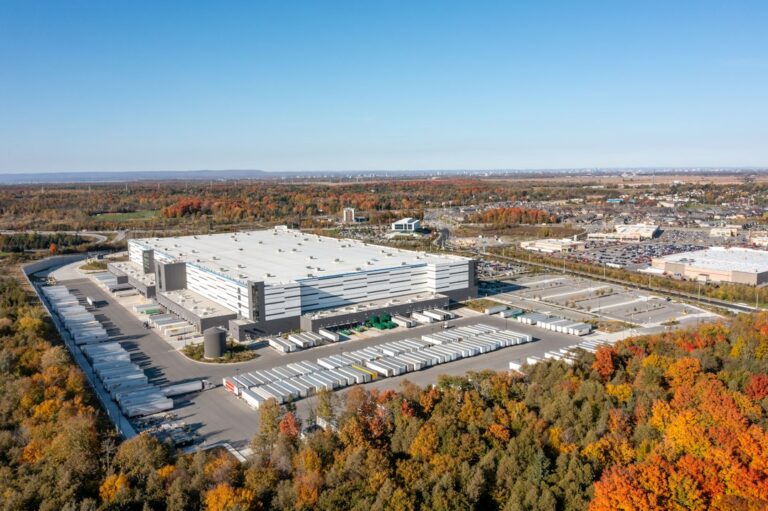
Fontana’s Warehouse Boom: What It Means If You’re Relocating
Fontana grew from a wartime steel town into an Inland Empire logistics hub. See what that shift means for home values and selling if you are relocating.
Read the guide → Foreclosure & liens
The 90-Day Window That Can Block Your California Home Sale: Mechanics Liens
A mechanics lien can block your California home sale. Here's the 90-day deadline to record, foreclose, and clear it before escrow closes.
Read the guide → Foreclosure & liens
How an HOA Can Actually Foreclose on a California Home (and the Deadlines That Protect You)
California HOA liens aren't super-priority, but can foreclose in 75 days. See the delinquency, notice, and 90-day redemption rules that apply.
Read the guide → Foreclosure & liens
Lakewood’s Contract-City Status Won’t Delay Foreclosure
Lakewood's contract-city government doesn't change foreclosure deadlines. See how Civil Code §2924 and new 2025 AB 2424 postponement rules actually work.
Read the guide → Foreclosure & liens
How AB 2424’s New Postponement Rules Can Delay a Norwalk, CA Foreclosure Sale
AB 2424 lets a Norwalk, CA homeowner in default delay a trustee's sale up to 90 days with a listing and purchase agreement. Here's how the deadlines work.
Read the guide → Foreclosure & liens
What AB 2424 Actually Changed About Foreclosure Notices in Pico Rivera, CA
AB 2424 added a notice right in 2025, but the 90-day foreclosure clock didn't change. Here's the real timeline for a Pico Rivera, CA homeowner.
Read the guide → Foreclosure & liens
From Notice of Default to Auction: The Foreclosure Clock on an Acton, CA Property
How long does foreclosure take in Acton, CA? Civil Code 2924c gives a 90-day reinstatement period; 2924f sets the Notice of Sale rules before auction.
Read the guide → Foreclosure & liens
The Notice of Default Clock in Alhambra, CA
See the real foreclosure timeline for Alhambra, CA homeowners: Notice of Default, Notice of Sale, trustee auction, and ways to stop the clock legally.
Read the guide → Foreclosure & liens
The Foreclosure Timeline for a Montebello, CA Homeowner
How California's Notice of Default, Notice of Sale, and reinstatement deadlines actually play out for a Montebello home — and when selling beats waiting.
Read the guide →