
Stop Foreclosure in Mission Hills, CA
- Foreclosure, inherited, tenants, damage — we buy it
- Zero fees, zero commissions, zero closing costs
- No obligation — turn the offer down and owe us nothing


There Is Still Time to Sell Before the Auction
We buy Mission Hills houses at every stage of foreclosure and can close before your scheduled sale date.
Once a lender records a Notice of Default against a Mission Hills property, there is a real clock running, and it is faster than most homeowners expect.
California’s nonjudicial foreclosure process moves without a courtroom, and understanding the actual timeline is what determines whether you have weeks or months left to act.
Cash Home Buyers CA has closed on Los Angeles County properties at every stage of that process, from a homeowner a few weeks behind on payments to one with a trustee’s sale date already set.
The Statutory Timeline, Step by Step
After a Notice of Default is recorded with the county, California law requires the lender to wait at least three months before recording a Notice of Trustee’s Sale.
Once that Notice of Trustee’s Sale is recorded, the actual auction cannot happen for at least 21 days, and the sale date and location get published in a local paper and posted on the property.
For a Los Angeles County property, trustee sales are typically conducted at the courthouse steps or through an online auction platform, depending on the trustee handling the sale.
Add the three-month waiting period to the 21-day notice period and a foreclosure can move from Notice of Default to an actual auction in as little as roughly four months, though many take longer if the lender delays or the homeowner requests a postponement.
A trustee’s sale can also be postponed, sometimes more than once, which extends the practical timeline further but should never be counted on as a substitute for having an actual plan in place.
Your Right to Reinstate, Right Up Until the Sale
California’s Homeowner Bill of Rights gives a borrower the right to reinstate the loan, paying the missed payments plus fees and bringing the loan current, up until five business days before the scheduled trustee’s sale.
After that point, the only way to stop the sale is to pay off the loan in full, which is usually where a cash sale becomes the realistic option rather than reinstatement.
Selling before that five-business-day cutoff avoids both problems: no lump-sum reinstatement payment to find, and no risk of missing the exact deadline by a day.
Homeowners are also entitled to a single point of contact at the servicer once a foreclosure has started, along with written confirmation of the exact reinstatement or payoff amount on request, which is worth requesting in writing as soon as a Notice of Default arrives so there is no ambiguity about the numbers later.
Why Selling Beats Waiting for the Auction
- An auction sale does not pay you anything extra. If the property sells at the trustee’s sale for more than what is owed, the surplus generally goes through a claims process rather than straight to the former owner, and that process can take months.
- Credit damage compounds the longer it runs. A completed foreclosure is a heavier mark than a late-stage sale that closes before the auction date.
- A financed buyer is usually too slow. A standard purchase agreement carries a 17-day contingency period plus weeks of underwriting, timing that rarely fits inside a foreclosure clock measured in weeks.
- A cash sale can close in 7 to 14 days. We write an offer within 24 to 48 hours of hearing about the property and can move fast enough to close before a scheduled sale date in most cases.
- You keep control of the process. Selling on your own terms means you choose the buyer and the closing date, rather than having a trustee’s sale outcome decided by whoever shows up to bid.
How This Plays Out for a Mission Hills House
Movoto’s August 2026 figures put the Mission Hills median sale price at $787,000, but that number reflects a healthy retail sale, not a distressed one on a foreclosure clock.
Older houses near San Fernando Mission Boulevard or Woodman Avenue, especially ones carrying deferred maintenance on top of missed payments, are exactly the properties where a foreclosure clock and a slow retail market collide worst; with only about 23 sales a month across the whole neighborhood, waiting for the right retail buyer to show up before the trustee’s sale date is a real risk.
A cash offer built around the property’s actual condition, rather than a repaired retail value, lets you sell on a schedule that fits the foreclosure timeline instead of the other way around.
Mission Hills Factors That Affect a Distressed Sale
Mission Hills sits within zip code 91345, bordered by Granada Hills, Sylmar, San Fernando, Pacoima, Arleta, and Panorama City, with the Ronald Reagan Freeway, SR-118, running through the middle of the neighborhood.
Most of the single-family housing was built between the 1940s and the 1970s along streets like Woodman Avenue, Brand Boulevard, and Devonshire Street, and a house in foreclosure has often gone without maintenance for a while before the missed payments started, which compounds the appraisal and inspection problems a financed buyer’s lender would otherwise raise.
If the property is a rental with a tenant in place, we buy it that way too, and confirm Rent Stabilization Ordinance status with the city during escrow rather than requiring an eviction before closing.
The 2010 census put median household income in Mission Hills at $62,426, and the 2022 population estimate was 22,180, figures that describe a stable, long-tenured community where a foreclosure is more often tied to a specific hardship, a job loss, a medical bill, an interest rate reset, than to speculative overleveraging.
That context does not change the statutory timeline, but it does mean most of the Mission Hills sellers we talk to in this situation are trying to preserve equity and avoid a completed foreclosure on their credit, not walk away from a property they never intended to keep.
What We Handle Once You Decide to Sell
We coordinate directly with the servicer or trustee to confirm the current payoff amount and the exact sale date, so escrow can pay off the loan and any recorded liens at closing rather than leaving you to guess at the numbers.
We still order the 9A Report of Residential Property Records and the required retrofit certifications, and deeds record with the Los Angeles County Registrar-Recorder in Norwalk once title clears. Because there is no financing contingency, we can move as fast as the payoff demand and the trustee’s calendar allow.
If there is equity left over once the loan, liens, and closing costs are paid, that difference comes to you at closing rather than sitting in a post-auction surplus claims process that can otherwise take months to resolve.
Frequently Asked Questions
How long do I have between a Notice of Default and the auction?
At least three months before a Notice of Trustee’s Sale can be recorded, then at least 21 more days before the sale itself, so roughly four months at the minimum.
Can I still sell after a Notice of Trustee’s Sale is recorded?
Yes, right up until the sale date itself, as long as escrow can close and pay off the loan before the auction.
What’s the difference between reinstating and selling?
Reinstating means paying the missed payments and fees to bring the loan current; selling pays off the loan entirely through escrow and ends your obligation on the property.
Do I need to repair anything before you’ll buy a house in foreclosure?
No. We buy the property in its current condition and factor any repairs into the offer.
How fast can you actually close before a scheduled sale date?
Often 7 to 14 days once payoff figures are confirmed, though the exact timeline depends on how close the sale date already is.
Will you buy a Mission Hills rental that’s also in foreclosure?
Yes. We buy occupied properties in foreclosure the same way we buy vacant ones, factoring the tenancy into the offer.
For the same statutory timeline across the rest of the city, see our page on stopping foreclosure in Los Angeles. To get a written offer before your sale date, call or text 424-435-2326.
Seller Guides
Helpful guides for homeowners in Mission Hills
Plain-English answers to the questions sellers ask us most.
 Relocating
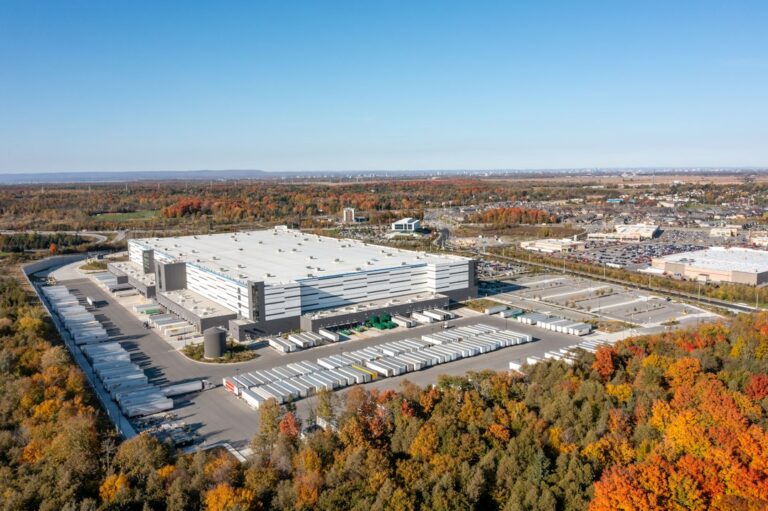
Fontana’s Warehouse Boom: What It Means If You’re Relocating
Fontana grew from a wartime steel town into an Inland Empire logistics hub. See what that shift means for home values and selling if you are relocating.
Read the guide → Foreclosure & liens
The 90-Day Window That Can Block Your California Home Sale: Mechanics Liens
A mechanics lien can block your California home sale. Here's the 90-day deadline to record, foreclose, and clear it before escrow closes.
Read the guide → Foreclosure & liens
How an HOA Can Actually Foreclose on a California Home (and the Deadlines That Protect You)
California HOA liens aren't super-priority, but can foreclose in 75 days. See the delinquency, notice, and 90-day redemption rules that apply.
Read the guide → Foreclosure & liens
Lakewood’s Contract-City Status Won’t Delay Foreclosure
Lakewood's contract-city government doesn't change foreclosure deadlines. See how Civil Code §2924 and new 2025 AB 2424 postponement rules actually work.
Read the guide → Foreclosure & liens
How AB 2424’s New Postponement Rules Can Delay a Norwalk, CA Foreclosure Sale
AB 2424 lets a Norwalk, CA homeowner in default delay a trustee's sale up to 90 days with a listing and purchase agreement. Here's how the deadlines work.
Read the guide → Foreclosure & liens
What AB 2424 Actually Changed About Foreclosure Notices in Pico Rivera, CA
AB 2424 added a notice right in 2025, but the 90-day foreclosure clock didn't change. Here's the real timeline for a Pico Rivera, CA homeowner.
Read the guide → Foreclosure & liens
From Notice of Default to Auction: The Foreclosure Clock on an Acton, CA Property
How long does foreclosure take in Acton, CA? Civil Code 2924c gives a 90-day reinstatement period; 2924f sets the Notice of Sale rules before auction.
Read the guide → Foreclosure & liens
The Notice of Default Clock in Alhambra, CA
See the real foreclosure timeline for Alhambra, CA homeowners: Notice of Default, Notice of Sale, trustee auction, and ways to stop the clock legally.
Read the guide → Foreclosure & liens
The Foreclosure Timeline for a Montebello, CA Homeowner
How California's Notice of Default, Notice of Sale, and reinstatement deadlines actually play out for a Montebello home — and when selling beats waiting.
Read the guide →