
Selling a House in Probate in West Hollywood
- Foreclosure, inherited, tenants, damage — we buy it
- Zero fees, zero commissions, zero closing costs
- No obligation — turn the offer down and owe us nothing


A Courtyard Building Near the Norma Triangle, Held for Decades, Now Needs a Decision
Long-held West Hollywood property often carries decades of below-market rent, an assessed value from another era, and sometimes a historic designation nobody in the family knew about. We buy probate property here as-is.
West Hollywood real estate that ends up in probate has frequently been in the same family since long before the city itself incorporated in 1984 — a small courtyard building, a duplex, or a Spanish-style house tucked into an enclave like the Norma Triangle. Cash Home Buyers CA buys inherited West Hollywood property as-is, on the timeline the estate needs.
Where a West Hollywood Probate Case Is Filed
West Hollywood sits in Los Angeles County, so a probate case for property here is filed in Los Angeles County Superior Court, typically at the Stanley Mosk Courthouse, 111 N. Hill St. in downtown Los Angeles.
The court issues Letters Testamentary or Letters of Administration naming an executor or administrator, and most California estates proceed under the Independent Administration of Estates Act, which lets an executor with full authority sell real property without a separate court confirmation hearing, after giving the required notice.
An Older Courtyard Building May Carry Historic Status You Didn’t Know About
West Hollywood runs an active historic preservation program and participates in the state’s Mills Act, which reduces property tax on designated historic buildings in exchange for maintaining their historic character.
A 1920s or 1930s Spanish or Mediterranean-style courtyard building, particularly in a well-preserved enclave like the Norma Triangle, can turn out to be a designated local landmark or a contributor to a historic district, sometimes under an existing Mills Act contract the family never mentioned.
That designation, and any Mills Act contract, transfer with the property and can restrict what a future owner is allowed to do with it — worth confirming with the city’s preservation staff before listing or planning any renovation.
Insuring and Securing a Vacant Estate Property
An older building sitting vacant during probate raises its own issues — standard homeowner policies often exclude or limit coverage on a vacant property, and an empty courtyard building can be a target for break-ins or squatting if no one is checking on it regularly. Executors juggling probate paperwork rarely have the bandwidth to also manage an empty property for months.
If Tenants Are Still in Place
Many long-held West Hollywood buildings are still collecting rent from tenants who moved in years or decades ago, and if the building was constructed before July 1, 1979, those tenancies stay covered by the city’s rent stabilization ordinance, WHMC Title 17, straight through probate.
The registration and compliance duties that came with the building pass to the estate along with everything else, and the executor steps into the landlord role until the property changes hands.
Selling During Probate
Once Letters are issued and the estate’s authority to sell is confirmed, a sale can move forward — you don’t need to wait for the entire estate to close first.
Multiple heirs are common on a property that’s been held for generations, and disagreements about repairs or timeline tend to cost the estate real money every month in property tax, insurance, and upkeep.
A direct cash sale, with proceeds distributed through escrow per the estate’s instructions, gives heirs a way to convert the property into cash without any one of them having to manage repairs or showings on the group’s behalf.
Frequently Asked Questions
Can I sell before probate is fully finished?
Yes, once Letters Testamentary or Letters of Administration are issued and you have authority to sell, you don’t need to wait for the entire estate to close.
Do I need court confirmation to sell?
It depends on whether the estate has full or limited authority under the Independent Administration of Estates Act; your probate attorney can confirm which applies.
What if the building has a Mills Act contract or a historic designation?
That transfers with the property and can affect what a buyer may do with it; we factor it into our offer rather than treating it as a problem to solve first.
What if tenants are still living there?
The tenancy and any Title 17 obligations continue during probate and transfer to the new owner at closing; you don’t need to remove anyone first.
What if there are multiple heirs who disagree?
We can work directly with the executor or administrator, who holds legal authority to act for the estate, and escrow can distribute proceeds according to the estate’s instructions.
Nothing here is legal advice; consult a licensed California probate attorney about your specific estate, authority to sell, and any historic-designation questions.
Send us the address and we’ll tell you what the inherited property is worth.
Seller Guides
Helpful guides for homeowners in West Hollywood
Plain-English answers to the questions sellers ask us most.
- Selling for cash
Berkeley’s 1.5% to 2.5% Transfer Tax, and What Changes When Measure W Takes Effect in 2027
Berkeley charges its own 1.5% to 2.5% transfer tax on top of Alameda County's -- and the rate structure is about to…
Read the guide →  Inherited homes & probate
Selling an Inherited House Without a Court Hearing: How the 15-Day Notice Works in California Probate
California executors with full IAEA authority can sell estate property on 15 days notice, no court hearing required. Here is how it works.
Read the guide → Inherited homes & probate
Understanding California’s Probate Overbid Process
A signed probate offer in California isn't final until confirmed. Here's the statutory overbid formula and how it can beat your accepted price.
Read the guide →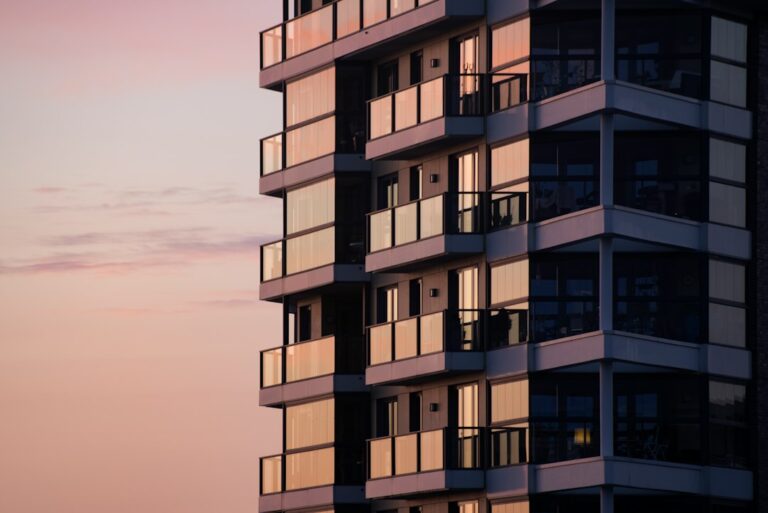 Selling for cash
West Hollywood’s Rent Stabilization Ordinance: What a Seller With Tenants Must Clear First
West Hollywood's rent stabilization law sets strict just-cause rules and relocation fees before you can sell a tenant-occupied rental unit here.
Read the guide → Inherited homes & probate
Partition Actions Between Heirs: How California Law Forces a House Sale
California heirs can force a house sale through a partition action under CCP 872-874, with court referees, confirmation hearings, and buyout rights.
Read the guide →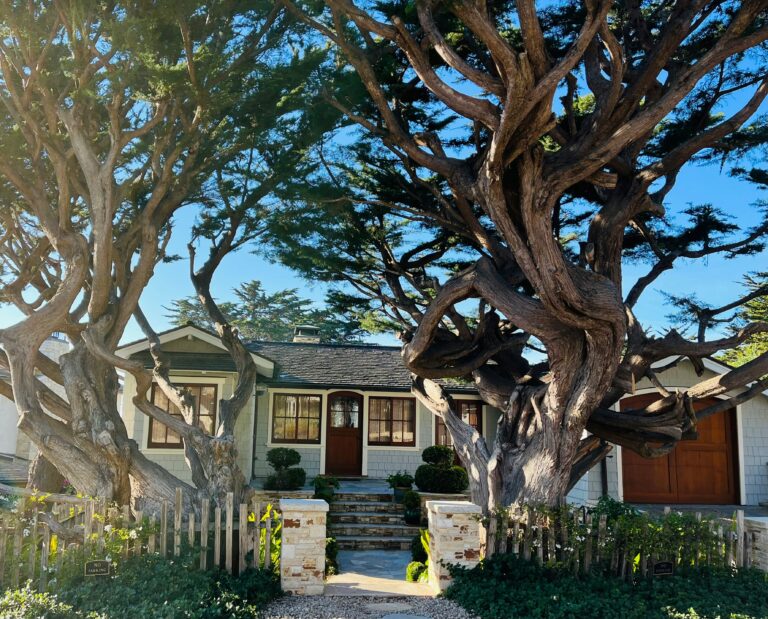 Inherited homes & probate
South Pasadena’s Historic-Home Review Before a Sale
If you inherited a historic South Pasadena home, Ordinance 2315 can trigger Cultural Heritage Commission review before you alter or sell it. Here is how.
Read the guide →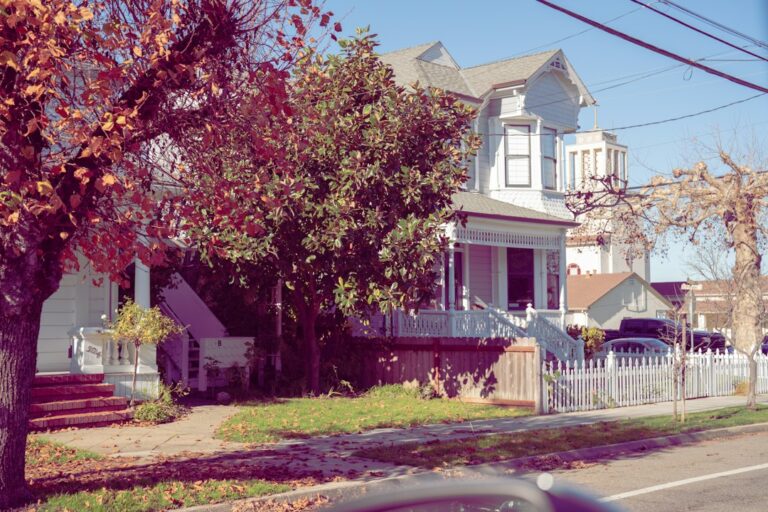 Inherited homes & probate
Medi-Cal Estate Recovery and the Family House: Who Owes, Who Is Protected and the Deadlines
Since 2017, Medi-Cal estate recovery reaches a house only if it passes through probate. See who is exempt, the 90-day notice and the 60-day waiver window.
Read the guide →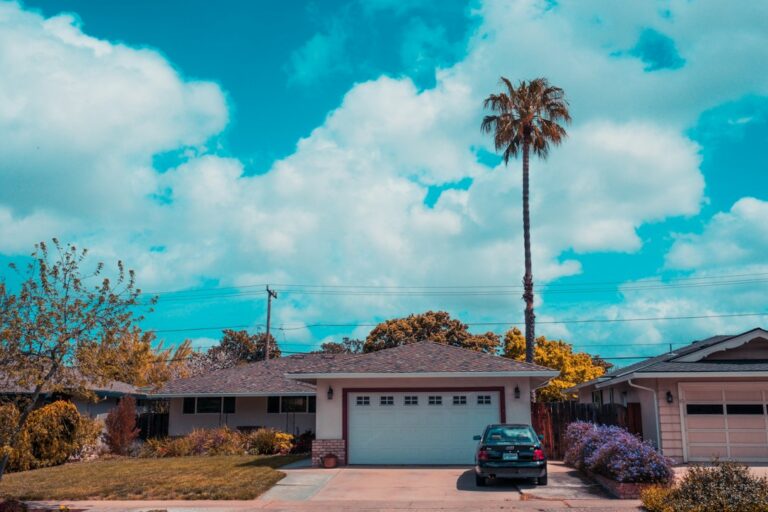 Inherited homes & probate
How AB 2016 Changed the Probate Math for an Alondra Park Inheritance
AB 2016 raised the probate threshold to $750,000 for a primary home. See how it affects an inherited Alondra Park house and when full probate applies.
Read the guide → Inherited homes & probate
What Probate Looks Like for an Inherited House in South San Gabriel, CA
AB 2016's $750,000 threshold, the $208,850 small-estate figure, and why South San Gabriel's unincorporated status changes who an heir deals with.
Read the guide →