
Sell an Inherited House in Colton, CA
- Foreclosure, inherited, tenants, damage — we buy it
- Zero fees, zero commissions, zero closing costs
- No obligation — turn the offer down and owe us nothing


Fast, Fair, and Reliable Offers
Get a written cash offer for an inherited Colton property, whether it is in probate, held in a living trust or already in your name.
How to Sell an Inherited House in Colton, Step by Step
Inheriting a home usually arrives at a hard time. There is grief, a house full of belongings, bills that keep coming and often several relatives who each have an opinion about what to do next.
If you need to sell an inherited house in Colton, the path depends mostly on how the property was held when the owner passed away and who has legal authority to sign.
This page walks through the common routes, the California rules that often apply and how a cash sale can fit around the legal process.
Many inherited Colton homes are older houses that have been in a family for decades, some near downtown and on the streets around La Cadena Drive and Mount Vernon Avenue, others in South Colton or on larger lots off Reche Canyon Road.
They often come with dated kitchens and baths, original systems, years of stored belongings and sometimes additions whose permit history nobody can confirm. None of that has to be fixed before an estate sells the property.
First Question: Probate, Trust or Already Transferred?
The first thing an attorney will usually ask is how title was held. The answer points to one of three general paths.
Property held in a living trust
If the home was placed in a revocable living trust, the successor trustee named in the trust document can typically sell it without going through probate court. The trustee signs on behalf of the trust, and escrow will ask for a copy of the trust or a certification of trust along with the death certificate. A trust sale is often the fastest route for an inherited property.
Property that must go through probate
If the home was in the deceased owner’s name alone with no trust, and no other transfer method applies, it generally goes through probate in the Superior Court for San Bernardino County. The court appoints an executor or administrator who gains authority to sell.
Many personal representatives receive authority under the Independent Administration of Estates Act, which can allow a sale with less court involvement, often by giving notice to heirs rather than holding a confirmation hearing.
When full authority is not granted, the sale may need court confirmation, and other buyers may be allowed to bid at that hearing.
Simplified procedures and already-transferred title
For a primary residence under a statutory value limit, currently about $750,000, California may allow a simplified court petition instead of a full probate.
Some homes also passed through joint tenancy, a transfer on death deed or community property with right of survivorship, which can put title in the survivor’s or beneficiary’s name with a few recorded documents. A probate attorney can confirm which procedure applies to your family’s situation.
Colton Market Context for Heirs
Heirs often ask what a home is worth before deciding whether to sell, keep or rent it. Redfin’s figures for the three months ending August 2026 show Colton’s median sale price at about $505,000, up 3.8% year over year, with 63 homes sold and a median of 46 days on market.
Those numbers describe listed homes, many of them updated and staged.
An estate property with deferred maintenance and a full house of belongings will generally be priced below that, whether it goes to a cash buyer or through an agent, but the figures give a useful reference point for family discussions.
Taxes Heirs Should Understand
Two tax rules come up in almost every inherited property conversation in California. Both are worth reviewing with a CPA before making a decision.
- Stepped-up basis. Inherited property generally receives a new tax basis equal to its value at the date of death. If the home is sold soon afterward for a similar amount, the taxable gain may be small. A CPA can confirm the numbers and whether an appraisal as of the date of death is helpful.
- Proposition 19. Under Prop 19, a child who inherits a parent’s home can keep the parent’s lower assessed value only if the child moves in and makes it a primary residence, and the benefit is capped. For transfers between February 16, 2025 and February 15, 2027, the exclusion is capped at $1,044,586 above the existing assessed value. If no heir plans to live there, the property is generally reassessed, and property taxes may rise.
California may also require withholding of 3 1/3 percent of the sales price at closing unless an exemption applies. Escrow handles the Form 593 paperwork for the estate or trust.
Cash Sale vs. Listing an Estate Property
| Factor | Cash sale | Listing with an agent |
|---|---|---|
| Timeline | Written offer usually within 24 hours; closing timed around trust or court authority | Preparation, marketing and showings, then financed buyers usually need 30-45 days |
| Repairs | None; the estate sells as is | Often needed to attract financed buyers and pass lender conditions |
| Showings | One walkthrough, scheduled around the family | Repeated showings, often while belongings are still being sorted |
| Commissions | No fees or commissions | Agent commissions often total around 5-6% combined |
| Closing costs | Stated in writing in the purchase agreement | Negotiated between buyer and seller |
| Certainty | No financing contingency or appraisal gap | Loan denial or a low appraisal can delay or cancel the sale |
Our Three-Step Process for Estates and Trusts
- Start the conversation. Call or text 424-435-2326 or use the form. Let us know whether there is a trust or a probate case and who is handling it.
- Walkthrough and written offer. We visit once at a time that works for the family and send a written cash offer, usually within 24 hours.
- Close through escrow. Once the trustee or personal representative has authority to sign, a neutral escrow company handles title, payoffs and signatures, and the estate closes on the date it chooses.
We can buy your house directly or bring in a vetted cash buyer from our network; either way you get one written offer, proof of funds, a neutral escrow company, a clear closing date, and no fees or commissions.
Practical Steps While the Estate Is Open
Estates can take months, and the house needs care in the meantime. A few steps protect its value and make the eventual sale smoother:
- Secure the property. Change the locks if keys are unaccounted for, and remove valuables and important papers.
- Check the insurance. Tell the insurer the owner has passed away and ask whether a vacant property policy is needed.
- Keep utilities on. Colton runs its own municipal electric utility, so the electric account is handled with the City of Colton. Keeping power and water on helps prevent damage and makes the walkthrough possible.
- Track expenses. Keep receipts for property taxes, insurance, utilities and maintenance. They may be reimbursable from the estate.
- Find the records. Mortgage statements, the deed, the trust document, property tax bills and any HOA information all help escrow.
When siblings or co-heirs disagree
Disagreements among heirs are common, and they usually center on value and timing. A written cash offer gives everyone a concrete number to discuss, rather than competing guesses.
Some families use it as a baseline, compare it with an agent’s estimate of net proceeds after repairs and commissions, and then decide together. If one heir wants to keep the home, the offer can also help frame a buyout conversation.
When the disagreement is serious, the trustee or personal representative should rely on the estate attorney’s guidance.
Belongings, Cleanouts and Condition
Sorting through a lifetime of possessions is one of the hardest parts of settling an estate. You do not have to finish before selling. Take what matters to the family, and anything left behind can be written into the agreement and handled after closing. The same goes for condition.
Roof wear, old plumbing, termite damage or unpermitted additions are all common in older inherited homes, and our guide to selling a house as is in Colton covers how disclosures work when the seller never lived in the property.
Many probate and trust sales are exempt from the Transfer Disclosure Statement, although other disclosures, such as the Natural Hazard Disclosure, are commonly still provided.
Situations We Handle When You Sell an Inherited House in Colton
We consider single-family homes, condos, duplexes and small rentals that are part of an estate or trust. That includes homes that are vacant, homes where a relative is still living, rentals with tenants in place, properties with a reverse mortgage or back taxes and houses that need significant repairs.
If a mortgage remains, escrow requests a payoff and pays it from the sale proceeds. If a reverse mortgage is involved, the lender typically sets a timeline for the heirs to sell or repay, so it helps to contact the servicer early and let us know the deadline.
Frequently Asked Questions
Can I sell an inherited house in Colton before probate is finished?
Often the personal representative can sign a purchase agreement once the court grants authority, even though the full probate is not closed. With authority under the Independent Administration of Estates Act, a sale can often proceed with notice to heirs. A probate attorney can confirm the timing for your case.
How long does probate take in San Bernardino County?
It varies widely with the estate, the court calendar and whether anyone objects. Many estates take many months to more than a year to close. A living trust sale usually moves faster because it does not require court involvement.
Do I have to pay taxes when I sell an inherited house?
Inherited property generally receives a stepped-up basis equal to its value at the date of death, which can reduce or eliminate capital gains if the home is sold soon afterward. A CPA should review the details before you sell.
Does Prop 19 affect selling an inherited home?
Prop 19 mainly matters if a child plans to keep the home and live in it as a primary residence. If the property is sold instead, the parent-child exclusion generally does not apply, and the new buyer’s purchase sets the assessed value.
Do we have to clean out the house before selling?
No. The family can take what it wants and leave the rest. Anything that stays is noted in the agreement and handled after closing.
What if the heirs live outside California?
Escrow can send documents to each signer and arrange a mobile notary near them, including in another state. The signed documents are returned to escrow before closing.
Can we sell an inherited house that has a mortgage or reverse mortgage?
Yes. Escrow requests a payoff from the lender and pays it from the proceeds at closing. With a reverse mortgage, contact the servicer early because the lender usually sets a deadline for the heirs to sell or repay.
What if one heir does not want to sell?
That depends on how title is held and on the authority granted by the trust or the court. A trustee or personal representative should talk with the estate attorney. A written offer can give all heirs a concrete number to discuss.
When your family is ready to talk about the house, call or text 424-435-2326 or fill out the form above. We will work around the trust or probate timeline and send a written cash offer for the Colton property with no fees or commissions.
Seller Guides
Helpful guides for homeowners in Colton
Plain-English answers to the questions sellers ask us most.
 Relocating
Fontana’s Warehouse Boom: What It Means If You’re Relocating
Fontana grew from a wartime steel town into an Inland Empire logistics hub. See what that shift means for home values and selling if you are relocating.
Read the guide → Inherited homes & probate
Partition Actions Between Heirs: How California Law Forces a House Sale
California heirs can force a house sale through a partition action under CCP 872-874, with court referees, confirmation hearings, and buyout rights.
Read the guide →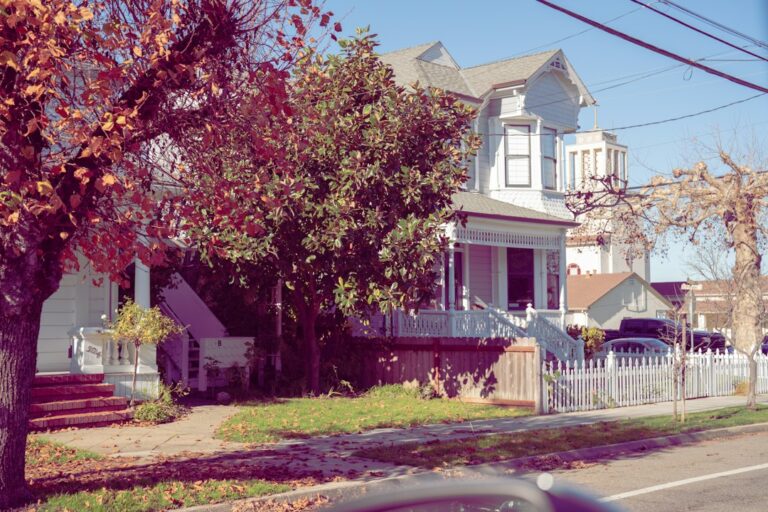 Inherited homes & probate
Medi-Cal Estate Recovery and the Family House: Who Owes, Who Is Protected and the Deadlines
Since 2017, Medi-Cal estate recovery reaches a house only if it passes through probate. See who is exempt, the 90-day notice and the 60-day waiver window.
Read the guide →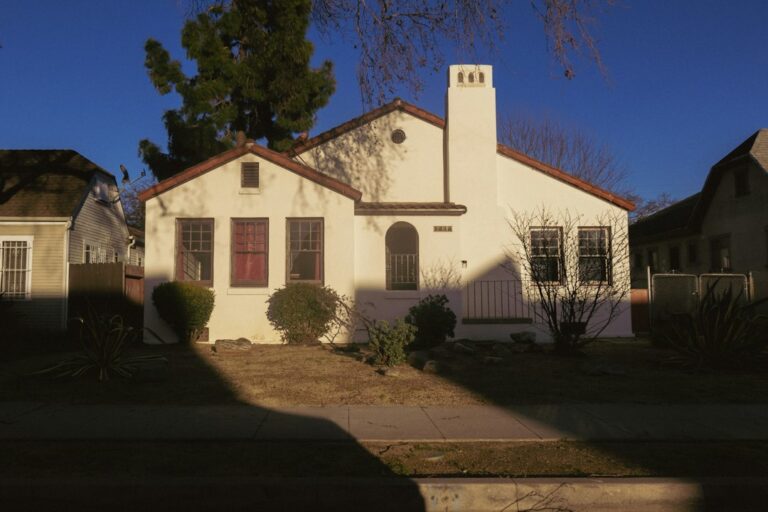 Inherited homes & probate
Inherited a House in Temecula? What Probate, HOA Rules, and Prop 19 Mean for Selling It
Inherited a house in Temecula, CA? See how the $750,000 AB 2016 probate threshold, HOA disclosure rules, Prop 19 taxes, and step-up basis affect your sale.
Read the guide →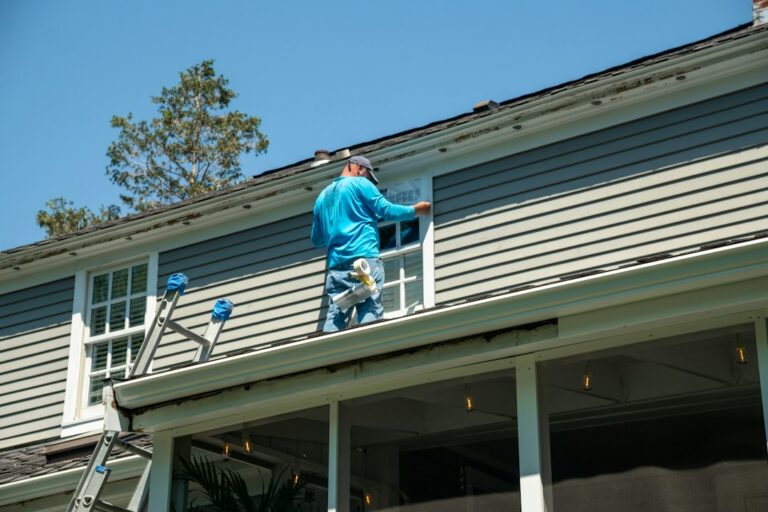 Inherited homes & probate
What Does a Probate Referee Do in California?
A probate referee is a state-appointed appraiser who values a deceased person's non-cash assets for the court, and California caps their fee…
Read the guide → Inherited homes & probate
What Is a Probate Bond in California, and Do You Need One to Sell?
California requires a probate bond unless waived. See the statute, the real premium cost, who pays, and how to avoid needing one before you sell.
Read the guide → Inherited homes & probate
Can You Sell a House With Power of Attorney in California?
A power of attorney can sell a home in California only if it grants real property authority and is recorded, and it ends the moment the owner dies.
Read the guide → Inherited homes & probate
Is There a Deadline to File Probate in California?
California sets no fixed deadline to open probate, but a 30-day will rule and a one-year creditor clock make delay costly. Here's what applies.
Read the guide → Inherited homes & probate
Selling a House Held in a Trust: A California Successor Trustee’s Guide
California successor trustees can sell trust property without probate, but fiduciary duties create real liability. Here's what the law requires.
Read the guide →