
Sell My House Fast in California
- Foreclosure, inherited, tenants, damage — we buy it
- Zero fees, zero commissions, zero closing costs
- No obligation — turn the offer down and owe us nothing


Fast, Fair, and Reliable Offers
What actually controls how quickly a California house sells — the contingency clock, the disclosure package, and the things that quietly stall escrow here but nowhere else.
A cash sale in California can close in 7 to 14 days; a financed sale realistically takes 45 to 60 days from accepted offer to funded escrow. The difference is not how motivated the buyer is — it is a fixed sequence of contingency periods, lender conditions and California-specific disclosures that a financed transaction cannot skip. Cash Home Buyers CA buys directly across the state, which removes most of that sequence.
Why a “Fast” California Sale Still Takes Two Months
The number sellers usually hear is days on market — how long until an offer arrives. That is not the same as a closed, funded sale, and in California the gap between the two is wider than most people expect.
The standard California Association of Realtors Residential Purchase Agreement sets default contingency periods of 17 days for the buyer’s investigation, 17 days for the appraisal, and 17 days for loan approval, all running from acceptance.
Those are defaults, not laws, and they can be shortened by agreement — but buyers rarely agree to waive protection on the largest purchase of their lives. After the contingencies clear, the lender still needs time for final underwriting conditions, the closing disclosure, and funding. Two months is the normal outcome, not the pessimistic one.
Three Things That Stall California Escrows Specifically
Generic advice about selling quickly ignores the parts of this that are peculiar to California. These are the ones that catch sellers here.
- The disclosure package is unusually heavy. Civil Code section 1102 requires a Transfer Disclosure Statement on most sales of one-to-four residential units, and section 1103 adds a Natural Hazard Disclosure covering flood, fire severity and seismic zones. Assembling these properly takes days; assembling them badly gives the buyer a reason to renegotiate later. Certain sales — probate, trustee and some court-ordered transfers — are exempt under section 1102.2, which is worth confirming before you spend a week on paperwork you may not owe.
- Solar leases and PACE assessments. California has more leased residential solar than any other state, and a leased system has to be assumed by the buyer or bought out before title transfers cleanly. PACE energy-efficiency financing is worse: it attaches to the property tax bill as a senior lien, and most conventional lenders require it paid off at closing. Either one, discovered in week three, can add a month.
- Insurance availability. In wildfire-exposed areas, a financed buyer cannot close without a bound homeowners policy, and carriers have pulled back sharply from parts of the state. A buyer who cannot get covered cannot close, however willing they are, and the FAIR Plan route adds its own delay.
What a Cash Timeline Looks Like Instead
We respond with a written offer within 24 to 48 hours of hearing about the property. With no lender there is no loan contingency, no lender-ordered appraisal, and no underwriting queue.
Once you accept, we open escrow with a licensed California title and escrow company and can close in as little as 7 to 14 days — or later, if a date further out suits your move better.
Title work and the payoff of any existing liens still take real time; that is the part nobody can compress much.
Timelines Are Not the Same Across the State
California is not one market, and escrow practice genuinely differs by region. In Southern California, independent escrow companies typically handle the transaction; in much of Northern California the title company runs escrow directly.
County recorders differ in turnaround, and documentary transfer tax is charged at the county rate under Revenue and Taxation Code section 11911, with a number of cities layering their own transfer tax on top — a cost worth knowing about before it appears on your settlement statement.
If your property is in one of our core markets, these go deeper on local specifics: Los Angeles, Orange County and San Diego.
When Selling Fast Is the Wrong Call
We buy houses, so weigh this accordingly and check it against your own numbers. A cash offer is below what a repaired, well-marketed home fetches on a full retail listing.
What you get in exchange is no agent commission, no repair bills, no staging, no carrying costs while you wait, and no risk of the deal collapsing three weeks out. Some owners skip the agent entirely, and this guide covers selling your house without an agent in Los Angeles.
That trade is worth it when you have a real deadline, when the house needs work you cannot fund, when it is sitting empty and accruing costs, or when co-owners need a clean dated exit.
It is usually the wrong trade when the house is in good condition in a liquid neighborhood and you can carry it for 60 to 90 days — list it, you will net more. Impatience on its own is an expensive reason to sell at a discount.
Frequently Asked Questions
How fast can you actually close in California?
Most closings run 7 to 14 days from an accepted offer. Properties with title defects, unreleased liens or an open probate take longer, because those are court and county timelines rather than ours.
Do I have to complete the Transfer Disclosure Statement for a cash sale?
Usually yes. The disclosure obligation attaches to the transaction, not to how the buyer is paying. The exemptions in Civil Code section 1102.2 apply to certain probate and trustee sales regardless of buyer type.
Do I need to make repairs or clean the property first?
No. We buy in current condition, including houses with deferred maintenance, fire or water damage, or belongings still inside.
What if there is a lien, back taxes or a solar lease on the property?
These are common and usually resolvable through escrow. Tell us early — a lien found in week one is an administrative step, and the same lien found in week three is a delay.
Do you buy anywhere in California?
We buy throughout the state, with the deepest local knowledge in Los Angeles, Orange, Riverside and San Diego counties.
Figures current as of September 2026.
Get a free, no-obligation cash offer from Cash Home Buyers CA today.
Sell Your House Fast in Your California City
Escrow timelines, county recording speed and buyer demand all vary by region. Pick your area for the local detail and a no-obligation cash offer on your property.
Los Angeles County
Orange County
San Diego County
Inland Empire
Central Valley
Bay Area & Coast
Not listed? We buy across the whole state — see the full California city directory.
Seller Guides
Helpful guides for homeowners in California
Plain-English answers to the questions sellers ask us most.
 Selling for cash
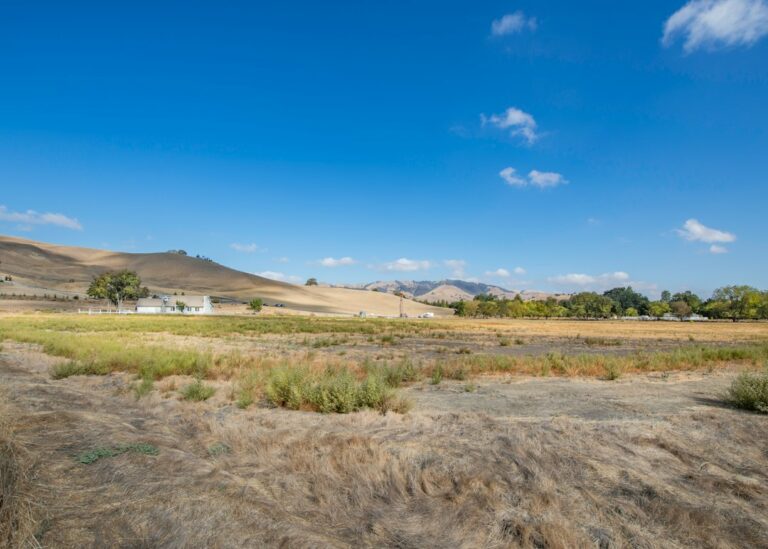
Kings County’s Supplemental Property Tax Bill: What Triggers It and When It’s Due
A Kings County supplemental tax bill follows its own due dates and proration rules. Here is what triggers it and when it is actually delinquent.
Read the guide → Selling for cash
Solano County’s Tax-Defaulted Property Auction: How to Claim Excess Proceeds
After a Solano County tax auction, the sale price often exceeds what was owed. Here is who can claim the excess proceeds and the one-year deadline.
Read the guide → Inherited homes & probate
Lake County Probate Court: Filing Fees, Local Rules and the Timeline
Lake County probate runs through the Lakeport courthouse. See the filing fees, local rules, and timeline for selling an inherited house there.
Read the guide →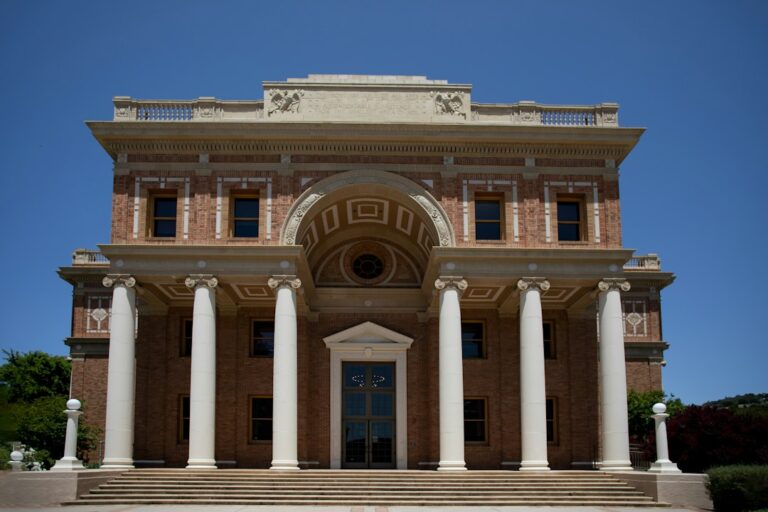 Inherited homes & probate
Placer County Probate Court: Filing Fees, Local Rules and the Timeline
Placer County probate is filed at the Historic Auburn Courthouse. See the real filing fees, attorney costs, and timeline before selling an inherited house.
Read the guide →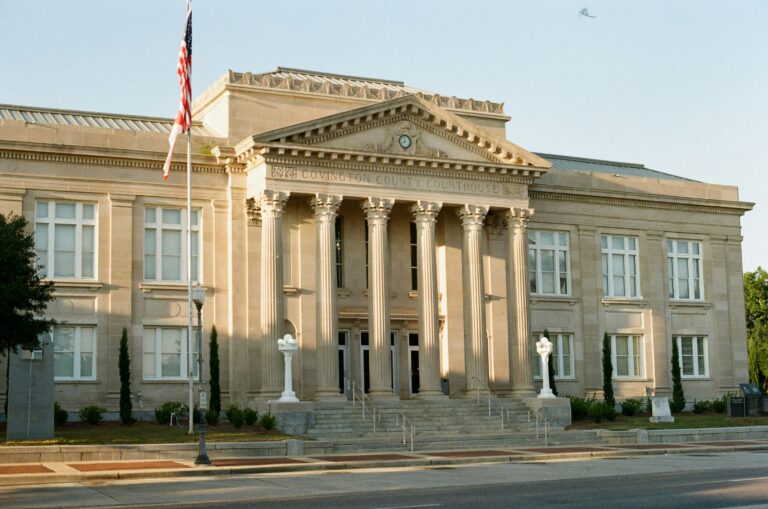 Inherited homes & probate
Butte County Probate Court: Filing Fees, Local Rules and the Timeline
See the real Butte County probate filing fees, statutory attorney costs, and how long an inherited house typically stays in probate before it can be sold.
Read the guide →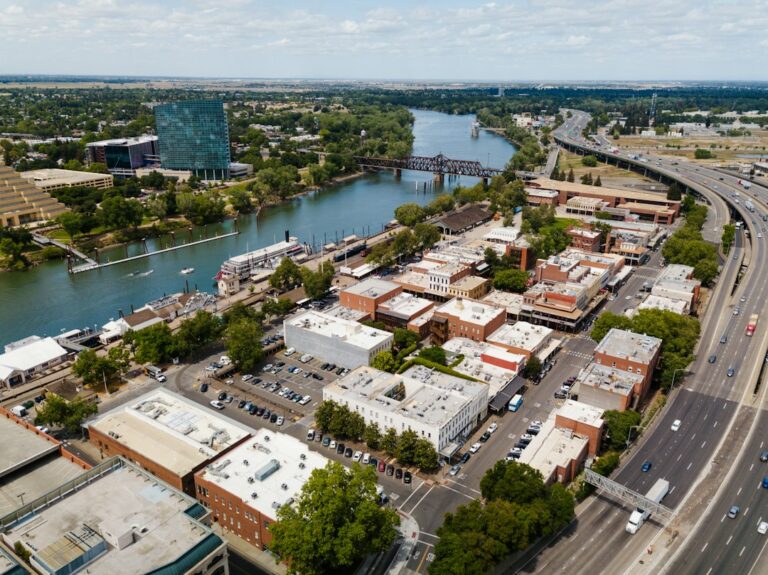 Selling for cash
Yuba County Tax Auction Excess Proceeds: Claiming Money After the Sale
How to claim excess proceeds after a Yuba County tax-defaulted auction, who has legal priority to the funds, and the one-year filing deadline.
Read the guide → Selling for cash
Mendocino County Supplemental Tax Bill, Explained Fully
Why a Mendocino County supplemental tax bill shows up after buying or inheriting a house, how the county calculates it, and when it's actually due.
Read the guide → Selling for cash
Siskiyou County Tax Sale Excess Proceeds: How to Claim What’s Owed
How to claim excess proceeds after a Siskiyou County tax-defaulted auction, who is paid first under state law, and the one-year filing deadline.
Read the guide → Inherited homes & probate
Humboldt County Probate Court: What It Costs and How Long It Takes
What Humboldt County probate actually costs, how long it takes, and what heirs must file before an inherited house can be sold or divided up.
Read the guide →