
Sell My House Fast in Corona
- Foreclosure, inherited, tenants, damage — we buy it
- Zero fees, zero commissions, zero closing costs
- No obligation — turn the offer down and owe us nothing


Every Day on the Market Has a Cost
See how a traditional Corona listing timeline compares to a 7-14 day cash close, and why speed matters most when you have a deadline of your own.
If you need to sell a house fast in Corona, the real obstacle usually isn’t your asking price — it’s the chain of steps a financed buyer has to clear before the sale actually funds. That’s true whether your house sits in the older, walkable grid near the historic “Circle City” core around Grand Boulevard or in one of the newer HOA-governed communities spreading through South Corona toward the Cleveland National Forest foothills. Cash Home Buyers CA buys houses throughout Corona directly, which removes most of that chain entirely.
How Long a Traditional Corona Sale Actually Takes
A well-priced Corona home can go into contract in days, especially in move-in-ready South Corona subdivisions near the 91. That number is the one sellers usually hear. It is not the same as a closed, funded sale. Once an offer is accepted, a standard California purchase agreement gives the buyer a 17-day contingency period to complete inspections, review disclosures, and finalize loan approval, and the loan itself typically needs another two to four weeks after that for underwriting and final sign-off. Add it up and a “fast” traditional sale in Corona is commonly 45 to 60 days from accepted offer to funded escrow, and considerably longer if anything goes sideways.
Where a Financed Sale Actually Loses Time
- Loan underwriting. Buyers get pre-approved before they write an offer, but full underwriting happens after, and conditions (updated pay stubs, letters of explanation, additional asset documentation) can add weeks.
- A low appraisal. Corona values can swing meaningfully between an older home near downtown and a newer build in one of the HOA tracts off the 91 corridor, and an appraiser working from the wrong set of comps can come in under the contract price, forcing a renegotiation or a buyer who needs to bring more cash.
- Inspection renegotiation. A general inspection almost always surfaces something, and the repair-credit negotiation that follows can add one to two weeks even when both sides want the deal to close.
- Financing falling through late. When a buyer’s loan is denied in the final days before closing, the seller is usually back to square one: relisting, rescheduling showings, and restarting the whole clock.
What a Cash Sale’s Timeline Looks Like
We typically respond with a written offer within 24 to 48 hours of hearing about your property. Because there is no lender involved, there is no loan contingency and no lender-ordered appraisal to wait on or negotiate around. Once you accept, we open escrow with a licensed Riverside County title and escrow company and can close in as little as 7 to 14 days — or on a later date if that works better for your move.
Common Reasons Corona Homeowners Need to Move Quickly
Speed matters for all kinds of ordinary reasons that have nothing to do with a life crisis: a new job across the county line in Orange County via the 91 freeway corridor, wanting to avoid carrying two mortgage payments while a new home purchase closes, a firm move-out date tied to a lease you’ve already signed elsewhere, or simply not wanting to keep paying HOA dues, insurance, and utilities on a house that’s sitting empty. If your timeline pressure is tied to a more specific situation, we have dedicated guides that go deeper: foreclosure, divorce, inherited property, and relocation each come with their own deadlines and rules worth understanding on their own.
The Honest Trade-Off
A cash offer is typically below what a fully-repaired home might fetch after a long, well-marketed retail listing. In exchange, there’s no 5-6% agent commission, no repair bills, no staging costs, no months of mortgage and HOA payments while you wait, and no risk of the deal collapsing three weeks before closing. For a seller on a real deadline, the certainty is usually worth more than the spread.
Frequently Asked Questions
How fast can you really close in Corona?
Most closings run 7 to 14 days from an accepted offer, though we can move faster or slower depending on what you need.
Do I need to clean or repair anything first?
No. We buy the property in its current condition.
What if I actually need more time, not less?
That’s fine. We can set a closing date further out, or arrange a short rent-back so you can stay after closing while you finish your move.
Is a cash sale always faster than listing?
Not always — a well-priced home in a popular South Corona tract can attract an offer quickly. The time savings come from skipping the 30-45 day financed escrow that follows, plus removing the risk of that escrow falling apart.
Timelines above reflect typical patterns for Riverside County escrows and can vary by lender, title company, and the specific property.
Get a free, no-obligation cash offer from Cash Home Buyers CA today.
Selling a house in Corona: what to know
A few local details that shape timing and net proceeds when you sell in Corona.
County & probate court
Corona is in Riverside County. Probate and trust matters for Corona properties are heard by the Superior Court for Riverside County, and deeds are recorded with the Riverside County Recorder.
Transfer tax
Riverside County charges a documentary transfer tax of $1.10 per $1,000 of the sale price. There is no separate city transfer tax in Corona. When you sell to us, we pay the standard closing costs.
Tenant & rent rules
Rental homes in Corona more than 15 years old generally fall under California's Tenant Protection Act (AB 1482), which caps rent increases and requires just cause for most evictions. We buy tenant-occupied homes and take over the leases at closing.
Nearby cities we buy in
Seller Guides
Helpful guides for homeowners in Corona
Plain-English answers to the questions sellers ask us most.
 Selling as-is
California’s Natural Hazard Disclosure Statement: What Sellers Must Provide
California sellers must disclose six hazard zones on a Natural Hazard Disclosure Statement. As-is and cash sales are not exempt from this requirement.
Read the guide →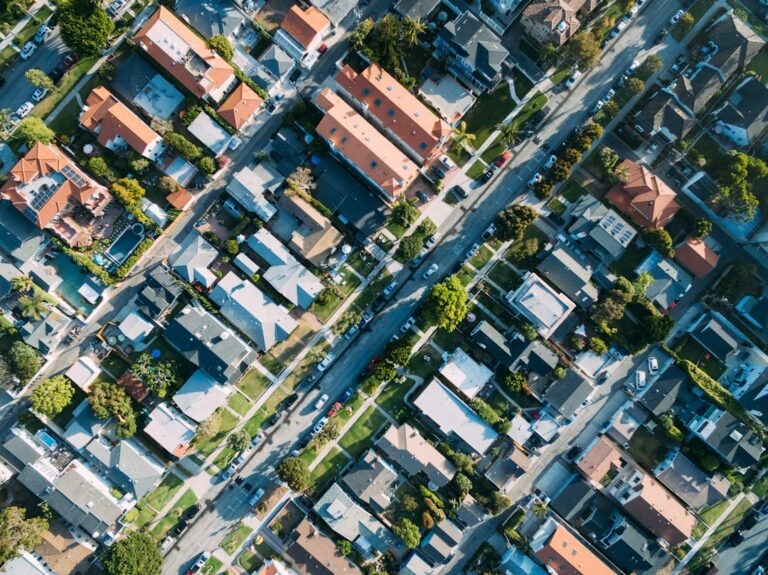 Selling for cash
Capital Gains Tax Exclusion When Selling Your CA Home
Selling your California home? See how the $250K/$500K Section 121 exclusion works, plus the partial exclusion if you sell before two years are up.
Read the guide → Inherited homes & probate
Riverside County Probate Court: Where Your Case Is Heard and What Selling Costs
Which Riverside County courthouse hears probate, what it costs to file, the fee schedule, and when a cash sale beats the calendar.
Read the guide → Selling for cash
What Is the Homestead Exemption in California, and What Does It Actually Protect?
CCP 704.730 shields roughly $371,500 to $743,500 of California home equity from creditors. Why the automatic homestead protects nothing on a voluntary sale.
Read the guide →- Selling for cash
We Buy Houses: How These Companies Work and What to Expect
Learn how we buy houses companies work, who sells to them, and how to vet a cash home buyer before you sell.
Read the guide →  Selling for cash
How Cash Home Buyers Calculate Their Offer in California
How Cash Home Buyers Calculate Their Offer in California. Clear, practical guidance for California home sellers from Cash Home Buyers CA.
Read the guide → Selling for cash
Sell My House Fast: How Cash Home Sales Actually Work
Want to sell my house fast for cash? Learn how cash home sales work, what to expect, and how to vet a buyer.
Read the guide → Selling for cash
Sell My House Fast Riverside: Timelines and What Slows Sales Down
What actually slows down a Riverside home sale, and realistic timelines for listing vs a direct cash sale.
Read the guide → Selling for cash
Cash Home Buyers vs. Realtors: Which Is Faster for Selling Your House?
Compare selling to a cash home buyer vs. listing with a realtor in California - speed, costs, repairs, and certainty.
Read the guide →