
How a Cash Home Sale Works in California, Step by Step
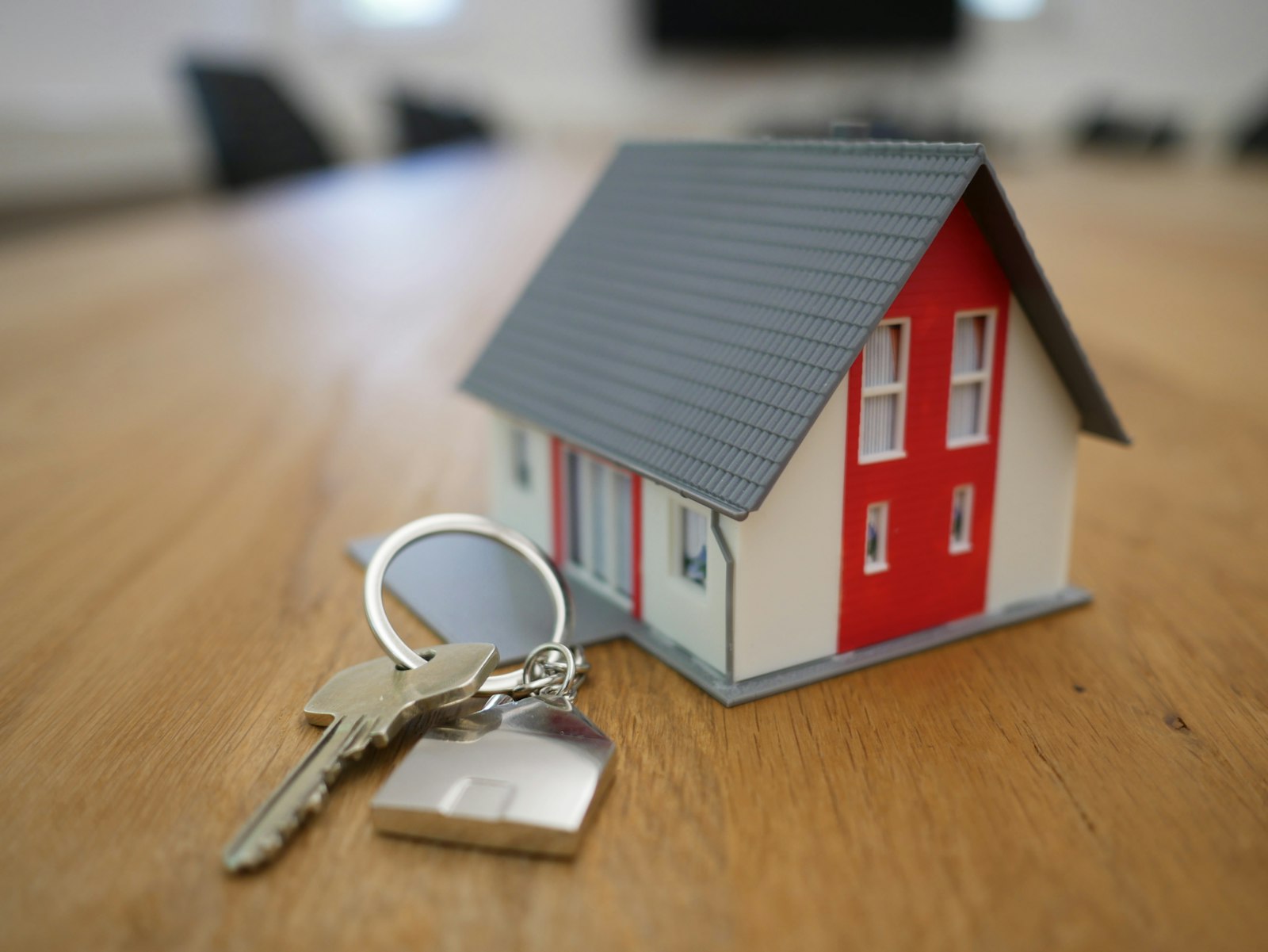
A quick home sale in California usually means one thing: selling to a cash buyer instead of waiting on a buyer who needs a mortgage. Cash sales can close in a couple of weeks, but only if the paperwork, title and escrow all line up.
This guide walks through a California cash sale from the first phone call to the day the money hits your account, so you know what each step involves, how to compare buyers, and which red flags to watch for.
If you just want the short version of how we handle it, our how it works page covers that. This article is the longer, neutral version that applies to any cash buyer you talk to.
Why Cash Sales Move Faster
In a financed sale, most of the waiting comes from the lender: loan approval, the appraisal, underwriting conditions and final loan documents. A cash buyer skips all of that. There’s no appraisal that can come in low and no loan that can be denied a week before closing. What’s left is escrow, title and whatever inspection period the contract allows.
The trade-off is price. Most cash buyers pay less than a retail buyer would, because they’re taking the house as-is and taking on the risk and cost of repairs. Whether that trade makes sense depends on your house and your situation.
Step by Step: From First Call to Funded Escrow
1. First contact and property details
You share the address, the condition of the house, whether it’s occupied, any liens or back taxes you know about, and your ideal timeline. A good buyer will ask about the roof, plumbing, foundation and anything else that’s expensive, because those drive the offer.
2. Walkthrough and a written offer
Most buyers do a short walkthrough or review photos and video. Then you should get a written offer, not just a number over the phone.
A real offer is a purchase agreement that shows the price, the deposit, the closing date, the length of any inspection period and who pays which costs. If you want to understand how the price itself is built, see how cash home buyers calculate their offer in California.
3. Proof of funds
Before you sign, ask for proof of funds: a recent bank or account statement, or a letter from the bank, showing the buyer has the cash to close. The name on it should match the buyer on the contract (or there should be a clear explanation why it doesn’t). This one step filters out a lot of problems.
4. Signing and opening escrow
Once both sides sign, escrow is opened with a neutral escrow company or title company. Escrow holds the buyer’s deposit and all the money and documents until every condition is met. The buyer deposits earnest money into escrow, usually within a few days of acceptance. You’ll get escrow instructions to review and sign.
5. Title search
The title company pulls a preliminary title report. It lists your mortgage, any home equity line, tax liens, judgments, mechanic’s liens and anything else recorded against the property. Most of these simply get paid off from your proceeds at closing.
Some, like an old lien you didn’t know about or a missing signature from a co-owner or heir, take time to clear. Title issues are the most common reason a “7-day close” turns into three or four weeks.
6. Disclosures
Selling as-is doesn’t mean selling without disclosures. California sellers of one-to-four unit homes generally still fill out the Transfer Disclosure Statement and a Natural Hazard Disclosure, and must disclose known material defects. As-is means you won’t make repairs, not that you can stay quiet about problems you know about. Some sellers, like certain estates and court-ordered sales, are exempt from parts of this, which escrow can confirm.
7. Inspection period
Many cash contracts include a short inspection or due-diligence period. During it, the buyer can bring in contractors, check permits and confirm repair costs. Read this part carefully: the length of the period and what happens to the deposit if the buyer cancels are spelled out in the contract. A short period with a deposit that becomes non-refundable afterward is a sign the buyer is serious.
8. Lender payoff and final numbers
Escrow requests payoff statements from your lender(s) and prepares an estimated settlement statement. This shows the sale price, every cost and payoff, and your net proceeds. Compare it line by line with your contract before you sign anything.
9. Signing, recording and funding
You sign the grant deed and closing documents in front of a notary, either at the escrow office or with a mobile notary. The buyer wires the balance of the purchase price to escrow.
Once all funds are in, the deed is recorded with the county recorder, escrow pays off your loans and costs, and the rest is sent to you, usually by wire.
Before you give anyone your bank details, call your escrow officer at a number you already know to confirm the instructions. Wire fraud in real estate is real, and emails can be spoofed.
How Long It Really Takes
A clean cash sale with clear title can close in one to two weeks. Two to four weeks is common when there’s a probate, a trust, a lien to clear or tenants to coordinate. If someone promises a specific date before seeing the title report, treat it as a goal, not a guarantee.
Who Pays What
In California, who pays for escrow, title insurance and transfer taxes depends partly on local custom and partly on what the contract says. In much of Southern California, sellers have traditionally paid for the owner’s title policy and the county documentary transfer tax, and escrow fees are often split.
When you sell to us, we pay the standard closing costs, including the county and city transfer taxes, escrow and title. With any buyer, make sure who pays what is written into the contract.
Either way, you’ll pay off your own mortgage, liens, any unpaid property taxes, and HOA dues owed through closing.
How to Compare Cash Buyers
If you get more than one offer, don’t just compare the price. Line them up on these points:
- Net to you. Price minus every cost you’d pay under that contract.
- Deposit size and when it becomes non-refundable.
- Length of the inspection period and how easily the buyer can cancel.
- Closing date flexibility, including whether you can stay a few days after closing to move.
- Who picks escrow and title. A neutral, established company protects both sides.
- Track record. Ask for recent addresses they’ve bought and check them in public records.
Red Flags
- Asking you to pay any upfront fee to get an offer or to “list” with them.
- No proof of funds, or proof in a name that has nothing to do with the contract.
- A tiny deposit with a long, open-ended inspection period that lets the buyer walk away for any reason.
- A high number up front that drops sharply after the inspection, with no itemized reason.
- Pressure to sign the same day, or discouraging you from having a lawyer or family member review the contract.
- Insisting on their own escrow company and refusing a neutral one.
- Asking you to sign over the deed or record anything against your property before escrow closes.
When a Cash Sale Isn’t the Best Fit
If your house is in good condition, you have time, and you don’t mind showings, listing with an agent will usually bring a higher price. A cash sale makes the most sense when the house needs major work, you’re on a deadline, the property is inherited or tenant-occupied, or certainty matters more than squeezing out the top number.
Common Questions
Do I need an agent to sell for cash?
No, but you can use one. Escrow and title still handle the money and paperwork, so funds and documents go through a neutral party either way. Some sellers have an agent or attorney review the contract before signing.
Can I back out after accepting a cash offer?
Once you sign a purchase agreement, you’re bound by its terms. Read it before you sign, and take your time comparing offers.
How do I get paid?
Escrow sends your net proceeds after the deed records, usually by wire, sometimes by check. Confirm wire instructions with your escrow officer by phone.
Talk Through Your Options
If you’d like to see what a cash sale would look like for your house, call us at (424) 435-2326 or request a no-obligation offer online. We either buy directly or bring a vetted cash buyer, close through a neutral escrow company, and walk you through every number. We buy houses in California from the coast to the Central Valley, including Los Angeles County and San Diego County.
Want to see what other California sellers say about working with us? Find Cash Home Buyers CA on Google for reviews, or call us at (424) 435-2326.