
Sell My House Fast in Santa Fe Springs, CA
- Foreclosure, inherited, tenants, damage — we buy it
- Zero fees, zero commissions, zero closing costs
- No obligation — turn the offer down and owe us nothing


Every Day on the Market Has a Cost
See how a traditional Santa Fe Springs listing timeline compares to a 7-14 day cash close, and why speed matters most when you have a deadline of your own.
If you need to sell a house fast in Santa Fe Springs, the real obstacle usually isn’t your asking price — it’s the chain of steps a financed buyer has to clear before the sale actually funds. Cash Home Buyers CA buys houses throughout Santa Fe Springs and the surrounding Gateway Cities directly, which removes most of that chain entirely.
How Long a Traditional Santa Fe Springs Sale Actually Takes
Santa Fe Springs is a small, mostly built-out city in southeastern Los Angeles County, and its own incorporated municipality — distinct from the City of Los Angeles even though it sits inside the LA metro area.
Most of its land is zoned industrial and warehouse use, with residential neighborhoods clustered in pockets, so single-family homes here don’t turn over at the volume you’d see in a larger LA County suburb.
A well-priced home can still attract an offer quickly, but that’s not the same as a closed, funded sale.
Once an offer is accepted, a standard California residential purchase agreement gives the buyer a 17-day contingency period to complete inspections, review disclosures, and finalize loan approval, and the loan itself typically needs another two to four weeks after that for underwriting and final sign-off.
Add it up and a “fast” traditional sale is commonly 45 to 60 days from accepted offer to funded escrow, longer if anything goes sideways along the way.
Where a Financed Sale Actually Loses Time
- Loan underwriting. Buyers get pre-approved before writing an offer, but full underwriting happens after, and conditions (updated pay stubs, letters of explanation, additional asset documentation) can add weeks.
- A low appraisal. With relatively few comparable single-family sales in a small, industrial-heavy city like Santa Fe Springs, an appraiser sometimes has to reach into neighboring communities for comps, which can produce a number that comes in under contract price and forces a renegotiation.
- Inspection renegotiation. A general inspection almost always turns something up, and the repair-credit negotiation that follows can add one to two weeks even when both sides want the deal to close.
- Financing falling through late. When a buyer’s loan is denied in the final days before closing, the seller is usually back to square one: relisting, rescheduling showings, and restarting the whole clock.
What a Cash Sale’s Timeline Looks Like
We typically respond with a written offer within 24 to 48 hours of hearing about your property. Because there is no lender involved, there is no loan contingency and no lender-ordered appraisal to wait on or negotiate around.
Once you accept, we open escrow with a licensed Los Angeles County title and escrow company and can close in as little as 7 to 14 days — or on a later date if that works better for your move.
Sell Your House Fast in Santa Fe Springs: The Close, Day by Day
A cash close is short because almost nothing in it waits on a third party. On a 7 to 14 day timeline it runs like this:
- Day 1. You send the address and tell us who is on title, whether anyone lives there, and what you know about the condition.
- Day 1-2. We price it against recent single-family sales here and in the neighboring Gateway Cities, then send a written offer with the closing date you asked for.
- Day 2-3. On acceptance, escrow opens and the title search begins. Most delays we see start here: an unreleased lien, a deceased co-owner never removed from title, a contractor’s mechanics lien from work done years ago.
- Day 4-7. One walkthrough, no inspection contingency. Escrow orders payoff demands from your lender and any lienholder.
- Day 7-12. Signing with a notary, wherever is convenient, then the funds are wired to escrow.
- Day 8-14. The grant deed records through the Los Angeles County Registrar-Recorder’s Norwalk office and escrow releases your proceeds.
Common Reasons Santa Fe Springs Homeowners Need to Move Quickly
Speed matters for plenty of ordinary reasons that have nothing to do with a crisis: a new job pulling you toward a different part of Los Angeles or Orange County, wanting to avoid carrying two mortgage payments while a new purchase closes, a firm move-out date tied to a lease you’ve already signed elsewhere, or simply not wanting to keep paying insurance and upkeep on a house sitting empty near the city’s rail lines and industrial corridors.
If your timeline pressure is tied to a more specific situation, we have dedicated guides that go deeper: foreclosure, divorce, inherited property, and relocation each come with their own deadlines and rules worth understanding on their own.
What Slows a Santa Fe Springs Sale Down
Separate from the lender, these are the property-side snags that cost local sellers weeks. A cash purchase absorbs all of them:
- Oil field history. Santa Fe Springs grew up around one of the region’s historic oil fields, and parcels near idle or plugged wells draw extra questions from lenders and insurers. Well records are public through CalGEM, the state oil and gas regulator, and that search alone can hold up a financed escrow.
- Unpermitted additions. Converted garages, back-house units, and patio enclosures that never reached final inspection appear in the city’s building permit file, and an underwriter can refuse to count that square footage toward value.
- Solar leases. A leased or PPA system usually carries a UCC-1 filing, and the provider must approve a transfer or payoff before title will insure the sale.
- Property tax liens and PACE assessments. Anything repaid through the Los Angeles County tax bill generally has to be cleared at closing, and sellers are often unaware it is there.
- Tenants in place. If the house is rented, state just-cause and notice rules apply, a slower path on a financed sale than on a cash one.
The Honest Trade-Off
A cash offer is typically below what a fully-repaired home might fetch after a long, well-marketed retail listing. In exchange, there’s no 5-6% agent commission, no repair bills, no staging costs, no months of mortgage and utility payments while you wait, and no risk of the deal collapsing three weeks before closing. For a seller on a real deadline, the certainty is usually worth more than the spread.
Frequently Asked Questions
How fast can you really close in Santa Fe Springs?
Most closings run 7 to 14 days from an accepted offer, though we can move faster or slower depending on what you need.
Do I need to clean or repair anything first?
No. We buy the property in its current, as-is condition.
What if I actually need more time, not less?
That’s fine. We can set a closing date further out, or arrange a short rent-back so you can stay after closing while you finish your move.
Is a cash sale always faster than listing?
Not always — a well-priced home can attract an offer quickly. The time savings come from skipping the 30-45 day financed escrow that follows, plus removing the risk of that escrow falling apart.
Can I sell my house fast in Santa Fe Springs if there is an idle oil well on or near the lot?
Yes. We buy with the well records as they are, and a cash purchase does not need an insurer or underwriter to sign off on that history first.
Timelines above reflect typical patterns for Los Angeles County escrows and can vary by lender, title company, and the specific property.
Get a free, no-obligation cash offer from Cash Home Buyers CA today.
Seller Guides
Helpful guides for homeowners in Santa Fe Springs
Plain-English answers to the questions sellers ask us most.
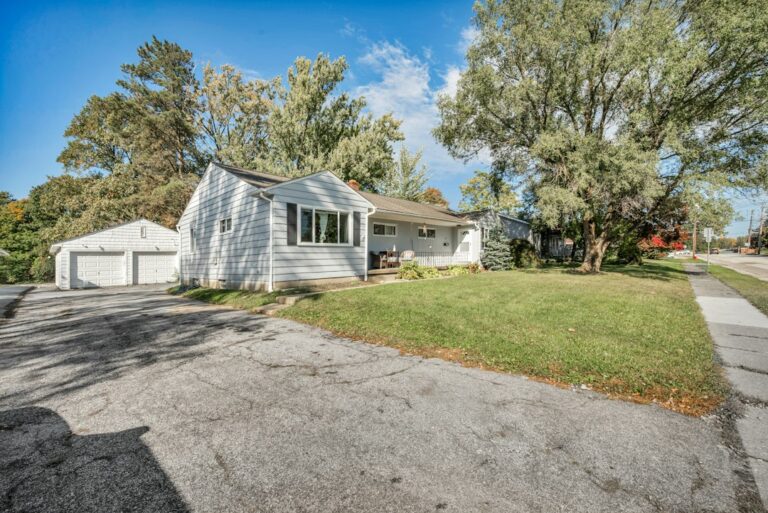 Foreclosure & liens
California’s Judicial Foreclosure Redemption Right: The One-Year Window Most Owners Never Hear About
California's judicial foreclosure process comes with a one-year right to redeem your home after sale. Here's who qualifies and what it costs.
Read the guide →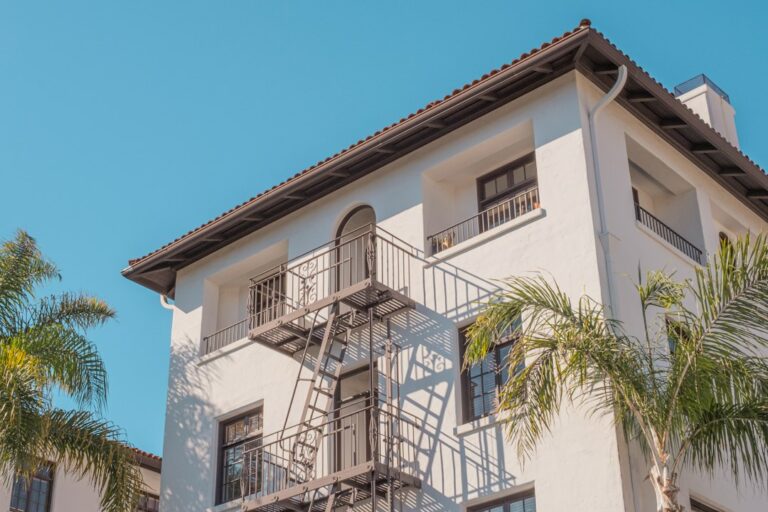 Selling for cash
Pomona’s Rent Stabilization Ordinance Just Became Permanent: What Landlords Must Do Before Selling
Pomona's Ordinance No. 4359 became permanent on January 1, 2026, replacing the city's prior urgency ordinances and capping most rent increases at…
Read the guide →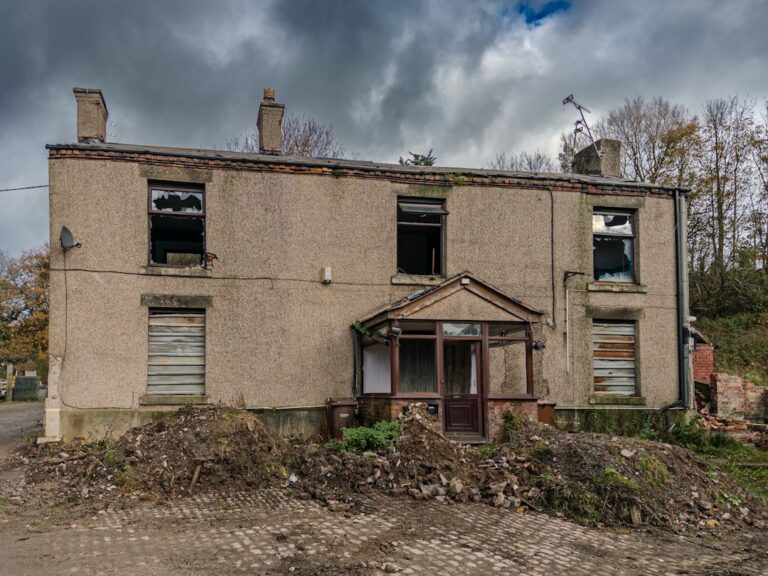 Selling for cash
Compton’s Substandard Building Ordinance, Explained
Compton can order a dangerous or substandard house repaired or demolished under Chapter 14, then record the cost as a lien if the deadline is missed.
Read the guide →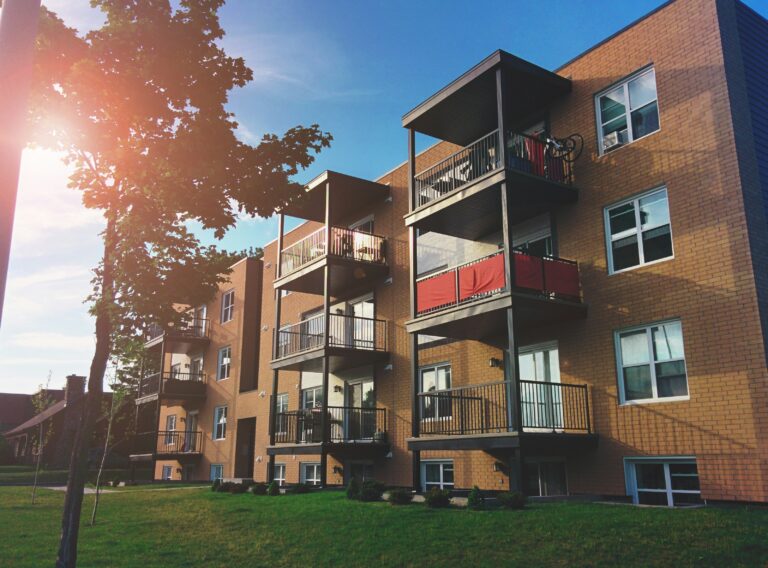 Rentals & tenants
Emeryville’s Just Cause Eviction Ordinance: Relocation Pay Under Municipal Code 5-40
Emeryville's Municipal Code 5-40 requires just cause from day one and relocation pay scaled by landlord size, stricter than statewide AB 1482.
Read the guide → Selling for cash
Malibu’s Six-Year Rebuild Deadline After the Palisades Fire: Municipal Code 17.60.020(C)
Malibu gives fire-rebuild applicants six years to file and eight to permit under Code 17.60.020(C), with capped extensions and FEMA rules.
Read the guide → Selling for cash
California’s Security Deposit Cap: How AB 12 Limits What Landlords Can Collect
AB 12 caps most California security deposits at one month of rent, with a narrow two-month exception for small landlords and new 2025 photo rules.
Read the guide → Selling as-is
California Civil Code §4525: The 11 HOA Documents You Must Hand a Buyer Before Closing
California Civil Code 4525 requires HOA sellers to hand buyers 11 documents before closing, including the new balcony inspection report requirement.
Read the guide → Selling for cash
California’s Balcony Inspection Law: What SB 721 and SB 326 Require Before You Sell
SB 721 and SB 326 require California balcony and deck inspections on rentals and condos, with deadlines already passed. What sellers should check.
Read the guide → Selling for cash
California’s AB 1482 Rent Cap: How the 5% Plus CPI Formula Actually Works
AB 1482's rent cap runs on a 5% plus regional CPI formula, capped at 10%, that resets every August 1. Here's how…
Read the guide →