
Sell My House Fast in South Park, Los Angeles, CA
- Foreclosure, inherited, tenants, damage — we buy it
- Zero fees, zero commissions, zero closing costs
- No obligation — turn the offer down and owe us nothing


A Financed Sale Has a Long Clock Behind It
See what actually slows a South Park sale down, and how a direct cash sale skips most of it.
If you need to sell a house fast in South Park, the neighborhood’s own housing stock is usually the reason a listing drags out longer than expected. Cash Home Buyers CA buys South Park houses directly, which removes the financing chain that normally sets the pace of a sale.
How Long a Traditional South Park Sale Actually Takes
South Park sits in South Los Angeles, tucked between the Figueroa corridor, Exposition Park, and USC, and most of its housing dates to the early-to-mid 1900s: single-family bungalows on narrow lots alongside small multi-unit “dingbat” buildings from later decades.
Once a buyer’s offer is accepted, a standard California purchase agreement gives them a 17-day contingency period for inspections, disclosures, and loan approval, and full underwriting typically needs another two to four weeks after that.
In a neighborhood where a meaningful share of the housing stock is 70 to 100 years old, that underwriting period is where South Park deals tend to stall, because lenders want documentation on wiring, plumbing, and roofing that many original-condition houses simply don’t have.
Adding it up, a “fast” financed sale in South Park commonly runs 45 to 60 days from accepted offer to funded escrow, longer if the appraisal or inspection turns up something the lender wants resolved first.
Where a Financed Sale Loses Time in South Park
- Older systems trigger lender conditions. A house with knob-and-tube wiring, an aging sewer lateral, or an unpermitted addition often needs a specialist report before a loan can fund, and scheduling that report alone can add a week or two.
- Appraisals on a block-by-block market. Values in South Los Angeles can vary sharply within a few blocks depending on lot size, unit count, and proximity to Figueroa or the 110 Freeway, so an appraiser working from comps outside the immediate area can come in under contract price.
- Small multi-unit properties complicate financing. Many South Park parcels are duplexes, triplexes, or small dingbat buildings rather than single-family homes, and conventional residential financing does not always fit that property type cleanly.
- Occupied units add a step. A property with tenants in place, common in this part of South LA, means a lender or buyer may want lease documentation and estoppel confirmations before closing, which is one more thing to schedule.
What a Cash Sale’s Timeline Looks Like Instead
We typically respond with a written cash offer within 24 to 48 hours of hearing about your South Park property, in its current condition. Because there is no lender involved, there is no loan contingency and no lender-ordered appraisal to negotiate around.
Once you accept, we open escrow with a licensed Los Angeles title and escrow company and can close in as little as 7 to 14 days, or later if that suits your own timeline better.
Common Reasons South Park Homeowners Need to Move Quickly
Speed matters for plenty of ordinary reasons that have nothing to do with a crisis: a new job, wanting to stop paying two mortgages while a new purchase closes, an inherited house that’s been sitting vacant and accumulating code-enforcement risk, or simply not wanting to keep covering insurance and utilities on a property no one is living in.
If your urgency comes from a more specific situation, we have dedicated South Park guides that go deeper: foreclosure, inherited property, and tenant-occupied houses each come with their own deadlines and rules worth understanding on their own.
South Park’s Housing Stock, in Plain Terms
South Park is one of the older residential pockets of South Los Angeles, developed in waves from the 1900s through the mid-1900s as streetcar and industrial workers settled south of downtown along the Figueroa corridor.
The result today is a mix of modest single-family houses on narrow lots, small courtyard and dingbat apartment buildings from the 1940s through 1960s, and a scattering of newer infill construction closer to the USC and Exposition Park edges of the neighborhood.
Many of the older multi-unit buildings fall under the Los Angeles Rent Stabilization Ordinance, which applies citywide to most residential buildings with a certificate of occupancy issued before October 1, 1978, and caps annual rent increases while requiring just cause for eviction.
That protection is good for tenants, but it also means an owner selling an occupied RSO building needs a buyer, cash or financed, who understands what continuing tenancy involves.
Because South Park sits entirely within the City of Los Angeles, a sale here also runs through Los Angeles-specific requirements that don’t apply in every part of the county: the Department of Building and Safety’s Report of Residential Property Records (commonly called the 9A Report), city retrofit and smoke/CO detector certification rules, and, on higher-value sales, the Measure ULA documentary transfer tax surcharge that applies on top of the standard county and city transfer taxes.
None of that is a reason to avoid selling — it just means a seller who wants speed benefits from working with a buyer who already knows the paperwork rather than learning it mid-escrow.
What Actually Moves Your South Park Cash Offer
Every offer we send reflects the property in front of us, not a generic city-wide number.
The things that matter most in South Park specifically are lot size and zoning (some parcels allow additional units under state ADU law, which affects value), the condition of original systems like wiring, plumbing and the roof, whether the property is a single-family home or a small multi-unit building, occupancy status, and any open permits or code-enforcement notices with the city.
We look at recent comparable sales on the same or nearby blocks rather than relying on a broader South LA average, since values here can shift meaningfully from one street to the next depending on lot size, unit count and proximity to Figueroa Street or the 110 Freeway.
The Honest Trade-Off
A cash offer is typically below what a fully-repaired, retail-ready home might fetch after a long, well-marketed listing.
In exchange, there’s no agent commission, no repair bills for bringing 80-year-old wiring or plumbing up to code, no staging costs, and no risk of the deal collapsing three weeks before closing because a lender didn’t like what an inspection found.
For a seller on a real deadline, that certainty is usually worth more than the spread.
South Park Seller FAQ
How fast can you really close in South Park?
Most closings run 7 to 14 days from an accepted offer, though we can move faster or slower depending on what you need.
Do I need to clean or repair anything first?
No. We buy the property in its current condition, including houses with deferred maintenance or unpermitted work.
What if I actually need more time, not less?
That's fine. We can set a closing date further out, or arrange a short rent-back so you can stay after closing while you finish your move.
Will a tenant in the property slow things down?
It can add a little time to document the tenancy, but it does not stop the sale. We buy occupied South Park properties regularly.
Are there any fees for closing quickly?
No. There's no commission and no hidden fee for a fast timeline.
Get a free, no-obligation cash offer from Cash Home Buyers CA today.
South Park is part of the City of Los Angeles. For the citywide picture, see our guide to sell my house fast in Los Angeles.
Seller Guides
Helpful guides for homeowners in South Park Los Angeles
Plain-English answers to the questions sellers ask us most.
 Selling for cash
San Diego County Supplemental Tax Bills: Why the Due Date Isn’t What You Expect
San Diego County supplemental tax bills follow their own delinquency calendar under R&T Code 75.52, not the usual property tax due dates you expect.
Read the guide →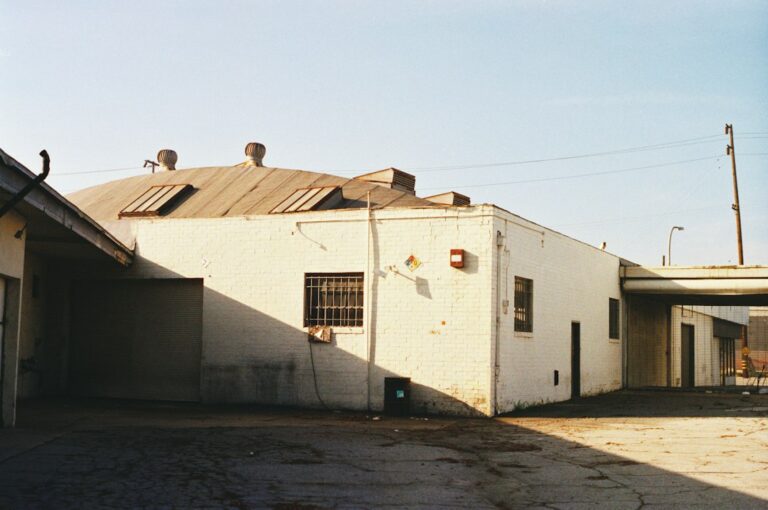 Rentals & tenants
The July 31 Registration Deadline Culver City Landlords Can’t Miss Before Selling a Rental
Culver City requires annual rental registration by July 31, with penalties that follow into escrow. What the ordinance requires before you sell a rental.
Read the guide →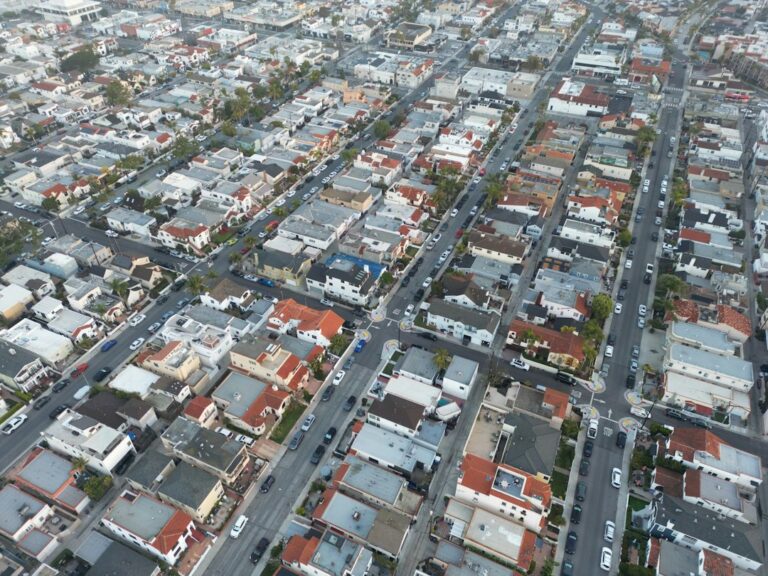 Selling for cash
The Transfer Tax Every Los Angeles Seller Pays, With or Without Measure ULA
Los Angeles charges its own $4.50-per-$1,000 tax on top of the county rate, before Measure ULA applies. See the exact combined math at closing.
Read the guide →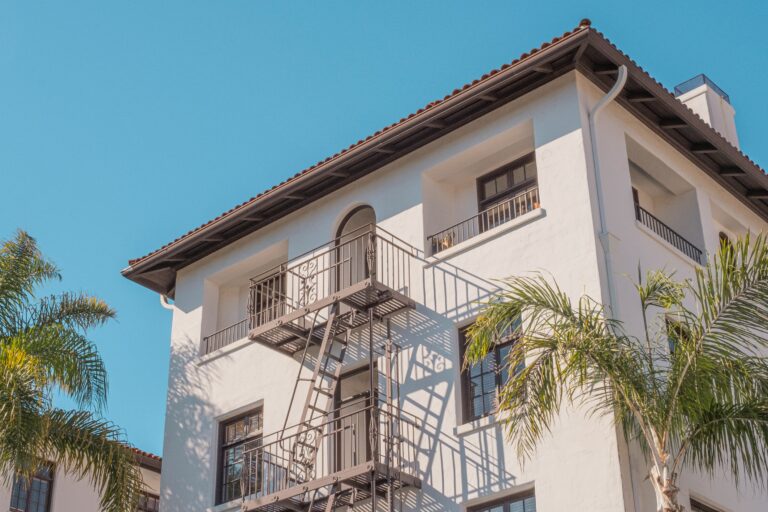 Rentals & tenants
How Much Must Long Beach Landlords Pay Tenants Under the Relocation Ordinance?
Long Beach landlords: see the LBMC 8.99 relocation payments, notice periods, and city filing step required before a no-fault tenant termination.
Read the guide →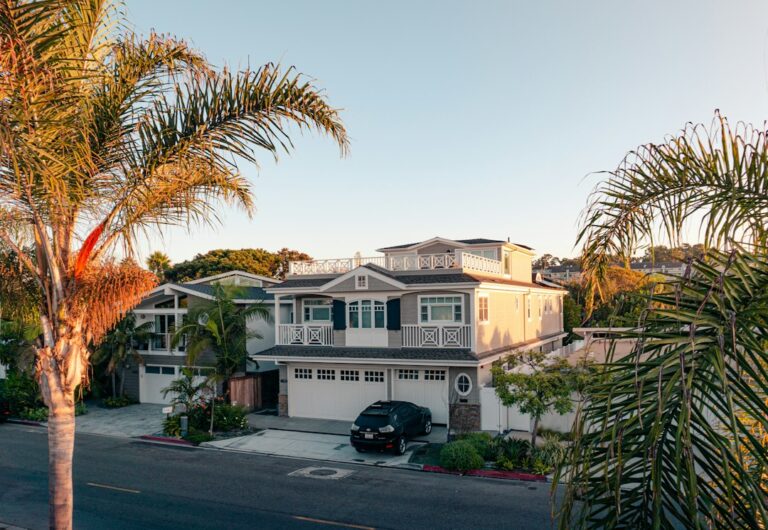 Selling for cash
What Inglewood’s Housing Protection Ordinance Requires Before You Sell a Rental
Inglewood's Housing Protection Ordinance covers more rentals than expected, with rent caps, just-cause rules, and relocation tiers that transfer at sale.
Read the guide →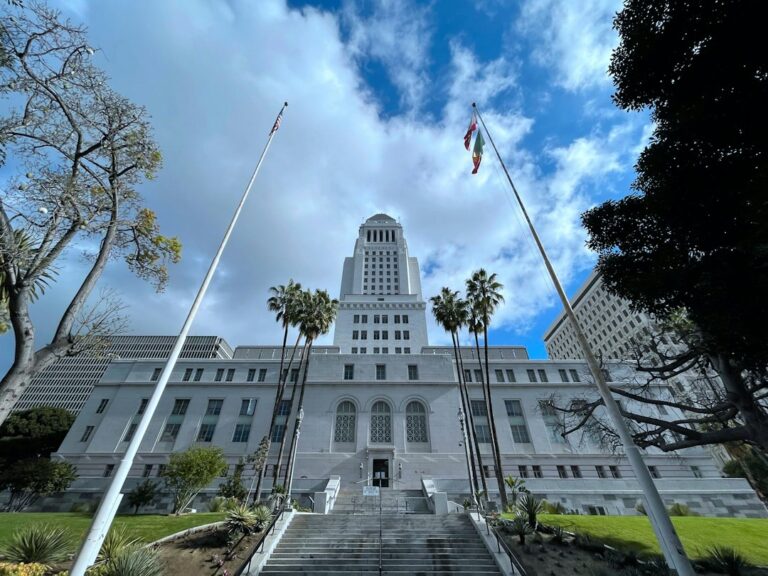 Selling for cash
The Five-Year Countdown Before Los Angeles County Auctions a Tax-Defaulted Home
LA County auctions tax-defaulted homes after five years unpaid. See the redemption deadline, installment options, and how to claim excess proceeds.
Read the guide →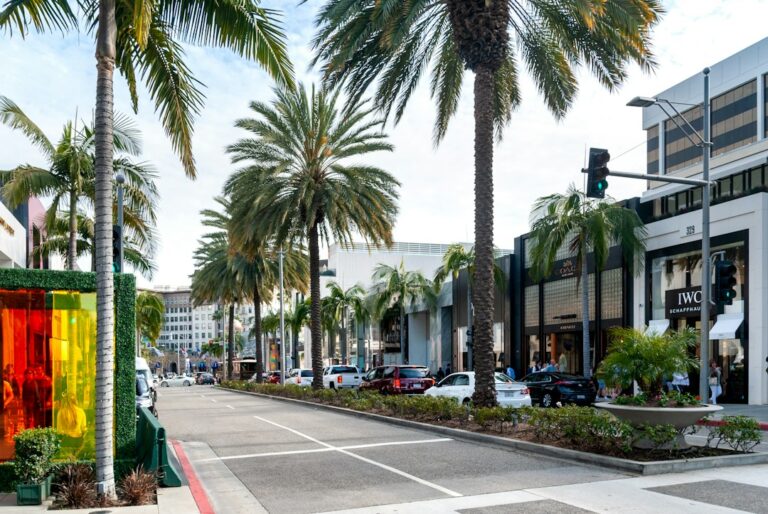 Selling for cash
What Beverly Hills’ Rent Stabilization Ordinance Requires Before You Sell
Beverly Hills runs its own BHMC Chapter 5 and 6 rent rules: caps, BHRent registration, just-cause grounds and relocation fees sellers must clear first.
Read the guide → Selling as-is
What Rancho Palos Verdes’ Landslide Zones Mean for a Natural Hazard Disclosure
Rancho Palos Verdes sellers must check a landslide-zone box on the state Natural Hazard Disclosure Statement, separate from the earthquake fault question.
Read the guide → Selling for cash
West Hollywood’s Rent Stabilization Ordinance: What a Seller With Tenants Must Clear First
West Hollywood's rent stabilization law sets strict just-cause rules and relocation fees before you can sell a tenant-occupied rental unit here.
Read the guide →