
Sell a Tenant-Occupied House in Bel Air
- Foreclosure, inherited, tenants, damage — we buy it
- Zero fees, zero commissions, zero closing costs
- No obligation — turn the offer down and owe us nothing


No Notices, No Vacancy, No Relocation Checks
We buy Bel Air properties with a guest house, staff unit or full residence rented, and honor the tenancy exactly as it stands.
Renting is the exception in Bel Air, not the norm — 85.5 percent of homes here are owner-occupied, against 14.5 percent renter-occupied, the reverse of most Los Angeles neighborhoods.
But it does happen: a guest house or staff unit rented separately from the main estate, a full house leased during an owner’s extended absence, or a property acquired as a long-term rental investment. Cash Home Buyers CA buys occupied Bel Air property without requiring a vacancy first.
Does Rent Control Apply to a Bel Air Rental?
Bel Air is part of the City of Los Angeles, so the same two rent frameworks that apply citywide apply here.
The city’s Rent Stabilization Ordinance generally covers residential units with a certificate of occupancy issued before October 1, 1978; many Bel Air main houses and older guest houses were built well before that cutoff under Alphonzo Bell’s original 1923 development, which means a rented guest house or staff unit on an older estate can fall under the RSO even though the main residence next to it does not generate its own separate obligations.
Units not covered by the RSO can instead fall under the statewide Tenant Protection Act (AB 1482) once they are more than 15 years old, unless an exemption such as the one for many individually owned single-family homes applies, which caps annual rent increases and requires just cause for eviction, with different relocation rules than the city ordinance.
We confirm which framework applies, if any, during escrow rather than asking you to sort it out beforehand.
Why an Occupied Unit Is the Exception, Not the Rule, Here
Across the roughly 6.37 square miles inside Bel Air’s East Gate and West Gate, most properties are single owner-occupied estates rather than income-producing rentals, which is part of why the 14.5 percent renter-occupancy figure is so much lower than the citywide norm.
When a rental does exist here, it is usually a secondary structure — a guest house, pool house, or staff quarters built alongside the main residence under the neighborhood’s original large-lot development pattern — rather than a standalone rental property bought purely as an investment.
What Selling With a Tenant in Place Actually Means
- The sale does not end the tenancy. A change of ownership is not a lease termination. The buyer takes the property subject to the existing lease and any applicable rent registration, as any buyer would have to.
- No-fault evictions require relocation payments and time. If the unit is covered by the RSO, ending a tenancy for owner move-in or another no-fault reason triggers relocation fees that scale with the tenant’s income and tenure, and the process can take months. Selling with the tenancy intact avoids that cost and delay.
- The lease and deposit transfer at closing. Security deposits transfer through escrow, and the new owner handles any required registration; your tenant typically receives nothing more disruptive than a notice of new ownership and updated payment instructions.
Documents That Speed This Up
- The current signed lease for the occupied unit or residence.
- Proof of the security deposit amount currently held.
- Any RSO rent-registration confirmation, if the unit’s certificate of occupancy predates October 1, 1978.
- A record of any notices already served to the tenant, if applicable.
Why a Financed Buyer Struggles With an Occupied Bel Air Property
Lenders underwriting a jumbo purchase loan on an occupied estate typically value the property closer to its current rent roll than its vacant market potential, especially when a unit is subject to rent caps.
Combined with Bel Air’s already thin buyer pool — Movoto’s July 2026 data shows just 102 active listings and a 72-day median time to accepted offer — an occupied property competes for an even smaller group of retail buyers, most of whom would rather buy vacant. That gap is exactly where a direct cash purchase is most useful.
How We Buy an Occupied Property
We ask for the current lease, rent amount, and any RSO or AB 1482 registration status early, and we build the offer around the actual lease terms rather than a hypothetical vacant value.
If part of the estate is occupied and the rest vacant — a rented guest house alongside an empty main residence, for example — we factor both into a single offer.
The same tenancy and rent-framework rules described here apply across the rest of the city; see our page on selling a house with tenants in Los Angeles for the broader picture.
What Relocation Assistance Actually Costs Under the RSO
When a no-fault eviction is used to end a tenancy on an RSO-covered unit, current Los Angeles Housing Department relocation schedules start at roughly $9,200 for a studio and scale up with unit size, and a tenant who is 62 or older, disabled, has a minor child in the household, or qualifies as lower-income is entitled to a higher amount under the enhanced schedule LAHD publishes each July.
Those figures apply per unit, not per sale, and they are a landlord obligation triggered by ending the tenancy itself — not by the property changing hands.
Selling with the tenancy intact, which is what we do, avoids triggering that relocation obligation entirely, since the lease simply continues under its new owner.
The Ellis Act: A Different Path, With Its Own Rules
Some owners consider the Ellis Act, a state law that lets a landlord exit the rental business entirely by withdrawing a unit from the rental market, rather than pursuing a no-fault eviction under the RSO.
It requires the withdrawal date to fall at least 120 days after the notice of intent is filed with the city, and a tenant who is 62 or older or disabled, with at least one year of residency, can extend that to a full year by notifying the owner in writing within 60 days of the original notice.
Units withdrawn this way generally cannot be re-rented at anything above the prior lawful rent for five years, and an owner who re-rents within two years can face damages claims from the displaced tenant.
The Ellis Act is built for an owner who wants to stop renting the property altogether, not for a straightforward sale with the tenancy passing to a new owner, and its notice periods and re-rental restrictions make it considerably slower than simply selling with the lease in place.
We mention it here because owners sometimes ask about it, but for most Bel Air situations — a guest house or staff unit rented alongside an owner-occupied main residence — selling with the tenancy intact is faster and avoids the Ellis Act’s restrictions entirely.
Showing Access and Notice Rules for an Occupied Unit
California law requires a landlord to give reasonable written notice, generally 24 hours, before entering an occupied unit for a showing, inspection, or repair, except in an emergency.
Because a direct sale to us typically requires only a title and condition review rather than a series of buyer walkthroughs and open houses, an occupied Bel Air property usually needs far fewer notice-and-entry events than a listed sale would, which is one more reason selling directly tends to be less disruptive to an existing tenancy than putting the property on the open market with the lease still in place.
One more distinction matters for a larger Bel Air estate: a guest house or staff unit is sometimes on a separate meter and address from the main residence, and sometimes is not.
Where utilities and access are shared with an owner-occupied main house, some RSO exemptions for owner-occupied properties with a limited number of units can apply; where the rented structure is fully independent, the full ordinance typically governs.
We confirm which situation applies to your property specifically during our initial review, rather than assuming either way from the outset.
None of this changes what happens on our end once we have the lease details in hand: we still deliver a written offer within 24 to 48 hours, still order a preliminary title report and the city’s 9A report, and still close in as little as two to three weeks on a clear-title property, tenancy and all.
The extra research on rent-framework status happens on our side of the transaction, not as a delay you have to wait through before receiving a number.
Can You Sell a House With Tenants in Bel Air? Yes, and the Lease Goes With It
You can sell a house with tenants in Bel Air without ending the tenancy first. A sale does not cancel a lease: the rental terms and the security deposit transfer to the buyer at closing, and the tenant gets written notice of the new owner and where to pay rent.
That matters most on estates where only a guest house or staff unit is rented and the main residence is vacant or owner-occupied.
Which rent rules can apply
Because Bel Air is inside the City of Los Angeles, a rental unit in a building first occupied on or before October 1, 1978 may fall under the city’s Rent Stabilization Ordinance, which has its own rent limits, registration and relocation rules.
Units that are not covered by the RSO may fall under the statewide Tenant Protection Act (AB 1482), which caps annual rent increases and requires just cause for eviction for many units more than 15 years old; many single-family homes owned by individuals are exempt if the lease includes the required notice. A landlord-tenant attorney can confirm which rules fit your property.
| Factor | Selling occupied to us | Listing an occupied rental |
|---|---|---|
| Tenant disruption | One walkthrough with proper notice | Repeated showings with 24-hour notices |
| Vacancy required | No | Often preferred by financed buyers |
| Repairs | None required | Commonly negotiated |
| Commissions | None | Often around 5 to 6 percent combined |
| Timeline | Often two to three weeks with clear title | Market time plus escrow |
Call or text 424-435-2326 with the lease details for a written offer. If the rental is part of an estate, see our guide to selling an inherited house in Bel Air.
Frequently Asked Questions
Can I sell my house with tenants in Bel Air without evicting them?
Yes. A sale does not end a lease. The tenancy, its terms and the security deposit carry over to the buyer, so your tenant can stay in place through closing.
Does AB 1482 apply to a rented Bel Air house?
It can. The Tenant Protection Act covers many units more than 15 years old, but many single-family homes owned by individuals are exempt if the lease includes the required notice, and units under the city’s Rent Stabilization Ordinance follow the RSO instead. A landlord-tenant attorney can confirm which rules apply.
Who gets the tenant’s security deposit when I sell?
It is typically credited to the buyer through escrow, and the tenant is notified in writing that the new owner now holds it, which is how California law generally expects deposits to transfer.
Do I have to tell my tenant I’m selling?
California law does not require advance notice of the sale itself, only reasonable notice before any showings, and we typically do not need repeated walkthroughs.
Will my tenant’s rent change after you buy the property?
The buyer takes the property subject to the existing lease and any applicable rent caps, so registered rent carries forward under the same rules that applied before the sale.
Is a guest house on my property covered by rent control?
It depends on when the certificate of occupancy was issued. We confirm RSO or AB 1482 status through the Los Angeles Housing Department’s records during escrow.
What if only part of the property is rented?
That’s common on larger Bel Air estates. We factor the occupied portion’s lease terms and the vacant portion’s condition into one offer for the whole property.
To sell an occupied Bel Air property without disturbing a tenancy, call or text 424-435-2326.
Seller Guides
Helpful guides for homeowners in Bel Air
Plain-English answers to the questions sellers ask us most.
 Rentals & tenants
Which Mountain View Rentals Does the CSFRA Actually Cover?
See which Mountain View rentals the CSFRA covers, its rent cap, just-cause eviction rules, relocation pay, and what landlords must do before raising rent.
Read the guide → Rentals & tenants
How Much Must Long Beach Landlords Pay Tenants Under the Relocation Ordinance?
Long Beach landlords: see the LBMC 8.99 relocation payments, notice periods, and city filing step required before a no-fault tenant termination.
Read the guide → Rentals & tenants
Pasadena Tenant Protection Ordinance: Notice & Pay Rules
Pasadena's tenant protection ordinance sets notice periods, split relocation pay, and rent caps for owners selling a tenant-occupied rental.
Read the guide →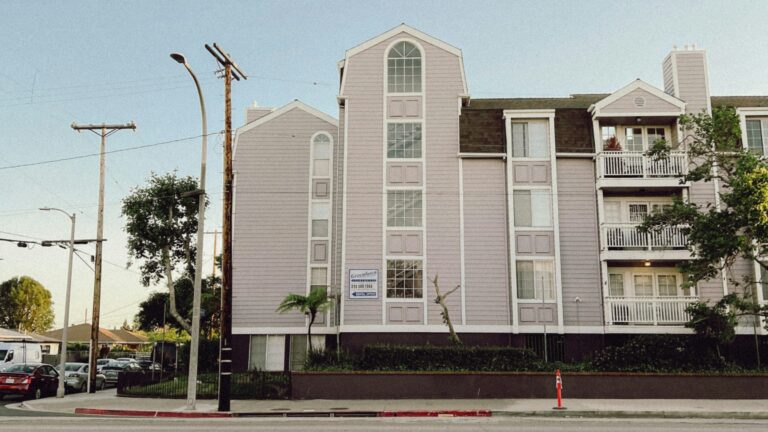 Rentals & tenants
LA RSO Registration Must Be Current Before You Sell
Check the current LAHD RSO, JCO and SCEP fees, the annual deadline, and the 45-day re-registration window you must clear before selling a rental.
Read the guide → Rentals & tenants
Santa Monica Tenant Buyout Agreements: The Notice, the 30-Day Cancel and the Filing Window
Santa Monica buyouts need a rights notice before any offer, a 30-day cancel period and filing on day 31-60. See the 2026 minimum amounts and penalties.
Read the guide → Rentals & tenants
The LAHD Filing Deadline Landlords Miss on a Tenant Buyout in Los Angeles
Los Angeles tenant buyouts require an LAHD disclosure before any offer, a 30-day rescission right, and a signed agreement filed with LAHD within 60 days.
Read the guide → Rentals & tenants
What REAP Actually Means for a Los Angeles Landlord Trying to Sell
If your Los Angeles rental is in REAP — the city's Rent Escrow Account Program — your tenants are legally paying 10%…
Read the guide →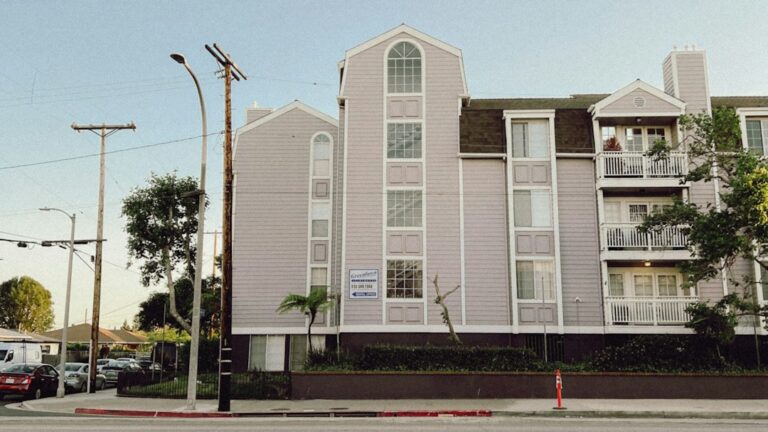 Rentals & tenants
What the AB 1482 Single-Family Exemption Does and Doesn’t Cover in North Redondo Beach
Many North Redondo Beach rentals fail the AB 1482 single-family exemption test. Here's what sellers of a tenant-occupied home must verify first.
Read the guide →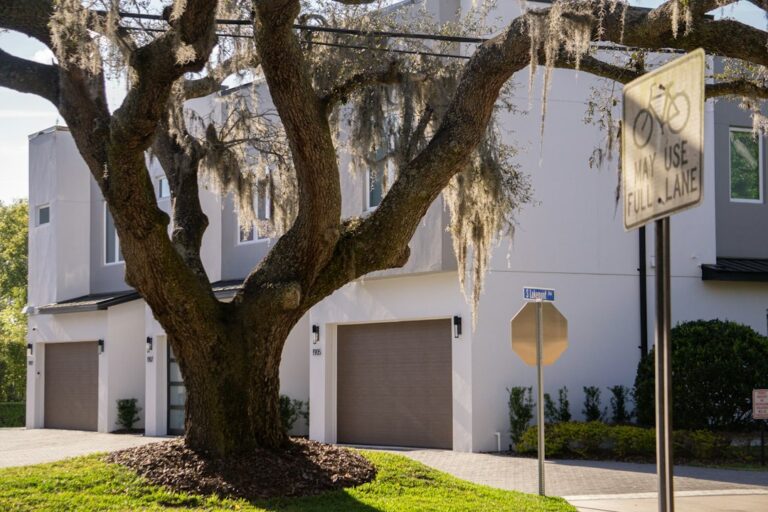 Rentals & tenants
Why Glendale’s Rent Rules Often Don’t Apply to Your Rental
Glendale has its own tenant-protection ordinance, but most single-family rental houses are exempt and fall back to California's AB 1482 instead.
Read the guide →