
Sell a Tenant-Occupied House in Santa Rosa
- Foreclosure, inherited, tenants, damage — we buy it
- Zero fees, zero commissions, zero closing costs
- No obligation — turn the offer down and owe us nothing


Selling With Renters Still In Place
How to sell a rental property in Santa Rosa without evicting tenants first, and what AB 1482’s just-cause and notice rules mean for your timeline.
Landlords selling a rental property in Santa Rosa are frequently told to wait until the lease ends or to evict before listing. Neither is required. Cash Home Buyers CA regularly purchases tenant-occupied houses throughout Santa Rosa and Sonoma County, tenants in place, without the seller needing to end the tenancy first.
Why Selling Occupied Is Often Easier
A traditional retail buyer usually wants a vacant, move-in-ready home, which means either waiting for a lease to expire or navigating a termination before listing — both of which cost time and, in California, involve real legal requirements. Because we buy directly and hold rental property ourselves, an existing tenant and lease aren’t an obstacle. In many cases the lease simply continues with a new owner after closing.
California’s Tenant Protection Rules Still Apply
California’s statewide Tenant Protection Act (AB 1482) governs most rental housing not otherwise exempt, including many Santa Rosa rentals.
Under it, a landlord generally can’t end a tenancy without “just cause” once a tenant has occupied a unit for 12 months or more, and certain no-fault terminations (such as an owner or family member moving in, or taking the unit off the rental market) require specific notice and, in some cases, relocation assistance to the tenant.
Selling the property itself is not automatically just cause to remove a tenant — ownership generally transfers subject to the existing lease and tenant protections, which is exactly why selling with the tenant in place, rather than trying to force a vacancy first, is often the more practical route.
Santa Rosa Has Its Own Layer of Rental Rules
Beyond the statewide framework, Santa Rosa has adopted local rent stabilization and just-cause eviction protections that can apply in addition to AB 1482 for qualifying units.
The specific rules that apply to a given property depend on the building’s age, unit count, and rental history, so if you’re unsure how local rules interact with your lease, it’s worth confirming with the Sonoma County Superior Court’s self-help resources or a local landlord-tenant attorney before taking any action to end a tenancy.
Situations We Regularly See
- A landlord exiting the business. Whether it’s one Santa Rosa rental or several, some owners simply want out of landlording without the hassle of coordinating vacancy with a sale.
- A difficult or underperforming tenant relationship. Rather than pursuing a lengthy legal process to end a tenancy, selling the property with the tenant in place transfers that relationship along with the deed.
- An inherited rental. Heirs who don’t want to become landlords can sell without waiting for a lease to run out.
- Deferred maintenance on a rental. Rentals often carry more deferred maintenance than owner-occupied homes, which can complicate financing for a traditional buyer.
How the Sale Works With a Tenant in Place
We evaluate the property, the lease terms, and the rent roll alongside condition and comparable Santa Rosa sales, then provide a written offer, typically within 24 to 48 hours. Closing happens through a licensed Sonoma County title and escrow company, and the security deposit and any prepaid rent are prorated and transferred as part of closing, consistent with California law governing the handling of tenant deposits when a rental property changes hands.
Frequently Asked Questions
Can I sell my Santa Rosa rental without ending the lease first?
Yes. We regularly buy tenant-occupied properties and the lease typically continues after closing.
Does selling the house let me remove the tenant?
No. A sale generally doesn’t change a tenant’s protections under California’s Tenant Protection Act (AB 1482) or Santa Rosa’s local rules — the lease usually transfers with the property.
What happens to the security deposit at closing?
It’s prorated and transferred to the new owner as part of the closing statement, consistent with California law on deposit handling during a sale.
Do you buy rentals with deferred maintenance?
Yes. We buy rental properties as-is, which is often the case for units that have carried tenants for years.
Get a free, no-obligation cash offer from Cash Home Buyers CA today.
Seller Guides
Helpful guides for homeowners in Santa Rosa
Plain-English answers to the questions sellers ask us most.
 Inherited homes & probate
What Probate Actually Looks Like for an Inherited House in Fresno County
Probate for an inherited Fresno County house runs through one courthouse, but the timeline depends on how title was held. What to expect, step by step.
Read the guide →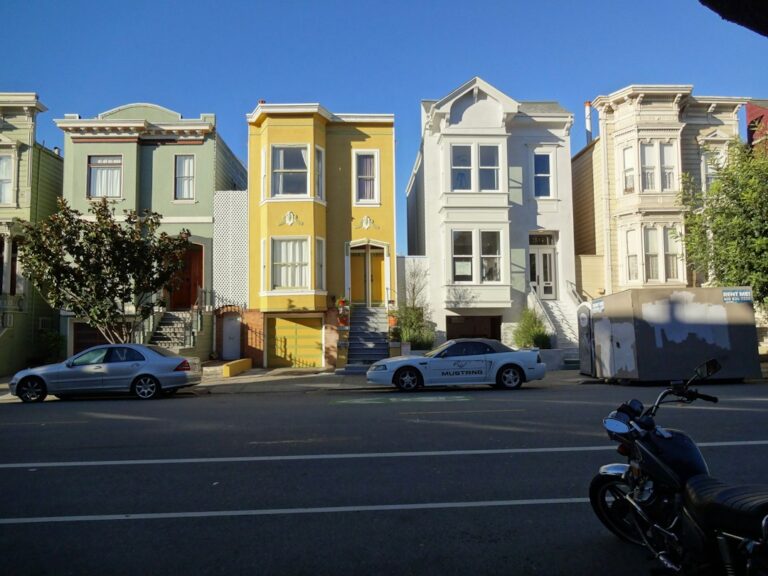 Rentals & tenants
What Alameda’s Relocation Payment Schedule Costs a Landlord Selling With Tenants in Place
Alameda requires a relocation payment, up to five figures per unit, before a landlord can deliver a rental vacant. What the Rent Program requires first.
Read the guide → Rentals & tenants
Which Mountain View Rentals Does the CSFRA Actually Cover?
See which Mountain View rentals the CSFRA covers, its rent cap, just-cause eviction rules, relocation pay, and what landlords must do before raising rent.
Read the guide →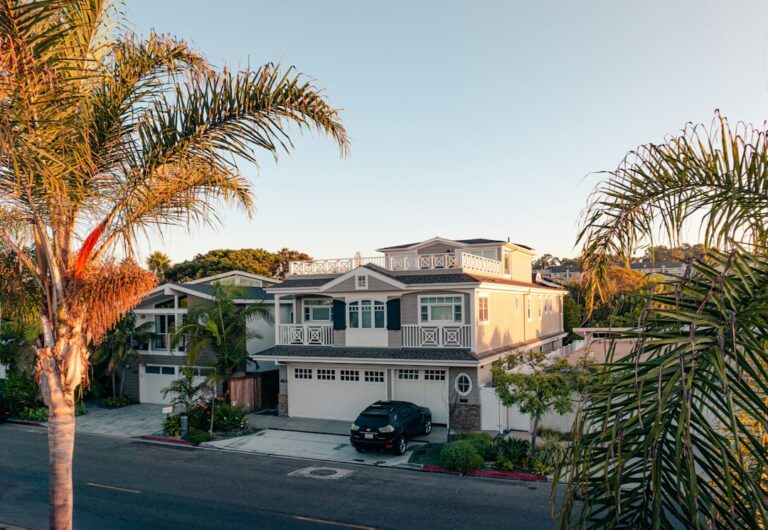 Rentals & tenants
Antioch’s Just Cause Eviction Ordinance: What a Landlord Selling a Rental Must Clear First
Antioch's Tenant Eviction Protection Ordinance (2240-C-S) sets just cause rules, notice deadlines, and relocation pay up to 3 months' rent for landlords.
Read the guide →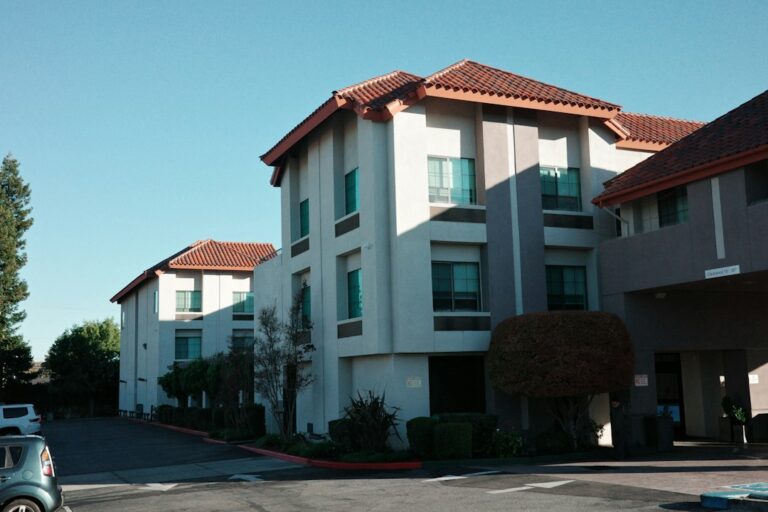 Rentals & tenants
San Jose’s Tenant Protection Ordinance: What a Landlord Selling a Rental Actually Owes
San Jose's Tenant Protection Ordinance sets exact relocation fees and notice rules a landlord must follow before selling a rental property there.
Read the guide → Rentals & tenants
Can a Tenant Refuse Landlord Entry in California?
California tenants can refuse improper entry, but Civil Code 1954 gives sellers a real right of access. Here's the notice rule and what counts as valid.
Read the guide → Rentals & tenants
What Happens When a Tenant Dies in a California Rental?
A tenant's death does not end the lease automatically in California. Here's what happens to rent, the deposit, and belongings before you can sell.
Read the guide → Rentals & tenants
When Does a Guest Become a Tenant in California?
California has no bright-line day count for guest-to-tenant status. Here's how courts decide, and what it means before you sell an occupied house.
Read the guide → Rentals & tenants
Landlord Retaliation Claims in California: What They Mean If You’re Trying to Sell
Selling a rental in California? How Civil Code 1942.5's 180-day retaliation window works, LA just-cause rules, and do's and don'ts for a tenant-occupied sale.
Read the guide →