
Sell a Tenant-Occupied House in Valley Village
- Foreclosure, inherited, tenants, damage — we buy it
- Zero fees, zero commissions, zero closing costs
- No obligation — turn the offer down and owe us nothing


No Vacancy Required
Sell your Valley Village rental with the tenant in place. We honor the lease and any RSO obligations and take over registration after closing.
Valley Village has roughly 8,213 apartment units alongside its houses and condos, and a meaningful share of that stock is older, pre-1978 buildings covered by the city’s Rent Stabilization Ordinance.
That mix of dingbat-era apartment buildings and single-family rentals means landlords here run into tenant-related sale questions more often than in a neighborhood with mostly single-family owner-occupied housing.
Selling a rental with tenants in place doesn’t require clearing the units first — Cash Home Buyers CA buys occupied houses, condos and apartment buildings throughout Valley Village directly from landlords.
A Sale Doesn’t End the Tenancy
Selling a rental property doesn’t give either the outgoing or incoming owner grounds to end a lease.
The buyer simply steps into the seller’s position as landlord, subject to the same lease terms, the same security deposit obligations, and, where it applies, the same Rent Stabilization Ordinance restrictions on rent increases and terminations.
A tenant with a month-to-month agreement or a fixed lease keeps the same protections after the sale that they had before it.
That’s true whether the sale is of a single rented house, a duplex, or a larger apartment building, and it applies the same way in Valley Village as anywhere else in the city.
RSO and Just Cause in Valley Village
- Rent Stabilization Ordinance. Most apartment buildings in the City of Los Angeles built before October 1978 fall under RSO, which caps annual rent increases on covered units and limits the grounds for eviction. Given how much of Valley Village’s multi-family stock dates to the 1950s and 1960s dingbat era, RSO coverage is common here.
- Just Cause Ordinance. Most Los Angeles rentals that aren’t RSO-covered, including many single-family rentals, fall under the citywide Just Cause Ordinance instead, which similarly requires a legally recognized reason before ending a tenancy.
- Registration. RSO units must be registered annually with the Los Angeles Housing Department, and a sale transfers that registration obligation to the new owner rather than resetting it.
- Relocation assistance. A no-fault termination under either ordinance — for example an owner move-in or a permit to vacate for renovation — generally requires the landlord to pay relocation assistance to the tenant, with the amount scaled to how long the tenant has lived there and whether the household includes a senior, a disabled tenant, or minor children.
Why We Don’t Ask You to Empty the Property First
Financed buyers, particularly owner-occupants, often want a property delivered vacant, which forces a landlord to navigate a no-fault termination and its relocation payment before a sale can even go to market.
That process alone can take months and cost thousands of dollars in required assistance, on top of losing rental income while the unit sits empty during the transition.
We buy occupied property directly, honor the existing lease and any RSO restrictions, and take over the Housing Department registration ourselves after closing, which means none of that has to happen before we make an offer.
What the Offer Accounts For
For an occupied house or a small apartment building, we build the offer around the current rent roll, the lease terms, deferred maintenance, and whether rents are at or below market for the neighborhood.
Below-market rents on an RSO building are common in Valley Village given how many of those buildings have had long-term tenants for years, and that below-market income is exactly the kind of factor a conventional lender’s underwriting weighs heavily — and exactly the kind of factor we price around rather than requiring you to raise rents or replace tenants first.
Buildings With Several Units and Mixed Rent Rolls
Valley Village’s dingbat-style buildings from the 1950s and 1960s typically hold somewhere between four and sixteen units, and it’s common for a long-held building to have a wide spread of rents — a unit a tenant has occupied for fifteen years paying well under market, next to a recently turned unit renting closer to current rates.
That spread doesn’t make a building unsellable, but it does make conventional financing harder, because a lender underwrites the building’s actual income, not its potential income at market rents.
We factor in the real numbers on the rent roll as it exists on the day we make the offer, unit by unit, rather than assuming every unit could be re-rented at today’s rate.
What Happens to Security Deposits and Habitability Issues
Security deposits transfer to the buyer at closing along with the obligation to return them under California law when a tenancy ends.
If a unit has an open habitability issue — a leak, a pest problem, an appliance that needs replacing — we account for the repair cost in the offer rather than asking you to fix it before closing, and we take on responsibility for addressing it once we own the building.
That matters in a neighborhood with as much older multi-family stock as Valley Village has, where deferred maintenance on a rental is common and doesn’t need to be cleared up on the seller’s side first.
Escrow on an Occupied Property
During escrow we request current leases, the security deposit ledger, and the property’s RSO registration history if it applies, and we order the city’s 9A Report of Residential Property Records and a preliminary title report the same way we would on a vacant property.
Deeds record at the Los Angeles County Registrar-Recorder/County Clerk in Norwalk, and an occupied house or small building typically closes in two to three weeks once the paperwork is in order, though a building with several units or unclear rent history can run closer to four to six weeks.
Proceeds wire out the day recording is confirmed, and we handle notifying the Housing Department of the ownership change ourselves once we take title.
Why a Landlord Sells Rather Than Keeps Managing
Landlords call us for reasons that have nothing to do with the tenant themselves: an out-of-town owner tired of coordinating repairs remotely, a building that’s become more work than the income justifies once insurance and maintenance costs are counted, or a family that inherited a rental and would rather have the cash than keep managing tenants none of them signed up to be a landlord for.
Others are simply retiring from being a landlord altogether and want to convert a Valley Village property into liquid funds without a long marketing period. None of those situations require ending the tenancy first, and a direct sale is often the only path that doesn’t.
Situations This Comes Up Alongside
Occupied properties often overlap with other situations: an inherited rental a family has held for years, a landlord facing foreclosure who can’t afford to lose rental income during a vacancy, or an owner going through divorce who needs the property liquidated without a months-long eviction process first.
The same RSO and Just Cause rules apply across the rest of the city too — see our guide to selling a tenant-occupied house across the rest of Los Angeles if you own rental property outside Valley Village as well.
Frequently Asked Questions
Can I sell my Valley Village rental without evicting the tenant first?
Yes. We buy the property with the tenant in place and take over as landlord under the existing lease and any RSO obligations.
Do RSO rent caps transfer to the new owner?
Yes. RSO coverage, registration status, and rent-increase limits stay with the unit through a sale; they don’t reset because ownership changed.
What if my rents are below market?
That’s common on Valley Village’s older RSO buildings, and we price the offer around the actual rent roll rather than requiring you to raise rents before selling.
Do I have to pay relocation assistance to sell to you?
No. Relocation assistance is only required when a landlord terminates a tenancy without cause. Selling to us with the tenant remaining in place doesn’t trigger that requirement.
Will my tenant be notified about the sale?
Yes, as is standard, but they don’t need to move or sign anything new. The lease continues, and we handle the ownership-change notice and any deposit transfer paperwork after closing.
Can you buy a building with several different leases and rent levels?
Yes. We price the offer against the actual rent roll for every unit, including units well below current market rent.
If you own a tenant-occupied house, condo or building in Valley Village, call or text 424-435-2326 for a written cash offer within 24 to 48 hours, with no obligation.
Seller Guides
Helpful guides for homeowners in Valley Village
Plain-English answers to the questions sellers ask us most.
 Relocating
Fontana’s Warehouse Boom: What It Means If You’re Relocating
Fontana grew from a wartime steel town into an Inland Empire logistics hub. See what that shift means for home values and selling if you are relocating.
Read the guide → Rentals & tenants
How Much Must Long Beach Landlords Pay Tenants Under the Relocation Ordinance?
Long Beach landlords: see the LBMC 8.99 relocation payments, notice periods, and city filing step required before a no-fault tenant termination.
Read the guide → Rentals & tenants
Pasadena Tenant Protection Ordinance: Notice & Pay Rules
Pasadena's tenant protection ordinance sets notice periods, split relocation pay, and rent caps for owners selling a tenant-occupied rental.
Read the guide →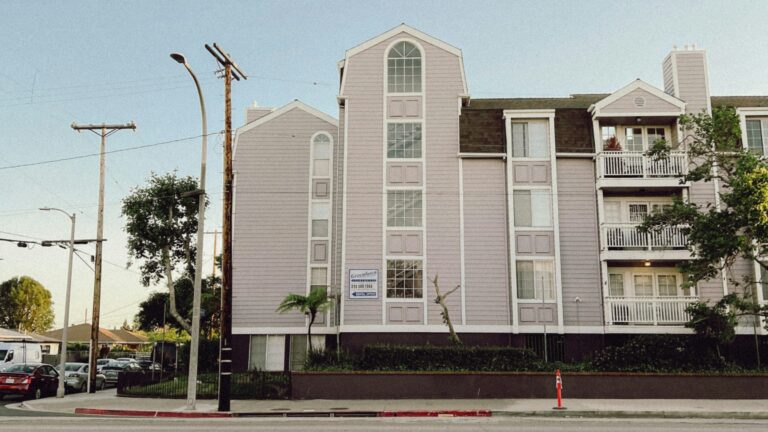 Rentals & tenants
LA RSO Registration Must Be Current Before You Sell
Check the current LAHD RSO, JCO and SCEP fees, the annual deadline, and the 45-day re-registration window you must clear before selling a rental.
Read the guide →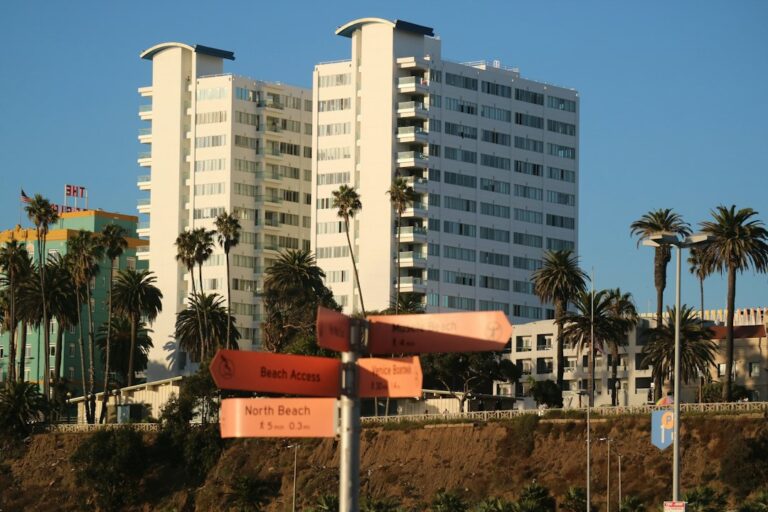 Rentals & tenants
Santa Monica Tenant Buyout Agreements: The Notice, the 30-Day Cancel and the Filing Window
Santa Monica buyouts need a rights notice before any offer, a 30-day cancel period and filing on day 31-60. See the 2026 minimum amounts and penalties.
Read the guide → Rentals & tenants
The LAHD Filing Deadline Landlords Miss on a Tenant Buyout in Los Angeles
Los Angeles tenant buyouts require an LAHD disclosure before any offer, a 30-day rescission right, and a signed agreement filed with LAHD within 60 days.
Read the guide → Rentals & tenants
What REAP Actually Means for a Los Angeles Landlord Trying to Sell
If your Los Angeles rental is in REAP — the city's Rent Escrow Account Program — your tenants are legally paying 10%…
Read the guide →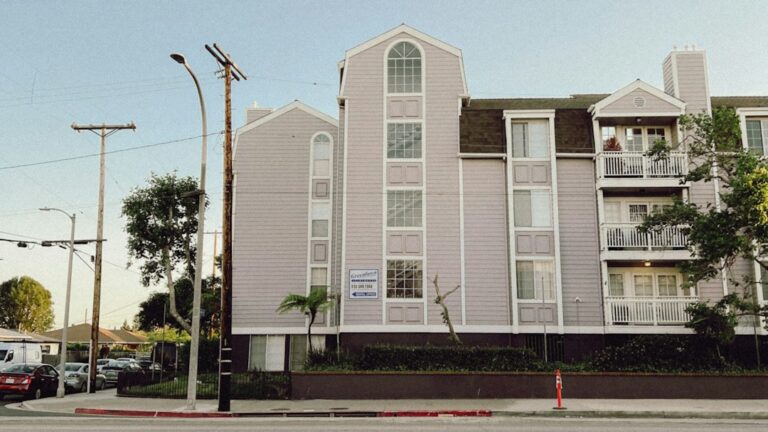 Rentals & tenants
What the AB 1482 Single-Family Exemption Does and Doesn’t Cover in North Redondo Beach
Many North Redondo Beach rentals fail the AB 1482 single-family exemption test. Here's what sellers of a tenant-occupied home must verify first.
Read the guide →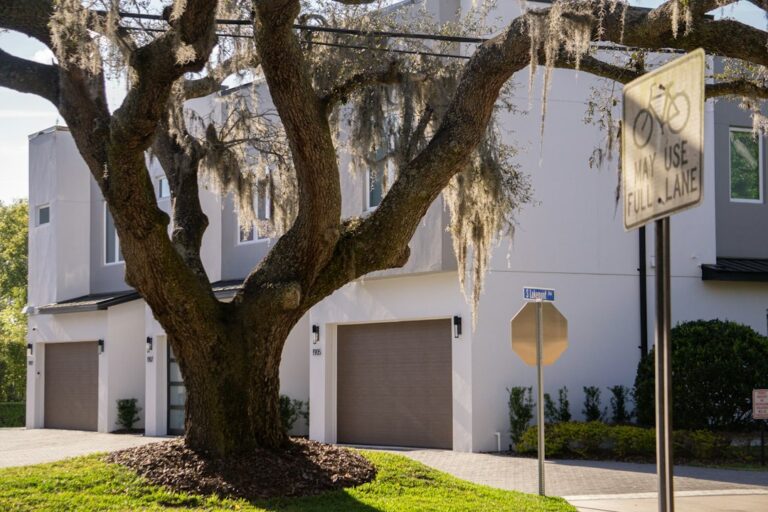 Rentals & tenants
Why Glendale’s Rent Rules Often Don’t Apply to Your Rental
Glendale has its own tenant-protection ordinance, but most single-family rental houses are exempt and fall back to California's AB 1482 instead.
Read the guide →