
Selling an Inherited House in Los Angeles: What’s Different Here
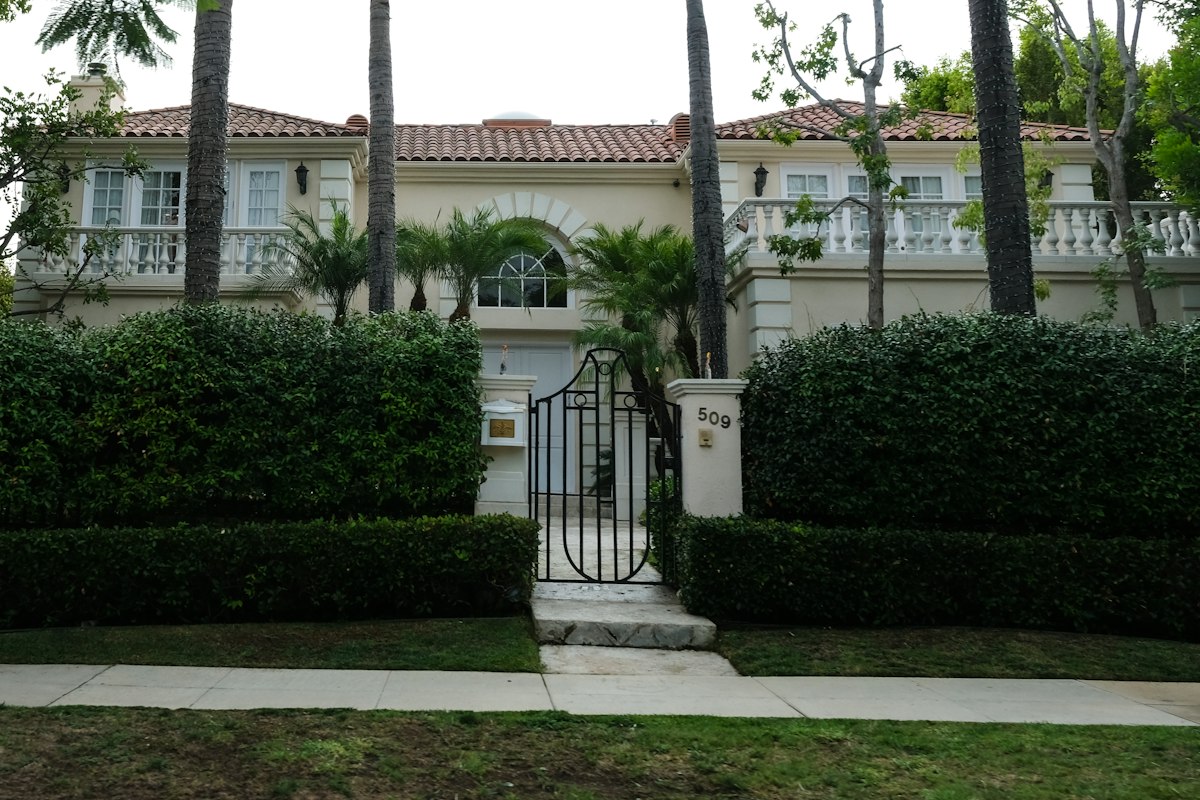
Once you know you’re selling an inherited house in Los Angeles, the real question is how. You basically have three choices: fix it up and list it, list it as-is, or sell it directly to a cash buyer. Each one puts a different amount of money in your pocket, takes a different amount of time, and asks a different amount of work from you. This guide runs all three side by side with a Los Angeles example, then covers the LA County details that change the math: local transfer taxes, City of LA paperwork, probate timing, and older-home issues.
Before You Choose: Can You Sell Yet?
Pull the recorded deed from the LA County Registrar-Recorder/County Clerk and check how title was held. A house in a living trust, held in joint tenancy, or covered by a transfer-on-death deed can often be sold without probate. A house in the decedent’s name alone usually needs probate, and in Los Angeles County that runs through the Superior Court’s probate calendar. You can still choose any of the three paths below in probate, but court rules (and sometimes a confirmation hearing with overbidding) shape the timeline. We cover that in whether you need probate to sell and how LA County probate sales get confirmed.
Path 1: Fix It Up and List It
This is the route that usually brings the highest sale price. You (or the estate) pay for repairs and updates, then list on the MLS with an agent. It works best when the house needs mostly cosmetic work, the estate has cash for repairs, and nobody is under time pressure.
The catch in Los Angeles is that “a little work” often becomes more once walls open up. Many inherited LA homes were built decades ago and haven’t been updated in years, so original electrical panels, galvanized or cast iron plumbing, old sewer lines, and unpermitted additions are common. Every contractor delay adds a month of carrying costs on an empty house. Our Los Angeles older homes report digs into what that housing stock looks like.
Path 2: List It As-Is
You skip repairs, clean the house out, disclose what you know, and list it at an as-is price. California lets you do this as long as you make the required disclosures. In probate, some disclosure forms don’t apply to the executor, but honesty about known defects still matters.
The tradeoff is that most buyers still get inspections and many use loans. If the inspection turns up a failing sewer line or the lender’s appraiser flags a safety issue, you’re often renegotiating in escrow. As-is listings work well when the house is livable and you want market exposure without managing a remodel.
Path 3: Sell Directly to a Cash Buyer
A direct buyer purchases the house as-is, usually with no repairs, no showings, no cleanout, and no loan contingency. You trade some price for speed and certainty. This fits best when the house needs significant work, is full of belongings, has tenants or squatters, or when carrying costs, family stress, or distance make waiting expensive. It’s the least work for you, but rarely the highest number.
A Los Angeles Example, Side by Side
Here’s an illustration for a paid-off inherited house inside City of Los Angeles limits. The prices, repair budget, commission, and monthly costs are assumptions to show how the math works, not quotes. Transfer taxes use the actual rates: $1.10 per $1,000 for LA County plus $4.50 per $1,000 for the City of LA.
| Fix and list | List as-is | Sell direct | |
|---|---|---|---|
| Sale price | $1,000,000 | $900,000 | $800,000 |
| Repairs and updates | -$60,000 | $0 | $0 |
| Credit to buyer after inspection | $0 | -$15,000 | $0 |
| Agent commission (assumed 5%) | -$50,000 | -$45,000 | $0 |
| County + City of LA transfer tax | -$5,600 | -$5,040 | -$4,480 |
| Escrow, title, other closing costs (estimate) | -$6,000 | -$5,500 | -$2,000 |
| Carrying costs at $1,800/month | -$10,800 (6 months) | -$5,400 (3 months) | -$1,800 (1 month) |
| Estimated net | $867,600 | $824,060 | $791,720 |
In this example, fixing and listing nets about $76,000 more than a direct sale. That’s real money, and if the estate has the cash, the time, and someone local to manage contractors, it may be the right call. But look at what it requires: $60,000 spent up front, six months of waiting, and the risk that repairs run over or the market softens. List as-is lands in the middle on both money and effort. A direct sale nets the least but closes fast with almost no work or risk.
Your numbers will differ. Commissions are negotiable, and some houses sell above list. The useful exercise is filling in this table with real figures: a contractor bid, an agent’s price opinion, and a written cash offer.
The table also leaves out the personal side. Clearing a family home of decades of belongings can take weeks and usually means hiring haulers or an estate sale company, and it has to happen before either listing path. Sorting through a parent’s things is emotional work too. With a direct sale, you take what matters to you and leave the rest behind.
LA County Details That Change the Numbers
- City vs. county transfer tax. The $4.50 per $1,000 City of LA tax only applies inside city limits. A handful of other cities (Culver City, Santa Monica, Pomona, and Redondo Beach) add their own tax, while most of the county pays just the $1.10 county rate. Who pays is negotiable, but sellers commonly cover it.
- Measure ULA. On top of the regular city tax, the City of LA charges an extra transfer tax on sales starting a little above $5 million (the threshold adjusts each year). Most inherited homes fall below it, but high-value estates should check before pricing.
- The 9A report. When selling a house in the City of LA, the seller must give the buyer a Residential Property Report from LADBS before the sale or close of escrow. It shows permitted use and zoning, and it’s where unpermitted additions often surface. The fee is $70.85.
- Tenants. If a relative or tenant lives in the house, LA’s tenant protections can affect your timeline and price. See our guide on selling a house with tenants in Los Angeles before you plan on delivering it vacant.
- Property tax reassessment. Unless a child moves in, Prop 19 typically resets the tax bill to market value, and a supplemental bill can follow. That raises the monthly cost of waiting. Here’s how the Prop 19 reassessment works.
Quick Way to Choose
- Fix and list if the estate has repair money, the work is mostly cosmetic, heirs agree, and you can wait six months or more.
- List as-is if the house is livable and clean-able, and you want the market to set the price without managing a remodel.
- Sell direct if the house needs major work, is full of belongings, has occupancy issues, or the heirs live far away or can’t agree on spending money.
Common Questions
Can I sell an inherited LA house before probate is finished?
Often yes. Once the executor or administrator is appointed, they can usually sell during probate, sometimes with court confirmation. The sale proceeds then stay in the estate until distribution.
Do I have to fix code issues before selling in Los Angeles?
Generally no. You can sell as-is with proper disclosures. A buyer’s lender may require certain fixes, which is one reason cash buyers are common for older LA homes.
Who pays the transfer tax on an inherited home sale?
It’s negotiable, but in Los Angeles the seller commonly pays both the county and city portions, and the estate pays it out of proceeds at closing.
Get a Real Number for Path 3
The best decision comes from comparing real offers, not guesses. We can give you a written cash number for the direct-sale column so you can line it up against your agent’s estimate. We either buy directly or bring a vetted cash buyer, and we work with LA homes in probate, in trusts, or still full of a lifetime of belongings. Call us at (424) 435-2326 or request a no-obligation offer online.