
Sonoma County Property Tax Guide for Homeowners and Sellers
- Behind on property taxes, inherited, tenants, damage — we buy it
- Zero fees, zero commissions, zero closing costs
- No obligation — turn the offer down and owe us nothing
Owe Property Taxes? Get a Cash Offer Before the Next Deadline
Unpaid Sonoma County property taxes are paid from your sale proceeds at closing. Tell us about the house and get a written cash offer.
Last updated November 13, 2026. Reviewed by the Cash Home Buyers CA team. Figures come from the Sonoma County Auditor-Controller-Treasurer-Tax Collector and the Clerk-Recorder-Assessor; sources are listed at the end.
Sonoma County property taxes are paid in two installments, delinquent at 5 p.m. on December 10 and April 10, and a late second installment costs 10 percent plus a $20 administrative charge. A late first installment costs 10 percent. If the taxes are still unpaid on June 30 the property becomes tax-defaulted. When you sell, escrow pays the amount owed out of the proceeds.
Sonoma County property tax at a glance
| Bills mailed | Once a year in the fall. Call if none arrives by November 10 |
| First installment | Due November 1, delinquent at 5 p.m. on December 10 |
| Second installment | Due February 1, delinquent at 5 p.m. on April 10 |
| Late penalty | First: 10%. Second: 10% plus a $20 administrative charge |
| After June 30 | Tax-defaulted: $15 redemption fee plus 1.5% a month |
| Power of sale | Up to five years after default |
| Installment plan | Up to five years, $25 one-time fee, at least 20% down |
| Homeowners’ Exemption | $7,000, by application to the Assessor |
| Tax Collector | 585 Fiscal Drive, Suite 100, Santa Rosa, CA 95403. Phone (707) 565-2281 |
| Transfer tax when you sell | County $0.55 per $500; Santa Rosa and Petaluma add $2.00 per $1,000 |
When are Sonoma County property taxes due?
The county mails the annual secured bill once, to the address the Assessor has on file. The first installment is due November 1 and delinquent at 5 p.m. on December 10, and the second is due February 1 and delinquent at 5 p.m. on April 10.
You may pay the full year with the first installment. If a delinquency date falls on a weekend, the next business day applies, which makes this cycle’s deadlines Thursday, December 10, 2026, and Monday, April 12, 2027.
If no bill has come by November 10, call the office for a duplicate. If you get a bill for a property you have already sold, write sold on it and send it back to the office.
Unsecured bills run on a different clock. They are mailed in July, delinquent after 5 p.m. on August 31, and carry a 10 percent penalty. If they stay unpaid, another 1.5 percent accrues on the first day of each month, and a referral to Central Collections adds a $120 fee. A payment returned for insufficient funds draws a $30 fee.
How do I pay Sonoma County property taxes?
The Tax Collector accepts payment online, by mail, in person, by an automated phone line at (888) 636-8418, and at a drive-through drop-off. The office is at 585 Fiscal Drive, Suite 100, Santa Rosa. Staff answer (707) 565-2281 Monday to Friday, 9 a.m. to 4:30 p.m., and the public lobby is open 9 a.m. to 5 p.m. Mail goes to the Tax Collector, Attn: Secured Property, P.O. Box 3879, Santa Rosa, CA 95402.
If a lender impounds your taxes, the lender gets the annual bill and you receive an information copy. Supplemental bills are not sent to the lender, so ask who will pay them. The county does not excuse penalties that come from a misunderstanding with a lender.
What happens if I don’t pay property taxes in Sonoma County?
The penalties come first, and then the default charges. At 5 p.m. on June 30 any unpaid tax makes the property tax-defaulted, with a $15 redemption fee and a 1.5 percent monthly penalty. The county spells out the redemption amount as the unpaid taxes, the 10 percent penalty on each installment, $20 for each delinquent year, the $15 fee, and the monthly 1.5 percent penalties.
Taxes can stay unpaid for up to five years after default. After that the property is subject to the power of sale, either at public auction or through acquisition by a public agency. Before that point, a plan is available.
Taxes at least one year past due may qualify for a five-year installment plan, and while the plan is in good standing the property is not subject to the power to sell.
- To start, the office needs a signed agreement, at least 20 percent of the redemption amount, and a one-time $25 fee.
- Interest runs at 1.5 percent a month on the unpaid balance.
- Each year by April 10 you pay current-year taxes, including supplemental ones, plus that year’s installment of at least 20 percent.
- Miss a requirement and the plan defaults, partial payments stop, and a new plan can start only after July 1 with a new agreement, down payment and fee.
Questions on a specific parcel go to (707) 565-2281 or Taxcollector@sonomacounty.gov.
What is a supplemental tax bill in Sonoma County?
A sale or new construction triggers a reassessment starting the first day of the month after the change. The supplemental bill that results is mailed throughout the year, at least 35 days after the Assessor’s supplemental notice, and goes directly to the owner.
Timing decides the due dates: bills mailed from July 1 to October 30 share the annual bill’s December 10 and April 10 dates, while bills mailed from November 1 to June 30 carry their own dates printed on the bill.
The Homeowners’ Exemption lowers the assessed value by $7,000, but it is not automatic. You apply through the Assessor, you must occupy the home as your principal residence within 90 days of purchase, and for a supplemental assessment you apply before the 30th day after the Assessor’s notice date.
Estimate your Sonoma County transfer tax when you sell
The county tax is $0.55 per $500 of value and applies in Cloverdale, Cotati, Healdsburg, Rohnert Park, Sebastopol, Sonoma and the Town of Windsor. Santa Rosa and Petaluma charge a separate $2.00 per $1,000 on top of the county tax. The county figure is calculated after subtracting any loans the buyer assumes, but the city taxes allow no such deduction. The calculator below includes the Santa Rosa and Petaluma tax as an option.
How to sell a house in Sonoma County when you owe property taxes
You can sell a house with taxes owed. Because the taxes are a lien, escrow pays them from your proceeds, and the buyer receives a clean tax record.
- Get the redemption figure. Contact the Tax Collector and ask for the total on your expected closing date, since the 1.5 percent monthly charge keeps rising.
- Decide between the plan and a sale. The five-year plan protects you from power of sale, but it needs 20 percent down and costs 18 percent a year in interest.
- Price the transfer tax. On a $700,000 sale in Santa Rosa, the county takes $770 and the city takes $1,400. Elsewhere in the county, only the $770 applies.
- Pick a closing date. Closing before December 10 or April 10 avoids the penalty on that installment.
We buy houses throughout Sonoma County as they are, and a cash close can be timed around the tax calendar. Request a cash offer to see how it would work for your house.
Sonoma County property tax FAQ
What is the late fee on the second Sonoma County installment?
A 10 percent penalty plus a $20 administrative charge if unpaid by 5 p.m. on April 10.
Is there a payment plan for Sonoma County back taxes?
Yes. Taxes at least one year past due can enter a five-year installment plan with a signed agreement, at least 20 percent down, a $25 fee, and 1.5 percent monthly interest on the balance.
How long can Sonoma County taxes go unpaid before a sale?
Up to five years after default. Then the property becomes subject to the power of sale through public auction or purchase by a public agency.
Do Santa Rosa and Petaluma charge a city transfer tax?
Yes. The county’s page lists $2.00 per $1,000 in each city, in addition to the county’s $0.55 per $500.
How do I sell a house in Sonoma County with delinquent property taxes?
Request the redemption amount from the Tax Collector, give it to escrow, and the taxes are paid from your proceeds at closing.
Sources
- Sonoma County Tax Collector: Due Dates and Penalties
- Sonoma County Tax Collector: Property Tax FAQs
- Sonoma County Tax Collector: Redemption of Defaulted Property Taxes
- Sonoma County Clerk-Recorder: Documentary Transfer Tax
This guide is general information, not tax or legal advice. Rates, fees and dates can change; confirm the amount on your own bill with the Sonoma County Tax Collector.
From the Blog
Latest guides for California home sellers
-

California’s Judicial Foreclosure Redemption Right: The One-Year Window Most Owners Never Hear About
California's rarer judicial foreclosure process comes with a statutory right to redeem the property for up to a year after the sale…
Read the guide → -
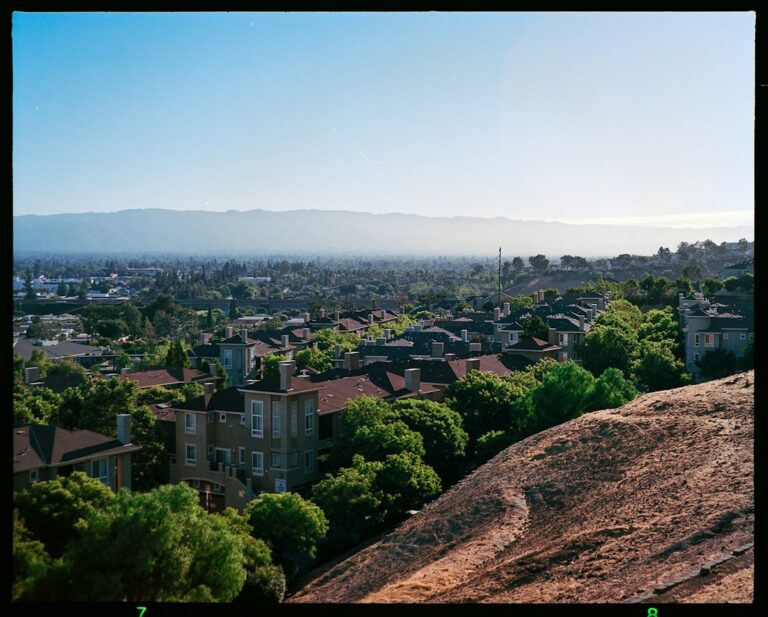
Santa Clara County’s Tax-Defaulted Property Auction: How to Claim the Excess Proceeds
When a Santa Clara County home isn't redeemed within the state's deadline, the county can sell it at public auction — and…
Read the guide → -
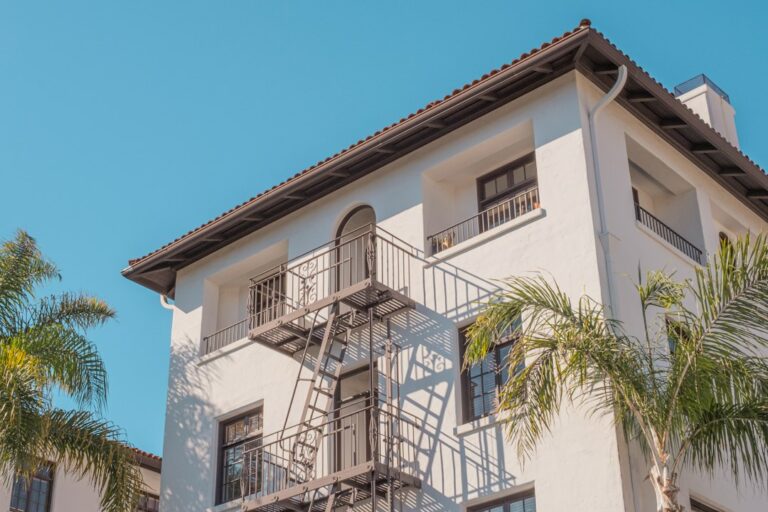
Pomona’s Rent Stabilization Ordinance Just Became Permanent: What Landlords Must Do Before Selling
Pomona's Ordinance No. 4359 became permanent on January 1, 2026, replacing the city's prior urgency ordinances and capping most rent increases at…
Read the guide → -
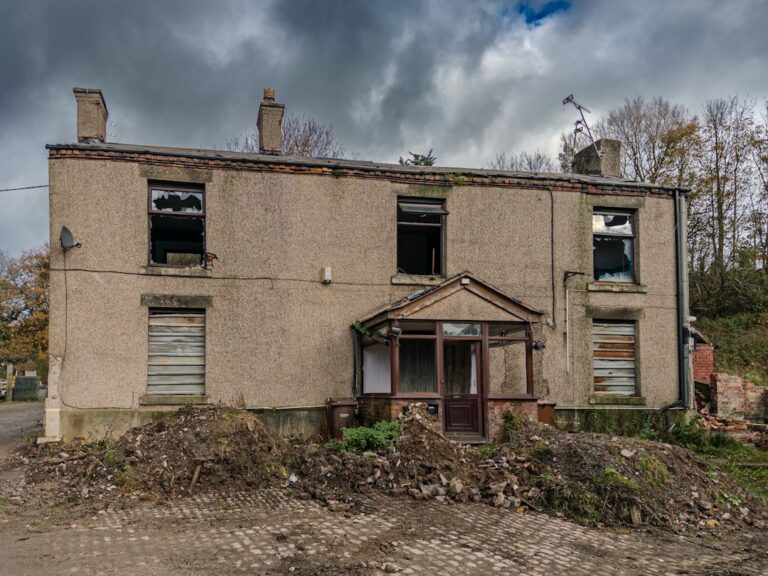
Compton’s Substandard Building Ordinance, Explained
Compton can order a dangerous or substandard house secured, repaired, or demolished under Municipal Code Chapter 14, and if the owner misses…
Read the guide → -
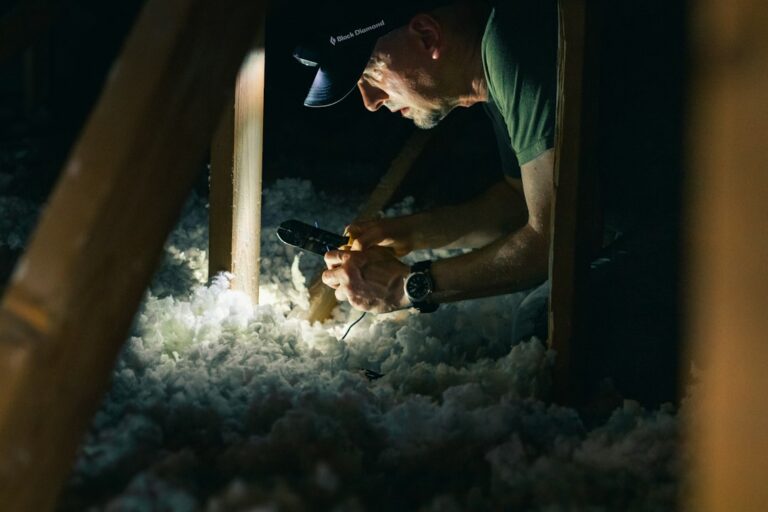
Chico’s RECO Inspection: What Sellers of Older Homes Must Fix Before Closing
Chico requires sellers of homes built before July 1, 1991 to pass a RECO energy and water retrofit inspection — or transfer…
Read the guide → -

Emeryville’s Just Cause Eviction Ordinance: Relocation Pay Under Municipal Code 5-40
Emeryville had its own just-cause eviction and relocation-assistance ordinance years before California’s statewide AB 1482 existed, and the local rule is still…
Read the guide → -

Malibu’s Six-Year Rebuild Deadline After the Palisades Fire: Municipal Code 17.60.020(C)
Malibu homeowners rebuilding after the January 2025 Palisades Fire have a hard deadline most residents outside the city have never heard of:…
Read the guide → -

California’s Security Deposit Cap: How AB 12 Limits What Landlords Can Collect
AB 12 caps most California security deposits at one month's rent, with a narrow exception for small landlords — plus new 2025…
Read the guide → -

California Civil Code §4525: The 11 HOA Documents You Must Hand a Buyer Before Closing
California Civil Code §4525 requires sellers inside an HOA to hand buyers 11 specific documents before closing — a list that just…
Read the guide →