
How Our Topanga Cash-Offer Process Works
- Foreclosure, inherited, tenants, damage — we buy it
- Zero fees, zero commissions, zero closing costs
- No obligation — turn the offer down and owe us nothing


See exactly how a Topanga cash sale moves from first call to funded escrow.
We research permit history, septic/well status, access easements and title before we ever put a number in writing.
Buying a house in Topanga is not the same as buying one a few miles down the hill in the San Fernando Valley or on the Westside, and a cash-offer process that ignores that difference is one that gets the number wrong.
Cash Home Buyers CA built our process around the things that actually matter in this canyon — septic and well systems, single-road access, post-fire insurance, and unincorporated county permitting — so here is exactly how it works, step by step.
Step 1: You Tell Us About the Property
The process starts with a call or an online form where you tell us the address, roughly what condition the house is in, and why you are selling — relocating, an inherited property, a tenant situation, a foreclosure notice, a divorce, or simply wanting a fast, certain sale without listing.
We do not need you to have already fixed anything, cleaned anything out, or gathered paperwork before this first conversation.
We ask a handful of Topanga-specific questions up front: is the water supply a private well or a Los Angeles County Waterworks connection, is the property on septic, is there a shared driveway or access easement with a neighboring parcel, and do you know of any additions or structures that may not have been permitted.
None of these answers disqualify a property from an offer; they simply help us research accurately from the start rather than discovering surprises mid-escrow.
Step 2: We Research the Property and the Canyon-Specific Details
Before we put a number in writing, we do our own homework rather than asking you to produce documents you may not have.
That research typically includes checking Los Angeles County Regional Planning and Public Works records for permit history on any additions or structures, since Topanga is unincorporated county land and its permitting runs through the county rather than a city building department.
We look at whether the parcel is in the Coastal Zone, which can add California Coastal Commission considerations for certain work, and whether it sits within Topanga State Park’s surrounding fire-hazard severity zones, which affects both insurance and any future construction.
We also check current FAIR Plan or surplus-lines insurance costs in the area, since that materially affects what a property is worth to hold, and we factor in Movoto’s recent market data, which showed a median sold price near $1,845,000 in August 2026 against a median 117 days on market, so we understand the realistic retail alternative before we make our own offer.
Step 3: We Make a Written Cash Offer
Within 24 to 48 hours of gathering the information above, we send a written offer, not a verbal estimate that changes later.
The offer reflects the property’s actual condition — septic and well status, any unpermitted work, fire-related repair needs, access arrangements — rather than a hoped-for retail number that assumes none of that exists.
You are free to compare it against what a real estate agent believes the house could list for, and we are comfortable with that comparison; our value is certainty and speed, not necessarily the single highest hypothetical number a financed retail sale might someday produce if every contingency happened to clear.
Step 4: You Decide, With No Pressure and No Obligation
There is no obligation to accept the offer, and we do not use high-pressure sales tactics or artificial deadlines to push a decision. Take the time you need to talk with family, a real estate attorney, or a financial advisor.
If the offer works for you, we move to opening escrow; if it does not, you have lost nothing by getting it, and you are welcome to reach back out later if your circumstances change.
Step 5: We Open Escrow With a Licensed Title Company
Once you accept, we open escrow with a licensed Los Angeles County title and escrow company, the same kind of neutral third party used in any real estate closing.
The title company runs a preliminary title report, which for a Topanga property often means specifically checking for recorded easements covering a shared driveway or private road, any liens, and confirming clear ownership, particularly important for an inherited property that may still be going through probate or a property with multiple heirs.
If the preliminary title report turns up a recorded easement, an old lien, or a probate requirement, we work through it with the title company rather than treating it as a reason to back out; canyon properties often carry exactly these kinds of recorded arrangements, and resolving them is a normal part of our process, not an obstacle.
Step 6: Signing and Recording
You sign closing documents either in person or remotely through the title company’s standard remote-closing process, which matters for owners who have already relocated out of state or who are managing a sale on behalf of a family member.
Once signed, the deed is recorded with the Los Angeles County Registrar-Recorder/County Clerk in Norwalk, which is the official record for property title changes throughout unincorporated Los Angeles County, including Topanga.
Recording is what makes the sale official and public record, and it typically happens within a day or two of signing, coordinated entirely by the title company.
Step 7: You Get Paid
Funds are disbursed by the title company once recording is confirmed, typically by wire transfer to whatever account or accounts you designate, including a direct split between multiple heirs on an inherited property or between spouses per a divorce settlement agreement.
There is no waiting on a buyer’s mortgage lender to fund the loan, which is the step that most often introduces delay or last-minute collapse in a financed retail sale.
What Makes This Different From Listing With an Agent
A traditional listing means preparing the house for showings, waiting for a buyer to secure financing, and hoping that buyer’s lender does not balk at the septic report, the well’s water quality test, an unpermitted addition, or the property’s FAIR Plan insurance status once underwriting takes a close look, any of which can restart the search from scratch weeks into escrow.
Our process removes financing risk entirely since we do not rely on a mortgage to close, and it removes the need to repair, stage, or show the house since we buy it in its current condition.
The tradeoff, and we are upfront about it, is that a cash offer is generally lower than a top-of-market retail sale price that clears every contingency; what you are buying with that difference is certainty, speed, and the ability to skip the repair and showing process entirely.
How Long the Whole Process Takes
From your first call to funds in your account, the fastest Topanga closings we handle run one to two weeks, typically on a property with clear title and no complicating factors.
A property still in probate, with multiple heirs who need to coordinate, or with a title issue the preliminary report uncovers, usually takes longer while that issue resolves, though we work in parallel wherever possible rather than waiting to start until everything is perfectly resolved.
We can also close on a later date that fits your own timeline, whether that means waiting for a probate step to finish or lining up with a move-out date; the process is not a race unless you want it to be.
Frequently Asked Questions
Do I need to make any repairs before you make an offer?
No. We buy Topanga houses in their current condition, including fire damage, septic or well issues, and unpermitted work.
How is the offer amount actually calculated?
We weigh the property’s condition, its permit history, septic and well status, access arrangements, and current comparable sales data, then factor in what it would cost us to resolve any issues before the property could be resold.
Is there any cost or commission to me?
No. We do not charge a commission, and we typically cover standard closing costs; you keep the agreed price.
What if the title search finds an old easement or lien I did not know about?
That is common on canyon properties with shared driveways, and we work through it with the title company rather than treating it as a reason to walk away.
Can the process work if the property is still in probate?
Yes, though closing generally has to wait for whatever probate court authorization is legally required; we can still make an offer and begin preliminary work in the meantime.
Do I have to accept the offer once I receive it?
No. There is no obligation, and you can walk away at any point before signing closing documents with no cost to you.
Can I close on a specific future date instead of as fast as possible?
Yes. We can time closing to fit a move, a probate timeline, or another deadline you are working around.
Get a free, no-obligation cash offer from Cash Home Buyers CA today, or see how the process works across the rest of Los Angeles.
Seller Guides
Helpful guides for homeowners in Topanga
Plain-English answers to the questions sellers ask us most.
 Relocating
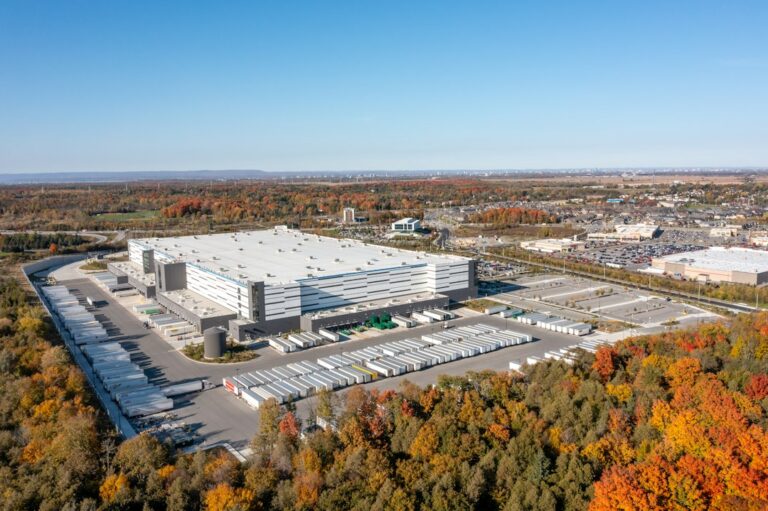
Fontana’s Warehouse Boom: What It Means If You’re Relocating
Fontana grew from a wartime steel town into an Inland Empire logistics hub. See what that shift means for home values and selling if you are relocating.
Read the guide → Selling for cash
The Transfer Tax Every Los Angeles Seller Pays, With or Without Measure ULA
Los Angeles charges its own $4.50-per-$1,000 tax on top of the county rate, before Measure ULA applies. See the exact combined math at closing.
Read the guide → Rentals & tenants
How Much Must Long Beach Landlords Pay Tenants Under the Relocation Ordinance?
Long Beach landlords: see the LBMC 8.99 relocation payments, notice periods, and city filing step required before a no-fault tenant termination.
Read the guide → Selling for cash
What Inglewood’s Housing Protection Ordinance Requires Before You Sell a Rental
Inglewood's Housing Protection Ordinance covers more rentals than expected, with rent caps, just-cause rules, and relocation tiers that transfer at sale.
Read the guide → Selling for cash
The Five-Year Countdown Before Los Angeles County Auctions a Tax-Defaulted Home
LA County auctions tax-defaulted homes after five years unpaid. See the redemption deadline, installment options, and how to claim excess proceeds.
Read the guide →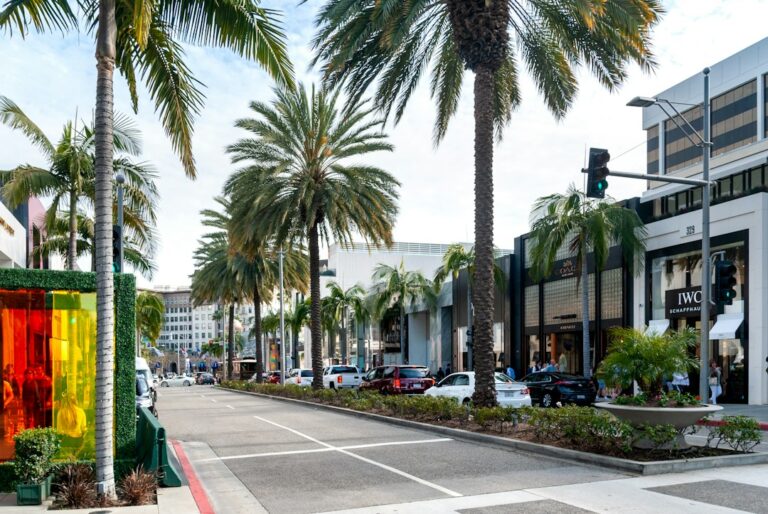 Selling for cash
What Beverly Hills’ Rent Stabilization Ordinance Requires Before You Sell
Beverly Hills runs its own BHMC Chapter 5 and 6 rent rules: caps, BHRent registration, just-cause grounds and relocation fees sellers must clear first.
Read the guide → Selling as-is
What Rancho Palos Verdes’ Landslide Zones Mean for a Natural Hazard Disclosure
Rancho Palos Verdes sellers must check a landslide-zone box on the state Natural Hazard Disclosure Statement, separate from the earthquake fault question.
Read the guide → Selling for cash
West Hollywood’s Rent Stabilization Ordinance: What a Seller With Tenants Must Clear First
West Hollywood's rent stabilization law sets strict just-cause rules and relocation fees before you can sell a tenant-occupied rental unit here.
Read the guide → Inherited homes & probate
Partition Actions Between Heirs: How California Law Forces a House Sale
California heirs can force a house sale through a partition action under CCP 872-874, with court referees, confirmation hearings, and buyout rights.
Read the guide →