
Turlock Zoning and ADU Guide for Homeowners and Sellers
- Backyard unit, garage conversion or zoning question: we buy as-is
- Zero fees, zero commissions, zero closing costs
- No obligation: turn the offer down and owe us nothing
Unpermitted Unit or Zoning Problem in Turlock? Sell As-Is for Cash
An illegal garage conversion or backyard unit does not have to block a sale. Tell us about the house and get a written cash offer.
Last updated November 13, 2026. Reviewed by the Cash Home Buyers CA team. Information comes from the Turlock Municipal Code (section 9-2-119), the city’s Building and Safety pages and its ADU pre-drawn plans page; sources are listed at the end.
In Turlock, an accessory dwelling unit (ADU) or junior ADU that meets the city’s location and development standards is processed ministerially, with no discretionary zoning permit, and the city offers free pre-drawn plans for detached units. For a seller, the practical question is often what to do about a converted garage, backyard cottage or room addition that was built without any of that process. This guide summarizes the rules and what an unpermitted unit means for a sale.
Turlock ADU rules at a glance
| Code | Turlock Municipal Code section 9-2-119, implementing Government Code sections 65852.2 and 65852.22 |
| Building and Safety | 156 S. Broadway, Suite 130; (209) 668-5560; building@turlock.ca.us; Monday to Friday 8 a.m. to 5 p.m. |
| Planning | 156 S. Broadway, Suite 120; (209) 668-5640; planning@turlock.ca.us |
| Detached ADU size | Up to 1,200 sq ft |
| Attached or interior ADU | Up to 50 percent of the primary home’s floor area |
| Junior ADU | 150 to 500 sq ft, inside the existing or proposed home |
| Height | Detached 16 ft (18 or 20 ft near transit or with matching roof pitch); attached 25 ft or the district limit, whichever is lower |
| Setbacks | 4 ft side and rear for a new detached unit; none for a garage or accessory structure conversion |
| Parking | One extra space, with several waivers; no replacement when a garage is converted |
Where ADUs are allowed
The code says the lot must be zoned for residential or mixed-use development and include a proposed or existing dwelling. An ADU can be attached to the home, built within it (including an attached garage or storage area), built in an accessory structure, or detached on the same lot.
A lot with an ADU cannot be subdivided so the ADU sits on its own parcel, except as Government Code section 65852.26 allows.
How many ADUs and what size
A lot with a single-family home can have one ADU and one junior ADU, provided the junior unit is within the main structure. Multifamily lots may convert non-habitable space into units, within 25 percent of the existing unit count, and may add up to two detached units.
The code caps an attached or interior ADU at 50 percent of the primary unit’s floor area and a detached ADU at 1,200 square feet. An ADU in an existing accessory structure may be expanded by up to 150 square feet to meet access and fire safety needs.
Setbacks, lot coverage and design
A new detached ADU must sit at least four feet from side and rear property lines.
No setback is required for a converted garage or accessory structure, for replacing an enclosed structure with the same footprint, or for a unit within an existing residence if the fire marshal finds side and rear access sufficient.
Lot coverage cannot be used to prevent an 800-square-foot ADU with four-foot setbacks. A new or altered ADU must be generally similar to the home in window and door style, siding and colors, and roof style and pitch. Units in historic districts must meet objective historic standards.
Parking, utilities and rentals
An ADU needs one off-street space in addition to the home’s required parking, which can be covered, uncovered or tandem.
The requirement is waived for units inside the home or an existing accessory structure, within half a mile of transit, on streets requiring permits not offered to the occupant, on narrow streets, in historic districts and within a block of car share.
All ADUs must connect to water, electric and sewer, though a separate connection or capacity charge is not imposed for units entirely within the home. An ADU may be rented but not for 30 days or less, and it cannot be sold apart from the lot and main home.
Units attached to or inside the home need a separate entrance. A new detached ADU must meet the state energy code’s solar requirement, and sprinklers are required if the home is sprinklered.
Free pre-drawn ADU plans
Stanislaus County, with Ceres, Modesto, Oakdale, Riverbank, Turlock and Waterford, developed a set of detached new-construction ADU plans, available free to property owners. Turlock’s page lists floor plans of 260, 405, 562, 744, 798, 896, 1,050 and 1,192 square feet.
To apply, the city asks for the following to be submitted electronically to Building and Safety: a building permit application, a plot plan, fire sprinkler plans if the main home is sprinklered, photovoltaic plans for new detached ADUs, and truss calculations if applicable.
Floor, foundation, framing, electrical, plumbing and energy documents are not required when a pre-checked plan is used.
Sheds, garages and other accessory structures
The city’s accessory structure page says a building permit is needed if a structure is 120 square feet or more, or if it will have electricity or plumbing. Smaller structures without utilities do not need one.
Structures in a rear or side yard under seven feet tall are not subject to setbacks; taller ones need a five-foot setback from all property lines, and detached structures are limited to 15 feet in height. Detached accessory structures over seven feet cannot total more than 1,000 square feet.
Residential Estate lots carry a ten-foot rear and side setback. A shed turned into a rental unit without a permit is the kind of conversion that creates a problem at sale. See our Turlock building permits guide.
How an unpermitted unit affects selling a Turlock house
An unpermitted garage conversion, backyard cottage or room addition is a common reason sales stall. Lenders and appraisers generally count only permitted living space, so the unit may add little to appraised value and may trigger legalization or removal requests. California sellers must disclose known unpermitted work.
Read our guides on selling as-is with unpermitted work and seller disclosures. If the city has already sent a notice, see our Turlock code enforcement guide.
Your options for an unpermitted unit
- Legalize it. Ask Building and Safety what the city would require and get a contractor estimate, which may include opening walls, utility work and fees.
- Remove it. Return the space to its permitted use.
- Sell with a repair credit. Price the house to reflect the work.
- Sell as-is for cash. A cash buyer purchases the property in its current condition, with no lender appraisal or inspection contingency.
We buy Turlock houses as they are, including those with converted garages and unpermitted units. Read how selling a house as-is in Turlock works, or see our Turlock cash-offer process.
Not sure whether your unit was permitted? Call (424) 435-2326 or request a cash offer. There is no cost and no obligation.
Turlock zoning and ADU FAQ
Do I need a zoning permit for an ADU in Turlock?
Not if it meets the standards in the code. Compliant ADUs and junior ADUs are processed ministerially with no discretionary zoning permit.
How big can a Turlock ADU be?
A detached ADU can be up to 1,200 square feet. An attached or interior ADU is limited to 50 percent of the main home’s floor area.
Does a shed need a permit in Turlock?
Yes if it is 120 square feet or more, or if it will have electricity or plumbing.
Can I sell a Turlock house with an unpermitted unit?
Yes. It must be disclosed, but a cash buyer can purchase the property as-is without requiring you to legalize the unit first.
Sources
- Turlock Municipal Code, section 9-2-119 Accessory Dwelling Units
- City of Turlock: ADU Pre-Drawn Plans
- City of Turlock: Accessory Structures
This guide is general information, not legal advice. ADU rules change; confirm requirements with the City of Turlock Planning and Building and Safety divisions.
From the Blog
Latest guides for California home sellers
-

California’s Judicial Foreclosure Redemption Right: The One-Year Window Most Owners Never Hear About
California's rarer judicial foreclosure process comes with a statutory right to redeem the property for up to a year after the sale…
Read the guide → -
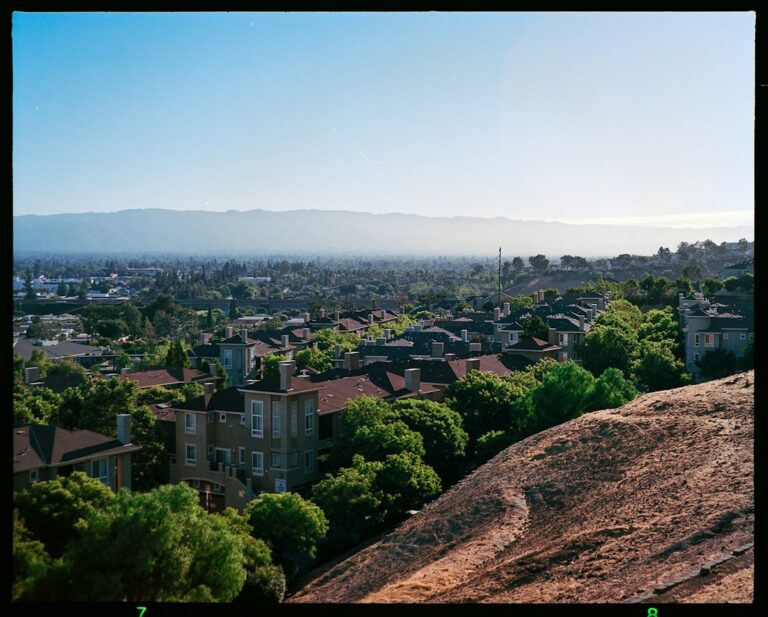
Santa Clara County’s Tax-Defaulted Property Auction: How to Claim the Excess Proceeds
When a Santa Clara County home isn't redeemed within the state's deadline, the county can sell it at public auction — and…
Read the guide → -

Pomona’s Rent Stabilization Ordinance Just Became Permanent: What Landlords Must Do Before Selling
Pomona's Ordinance No. 4359 became permanent on January 1, 2026, replacing the city's prior urgency ordinances and capping most rent increases at…
Read the guide → -

Compton’s Substandard Building Ordinance, Explained
Compton can order a dangerous or substandard house secured, repaired, or demolished under Municipal Code Chapter 14, and if the owner misses…
Read the guide → -
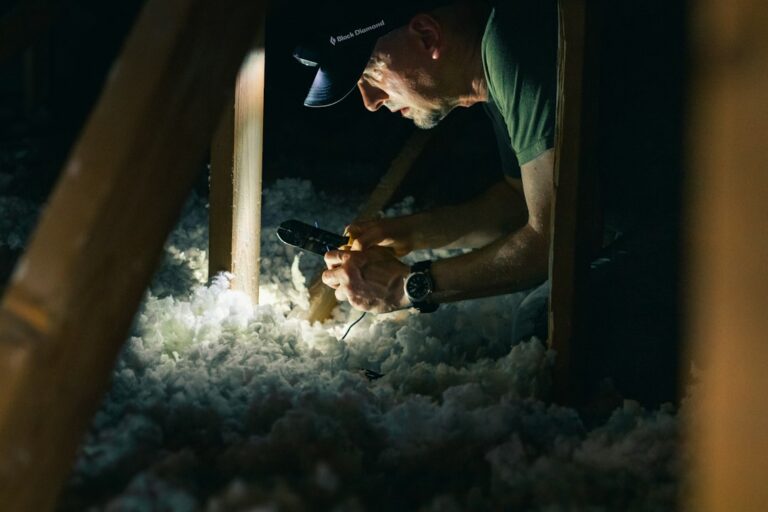
Chico’s RECO Inspection: What Sellers of Older Homes Must Fix Before Closing
Chico requires sellers of homes built before July 1, 1991 to pass a RECO energy and water retrofit inspection — or transfer…
Read the guide → -

Emeryville’s Just Cause Eviction Ordinance: Relocation Pay Under Municipal Code 5-40
Emeryville had its own just-cause eviction and relocation-assistance ordinance years before California’s statewide AB 1482 existed, and the local rule is still…
Read the guide → -

Malibu’s Six-Year Rebuild Deadline After the Palisades Fire: Municipal Code 17.60.020(C)
Malibu homeowners rebuilding after the January 2025 Palisades Fire have a hard deadline most residents outside the city have never heard of:…
Read the guide → -

California’s Security Deposit Cap: How AB 12 Limits What Landlords Can Collect
AB 12 caps most California security deposits at one month's rent, with a narrow exception for small landlords — plus new 2025…
Read the guide → -

California Civil Code §4525: The 11 HOA Documents You Must Hand a Buyer Before Closing
California Civil Code §4525 requires sellers inside an HOA to hand buyers 11 specific documents before closing — a list that just…
Read the guide →