
We Buy Houses in Citrus, CA
- Foreclosure, inherited, tenants, damage — we buy it
- Zero fees, zero commissions, zero repairs
- No obligation — turn the offer down and owe us nothing


Fast, Fair, and Reliable Offers
Sell your house fast with our cash home buying service. No fees, no hassles, just a straightforward sale. Get your offer now.
Selling in Citrus? Here is the quick answer
We can buy your Citrus property as-is, with no requirement to repair, renovate, stage, or prepare it for repeated showings before requesting an offer. After reviewing the property information, we can typically provide a written cash offer within 24 to 48 hours. Requesting an offer does not obligate you to sell.
Best fit: inherited homes, tenant-occupied rentals, vacant properties, houses with deferred maintenance, major repairs, code or title complications, or sellers who value timing and certainty. A market-ready home may still benefit from a traditional listing, so compare the likely net proceeds rather than only the headline price.
Compare the real cost of selling in Citrus
For a traditional sale, consider repairs, cleaning, landscaping, staging, concessions, agent compensation, inspection negotiations, appraisal risk, financing delays, and carrying costs. A direct cash offer may be lower than a fully prepared retail sale, but it can remove many of those expenses and moving parts.
Property condition can change that calculation quickly. Roofing, plumbing, electrical, HVAC, drainage, foundation work, or deferred maintenance can add substantial cost. An as-is offer lets you compare selling in the current condition with the time and money required to prepare for the open market.
Timing, occupancy, and certainty
Some sellers need a faster closing because of relocation, inheritance, carrying costs, foreclosure pressure, or a vacant property. Others need more time to move, coordinate family members, work with tenants, or complete title or probate paperwork. The closing schedule can be discussed as part of the offer.
Occupied properties can also be reviewed. Disclose tenants, family occupants, access limitations, and any belongings that may remain so the responsibilities and closing expectations are clear before signing.
Review the agreement, not just the price
Confirm the purchase price, deposit, due-diligence terms, closing date, title and escrow responsibilities, seller-paid costs, financing requirements, and what happens if a party cannot close. Financed buyers can be affected by appraisal, underwriting, insurance, lender conditions, and inspection negotiations. A cash transaction can remove several of those dependencies, but every contract should still be reviewed on its own terms.
Start by requesting a written offer, then compare it with the realistic amount you would expect to keep from a traditional sale after preparation, concessions, carrying costs, and transaction expenses. If the direct sale does not make sense for you, there is no obligation to proceed.
A deeper seller checklist for Citrus
Begin by separating price from net proceeds. A retail list price can look attractive, but the amount you ultimately keep depends on the condition of the property, the cost of preparing it, the time it remains unsold, inspection negotiations, and the buyer’s ability to close.
Write down your expected repair budget, your preferred closing date, and the monthly cost of continuing to own the property so you can compare different routes using the same assumptions.
Review the condition of the major systems as realistically as possible. Roofing, electrical, plumbing, HVAC, drainage, foundation concerns, windows, flooring, kitchens, bathrooms, exterior work, and deferred maintenance can all influence what a retail buyer is willing to pay or request after inspection. You do not need to repair everything before requesting a cash offer; the purpose of the review is to understand what may affect value.
Also consider preparation and holding costs that are easy to overlook. Cleaning, hauling, landscaping, paint, utilities, insurance, property taxes, mortgage payments, HOA charges when applicable, staging, photography preparation, and seller credits can accumulate over several weeks or months. If a home is vacant or requires regular maintenance, those costs may continue even while you wait for a buyer to complete financing.
Finally, compare the written terms rather than relying on verbal promises. Confirm the deposit, contingencies, inspection period, financing and appraisal requirements, closing date, escrow and title responsibilities, seller-paid costs, occupancy expectations, and cancellation rights.
If there are tenants, family occupants, title complications, probate matters, liens, or access limitations, disclose them early. A realistic contract that accounts for those details can be more valuable than a higher offer that later changes or fails to close.
Want a number first? Call or text (424) 435-2326 or use the cash-offer form above.
For Citrus sellers, the most useful comparison is usually the net result after time and costs, not just the advertised price. Consider the repairs you would complete, how long you are comfortable carrying the property, whether repeated access is practical, and how much certainty you want around closing.
If a direct sale saves enough time, preparation, or transaction risk to justify the price difference, it may be the better fit. If the home is retail-ready and you have flexibility, listing may still make more sense.
Mail addressed to a house in Citrus usually says Azusa or Covina, because Citrus has no post office or city government of its own.
It is a 0.88-square-mile unincorporated community of Los Angeles County squeezed between Azusa to the north and west, Glendora to the east and Covina to the south, so close to those cities that longtime residents often just call it “unincorporated Azusa” or “unincorporated Covina.” It did not appear as its own census-designated place until the 1980 count.
For a seller, that in-between status means the transaction runs on Los Angeles County’s rules, not whichever city happens to be on the mailing address.
Cash Home Buyers CA is based in Woodland Hills, about 40 minutes west on the 210 and 10 Freeways, and Citrus is one of the San Gabriel Valley communities we buy in. We deliver a written cash offer within 24 to 48 hours, purchase the house as-is with no repairs, commissions or showings, and close on the date you pick.
A tightly packed, high-ownership pocket of the San Gabriel Valley
The 2020 Census counted 10,243 residents in Citrus, one of the densest unincorporated communities in the county at nearly 11,700 people per square mile across 2,684 housing units, according to Census figures reported on the community’s Wikipedia page.
Ownership runs high for an unincorporated pocket, about 72 percent owner-occupied against 28 percent renter-occupied, and the 2023 American Community Survey estimate put median household income at $101,179. That combination of density and owner-occupancy points to a market of smaller lots and modest single-family houses that trade mostly among owner-occupants rather than investors.
For a seller, a well-kept house near Citrus College or the Azusa border will draw financed buyers without much trouble. Older houses that have not been updated, or any property carrying a rental unit, are where a cash offer removes financing risk from the equation.
The county rules that apply to a Citrus sale
- County transfer tax only: Since Citrus sits outside Azusa, Glendora and Covina, the sale carries only the Los Angeles County documentary transfer tax of $1.10 per $1,000 of price, with no city tax added.
- No 9A report: The Los Angeles Department of Building and Safety’s Report of Residential Property Records applies only inside the City of Los Angeles, so it is not required here.
- County permits and code enforcement: Building permit history and any open code case run through LA County Public Works and the Department of Regional Planning rather than an Azusa, Glendora or Covina city office.
- School district by street: Most of Citrus falls in Azusa Unified School District, with portions in Glendora and Covina-Valley Unified, which affects buyer interest but not which agency handles the sale’s paperwork.
- Rentals: A rented house or small building here can fall under the county’s Rental Stabilization and Tenant Protections Ordinance depending on the building’s age, which shapes how we structure a tenant-occupied purchase.
Named for the groves that once covered it
Citrus takes its name from the orange and lemon groves that dominated the area before postwar subdivision, and Citrus College, just across the line in Glendora, still carries that agricultural history in its name.
The community’s housing stock is largely single-family homes built from the 1940s through the 1960s on compact San Gabriel Valley lots, with pockets of newer infill closer to the Azusa and Covina borders.
Because Citrus has no city hall or downtown of its own, most day-to-day services, from the post office to the public library, are shared with the surrounding cities.
The conditions that fit a cash sale in Citrus include original-condition houses that have never been remodeled, rented single-family homes or duplexes, and any property where county permit history is unclear enough to complicate a lender’s underwriting.
Why Citrus owners call us
- Rented houses. We buy tenant-occupied houses in Citrus with the lease honored, no notices served and no vacancy wait.
- Inherited houses. A family property that has passed down can be sold as an inherited house in Citrus directly from a trust or through the probate process.
- Foreclosure. Once a notice of default is recorded, we can often close on a Citrus house in foreclosure before the trustee’s sale so any remaining equity stays with the owner.
- Properties that won’t clear a financed inspection. Original 1950s wiring, plumbing or an unpermitted addition can sink a financed deal. Selling as-is in Citrus avoids that entirely.
We also help with divorce sales in Citrus, families relocating out of the area, and owners who simply need to sell a Citrus house fast.
Escrow and recording timeline for a Citrus sale
After acceptance we open escrow and order a preliminary title report immediately, and because Citrus is unincorporated there is no city report to wait on, only standard disclosures and, where relevant, a review of county permit records.
For a rented property we confirm any applicable county rent registration and collect tenant estoppels during escrow. An estate without a living trust goes through LA County Superior Court’s probate division at the Superior Court for Los Angeles County downtown.
Deeds record with the Los Angeles County Registrar-Recorder/County Clerk in Norwalk, and proceeds are wired the same day recording is confirmed. A house with clear title generally closes in two to three weeks; a tenant-occupied property or an estate typically takes three to six weeks, on the date you choose.
Listing versus selling to us in Citrus
A remodeled house close to Citrus College or the Azusa border will generally bring a stronger price from a financed buyer on the open market, and we are upfront about that when a property fits the description.
Our offer competes on the rest of the inventory: original-condition houses, rented single-family homes or duplexes, and estates where the family wants one certain closing date instead of an open-ended listing. Subtract the roughly 5 to 6 percent typical commission, county transfer tax, repairs and months of carrying costs from a listing price, and our cash number is often close, without the wait.
Citrus seller questions
Do companies that buy houses in Citrus charge fees or commissions?
We do not. The written offer comes with no commission, no service fee and no charge for the walkthrough, and the escrow company prepares the closing paperwork. When you list instead, agent commissions often total around 5 to 6 percent combined, so compare the amount you keep rather than the headline price.
What are Citrus homes selling for right now?
Redfin's data for the three months ending August 2026 shows a median Citrus sale price of about $727,000, down 3.8 percent from a year earlier, with homes averaging 43 days on the market compared with 33 a year before. Citrus is small, so a handful of sales can move those figures.
When we buy houses in Citrus, who takes title?
We can buy your house directly or bring in a vetted cash buyer from our network. Either way you get one written offer with proof of funds, one escrow, a set closing date and no fees or commissions to you, and you know before you sign who will take title.
Is Citrus part of Azusa, Glendora or Covina?
No. Citrus is an unincorporated Los Angeles County community, even though addresses often carry an Azusa or Covina city name. County rules, not any of those three cities' ordinances, govern the sale.
Do I owe a city transfer tax when I sell in Citrus?
No. Only the Los Angeles County documentary transfer tax of $1.10 per $1,000 applies, since Citrus is not inside any incorporated city.
Will you buy a Citrus house that has never been updated?
Yes. We buy original-condition houses from the 1940s through the 1960s and factor the needed work into our offer rather than asking the seller to make repairs first.
Does my Citrus rental fall under any rent control ordinance?
It may, depending on the building's age and unit count, under LA County's Rental Stabilization and Tenant Protections Ordinance. We check that as part of any tenant-occupied purchase and buy with the tenancy in place.
How fast can you close on a house in Citrus?
Two to three weeks with clear title; three to six weeks for a tenant-occupied property or an estate. You pick the date.
If you own a house or building in Citrus and want a firm cash number, call or text 424-435-2326. We will look at the property, confirm what the county requires, and send a written offer within 24 to 48 hours with no obligation. See the full sequence on our how it works page.
lass="wsp-back">← Back to Los Angeles County
Seller Guides
Helpful guides for homeowners in Citrus
Plain-English answers to the questions sellers ask us most.
 Selling for cash
FTB Form 593: Why Escrow Holds Back 3⅓% of a California Home Sale and How to Avoid It
Escrow generally withholds 3⅓% of a California sale price for the Franchise Tax Board unless you certify an exemption on Form 593.…
Read the guide →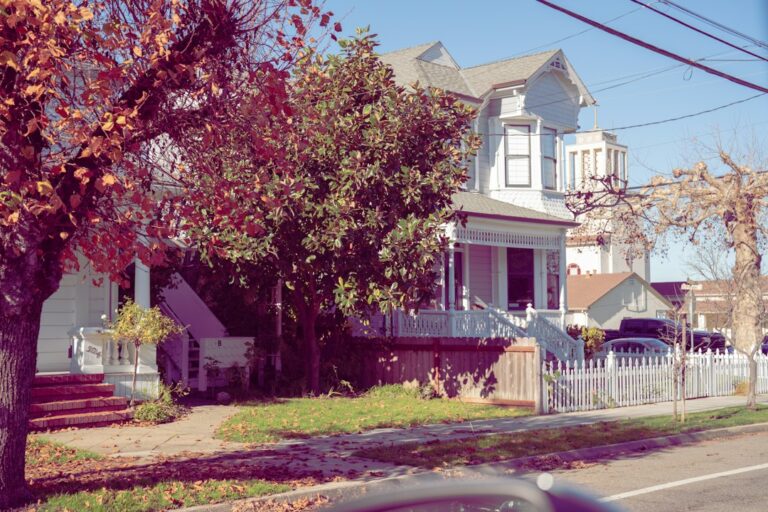 Inherited homes & probate
Medi-Cal Estate Recovery and the Family House: Who Owes, Who Is Protected and the Deadlines
Since 2017, Medi-Cal estate recovery reaches a house only if it passes through probate. See who is exempt, the 90-day notice and the 60-day waiver window.
Read the guide → Rentals & tenants
Santa Monica Tenant Buyout Agreements: The Notice, the 30-Day Cancel and the Filing Window
Santa Monica buyouts need a rights notice before any offer, a 30-day cancel period and filing on day 31-60. See the 2026 minimum amounts and penalties.
Read the guide → Foreclosure & liens
The 90-Day Window That Can Block Your California Home Sale: Mechanics Liens
A mechanics lien can block your California home sale. Here's the 90-day deadline to record, foreclose, and clear it before escrow closes.
Read the guide → Selling for cash
The Supplemental Tax Bill That Surprises Los Angeles County Buyers After Closing
LA County issues a separate supplemental tax bill after a sale or inheritance, sometimes two. Here is how it's calculated and when it's due.
Read the guide → Selling for cash
What Culver City’s Measure RE Transfer Tax Actually Costs at Closing
Culver City charges its own real property transfer tax on top of LA County's, and Measure RE's tiered rates run from 0.45%…
Read the guide → Rentals & tenants
The LAHD Filing Deadline Landlords Miss on a Tenant Buyout in Los Angeles
Los Angeles tenant buyouts require an LAHD disclosure before any offer, a 30-day rescission right, and a signed agreement filed with LAHD within 60 days.
Read the guide → Foreclosure & liens
How an HOA Can Actually Foreclose on a California Home (and the Deadlines That Protect You)
California HOA liens aren't super-priority, but can foreclose in 75 days. See the delinquency, notice, and 90-day redemption rules that apply.
Read the guide → Inherited homes & probate
Probate in Citrus, CA: What Changes When There’s No City Hall
Citrus, CA is unincorporated LA County, so permits and code issues run through the county. How that, IAEA authority and the $750,000 rule shape probate.
Read the guide →