
We Buy Houses in Concord, CA: Any Condition, Any Situation
- Foreclosure, inherited, tenants, damage — we buy it
- Zero fees, zero commissions, no repairs needed
- No obligation — turn the offer down and owe us nothing


Fast, Fair, and Reliable Offers
Sell your house fast with our cash home buying service. No fees, no hassles, just a straightforward sale. Get your offer now.
We Buy Houses Concord: The Quick Answer
Yes, we buy houses Concord homeowners need to sell, in any condition and almost any situation. We can buy your Concord property as-is, with no repairs, no cleaning and no showings.
After a short walkthrough, we typically give you a written cash offer within 24 hours, and you choose the closing date. When you sell to us, we pay the standard closing costs, including the county and city transfer taxes, escrow and title, and there is no commission. Asking for an offer does not obligate you to sell.
Best fit: inherited homes, tenant-occupied rentals, vacant properties, homes needing major repairs, code or permit issues, foreclosure deadlines, divorces and moves with a fixed start date. A traditional listing may still bring a higher price for a move-in-ready home, so compare your net proceeds, repairs, timing and risk before choosing.
Want a number first? Call or text (424) 435-2326 or use the cash-offer form above.
Concord is the largest city in Contra Costa County, with roughly 124,000 residents according to the latest American Community Survey estimates, and most of it was built in one long burst. The city had about 36,000 residents in 1960.
American Community Survey data put the median year built at about 1970, and roughly three-quarters of Concord’s homes went up before 1980.
That means the typical Concord house is a single-story ranch from the 1950s, 1960s or 1970s, often with original or aging plumbing, an older electrical panel and a roof that has been replaced once.
Those are exactly the houses where a lender’s appraiser starts writing conditions, and where a cash buyer is most useful.
We buy houses in Concord as-is for cash, from the flats around Monument Boulevard to the hillside tracts off Ygnacio Valley Road, in every ZIP code in the city, including 94518, 94519, 94520 and 94521.
This page covers who we buy from, what kinds of homes we buy, how an offer is calculated, what the market looks like right now, the local rules that matter for a sale, and how a cash sale closes through Contra Costa County.
How We Buy Your House for Cash in Concord
When we buy your house for cash, the steps are simple and written down at each stage. We buy directly or bring a vetted cash buyer from our network, and either way you deal with one offer, one closing date and one neutral title and escrow company.
- Tell us about the house. Address, condition, who lives there and your timeline. There is no cost and no obligation.
- Walkthrough. A short visit, usually 20 to 30 minutes, or photos and a video call if you live elsewhere.
- Written offer. Usually within 24 hours, with an explanation of the comparable sales and repairs behind the number.
- Escrow opens. A neutral title and escrow company handles the money, the title report and your loan payoff.
- Close on your date. Many sales close in 7 to 14 days once title is clear, or later if you need time to move.
Each step, including the California disclosures you still complete, is laid out on our cash offer for my house Concord page. If you are comparing several companies that offer to buy your house for cash, our guide to choosing cash home buyers Concord explains how to check proof of funds, escrow and deposits.
Who We Buy From and What We Buy
We buy from homeowners, heirs, trustees, landlords, divorcing couples and anyone else with the authority to sell. Property types include single-family houses, condos and townhomes, duplexes through fourplexes, and houses with accessory units. Condition is never a reason to say no: we buy homes with fire or water damage, failed sewer lines, foundation cracks, roofs past their life, hoarding situations, unpermitted additions and decades of deferred maintenance.
Signs, Mailers and Online Ads: Comparing Cash Buyers
If you own a house in Concord, you have probably seen the yard signs, postcards and online ads. Some say “we buy house for cash,” others say “I buy homes for cash,” and many promise an offer in minutes. Some are established companies and some are individual investors. The wording on the sign tells you very little. What matters is how the buyer handles the details:
- A written offer with a price, a closing date and a deposit, not a phone estimate or a range.
- Proof of funds that matches the offer.
- A neutral title and escrow company you can call yourself to confirm the file is open.
- Clear closing-cost terms in the contract.
- No upfront fees and no requests to sign a deed or power of attorney outside escrow.
Whether you call us or answer a sign that says “I buy homes for cash,” hold every buyer to the same standard.
When people ask how we buy houses Concord sellers can rely on, the answer is that we put all of this in writing at the start, explain how the price was built, and let you compare it with any other offer or a listing.
If someone else’s offer is better for you, take it. Many sellers who contact a company advertising “we buy house for cash” simply want a reliable number to compare against an agent’s estimate, and that is a perfectly good reason to ask for one.
Concord Neighborhoods and What the Houses Need
Concord’s neighborhoods sort roughly by when they were built, and the construction era predicts the repairs:
- Older central and northern neighborhoods such as Holbrook, Sun Terrace, Colony Park, Ellis Lake, North Concord and the area around the Monument corridor: mostly 1950s and 1960s ranch homes, many with garage conversions or additions built over the years.
- Ygnacio Valley and Turtle Creek, Four Corners and Inner Lime Ridge: 1960s and 1970s tracts with larger floor plans, where roofs, windows, electrical panels and sewer lines are the usual items.
- Clayton Valley Highlands and the hillside streets toward Mt. Diablo: later tracts on larger lots, where drainage, retaining walls and fire hazard zone status are common questions.
- Newer planned areas such as Crystyl Ranch: larger, newer homes where condition is usually better and cosmetic updates matter more.
- Downtown around Todos Santos Plaza: condos, townhomes and small older houses near the Concord BART station, where HOA documents and any special assessments matter.
The repairs we price into a Concord offer most often are roofs, sewer laterals, older electrical panels, galvanized supply lines and foundation or slab cracks. We do not ask you to fix any of them.
How Much Cash for Your House? How We Calculate an Offer
The amount of cash for your house comes from four numbers, and we walk you through each one:
- After-repair value: what the home would sell for updated, based on recent closed sales near you, not a citywide average.
- Repairs and updates: a realistic estimate of the work to reach that value, including permits.
- Holding and resale costs: property taxes, insurance and utilities during the work, and the cost of reselling.
- Closing costs we pay and a reasonable margin for the risk and work involved.
The result is an as-is price that is closer to what you actually take home than a list price, because there is no commission and we pay the standard closing costs. Your mortgage and any liens are paid off from the sale price, as in any sale. If a listing would clearly net you more, we will tell you.
The Concord Market in 2026
Concord is a mid-priced market by Bay Area standards and it has been steady rather than volatile. Redfin reported a median sale price of about $758,000 for August 2026, up about 1.1 percent from a year earlier, with 271 homes sold, a median of 24 days on market and homes selling at about 100.8 percent of list price.
For a seller, the useful reading is that clean, updated houses still sell at or over asking within a few weeks, while dated houses sit longer.
When a house needs a roof, a panel and a kitchen, the buyers who remain are often financed buyers who ask for credits after inspection, and a short marketing time can turn into two or three months.
That gap in time and certainty is what a cash offer is really buying you.
Longer term, the reuse of the former Concord Naval Weapons Station is the city’s biggest project.
In May 2026 the City Council approved financial term sheets with the Navy and master developer Brookfield for a plan that calls for 12,272 housing units, with final agreements expected back before the council by summer 2029.
Projects on that scale take many years, so they are worth knowing about but rarely a reason on their own to sell or hold.
Rules That Apply to a Concord Sale
- No city transfer tax. Concord does not levy its own transfer tax. The Contra Costa County documentary transfer tax is $0.55 per $500 of price, or $1.10 per $1,000. In a regular listed sale the seller usually pays it by local custom; when you sell to us, we pay it.
- Rent stabilization and just cause. Concord’s Residential Tenant Protection Program took effect in 2024 and was amended in 2025. Rent increases for covered units built before February 1, 1995 are capped at 5 percent a year as of August 1, 2025. Just cause rules apply to owners who rent out three or more single-family homes or condos in the city, and every rental must be enrolled in the city’s rent registry.
- Fire hazard zones. Cal Fire’s 2025 maps for Contra Costa County place parts of Concord in Moderate, High and Very High Fire Hazard Severity Zones, and new construction in High and Very High zones must meet wildland-urban interface building standards. Zone status appears on the Natural Hazard Disclosure where it applies.
- The Concord Fault. A July 2025 U.S. Geological Survey and California Geological Survey study identified a creeping strand of the Concord Fault running from downtown toward Lime Ridge, and the state has signaled it will map a new earthquake fault zone there.
- Coastal zone: none. Concord is inland and not under Coastal Commission jurisdiction.
Situations We Help With in Concord
Every sale has its own reason. These are the ones we hear about most, with a guide for each:
- Speed. A job start date, a second mortgage payment or a vacant house costing money every month. Compare timelines on our sell my house fast Concord page.
- Repairs you cannot or do not want to make. Original kitchens, failing sewer lines, unpermitted additions. See what you can skip on our sell house as-is Concord page.
- Inherited ranch houses. A house bought new decades ago, still in a parent’s name, full of belongings. We buy with the contents in place; read how to sell inherited house Concord through a trust or Contra Costa probate.
- Landlords ready to exit. Owners of rentals who do not want to manage registry filings, the rent cap or relocation rules. We buy with tenants in place; see how to sell house with tenants Concord.
- Missed payments. A recorded Notice of Default puts a date on the calendar. Learn your options to sell house in foreclosure Concord before the trustee sale.
- Divorce. Both spouses usually need to sign, and escrow splits the proceeds as directed. Read how to sell house during divorce Concord.
- Relocation. A move out of the Bay Area with a fixed start date. See how to sell house when relocating Concord, including closing from another state.
Closing Through the Contra Costa County Recorder
Concord sales close through escrow and title, and the grant deed is recorded with the Contra Costa County Clerk-Recorder at 555 Escobar Street in Martinez.
Probate matters for Concord estates are heard by the Superior Court at the Wakefield Taylor Courthouse, 725 Court Street, Martinez, and family law matters at the Spinetta Family Law Center, 751 Pine Street, Martinez.
In short, we see the house, deliver a written offer, open escrow when you accept, and close when title is clear, which for a Concord house with no title problems is often 7 to 14 days.
You sign the deed in person in front of a notary; California notaries cannot yet perform remote online notarization, so if you live elsewhere, escrow sends the documents to a notary near you. When you sell to us, we pay the standard closing costs, including the county and city transfer taxes, escrow and title.
Listing vs. a Cash Offer on a Concord Ranch House
On a sale near the August 2026 median of about $758,000, a listing with a combined 5 percent commission would cost roughly $37,900, plus the county transfer tax of about $834 by local custom, and most listing agents will recommend paint, flooring and landscaping before photos.
If the house is updated and sits on a good street, a well-priced listing will often sell close to or above asking within a few weeks, and you should probably list it.
Where a cash offer wins, and where we buy houses Concord owners would struggle to sell on the open market, is the house that needs significant work to reach that result, or the one where a tenant, a probate case or a deadline makes a two-month listing unrealistic.
Our offer is lower than a remodeled sale price, but it removes commission, repairs, carrying costs, closing costs and the risk of a financed buyer’s appraisal coming in short.
Frequently Asked Questions
How quickly can I sell my house in Concord for cash?
We usually make a written offer within 24 hours of seeing the property. A Concord house with clear title can often close in 7 to 14 days. You pick the closing date, and we can set it later if you need time to move.
Does Concord have a city transfer tax on home sales?
No. Concord does not charge a city transfer tax. The Contra Costa County transfer tax is $1.10 per $1,000 of price. In a listed sale the seller usually pays it by local custom; when you sell to us, we pay the standard closing costs, including the county and city transfer taxes, escrow and title.
Can you buy my house for cash if it needs major repairs?
Yes. If you want us to buy my house for cash in its current condition, that is exactly what we do. We price the repairs into the offer, and you do not fix, clean or stage anything.
Is every “we buy house for cash” company in Concord the same?
No. Any buyer advertising “we buy house for cash” should give you a written offer, show proof of funds, put down an earnest money deposit and close through a neutral title and escrow company. Ask before you sign.
What about “I buy homes for cash” signs and mailers around Concord?
Treat an “I buy homes for cash” sign or letter like any other offer: ask for the number in writing, the closing date, the deposit and the escrow company, and never pay a fee or sign a deed outside escrow.
Can I sell a Concord rental with tenants living in it?
Yes. We buy occupied single-family rentals, condos and small multifamily buildings and take over the leases. Concord’s rent and just cause rules still apply after the sale, and selling with the tenancy in place avoids serving any termination notices.
Will you buy a Concord house with an unpermitted addition or garage conversion?
Yes. Unpermitted work is common in Concord’s older tracts, and a lender will often refuse to count that square footage. You disclose what you know, and we price the house as it stands.
Is my Concord house in a fire hazard zone, and does that matter?
Cal Fire’s 2025 maps place parts of Concord in Moderate, High and Very High zones. Zone status appears on the Natural Hazard Disclosure where it applies, and it can affect a financed buyer’s insurance quote. A cash sale has no lender insurance condition, so the zone does not slow it down.
If you want a real number on your Concord house, call or text (424) 435-2326 or send us the address and we will have a written cash offer to you, usually within 24 hours. The full process is laid out at how it works, and our Bay Area page covers the rest of Contra Costa County.
Seller Guides
Helpful guides for homeowners in Concord
Plain-English answers to the questions sellers ask us most.
 Rentals & tenants
Which Mountain View Rentals Does the CSFRA Actually Cover?
See which Mountain View rentals the CSFRA covers, its rent cap, just-cause eviction rules, relocation pay, and what landlords must do before raising rent.
Read the guide → Selling for cash
What Is Hayward’s Rent Review Fee and Who Has to Pay It?
Hayward landlords owe an annual Rent Review fee of $66 per covered unit or $32 per non-covered unit, and increases above 5%…
Read the guide → Rentals & tenants
Antioch’s Just Cause Eviction Ordinance: What a Landlord Selling a Rental Must Clear First
Antioch's Tenant Eviction Protection Ordinance (2240-C-S) sets just cause rules, notice deadlines, and relocation pay up to 3 months' rent for landlords.
Read the guide → Selling for cash
The Sewer Lateral and Sidewalk Certificates Oakland Sellers Can’t Close Escrow Without
Oakland requires an EBMUD sewer lateral certificate and a sidewalk certificate before a title transfer can close, each with its own office and timeline.
Read the guide →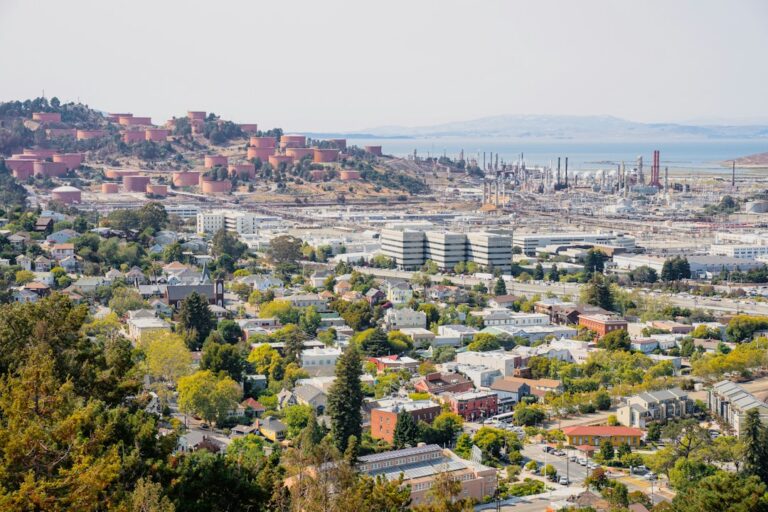 Selling for cash
Richmond’s Real Property Transfer Tax: What Measure H Actually Costs at Closing
Richmond's Measure H transfer tax climbs in tiers by sale price, and crossing a threshold by a few dollars can add thousands at closing.
Read the guide →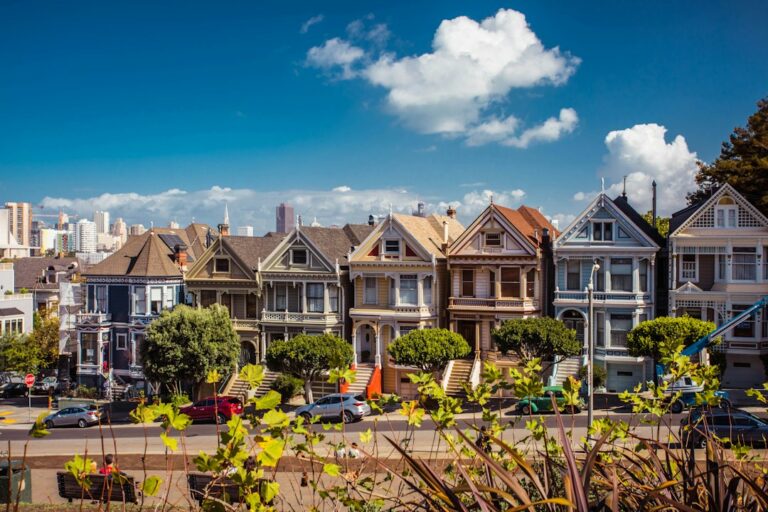 Selling for cash
The 3R Report San Francisco Requires Before You Can Sell a Home
San Francisco requires a 3R building-history report before a home sale, and it can reveal unit-count mismatches that upend a buyer's financing.
Read the guide → Rentals & tenants
San Jose’s Tenant Protection Ordinance: What a Landlord Selling a Rental Actually Owes
San Jose's Tenant Protection Ordinance sets exact relocation fees and notice rules a landlord must follow before selling a rental property there.
Read the guide → Inherited homes & probate
Partition Actions Between Heirs: How California Law Forces a House Sale
California heirs can force a house sale through a partition action under CCP 872-874, with court referees, confirmation hearings, and buyout rights.
Read the guide → Relocating
Concord’s Rent Cap and Relocation Rules: What Changed in 2025
Concord's rent stabilization ordinance now caps annual increases on covered units at a flat 5%, replaced a weaker CPI-linked formula in mid-2025,…
Read the guide →