
We Buy Houses in Old Towne Orange, CA
- Foreclosure, inherited, tenants, damage — we buy it
- Zero fees, zero commissions, zero repairs
- No obligation — turn the offer down and owe us nothing


Sell Your House Fast in Old Towne Orange
We buy houses in Old Towne Orange for cash, in any condition. Sell your house fast with no repairs, no fees and no commissions, and pick your own closing date.
Old Towne Orange grew up around the traffic circle known as the Plaza, laid out when the city was founded in the 1870s, and the neighborhood of Craftsman bungalows, Victorians and California cottages that spread out from it earned a National Register of Historic Places listing on July 11, 1997.
It is widely cited as the largest historic district on the National Register in California, which means an unusually large share of the housing stock, not just a few landmark blocks, falls under some form of historic scrutiny.
For an owner, that status is a selling point to the right buyer and a real complication for anyone who needs to move a property quickly, since exterior work on a contributing house can draw a level of review that a standard Orange County tract home never sees.
Cash Home Buyers CA is based in Woodland Hills and works throughout Orange County, including Old Towne. We deliver a written cash offer within 24 to 48 hours of seeing the property, buy houses as-is with no repairs, commissions or showings, and close on the date you choose, historic status and all.
Old Towne Orange prices in 2026: roughly $1.08 million and a thin, slow market
Movoto’s September 2026 data for Old Towne shows an average list price of about $1.08 million, at roughly $733 per square foot, across 12 active listings, with homes spending a median of 47 days on market.
That per-square-foot figure runs well above generic Orange County tract pricing, reflecting both the age and character premium buyers pay for a documented historic bungalow and the small, thin supply typical of a district this tightly bounded.
Because so few properties are on the market at any time, a single unusual sale, a fully restored Craftsman or a house needing a full historic-appropriate renovation, can swing the average significantly from one month to the next.
The houses that suit a cash sale in Old Towne are usually the ones that need extensive work: knob-and-tube or early wiring, a foundation that has settled over a century, a kitchen or bath remodeled decades ago without permits, or deferred exterior maintenance that would require a Certificate of Appropriateness to fix correctly.
A meticulously restored, permit-compliant Craftsman, by contrast, is exactly what draws premium buyers willing to pay that $733-per-square-foot rate.
What applies to a sale in Old Towne Orange
- Transfer tax: Orange has no separate city transfer tax; only Orange County’s documentary transfer tax of $1.10 per $1,000 applies, about $1,190 on a $1.08 million sale, one of the lowest closing costs in the region.
- Historic district review: Properties identified as contributing structures within the district can require design review and a Certificate of Appropriateness from the city before certain exterior alterations, and a Mills Act contract, if the property has one, transfers to the new owner along with its property tax benefit and its restoration obligations.
- Tenant protections: Orange has no local rent-control ordinance beyond the statewide Tenant Protection Act, AB 1482, which limits rent increases and requires just cause for most terminations on non-exempt rentals over a year old.
- HOA and Mello-Roos: The historic core predates both homeowners associations and Mello-Roos financing districts, so a typical single-family sale here involves neither; newer infill condos near the edges of the district may carry an HOA.
Around the Plaza: the housing stock in Old Towne
The district radiates out from the Plaza at Chapman and Glassell, with the largest concentration of contributing houses along streets like Shaffer, Almond, Palm and Cambridge, mixing Craftsman bungalows, Victorians, Spanish Colonial Revival cottages and a scattering of postwar infill built before the historic designation took effect.
Because most of the housing predates 1930, common issues include original electrical service that has never been fully updated, cast iron or clay sewer laterals nearing the end of their service life, foundations that have shifted over decades, and additions or garage conversions completed without the historic review the district now requires, which can complicate both financing and future permits.
We buy the properties that don’t fit a straightforward historic-market sale: a bungalow that needs a full systems update before it could pass a lender’s inspection, a house with an unpermitted addition that predates or ignores the district’s design rules, an estate where out-of-state heirs don’t want to manage a historic restoration, or an owner who simply doesn’t want to navigate a Certificate of Appropriateness before listing.
Why Old Towne Orange owners call us
- Inherited historic bungalows. A family Craftsman that has been rented out for years can be sold through the trust or estate as an inherited house in Orange County without a historic-appropriate restoration first.
- Houses that won’t clear a lender’s inspection. Original wiring, an aging sewer line or an unpermitted addition can sink a financed sale; selling as-is in Orange County avoids that risk.
- Rental bungalows with tenants. Owners ready to exit a long-term rental can sell a tenant-occupied house in Orange County without ending the lease first.
- Fast relocations. Owners moving on a set timeline can sell before relocating in Orange County without waiting through a slow, thin historic-district market.
We also handle divorce sales in Orange County and work with anyone who needs to sell their Orange County house fast rather than manage a historic renovation before selling.
Escrow, recording and closing timelines in Old Towne
Recording runs through the Orange County Clerk-Recorder in Santa Ana, and proceeds wire the same day recording is confirmed. An estate without a living trust goes through Orange County Superior Court’s probate division at the Superior Court for Orange County; a trust sale skips that step and moves directly through escrow.
A clear-title Old Towne house typically closes in two to three weeks. Add time when a Mills Act contract needs to be verified with the city, when a historic-review question needs a call to the Community Development Department, or when the estate or tenant situation adds its own steps; those inquiries move faster once we’ve already reviewed the property ourselves.
Listing versus selling to us in Old Towne Orange
At roughly $1.08 million, a listing commission in the 5 to 6 percent range, or 5.08 percent per Clever’s August 2026 survey, comes to about $54,900, plus roughly $1,190 in county transfer tax, the cost of any historic-appropriate repairs a buyer’s inspector flags, and holding costs through a 47-day-plus market.
A fully restored, permit-compliant bungalow will usually still net more listed to a buyer paying a premium for authentic historic character, and we tell owners that directly when that’s the property we’re looking at.
Where our offer competes is the house that needs real systems work, carries an unpermitted addition, or sits in an estate no one wants to manage through a historic renovation. Subtract commission, transfer tax, repair costs and months of carrying expenses from a listing price on one of those, and our cash number with a firm date is often the better trade.
Old Towne Orange seller questions
Does the historic district status mean I can't sell my house as-is?
No, the designation restricts certain exterior alterations, not the sale itself. We buy Old Towne houses in their current condition, contributing structure or not, and work through any design review questions ourselves after closing.
What happens to a Mills Act contract when I sell?
It transfers with the property, along with both the reduced property tax assessment and the restoration and maintenance obligations attached to it. We review any existing Mills Act contract as part of our offer.
Will you buy a bungalow with an addition that was never permitted?
Yes. We see this regularly in Old Towne and price the property with the unpermitted work disclosed rather than requiring you to bring it into compliance first.
Is Old Towne Orange really the largest historic district in California?
It is commonly described that way, as the largest district on the National Register of Historic Places in the state, based on its size and number of contributing structures around the Plaza.
How fast can you close on an Old Towne house?
Two to three weeks with clear title is typical. Houses with a Mills Act contract to verify, an estate in probate, or a tenant in place usually add a week or two, and you choose the final date.
If you own a house in Old Towne Orange and want a cash number without navigating historic design review, call or text 424-435-2326. We'll review the property and any historic-district requirements ourselves and deliver a written offer within 24 to 48 hours. Our full process is on our how it works page.
Seller Guides
Helpful guides for homeowners in Old Towne Orange
Plain-English answers to the questions sellers ask us most.
 Rentals & tenants
Emeryville’s Just Cause Eviction Ordinance: Relocation Pay Under Municipal Code 5-40
Emeryville's Municipal Code 5-40 requires just cause from day one and relocation pay scaled by landlord size, stricter than statewide AB 1482.
Read the guide → Selling for cash
California’s Security Deposit Cap: How AB 12 Limits What Landlords Can Collect
AB 12 caps most California security deposits at one month of rent, with a narrow two-month exception for small landlords and new 2025 photo rules.
Read the guide → Selling as-is
California Civil Code §4525: The 11 HOA Documents You Must Hand a Buyer Before Closing
California Civil Code 4525 requires HOA sellers to hand buyers 11 documents before closing, including the new balcony inspection report requirement.
Read the guide → Selling for cash
California’s Balcony Inspection Law: What SB 721 and SB 326 Require Before You Sell
SB 721 and SB 326 require California balcony and deck inspections on rentals and condos, with deadlines already passed. What sellers should check.
Read the guide → Selling for cash
California’s AB 1482 Rent Cap: How the 5% Plus CPI Formula Actually Works
AB 1482's rent cap runs on a 5% plus regional CPI formula, capped at 10%, that resets every August 1. Here's how…
Read the guide → Rentals & tenants
California’s Just Cause Eviction Notice: What Civil Code 1946.2 Requires
Civil Code 1946.2 requires a stated reason to end most tenancies after 12 months, and one month's rent in relocation pay within 15 calendar days.
Read the guide → Selling for cash
When a Mobile Home Park Closes in California: The Notice and Relocation Rules
California requires an impact report, a relocation plan, and up to 12 months' notice before a mobile home park can close. Here's how the process works.
Read the guide →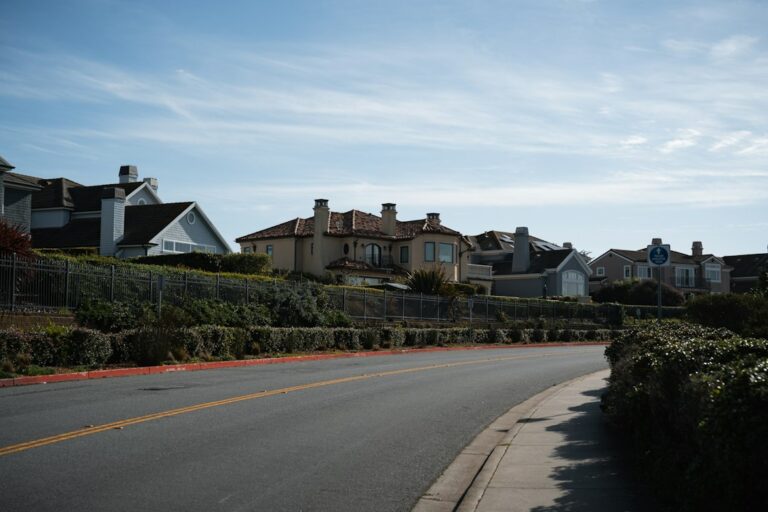 Selling for cash
San Joaquin County Supplemental Tax Bill Explained
A second tax bill after buying or inheriting a San Joaquin County house isn't a mistake. Here's how the county calculates it, and when it bills you twice.
Read the guide → Foreclosure & liens
Can a Lender Sue You After a California Foreclosure? Anti-Deficiency Rules Explained
In most California foreclosures the lender can't sue for the unpaid balance after sale. Here's when anti-deficiency protection applies, and when it fails.
Read the guide →