
We Buy Houses in Sacramento, CA
- Foreclosure, inherited, tenants, damage — we buy it
- Zero fees, zero commissions, no repairs needed
- No obligation — turn the offer down and owe us nothing


Fast, Fair, and Reliable Offers
Sell your house fast with our cash home buying service. No fees, no hassles, just a straightforward sale. Get your offer now.
We Buy Houses Sacramento: The Quick Answer
We buy houses Sacramento-wide for cash. If you need to sell a house fast in Sacramento, we can buy the property as-is without requiring repairs, staging, open houses, or lender financing. After reviewing the address, condition, occupancy, and title, we can typically provide a written cash offer within 24 to 48 hours. You choose the closing date, and there is no obligation to accept the offer.
Sacramento sellers often contact us about inherited homes, rentals with tenants, older properties needing major work, relocation, code issues, or properties that would be difficult to finance conventionally. A traditional listing can still be a strong option for a move-in-ready home when maximizing price matters most; a direct cash sale is built for owners who care more about speed, certainty, and avoiding upfront renovation costs.
Want a number first? Call or text (424) 435-2326 or use the form above.
Sacramento is a charter city, and that status has a direct cost at closing: on top of the standard county documentary transfer tax, the city adds its own real property transfer tax, so a home sale inside city limits carries a combined rate several times higher than a sale in most California cities.
That single fact, plus a citywide tenant protection ordinance that reaches into how landlords can end a tenancy, shapes a lot of what makes selling in Sacramento different from selling in a neighboring Sacramento County suburb.
We buy houses in Sacramento for cash and as-is, from Craftsman bungalows in Curtis Park to newer tract homes in North Natomas, occupied rentals under the city’s tenant protection program, and inherited houses in Oak Park or Tahoe Park that have sat with deferred maintenance for years.
This page covers the current market, the city’s transfer tax and tenant rules, the neighborhoods and housing types we buy, and how a Sacramento County closing works.
The Sacramento market right now
Redfin reported a median sale price of about $510,000 for the city of Sacramento in August 2026, up 4 percent from a year earlier, with 1,122 homes sold that month, a median of 23 days on market, and about 42 percent of homes selling above list price. That is still a market where a clean, well-priced house sells quickly, but price and speed depend heavily on condition and neighborhood.
For an owner with a house that needs work, an occupied rental, or a timeline that will not wait for a conventional escrow, the current market cuts both ways: enough buyer activity exists to sell traditionally, but a property with permit issues, tenant complications, or deferred maintenance now has to compete for financed buyers rather than get scooped up automatically the way it might have two years earlier.
Sacramento’s transfer tax and tenant protection rules
- City transfer tax on top of the county’s. As a charter city, Sacramento charges its own real property transfer tax of $2.75 per $1,000 of the sale price, separate from and in addition to Sacramento County’s standard documentary transfer tax of $1.10 per $1,000. Combined, that is $3.85 per $1,000, or about $2,310 on a $600,000 house, well above the county-only rate in most Sacramento County suburbs. When you sell to us, we pay the standard closing costs, including the county and city transfer taxes, escrow and title.
- Sacramento Tenant Protection and Relief Act. The city’s tenant protection ordinance covers most multifamily rental units inside city limits. It limits rent increases to once every 12 months and to an annual maximum (8.6 percent effective July 1, 2026), and it requires just cause to end a tenancy once a tenant has lived in the unit for more than 12 months. Single-family homes, condominiums and units built after February 1, 1995 are among the exemptions, although statewide rules under AB 1482 can still apply. An owner of a covered rental needs to account for this before ending a tenancy to sell.
- Mello-Roos is common in newer subdivisions. Community facilities district assessments are widespread in North Natomas and other master-planned areas built since the 1990s; check the property tax bill for a CFD line item before pricing a newer Sacramento home.
- Flood zones and levees. The Natomas Basin has carried a FEMA A99 flood zone designation since 2015 while levee improvements continue, and owners there with a federally backed mortgage still need flood insurance. Houses near the Sacramento and American Rivers should be checked on FEMA’s flood maps before pricing.
Neighborhoods and property types we buy in Sacramento
- Curtis Park, Land Park, and East Sacramento: Craftsman and Mediterranean-style houses mostly built before 1940, with original foundations, knob-and-tube wiring, and small lots close to Midtown.
- Oak Park and Tahoe Park: 1920s through 1950s bungalows, the neighborhoods where we see the most probate and long-hold-owner sales, often with deferred roof and plumbing work.
- Pocket-Greenhaven and South Sacramento: 1960s through 1980s ranch and split-level tracts, some on the river side with flood-zone insurance to account for.
- North Natomas and Natomas Crossing: 1990s and 2000s master-planned subdivisions, where Mello-Roos assessments and HOA dues are the norm rather than the exception.
- Midtown and Downtown: a mix of older multi-unit Victorians and newer condo and loft conversions, where rental units are more likely to fall under the city’s tenant protection ordinance.
Aging electrical and sewer systems in the pre-war neighborhoods, unpermitted additions, and Mello-Roos or HOA obligations in the newer subdivisions are what we evaluate most often on a Sacramento property. None of it needs to be resolved before we make an offer.
When We Buy Your House for Cash: Situations That Come Up in Sacramento
When we buy your house for cash, the reason behind the sale usually shapes the timeline and the paperwork more than the price. These are the Sacramento situations we hear about most, and each one has its own in-depth guide:
- Landlords navigating the tenant protection ordinance. An owner who wants to exit a covered rental without managing a formal no-fault termination process. Our guide on how to sell house with tenants Sacramento landlords can use walks through the rules.
- Inherited houses in the older core neighborhoods. A family home in Oak Park or Tahoe Park with years of deferred maintenance and heirs who live out of the area. If that is your situation, read how to sell inherited house Sacramento heirs can follow, from probate to closing.
- Relocation tied to state employment. Sacramento is the seat of state government, and job transfers on a set start date are a recurring reason sellers need a fast, certain close. Our page on how to sell house when relocating Sacramento owners can plan around covers timing and closing from a distance.
- Time-sensitive foreclosure and divorce sales. A pending default notice or a court-ordered settlement date does not leave room for a five-week marketing period. See how to sell house in foreclosure Sacramento owners can still control, and how to sell house during divorce Sacramento couples can handle through one escrow.
More Sacramento neighborhoods where we buy houses
The neighborhoods above are where we see the most calls, but we buy houses across the whole city and the rest of Sacramento County. A few more areas that come up regularly:
- Del Paso Heights, Hagginwood and the rest of North Sacramento: older houses on larger lots, some with detached garages or second structures that were converted without permits, and a good number of long-held family homes passing to the next generation.
- Meadowview, Parkway, Valley Hi and Lemon Hill: established South Sacramento neighborhoods where we often see rentals owned by long-time landlords, houses with deferred maintenance, and sellers who want to avoid a long list of repairs before listing.
- Hollywood Park and Elmhurst: mid-sized houses close to the central city, where updated homes sell well on the open market and dated ones are a natural fit for a cash sale.
- South Natomas, Gardenland and Natomas Park: a mix of older and newer houses north of the American River, where flood zone status and HOA or Mello-Roos obligations are worth checking early.
- River Park, Sierra Oaks and Arden-Arcade: larger lots and mid-century houses, some needing full system updates after decades with the same owner.
- Suburbs across the county: we also buy in Elk Grove, Folsom, Rancho Cordova, Citrus Heights, Carmichael, Fair Oaks, Orangevale and Antelope. Outside the city limits, only the county transfer tax applies, and the city’s tenant ordinance does not. If you own in Carmichael, our guide for cash home buyers in Carmichael covers how offers there are priced and vetted.
If your neighborhood is not on this list, it does not matter. We look at every Sacramento-area house on its own comps and condition.
Property Types We Buy When You Ask Us to “Buy My House for Cash”
Sellers who call and say “buy my house for cash” own everything from pre-war bungalows to small apartment buildings. The property type changes the paperwork and the pricing, not whether we can make an offer:
- Single-family homes in any condition, from pre-war bungalows to newer tract houses.
- Condos and townhomes, including those with HOA special assessments or pending litigation that make financing difficult.
- Duplexes, triplexes and small multifamily buildings, occupied or vacant, including units covered by the city’s tenant protection ordinance.
- Houses with ADUs or converted garages, permitted or not.
- Manufactured homes on owned land and some vacant lots.
- Fire-, water- or smoke-damaged houses, and houses that have been sitting vacant for months or years.
Situations we buy in
Every sale has a reason behind it. These are the situations Sacramento homeowners most often describe when they call us, and how a cash sale can help with each one.
Behind on mortgage payments
California’s foreclosure process starts with a Notice of Default. Roughly three months later, the lender can record a Notice of Trustee’s Sale, which must be posted and recorded at least 20 days before the auction.
AB 2424, which applies to one-to-four unit homes, added protections for owners who are actively selling. A sale that closes before the trustee sale pays off the loan and keeps your remaining equity with you. See our page on selling a house in foreclosure in Sacramento.
Behind on property taxes
Unpaid property taxes on a Sacramento County house add penalties every year, and after five years of default a residential property can become subject to the county’s power to sell. Selling before that point lets escrow pay the back taxes from your proceeds.
Code enforcement and permit problems
Open code enforcement cases, unpermitted additions and garage conversions are common in older Sacramento neighborhoods. Fixing them before listing can mean plans, permits and inspections. We buy with the violations in place and handle them after closing.
Fire, water and storm damage
A house with fire or water damage often cannot be financed until it is repaired. If you do not want to manage an insurance claim and a long rebuild, we can buy the house as it is. Insurance proceeds and the sale can usually be handled separately with your carrier.
Hoarding and heavy clean-outs
You do not need to empty the house. Take what matters to you and leave the rest; clean-out is part of our process after closing.
Tired landlords
Late rent, turnover, repairs and the city’s rent rules wear some owners down. We buy rentals with tenants in place and take over the leases and deposits through escrow.
Divorce
When spouses need to sell, both usually need to sign, and the proceeds are divided through escrow according to their agreement or a court order. Our in-depth guide to Sacramento divorce and the family home explains the court rules, buyouts and how escrow splits the money.
Inherited houses and probate
Heirs can sell through a trust or through probate in Sacramento County Superior Court. Under the Independent Administration of Estates Act, an executor or administrator with full authority can usually sell without a court confirmation hearing. Since Prop 19, an heir who does not move into the house as a primary residence generally does not keep the parent’s property tax base, which is why many families decide to sell.
Downsizing or moving to assisted living
Older owners moving to a smaller home or to care often want one simple transaction, no showings and a flexible move-out date. We can set the closing date around the move.
Relocation
Whether you are moving for a state job or leaving California, we can complete the sale remotely with a mobile notary and wire your proceeds wherever you are.
Comparing Cash Home Buyers in Sacramento County
“We buy houses Sacramento” signs and websites all promise something similar, so here is how we try to be different. We give you a written offer that shows the price.
When you sell to us, we pay the standard closing costs, including the county and city transfer taxes, escrow and title. We buy directly or bring a vetted cash buyer, and we tell you which one up front. Escrow runs through a neutral title and escrow company.
You never pay us a fee, and you are never required to accept. Whichever cash home buyer Sacramento County sellers end up choosing, these are fair things to ask every one of them for in writing.
If you are still deciding, two other pages may help. Our guide to comparing cash home buyers Sacramento sellers can choose from explains how to vet any buyer and how offers are priced. If timing is the main concern, our sell my house fast Sacramento page compares the routes day by day.
Selling for Cash: What You Do Not Need to Prepare
Plenty of signs around town say “we buy house for cash,” and the fine print is where they differ. Here is what we do not ask of you:
- No repairs, painting or cleaning.
- No staging, photos or open houses.
- No appraisal or lender approval.
- No commission or fees to us.
- No tenant move-out, unless you want one.
- No clean-out of belongings you do not want.
What we look at when we walk through a Sacramento house
Our walkthroughs are short, usually 20 to 30 minutes, and you do not need to clean or prepare anything. We are not judging the house; we are pricing the work the next owner will have to do. These are the items that matter most on Sacramento properties:
- Roof age and condition. Valley heat is hard on roofs, and a roof near the end of its life is one of the largest single repair items we price.
- Foundation type. Many pre-war houses sit on raised foundations with crawlspaces, where we look for settling, moisture and old piers. Newer homes are mostly on slabs.
- Electrical. Original wiring, small or outdated panels and missing grounding are common in older neighborhoods and usually mean a panel upgrade and partial rewire.
- Plumbing and the sewer lateral. Galvanized supply lines and clay or cast-iron sewer laterals are typical in houses from the first half of the twentieth century, and tree roots from Sacramento’s large street trees often find their way into them.
- Heating and cooling. Air conditioning is close to essential in Sacramento summers, so missing or failing HVAC has a direct effect on resale value.
- Termite and dry rot. Wood-destroying pests and dry rot around eaves, decks and window frames are common findings.
- Permits and additions. We compare the house to county assessor records to spot additions, converted garages or ADUs that may not have been permitted.
- Occupancy. Whether a tenant, a family member or no one is living there changes the timeline and the terms, but not whether we can buy.
- Flood zone, HOA and Mello-Roos. We check the property’s flood designation and the tax bill for special assessments so there are no surprises in escrow.
Everything we find goes into the written offer, so the number you receive already reflects the condition. That is why we ask about known problems up front: it is better for both sides to price them once than to renegotiate later. If the condition is the main reason you are selling, our guide to sell house as-is Sacramento options covers repairs, disclosures and pricing in more detail.
We Buy Houses in Sacramento County: Inside City Limits vs. Elsewhere
A Sacramento mailing address does not always mean the house is inside the City of Sacramento. Large areas with Sacramento addresses, such as Arden-Arcade, Carmichael, Fair Oaks, Rosemont and parts of South Sacramento, are either unincorporated county or separate cities. Which side of the line your house is on changes a few things in a sale:
- Transfer tax. Inside the city, the city’s $2.75 per $1,000 is added to the county’s $1.10 per $1,000. In unincorporated county areas and the other cities in the county, only the county rate applies.
- Tenant rules. The city’s Tenant Protection and Relief Act applies only inside city limits. Rentals elsewhere in the county follow statewide rules, including AB 1482 where it applies.
- Code enforcement and permits. Inside the city, permits and code cases are handled by the City of Sacramento. In unincorporated areas, they are handled by Sacramento County.
- What stays the same. The deed is recorded with the Sacramento County Clerk/Recorder either way, property taxes are billed by the county, and probate or divorce cases are heard in Sacramento County Superior Court.
The county assessor’s parcel information or your property tax bill will show which jurisdiction your house is in. We check it on every offer. Either way, we buy houses in Sacramento County on the same terms: when you sell to us, we pay the standard closing costs, including the county and city transfer taxes, escrow and title.
What to Tell Us When You Call About Your Sacramento House
Whether you found us through an “i buy homes for cash” sign, a neighbor or a search, you can start with nothing more than the address. If you have a few minutes, these details help us get you an accurate number faster:
- The general condition and any big repairs you know about, such as the roof, foundation or plumbing.
- Whether anyone lives there now, and if it is rented, the rent and lease terms.
- Roughly what is owed on any loans, and whether payments are current.
- Who is on title, and whether a trust, probate case or divorce case is involved.
- When you would ideally like to close.
Then we schedule a walkthrough, and you get a written offer within 24 to 48 hours of seeing the property.
Not sure yet whether you want to sell? That is fine too. Many Sacramento owners ask for a cash number simply to compare it with what an agent thinks the house would list for after repairs. Having both numbers in front of you, along with the costs and time each path involves, makes the decision much easier, and there is no pressure to choose either one.
How a Sacramento County closing works
The deed on a Sacramento sale is recorded with the Sacramento County Clerk/Recorder, and probate matters are filed at the Superior Court for Sacramento County. Our cash offer for my house Sacramento guide covers our steps: we evaluate the property, deliver a written offer within 24 to 48 hours, open escrow with a title company on acceptance, and close on a date you choose, tenant-occupied or vacant.
In a regular listed sale, who pays the combined city and county transfer tax is written into the purchase contract. When you sell to us, we pay the standard closing costs, including the county and city transfer taxes, escrow and title. Those costs never come out of your side of the sale.
Cash for Your House vs. Listing a Sacramento House
On a $510,000 Sacramento sale, a 5 percent commission would be $25,500, and the city’s own transfer tax adds about $1,400 on top of the county’s rate. For a move-in-ready house in a neighborhood like Land Park or East Sacramento, listing traditionally still makes sense, especially with more than four in ten Sacramento homes selling above list price in August 2026.
Taking cash for your house makes the most sense when the house or the timeline is the problem.
The calculation shifts for a covered rental where ending the tenancy under the city’s protection ordinance would take months, an inherited house with deferred maintenance an heir does not want to fund, or a seller who needs a closing date that does not depend on a buyer’s loan approval.
A cash sale removes the commission, the repair list, and the tenant-transition timeline, though it will not out-net a strong listing on a turnkey house in a competitive Sacramento neighborhood. Past sellers’ experiences are on our reviews page.
Sacramento home-selling questions
Why is the transfer tax higher in Sacramento than in nearby cities?
Sacramento is a charter city and imposes its own real property transfer tax of $2.75 per $1,000 in addition to Sacramento County's standard $1.10 per $1,000, for a combined $3.85 per $1,000. Most Sacramento County suburbs charge only the county rate.
Can you buy my Sacramento rental while a tenant is still living there?
Yes. We buy occupied rentals covered by the city's tenant protection ordinance as well as exempt properties like single-family homes, and we do not require the unit to be vacant before closing.
Does the Sacramento Tenant Protection and Relief Act apply to a house I want to sell?
It depends on the property. The ordinance exempts single-family homes, condominiums, and units built after February 1995, among other categories, so many Sacramento properties fall outside it; multi-unit rentals built before that date are more likely to be covered.
Will Mello-Roos fees on my North Natomas house affect your offer?
We factor in any community facilities district assessment shown on the property tax bill when we put together an offer, but a Mello-Roos obligation does not disqualify a property from a cash sale.
How fast can I close on a house in Sacramento?
We send a written offer within 24 to 48 hours of seeing the property. With clear title, most Sacramento closings run 10 to 21 days, much faster than a typical financed escrow, on a date you select.
Do you buy houses in every Sacramento neighborhood?
Yes. We buy houses across the city, from Oak Park, Del Paso Heights and Meadowview to Land Park, East Sacramento and North Natomas, and in suburbs across Sacramento County such as Elk Grove, Folsom, Rancho Cordova and Citrus Heights.
Do you buy Sacramento houses with code violations or unpermitted additions?
Yes. We buy with open code cases, unpermitted garage conversions and additions in place, and we handle them after closing, so you do not need to pull permits first.
Do I have to clean out the house before you buy it?
No. Take anything you want to keep and leave the rest. Clean-out is part of our process after closing.
Is there any fee or obligation for an offer?
No. The written offer is free, you pay us no fees or commissions, and you are never required to accept it.
For a written cash offer on your Sacramento house, occupied or vacant, send us the address or call 424-435-2326; we put an offer in writing within 24 to 48 hours of seeing the property. Full details are at how it works.
2026 local market research: See our Sacramento Housing & Home Seller Report 2026 for current seller-focused housing context.
Seller Guides
Helpful guides for homeowners in Sacramento
Plain-English answers to the questions sellers ask us most.
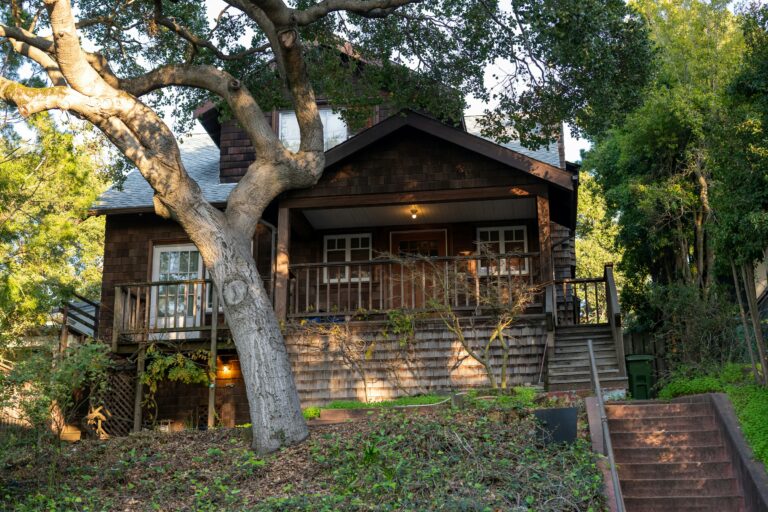 Selling for cash
Berkeley’s 1.5% to 2.5% Transfer Tax, and What Changes When Measure W Takes Effect in 2027
Berkeley charges its own 1.5% to 2.5% transfer tax on top of Alameda County's -- and the rate structure is about to…
Read the guide → Inherited homes & probate
Selling an Inherited House Without a Court Hearing: How the 15-Day Notice Works in California Probate
California executors with full IAEA authority can sell estate property on 15 days notice, no court hearing required. Here is how it works.
Read the guide →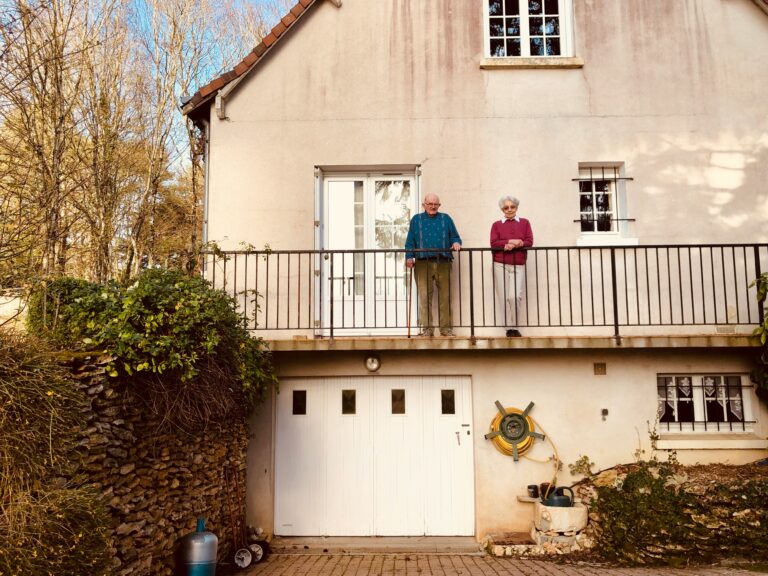 Selling for cash
Selling After 55 in California? How Prop 19 Lets You Carry Your Tax Base to the Next Home
California homeowners 55+ can transfer their property tax base to a new home anywhere in the state, up to three times. Here is how the math works.
Read the guide → Foreclosure & liens
How an FTB or IRS Tax Lien Attaches to a California Home Sale
An IRS or FTB lien attaches to a California home once tax debt is due, often before it shows up in a title search. How to clear one before closing.
Read the guide → Inherited homes & probate
Understanding California’s Probate Overbid Process
A signed probate offer in California isn't final until confirmed. Here's the statutory overbid formula and how it can beat your accepted price.
Read the guide → Selling for cash
Sacramento County Tax-Defaulted Auction: The Five-Year Clock and Excess Proceeds
Sacramento County can auction a home after 5 years of unpaid taxes. Former owners have 1 year to claim excess proceeds under RTC 4675.
Read the guide → Rentals & tenants
What Is Sacramento’s Tenant Protection Program?
Sacramento's Tenant Protection Program caps rent increases and requires just cause after 12 months, separate from the statewide AB 1482 rules.
Read the guide → Inherited homes & probate
Inherited House in Sacramento: A Checklist Before Requesting Offers
Prepare to request offers on an inherited Sacramento house: gather documents, record the condition, clarify priorities and compare written sale terms.
Read the guide → Divorce
Sacramento Divorce and the Family Home: Court Orders, Buyouts and Escrow
Sacramento divorce and the family home: automatic restraining orders, community property, Watts and Epstein claims, buyouts and how escrow splits proceeds.
Read the guide →