
Our Westmont Cash-Offer Process
- Foreclosure, inherited, tenants, damage — we buy it
- Zero fees, zero commissions, zero closing costs
- No obligation — turn the offer down and owe us nothing


From First Call to Closing Day, Step by Step
See exactly how we buy houses in Westmont, CA, from comps to closing, with zero fees and no obligation to sell.
Whether you’re facing foreclosure, dealing with an inherited property, or just want to skip the hassle of a traditional listing, the process for selling your Westmont house to Cash Home Buyers CA works the same way every time. This page walks through each step in detail, from your first phone call to the day funds land in your account.
Step One: You Tell Us About the Property
The process starts with a phone call, text, or the form on this page. We ask for the property address and a general sense of the situation — the condition, whether it’s occupied, and why you’re considering selling. You don’t need photos, an appraisal, or paperwork ready at this stage; a five-minute conversation is usually enough for us to start putting a number together.
Step Two: We Research Recent Westmont Comparable Sales
We pull recent sales of similar properties in and around Westmont — comparable size, age, and condition — to establish a baseline market value. Because Westmont is unincorporated Los Angeles County, we look specifically at nearby unincorporated and neighboring-city sales rather than relying on countywide averages, since local pricing in this part of South LA County can differ meaningfully block to block.
Step Three: We Account for Condition and Circumstance
From that baseline, we adjust for the property’s actual condition — deferred maintenance, needed repairs, code issues, or anything else that would cost time and money to address before a retail sale. We also factor in the situation itself: a tight foreclosure timeline, an occupied rental, or a probate sale each carry their own considerations that affect the offer and how quickly we need to move.
Step Four: We Send a Written Offer, Usually Within 24 to 48 Hours
Once we’ve reviewed the comps and the property’s specifics, we send a written cash offer, typically within one to two business days of your first call. The offer is a specific dollar number, not a range, and it comes with no obligation — you can accept it, decline it, or take time to think it over without owing us anything either way.
Step Five: You Review and Accept
Take whatever time you need to review the offer. Many sellers compare it against what a traditional listing might net after commissions, repairs, and months of carrying costs. If you have questions about how we arrived at the number, we’re glad to walk through the comparable sales and adjustments that went into it. When you’re ready, accepting the offer is as simple as telling us to move forward.
Step Six: We Open Escrow With a Licensed Title Company
Once you accept, we open escrow with a licensed Los Angeles County title and escrow company — a neutral third party that handles the transaction, not us directly. Escrow orders a preliminary title report to confirm ownership and identify any liens, mortgages, or other items that need to be cleared or paid off at closing.
Step Seven: Title Review and Payoff Coordination
If there’s an existing mortgage, escrow requests a payoff demand from your lender specifying the exact amount needed to satisfy the loan. If there are other liens — a tax lien, a mechanic’s lien, an old judgment — escrow identifies these during the title search so they can be resolved out of sale proceeds at closing rather than becoming a surprise later.
Step Eight: Signing the Closing Documents
Once title is clear and payoff amounts are confirmed, escrow prepares the closing paperwork, including the grant deed transferring ownership. You sign either in person at the title company’s office or remotely through a mobile notary or mail-away signing if you’re out of the area.
We don’t require repairs, a final walkthrough on our end, or any additional negotiation at this stage — the terms were set when you accepted the offer.
Step Nine: Recording and Funding
After signing, escrow submits the deed to the Los Angeles County Registrar-Recorder/County Clerk to record the transfer of ownership. Once recording is confirmed, escrow disburses funds — paying off any existing mortgage or liens directly, then wiring or issuing a check for your remaining proceeds. This entire process, from accepted offer to funded closing, typically takes 7 to 14 days, though we can move faster or slower depending on your situation.
How This Differs From a Traditional Sale
- No listing or showings. There’s no multiple listing service, no open houses, and no coordinating your schedule around strangers walking through the property.
- No financing contingency. Because we’re not relying on a mortgage lender, there’s no appraisal that can kill the deal and no loan underwriting delay.
- No repair negotiations. The offer already accounts for condition, so there’s no post-inspection back-and-forth over who pays for what.
- No commissions. There’s no listing agent or buyer’s agent commission coming out of your proceeds.
What You Need to Provide
Beyond the property address and basic details at the start, you’ll generally need a government-issued ID for signing, and if applicable, documentation showing your authority to sell — a trust certification, letters testamentary for an estate, or a divorce settlement agreement specifying how proceeds should be split. Our escrow company will let you know exactly what’s needed for your specific situation once escrow opens.
What Happens if You Change Your Mind
Because there’s no obligation until you’ve signed closing documents, you can step away from the process at any point before signing without owing us anything. If circumstances change after you’ve accepted an offer but before closing, reach out and we’ll talk through the options — we’d rather adjust than have you feel pressured into a sale that no longer fits your situation.
Multiple Owners or Decision-Makers
If more than one person holds an ownership interest — co-owners, heirs, or spouses — everyone with a legal interest generally needs to sign closing documents. This doesn’t need to be sorted out before the first call; we can work through the details of who needs to be involved once we understand the ownership structure.
What Our Escrow Company Actually Does
The escrow company is a neutral, licensed third party, not affiliated with us as the buyer, and its job is to protect everyone in the transaction.
It holds funds and documents until every condition of the sale is satisfied, verifies that whoever signs has the legal authority to do so, and ensures money only moves once the deed is properly recorded.
This structure is the same one used in any Los Angeles County real estate closing, whether the buyer is a cash buyer or a financed retail buyer.
Timeline Flexibility
While our typical closing window is 7 to 14 days from an accepted offer, that timeline is a default, not a requirement. Some sellers need to close faster, particularly ahead of a foreclosure sale date. Others need more time to coordinate a move, finish probate administration, or wait on a court date. We build the closing date around what actually works for you rather than pushing a fixed schedule.
How We Communicate With You Throughout
You’ll have a direct point of contact throughout the process rather than being routed through a call center each time you have a question. Updates on title, payoff amounts, and scheduling generally come by phone, text, or email, whichever you prefer, and you can check on where things stand at any point between the accepted offer and closing day.
What Happens to Utilities and Ongoing Bills
You’re generally responsible for utilities, insurance, and other recurring costs on the property up through the closing date, and the new owner takes over from there. Property tax is typically prorated at closing, meaning each party pays their share for the portion of the tax year they actually owned the property, the same way it would work in any real estate transaction.
Working Around an Existing Tenant During the Process
If the property has a tenant in place, the closing process runs largely the same way, with escrow additionally coordinating transfer of the lease and any security deposit at funding. We don’t require a walkthrough of an occupied unit or need to disturb a tenant’s day-to-day life to move the sale forward.
Why We Use a Licensed Title and Escrow Company Instead of Handling Closing Ourselves
Some direct buyers try to handle closing informally, which can leave sellers without the protections a licensed neutral third party provides. We route every purchase through a licensed Los Angeles County title and escrow company specifically so that title is properly searched, funds are held securely until recording is confirmed, and the transaction is documented the same way any other real estate sale in the county would be.
What We Look for When Reviewing a Property
When we evaluate a Westmont property, we’re looking at square footage, lot size, bedroom and bathroom count, and general condition relative to nearby comparable sales, along with any specific issues you’ve told us about — deferred maintenance, needed repairs, or code concerns.
We don’t require a formal inspection to reach an offer, though for some properties we may ask for photos or a brief walkthrough to confirm details before finalizing the number.
Frequently Asked Questions
Is there any cost to getting an offer?
No. Requesting and receiving an offer is free, with no obligation to accept it.
Do I pay any commissions or closing costs?
We don’t charge commissions, and we generally cover standard closing costs on our end as part of the offer structure.
How is the offer amount determined?
We use recent comparable sales in and around Westmont, adjusted for the property’s condition and your specific situation.
What if the title search finds a problem?
Our escrow company works to resolve title issues, such as old liens, as part of the closing process, typically paid off from sale proceeds.
Can I back out before closing?
Yes, there’s no obligation until you’ve signed the final closing documents.
Get a free, no-obligation cash offer from Cash Home Buyers CA today.
Seller Guides
Helpful guides for homeowners in Westmont
Plain-English answers to the questions sellers ask us most.
 Relocating
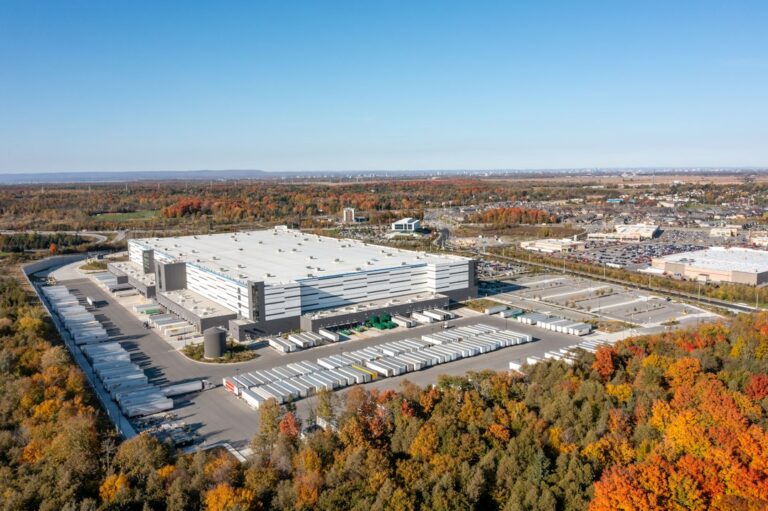
Fontana’s Warehouse Boom: What It Means If You’re Relocating
Fontana grew from a wartime steel town into an Inland Empire logistics hub. See what that shift means for home values and selling if you are relocating.
Read the guide → Selling for cash
The Transfer Tax Every Los Angeles Seller Pays, With or Without Measure ULA
Los Angeles charges its own $4.50-per-$1,000 tax on top of the county rate, before Measure ULA applies. See the exact combined math at closing.
Read the guide → Rentals & tenants
How Much Must Long Beach Landlords Pay Tenants Under the Relocation Ordinance?
Long Beach landlords: see the LBMC 8.99 relocation payments, notice periods, and city filing step required before a no-fault tenant termination.
Read the guide → Selling for cash
What Inglewood’s Housing Protection Ordinance Requires Before You Sell a Rental
Inglewood's Housing Protection Ordinance covers more rentals than expected, with rent caps, just-cause rules, and relocation tiers that transfer at sale.
Read the guide → Selling for cash
The Five-Year Countdown Before Los Angeles County Auctions a Tax-Defaulted Home
LA County auctions tax-defaulted homes after five years unpaid. See the redemption deadline, installment options, and how to claim excess proceeds.
Read the guide → Selling for cash
What Beverly Hills’ Rent Stabilization Ordinance Requires Before You Sell
Beverly Hills runs its own BHMC Chapter 5 and 6 rent rules: caps, BHRent registration, just-cause grounds and relocation fees sellers must clear first.
Read the guide → Selling as-is
What Rancho Palos Verdes’ Landslide Zones Mean for a Natural Hazard Disclosure
Rancho Palos Verdes sellers must check a landslide-zone box on the state Natural Hazard Disclosure Statement, separate from the earthquake fault question.
Read the guide → Selling for cash
West Hollywood’s Rent Stabilization Ordinance: What a Seller With Tenants Must Clear First
West Hollywood's rent stabilization law sets strict just-cause rules and relocation fees before you can sell a tenant-occupied rental unit here.
Read the guide → Inherited homes & probate
Partition Actions Between Heirs: How California Law Forces a House Sale
California heirs can force a house sale through a partition action under CCP 872-874, with court referees, confirmation hearings, and buyout rights.
Read the guide →