
How Our Crenshaw Cash-Offer Process Works
- Foreclosure, inherited, tenants, damage — we buy it
- Zero fees, zero commissions, zero closing costs
- No obligation — turn the offer down and owe us nothing


From First Call to Closed Escrow
No showings, no financing contingency, no repairs. Here is exactly what happens, step by step, when you sell your Crenshaw house to us.
If you are considering a cash sale of your Crenshaw house, it helps to know exactly what happens between your first call and the day money hits your account, rather than taking a “we buy houses” sign at its word.
Cash Home Buyers CA follows the same four-step process on every Crenshaw property, whether it is a single-family bungalow near the K Line or a small occupied apartment building, and every step is designed to remove a specific risk that slows down or kills a conventional sale.
Step One: Tell Us About the Property
We start with a short call or online form covering the basics: address, approximate condition, whether anyone is living there, and why you are selling.
We do not need a formal inspection, a pre-listing appraisal, or professional photos to get started, and we do not charge anything for this step or any step that follows.
If the property is occupied, whether by a tenant or a family member, we ask about the lease or living arrangement now so it does not become a surprise later in the process.
Step Two: We Build Your Offer From Real Comparable Sales
We pull recent comparable sales specific to your block and property type, not the neighborhood-wide median.
That distinction matters in Crenshaw more than in most areas: Redfin’s figures for the three months ending August 2026 show a median sale price of roughly $1,344,351, but on only 17 recorded sales, a number small enough that a single renovated house near the K Line’s Expo/Crenshaw or Martin Luther King Jr. stations can pull that figure well above what a similar but unrenovated bungalow further from the light rail would actually fetch.
We adjust our comps for condition, lot size, and location within the neighborhood, then send you a written cash offer, usually within 24 to 48 hours of the initial call. There is no obligation attached to receiving it, and turning it down costs you nothing.
Step Three: You Decide, on Your Timeline
If the offer works for you, we sign a purchase agreement and open escrow with a Los Angeles County title and escrow company. If it does not, there is no pressure and no cost to walk away. We do not use expiring-offer tactics or same-day-signature pressure, because an offer built from real comps does not need them.
Step Four: Escrow, Title, and Closing
- Title search. Escrow orders a preliminary title report to identify every lien, judgment, HOA assessment, or tax bill recorded against the property, including anything from a prior owner that may not have surfaced yet.
- Payoff and reinstatement demands. If there is an existing mortgage or a foreclosure already underway, we order payoff or reinstatement figures directly from your servicer so escrow knows exactly what has to be paid at closing.
- The city’s 9A report. We order the Report of Residential Property Records from the Los Angeles Department of Building and Safety ourselves, along with any required retrofit certifications, rather than asking you to arrange it.
- Signing. You sign closing documents at a local title office, or with a mobile notary arranged by escrow, including out of state, if you have already relocated or cannot make it in person.
- Recording and funding. Once the grant deed records with the Los Angeles County Registrar-Recorder/County Clerk in Norwalk, escrow disburses funds, typically by wire the same day.
What Gets Paid Out of Escrow Before You See a Dime
Any existing mortgage payoff, recorded liens, unpaid property taxes, and county documentary transfer tax under Revenue and Taxation Code 11911 (generally $1.10 per $1,000 of price, plus the City of Los Angeles’s own transfer tax) all come out of the sale proceeds in escrow before funds reach you.
If your sale is subject to California withholding under FTB Form 593, escrow handles that at closing as well unless an exemption applies, most commonly the seller’s certification that the property was their principal residence.
We factor these costs into the offer we make, so the number we quote you is not a surprise minus fees at the closing table — we do not charge commissions or closing costs on our side of the transaction.
How This Differs From a Conventional Sale
A traditional listing in Crenshaw means prepping and staging the house, scheduling showings, waiting for offers, and then, once you accept one, waiting again while the buyer’s lender orders an appraisal and underwrites the loan — a process that can stall or collapse entirely if the appraisal comes in low or the buyer’s financing falls through late.
Redfin reports a median of 75 days on market for Crenshaw as of August 2026, and that figure only covers the time to an accepted offer, not the weeks of financing and underwriting that follow.
Because we do not need financing, we skip the appraisal contingency entirely, and we do not ask for repairs or credits regardless of the property’s condition, whether that means an older bungalow with original systems or a small apartment building carrying deferred maintenance.
How Occupied and Inherited Properties Move Through the Same Process
The same four steps apply whether the seller is an individual owner, multiple heirs on title together, or a landlord selling an occupied rental.
For an occupied Crenshaw duplex or small apartment building, we confirm the lease, rent roll, and any Rent Stabilization Ordinance registration status during step two, and the existing tenancy transfers to the new owner at closing rather than requiring vacant possession.
For an inherited property, we can coordinate through one escrow with several heirs, or with the trustee if the house passed through a living trust, and title is confirmed as part of the same title search that runs on every purchase.
Crenshaw’s history of long-term family ownership, from the neighborhood’s early-1900s development through its decades as a center of Japanese American and later African American community life, means a meaningful share of the properties we buy here have been in one family for a long time, sometimes with title questions or old liens that surface only once a formal title search runs.
That is precisely why we run one on every property before anything closes, rather than assuming a clean title based on how long a family has owned the house.
How Long the Whole Process Actually Takes
Most Crenshaw closings run two to three weeks from a signed purchase agreement, though a closing can move faster when a foreclosure sale date or a relocation deadline requires it, and we can also wait longer if you need more time to arrange your move or a tenant needs more notice.
The offer itself typically arrives within a day or two of your first call. Nothing about the timeline requires you to accept anything; each step exists so that, if you do sign, closing happens on schedule without last-minute surprises from title, liens, or code compliance.
The most common reason a closing date shifts is not on our end — it is a seller needing extra time to arrange a move, coordinate with a tenant, or wait for a probate or family court matter to reach the point where a sale can proceed.
We build the purchase agreement’s closing date around that reality rather than a fixed internal deadline, and we can often agree to a rent-back arrangement, where you stay in the house for a set period after closing while you finish moving, if that is what actually works for your situation.
Questions We Get Before Someone Signs
Most first-time sellers ask two things before they commit: whether the offer is really final, and what happens if something unexpected turns up during escrow.
On the first, our written offer is not a teaser number meant to be renegotiated down once you are locked in — if the title search or the 9A report turns up something we did not know about at the time of the offer, such as an undisclosed lien or a code violation, we will tell you plainly and adjust only if that specific issue changes our costs, not as a routine renegotiation tactic.
On the second, if escrow surfaces a genuine problem, such as a lien larger than expected, we work through it together rather than walking away, because a completed sale is the outcome we are actually working toward on every Crenshaw property we put an offer on.
A Cash Offer for My House in Crenshaw: What the Offer Contains
When you ask for a cash offer for your house in Crenshaw, the written offer states the price, the proposed closing date, the deposit and the escrow company, and which costs each side pays.
Proof of funds comes with it, and there is no financing contingency, because a cash buyer pays without a mortgage, so there is no appraisal or loan approval.
We can buy your house directly or bring in a vetted cash buyer from our network; either way you get one written offer, one escrow and no fees or commissions to you, and you know who will take title before you sign closing documents.
Want to compare buyer types first? Our page on cash home buyers in Crenshaw lists the protections to expect from any offer, and selling as-is in Crenshaw explains how condition is priced.
Frequently Asked Questions
How do I get a cash offer for my house in Crenshaw?
Call or text 424-435-2326 or use the form. After one walkthrough we send a written offer, usually within 24 to 48 hours, with proof of funds and a closing date you can adjust.
Is a Crenshaw cash offer binding once I receive it?
No. The offer creates no obligation. A sale becomes binding only after you sign a purchase agreement, and a neutral escrow company then holds the deposit.
Does the 9A report delay a Crenshaw cash sale?
It sets the pace on most Los Angeles closings, since it is ordered from the city at the start of escrow. We order it on the properties we buy, and a clear-title house typically closes soon after it arrives.
Is there any cost or obligation to get an offer?
No. Getting an offer is free, and turning it down costs you nothing.
How do you come up with the offer number?
From actual comparable sales on your specific block and property type, adjusted for condition, rather than the broader neighborhood median.
Do I need to make repairs before you’ll buy?
No. We buy Crenshaw properties in their current condition, and our offer already reflects that condition.
Who pays closing costs?
We do not charge commissions or fees on our side. Standard items like transfer tax and any withholding requirement come out of proceeds in escrow, the same as any sale.
What if there’s a lien I didn’t know about?
The title search in escrow will surface it, and it gets paid off from proceeds at closing so it does not follow you afterward.
Can the closing date move if my plans change?
Generally yes, within reason. We build the timeline around your needs, not a fixed schedule.
Get a free, no-obligation cash offer on your Crenshaw property from Cash Home Buyers CA today. For the same process elsewhere in the city, see our page on how our Los Angeles cash-offer process works.
Seller Guides
Helpful guides for homeowners in Crenshaw
Plain-English answers to the questions sellers ask us most.
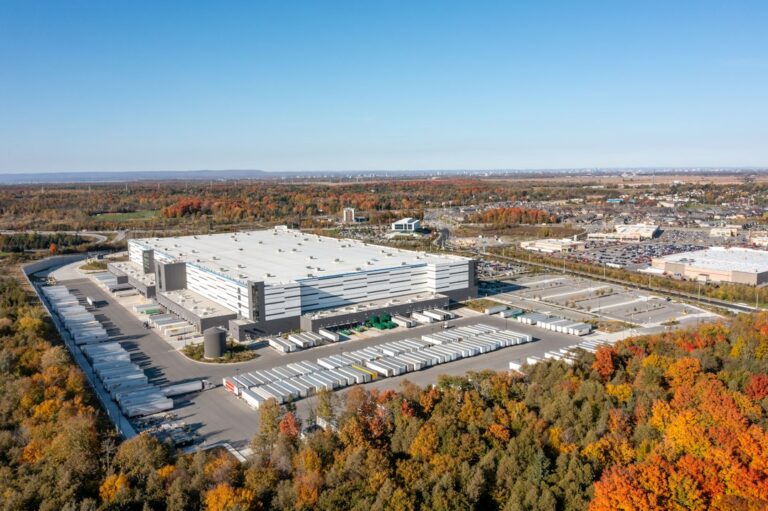 Relocating
Fontana’s Warehouse Boom: What It Means If You’re Relocating
Fontana grew from a wartime steel town into an Inland Empire logistics hub. See what that shift means for home values and selling if you are relocating.
Read the guide → Selling for cash
The Transfer Tax Every Los Angeles Seller Pays, With or Without Measure ULA
Los Angeles charges its own $4.50-per-$1,000 tax on top of the county rate, before Measure ULA applies. See the exact combined math at closing.
Read the guide → Rentals & tenants
How Much Must Long Beach Landlords Pay Tenants Under the Relocation Ordinance?
Long Beach landlords: see the LBMC 8.99 relocation payments, notice periods, and city filing step required before a no-fault tenant termination.
Read the guide → Selling for cash
What Inglewood’s Housing Protection Ordinance Requires Before You Sell a Rental
Inglewood's Housing Protection Ordinance covers more rentals than expected, with rent caps, just-cause rules, and relocation tiers that transfer at sale.
Read the guide → Selling for cash
The Five-Year Countdown Before Los Angeles County Auctions a Tax-Defaulted Home
LA County auctions tax-defaulted homes after five years unpaid. See the redemption deadline, installment options, and how to claim excess proceeds.
Read the guide → Selling for cash
What Beverly Hills’ Rent Stabilization Ordinance Requires Before You Sell
Beverly Hills runs its own BHMC Chapter 5 and 6 rent rules: caps, BHRent registration, just-cause grounds and relocation fees sellers must clear first.
Read the guide → Selling as-is
What Rancho Palos Verdes’ Landslide Zones Mean for a Natural Hazard Disclosure
Rancho Palos Verdes sellers must check a landslide-zone box on the state Natural Hazard Disclosure Statement, separate from the earthquake fault question.
Read the guide → Selling for cash
West Hollywood’s Rent Stabilization Ordinance: What a Seller With Tenants Must Clear First
West Hollywood's rent stabilization law sets strict just-cause rules and relocation fees before you can sell a tenant-occupied rental unit here.
Read the guide → Inherited homes & probate
Partition Actions Between Heirs: How California Law Forces a House Sale
California heirs can force a house sale through a partition action under CCP 872-874, with court referees, confirmation hearings, and buyout rights.
Read the guide →