
Selling on a Relocation Deadline in Downey, CA: What Actually Takes the Time
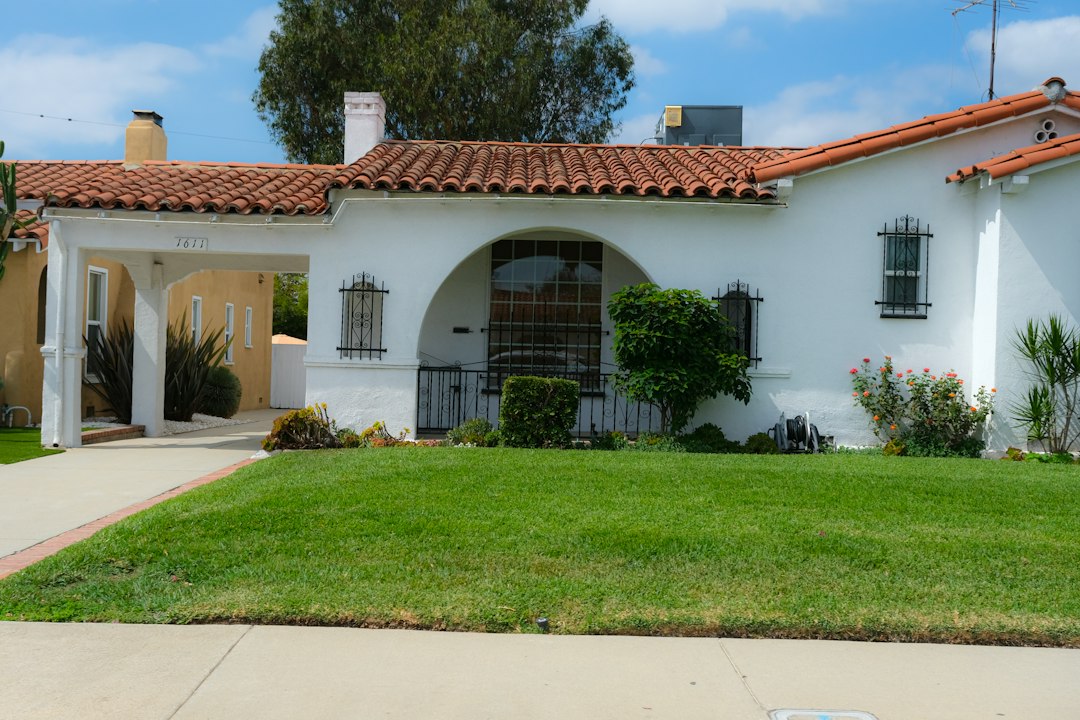
If you’re selling a house in Downey because you’re relocating, the clock you’re actually racing isn’t the sale itself — it’s disclosure prep, loan underwriting, and escrow mechanics that run on their own schedule no matter when your moving truck is booked. Most sellers assume the hardest part will be finding a buyer; in a market like Downey’s, with steady demand and a tight supply of single-family homes, that’s usually the fastest piece of the whole process. The slow parts are the ones nobody mentions until you’re already in the middle of them.
Downey is a city of roughly 114,355 people as of the 2020 Census, incorporated back in December 1956, and it’s one of the larger cities in southeast Los Angeles County. It’s also a city with a particular kind of housing stock and a particular kind of seller — someone whose family bought in during the aerospace boom, or who’s lived in a home their parents or grandparents bought decades ago, and who is now relocating for a job, a family need, or a lease that won’t wait. That combination — an older house and a hard date — is exactly where relocation sales in Downey tend to get complicated, and it’s worth walking through what actually eats the time.
Downey’s Aerospace-Era Housing Stock and What It Means for Your Disclosures
Downey’s modern identity was built on aerospace, not just agriculture. North American Aviation took over a former aircraft plant in the city in 1948, and by 1961 the facility had passed from U.S. Air Force ownership to NASA, where it became the birthplace of the systems engineering behind the Apollo Space Program and later the Space Shuttle program. That plant ran for more than 70 years before it finally closed in 1999. For the better part of three decades, it drove enormous residential growth — tract after tract of single-family homes built to house the engineers, machinists, and support staff who kept the aerospace industry running.
What that means for you, as a seller, is practical rather than sentimental: a large share of Downey’s housing stock dates to the 1950s and 1960s, which puts a lot of homes in the city at 60 to 70-plus years old. That’s not a problem by itself — plenty of those homes are solid, well-built, and still desirable. But it does mean there’s a reasonable chance your house has at least one of the following: original or partially updated electrical wiring, galvanized or cast-iron plumbing that’s near or past its useful life, additions or garage conversions that were done without permits, or a roof and HVAC system that have been replaced more than once since the original build. None of that is disqualifying. All of it needs to be known before you put the house on the market, because it’s going to come up — either in your own disclosure or in the buyer’s inspection — and finding out late is what actually costs relocation sellers time.
The fix is simple and worth doing in the first week, before you’ve listed anything: pull the permit history from the city, walk the house with an eye for anything that doesn’t look original or doesn’t look professionally done, and if you’re not sure, get a pre-inspection. It’s a lot easier to deal with a knob-and-tube wiring issue or an unpermitted patio cover on your own timeline than to have it surface during a buyer’s inspection period when you’re three weeks from a moving date.
What California Disclosure Law Actually Requires — Deadline or Not
Here’s the part that catches relocating sellers off guard: California’s disclosure requirements don’t bend for time pressure. There is no “I’m relocating” exemption written into the law, and treating a tight timeline as a reason to skip or rush disclosure is one of the more expensive mistakes a seller in a hurry can make.
Under California Civil Code §1102, sellers of most residential real property must complete a Transfer Disclosure Statement, commonly called the TDS, disclosing known material facts about the condition of the property — things like water intrusion, foundation issues, roofing problems, past pest damage, and unpermitted work you’re aware of. Under Civil Code §1103, sellers must also provide a Natural Hazard Disclosure, or NHD, which covers whether the property sits in a designated flood zone, fire hazard severity zone, earthquake fault zone, or other state-mapped hazard area. Both of these are statutory obligations tied to the sale of the property, not to how much time you have left before you need to be somewhere else. A seller who is relocating in three weeks has exactly the same disclosure duty as a seller with no timeline at all.
This matters for two reasons. First, skipping or glossing over disclosure to save a few days creates real post-sale liability — a buyer who discovers an undisclosed known defect after closing can have grounds to pursue the seller, and that risk doesn’t go away just because you’ve already moved to another state. Second, and more usefully, getting disclosures done properly and early is one of the few parts of this process you have full control over. Unlike loan underwriting or appraisal turnaround, which depend on your buyer’s lender, disclosure paperwork can be completed the week you decide to sell. Sellers who treat it as step one, rather than something to backfill once an offer comes in, consistently move faster overall — not because the law changed, but because they removed one more thing that could stall escrow later.
What a Traditional Sale Timeline Actually Looks Like, Start to Finish
If you list a Downey home the traditional way, here’s roughly what the calendar looks like, and where the real delays tend to live.
Listing prep — disclosures, photos, any pre-listing repairs, pricing strategy — typically takes one to three weeks depending on how much work the house needs and how quickly you can pull permit records and complete the TDS and NHD. Once the home is live, Downey’s steady demand usually means an active listing gets attention fast; many sellers field offers within one to two weeks, sometimes sooner on a well-priced home in a desirable pocket of the city. Offer and acceptance itself is quick — days, not weeks — but this is also where contingencies get written into the contract, and those contingencies are what really determine your timeline from here forward.
Then comes escrow. Under a standard California Association of Realtors purchase agreement, the customary escrow period runs 30 to 45 days. It’s important to be clear about what that number actually is: it’s a customary, contractual timeframe that buyer and seller agree to in the purchase contract — not a legal requirement. Nothing in California law says escrow must take 30 days; it’s simply the window most conventional buyers need, and it’s negotiable in both directions if both parties agree.
Inside that 30-to-45-day window, the delays that actually matter are rarely about the house. They’re about the buyer’s financing. Loan underwriting for a conventional buyer typically takes two to four weeks on its own, and that clock often doesn’t really start until the loan file is complete — which depends on the buyer’s documentation, their lender’s current workload, and whether anything unusual shows up in underwriting. The appraisal is its own separate step inside that window, usually scheduled a week or two into escrow, and if it comes in low, that can trigger renegotiation or additional contingency time. Add in the buyer’s inspection contingency, which typically runs 10 to 17 days and is the point where any of that older Downey wiring or plumbing is most likely to surface, and a traditional sale with a financed buyer can easily land at the far end of that 30-to-45-day range, or beyond it if something needs to be resolved. None of this is unusual — it’s just how a financed purchase works. It’s also exactly the part of the process a relocating seller has the least ability to speed up once it’s underway, which is why the decisions made before you accept an offer matter more than anything you can do after.
Tools That Actually Compress the Timeline
If you need to shorten this process without abandoning a traditional sale entirely, a few specific tools actually move the needle.
A rent-back agreement, sometimes called a seller leaseback, lets you close the sale but stay in the home for an agreed period afterward — often a few weeks to a couple of months — while you finish sorting out the new location. This doesn’t speed up escrow itself, but it decouples your moving date from your closing date, which is often the actual source of the pressure. A lot of relocation stress isn’t about selling fast; it’s about needing somewhere to live the day after closing, and a rent-back solves that directly.
Pricing to sell, rather than pricing to test the market, is the second lever. A home priced right at or slightly under current market value in Downey’s active segments tends to generate offers in the first one to two weeks rather than sitting through a round of price reductions. Pricing aggressively high “to see what happens” is the single most common reason a relocation timeline slips before escrow even opens — every week the house sits unsold is a week you didn’t plan for.
A pre-inspection, done before you list, is the third. Paying a few hundred dollars for an inspection up front lets you either fix small issues before buyers see them or price the home to account for known conditions — either way, it reduces the odds that a buyer’s own inspection turns up a surprise that reopens negotiations or stalls escrow in week three. Sellers who’ve handled relocation sales elsewhere describe the same pattern; the experience of selling on a relocation deadline in Signal Hill runs into the same underwriting and inspection bottlenecks, because those bottlenecks are about the financing and condition of the home, not the city it’s in.
Where a Cash or As-Is Sale Actually Helps
This is where a cash or as-is sale earns its reputation for speed, and it’s worth being specific about why, rather than treating it as a vague shortcut.
A cash buyer isn’t waiting on a lender, which means there’s no loan underwriting timeline to sit inside of and no appraisal contingency tied to a bank’s valuation requirements. An as-is sale also typically means no repair negotiations after inspection — the buyer is purchasing the home in its current condition, aerospace-era wiring and all, rather than asking you to fix items or credit for them before closing. Strip those two pieces out of the traditional 30-to-45-day escrow, and what’s left is mostly paperwork and title work, which is how these sales close in a couple of weeks rather than a month or more.
What a cash sale does not change is your disclosure obligation. You still complete the TDS and NHD; §1102 and §1103 apply regardless of how the buyer is paying. And it’s worth being upfront that this kind of sale is a trade — you’re exchanging the longer, uncertain timeline of a financed buyer for a faster, more predictable close. Companies that buy houses this way work differently from a traditional retail sale, and it’s worth understanding how these companies work and what to expect before you decide whether that trade makes sense for your situation.
When Selling Fast Is the Wrong Call
It’s worth saying plainly: speed isn’t free, and in a market like Downey’s, with steady, consistent buyer demand, selling purely for speed when you didn’t actually need to is usually a bad trade. A seller who takes a faster, as-is sale because it’s convenient — not because the calendar genuinely requires it — typically gives up meaningfully more in sale price than the time they saved was worth. If your new job doesn’t start for two months, or your lease in the new city doesn’t begin for six weeks, a traditional sale with a normal escrow period will likely net you more money for very little added risk.
Relocation pressure is a legitimate reason to trade price for certainty — but only when the calendar actually requires it. The honest version of “I need to sell fast” usually looks like one of a few specific situations: a confirmed start date for a new job that doesn’t allow for delay, a lease in your new city that doesn’t permit overlap with your current mortgage, or a lender who has made clear they won’t qualify you for a new home purchase while you’re still carrying the mortgage on the Downey house. Those are real constraints with real financial consequences if you miss them. “I’d rather be done with this” is not the same thing, and it’s worth being honest with yourself about which category you’re actually in before you give up thousands of dollars in sale price for a close date that’s three weeks earlier than you strictly need.
Sellers who’ve faced genuinely forced timelines — for instance, those navigating a sale while relocating from Altadena after the Eaton Fire — are a useful contrast: there, the timeline pressure was real and external, not a matter of convenience. A job relocation deserves the same honest test. If the calendar truly won’t move, a faster sale is a reasonable, even smart, choice. If it will move, it’s worth giving the traditional process the extra few weeks it needs.
First Steps If You’re Relocating Out of Downey
Whichever path fits your actual timeline, the sequence below is the same one that keeps relocation sales from stalling out in week three.
- Confirm the real deadline — a start date, a lease date, or a lender’s requirement — in writing if possible, rather than a general sense of urgency.
- Pull the home’s permit history from the city and walk the property for anything added or altered without permits, especially in homes built during the 1950s and 1960s aerospace-boom years.
- Get a pre-inspection so you know the home’s condition before buyers do, not after an offer is already in contract.
- Complete your Transfer Disclosure Statement (Civil Code §1102) and Natural Hazard Disclosure (Civil Code §1103) early, regardless of which sale path you choose.
- If your timeline allows it, price to sell rather than to test the market, and consider a rent-back agreement to decouple your closing date from your actual move-out date.
- If the calendar truly won’t move, compare a traditional listing against a cash, as-is offer with your actual numbers in front of you — the timeline difference, the likely sale price difference, and what each one is worth to you in your specific situation — before deciding.
This article is general information, not legal or financial advice, and every relocation sale has its own details worth reviewing with a real estate professional. If your calendar genuinely doesn’t have room for a traditional 30-to-45-day escrow, you can get a no-obligation cash offer from Cash Home Buyers CA to see what a faster, as-is close would look like for your specific property. You can also read more about selling a house due to relocation in Downey for details specific to this city.