
California Civil Code §4525: The 11 HOA Documents You Must Hand a Buyer Before Closing
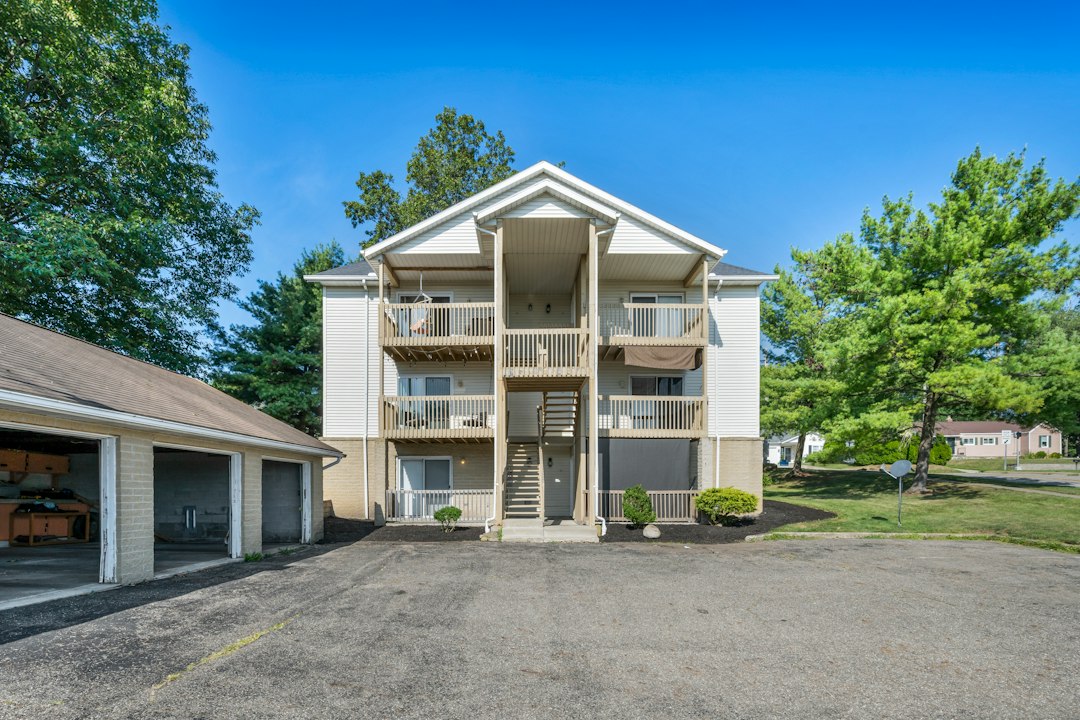
California Civil Code Section 4525 requires anyone selling a condo, co-op, or planned-development home inside a homeowners association to hand the buyer eleven specific documents before title transfers — and the list changed again on January 1, 2026.
If you’re selling inside an HOA, the governing documents, the most recent financial disclosures, a written statement of unpaid assessments and fines, and a copy of the latest inspection report required under Section 5551 all have to reach the buyer before escrow closes, not after.
Eleven Documents, One List, and a Law That Keeps Getting Amended
Section 4525 sits inside the Davis-Stirling Common Interest Development Act, the body of law that governs every California HOA, condo association, and planned-unit development. It was added in 2012 and has been amended repeatedly since — most recently by SB 410, effective January 1, 2026.
Each amendment has added to the list rather than shortened it, which is why sellers who last went through this a few years ago are often surprised at how long the current document package has become.
The statute puts the delivery obligation on the owner — the seller — not on the real estate agent or the title company. It requires the documents to go to the prospective purchaser “as soon as practicable” before title transfers or before a real property sales contract is executed.
There’s no fixed number of days written into that half of the statute, which is exactly why disputes arise: “as soon as practicable” has been read by some associations as a day or two and by others as a matter of weeks, and the ambiguity usually gets resolved by whichever side has more leverage in the transaction.
What Section 4525 Actually Requires the Owner to Hand Over
The current list, after the 2026 amendment, runs to eleven items. In plain terms, a selling owner must provide:
- A copy of all governing documents — CC&Rs, bylaws, and operating rules — or, if the association isn’t incorporated, a written statement saying so.
- If the governing documents restrict occupancy or use based on age, a statement limiting that restriction to what’s actually enforceable under the state’s senior-housing statute.
- The most recent annual budget report and related financial disclosures distributed to members.
- A true written statement from the association listing current regular and special assessments, any unpaid assessments on the seller’s unit, and any unpaid fines or penalties as of that date — plus late charges, interest, and collection costs that could become a lien.
- A copy or summary of any unresolved violation notice previously sent to the seller.
- If applicable, the initial list of construction defects provided to members, unless the association and builder have since settled.
- The latest update to that defect-settlement information, if one exists.
- Any board-approved change to regular or special assessments that hasn’t become due yet.
- A statement describing any governing-document provision that prohibits renting or leasing a unit to a tenant.
- If the buyer asks for them, copies of board meeting minutes from the previous twelve months, excluding closed executive sessions.
- A copy of the most recent inspection report required under Civil Code Section 5551.
That last item is new to a lot of sellers, and it’s worth pausing on, because it quietly connects this statute to a separate inspection law that trips up a lot of condo sellers on its own.
The Document That Ties Back to the Balcony Inspection Law
Section 5551 is the Civil Code companion to SB 326, the law requiring associations to inspect load-bearing, waterproofed exterior elevated elements — balconies, decks, walkways — on a six-year cycle.
Associations finished their first inspection cycle at the start of 2025, and every HOA that has gone through at least one inspection now has a formal report on file.
Item eleven of Section 4525 means that report is no longer something a buyer has to go dig up separately; the seller has to produce it as part of the standard disclosure package.
We’ve covered the inspection requirement itself in detail, including what the report typically flags and what it means for a sale, in our article on California’s balcony inspection law.
If your HOA’s inspection turned up deferred maintenance or a pending special assessment to pay for repairs, that finding is going to surface here regardless of whether anyone mentions it during a walkthrough.
How the Request and the Ten-Day Clock Actually Work
Section 4525 covers what has to be disclosed; Section 4530 covers the mechanics of getting it. Once a written request goes to the association — typically triggered by opening escrow — the association has ten days from the mailing or delivery of that request to produce copies of everything listed in Section 4525.
The documents can be delivered electronically, and the requesting party has the right to choose electronic delivery if the association keeps the documents in that form.
The ten-day clock is one of the few hard deadlines in this corner of the Davis-Stirling Act, and it’s enforceable: delivery can’t be withheld for any reason other than payment of the fee the statute authorizes.
What the HOA Is Allowed to Charge — and What It Isn’t
Associations can collect a “reasonable fee” from the seller, but the statute ties that word to something specific: the association’s actual cost to procure, prepare, reproduce, and deliver the requested documents. It isn’t a flat transfer fee dressed up as a disclosure charge. A few guardrails sellers should know about:
- No extra fee can be charged for choosing electronic delivery instead of paper copies.
- Fees for the Section 4525 documents have to be itemized separately from every other fee, fine, or assessment billed as part of the sale — they can’t be bundled into a generic “transfer fee” line.
- Any document not expressly required by Section 4525 can’t be folded into this disclosure package, and bundling unrelated documents with the required ones is explicitly prohibited.
- If the seller already has current copies of any required document, the seller has to give the buyer those copies at no cost — the association’s fee only applies to documents the association itself has to produce.
That last point matters more than it sounds. Sellers who kept their HOA paperwork organized — CC&Rs, the last couple of years of meeting minutes, prior assessment notices — can hand those directly to the buyer and avoid paying the association to regenerate documents that already exist in a drawer.
The Fee Estimate You’re Entitled to See First
Before the association processes a document request, it has to provide a written or electronic estimate of what the fees will be, using the standard form described in Civil Code Section 4528.
That estimate has to arrive before the association starts pulling the paperwork together, which means a seller or their agent can see the cost up front rather than being billed after the fact.
If the request gets canceled in writing before any work has started, the association can’t charge a cancellation fee and has to refund whatever was already collected.
If some work had already been done when the request is canceled, the association can only keep the portion of the fee tied to work actually performed, and has to refund the rest.
Where This Shows Up in a Real Transaction
In practice, the Section 4525 package usually gets ordered through escrow within the first few days after a purchase agreement is signed, often through a third-party HOA document company the association has contracted with under Section 4530(c).
The buyer’s lender will frequently want to see the budget and financial disclosures before clearing the loan, especially if the building has deferred maintenance or an active special assessment, since that can affect the unit’s insurability and the lender’s own risk calculation.
A seller who already has unresolved violation notices or a pending special assessment on file should expect those facts to appear in this package — they don’t disappear because the seller didn’t bring them up.
Title companies typically won’t issue a clean policy until the Section 4525 package is in the file, since an unresolved violation or an unpaid assessment can turn into a title exception that has to be cleared or insured around before closing.
Unpaid assessments and fines on the unit are a particular pressure point, because a lien for unpaid HOA assessments can follow the property through a sale if it isn’t resolved at or before closing.
We go through how those liens actually attach to a property and what has to happen to clear them in our guide to HOA lien and foreclosure rules in California, which is worth reading alongside this one if your HOA account isn’t current.
What This Statute Does Not Cover
Section 4525 is specific to common interest developments — condos, co-ops, and planned developments with a homeowners association.
It has nothing to do with the separate Transfer Disclosure Statement that applies to most residential sales statewide, which covers the physical condition of the property itself rather than the HOA’s finances and governance.
Some transactions are exempt from that broader disclosure requirement, and we cover which sales qualify in our article on Transfer Disclosure Statement exemptions in California.
The two disclosure obligations run on separate tracks and separate statutes, and satisfying one doesn’t satisfy the other — an HOA property sale that qualifies for a TDS exemption still has to go through the full Section 4525 document package.
What Happens When the Documents Surface Late
Section 4525 itself doesn’t spell out a specific cancellation remedy for late delivery, which is a separate issue from the narrower statutory rescission right that applies to one specific situation: Civil Code Section 1134 gives a buyer three days after personal delivery, or five days after delivery by mail, to cancel a purchase agreement if the required defect disclosure for a condominium conversion — a building converted from apartments into condos — arrives after the purchase agreement was already signed.
That’s a narrower rule than the general Section 4525 document package, and it only applies to conversion projects, but it’s the clearest statutory cancellation trigger in this area and it’s worth knowing if the building you’re selling started life as a rental and was later converted.
Outside that specific conversion scenario, late delivery of the Section 4525 package still creates real risk for a seller — just through the purchase contract rather than a statutory rescission clause.
Most California purchase agreements give the buyer a contingency period to review HOA documents, and if the package doesn’t show up until that window is closing or has already closed, buyers and their agents routinely use the delay to renegotiate, extend contingencies, or walk under a general disclosure or contingency clause in the contract itself.
If a Section 5551 inspection turned up a significant deferred-maintenance finding — say, a balcony support structure flagged for repair — and that report doesn’t reach the buyer until late in escrow, the practical effect is the same even without a dedicated cancellation statute: the buyer just learned about a fact that could affect the unit’s value, insurability, or an upcoming special assessment, at a point where leverage has shifted.
Sellers who front-load this disclosure avoid putting a buyer in that position in the first place.
When a Cash Sale Changes How This Works
Selling for cash doesn’t remove the Section 4525 obligation — the statute applies to the owner of the separate interest regardless of how the buyer is financing or who the buyer is. What a cash sale changes is the practical friction around it.
There’s no lender in the file demanding the financial package before clearing underwriting, so the document request can move at the pace the parties actually need rather than at a bank’s processing speed.
If the HOA account has unpaid assessments, an open violation, or a looming special assessment tied to a recent Section 5551 inspection, a cash buyer who already knows the numbers can often still close on a set date, where a financed buyer’s lender might pause the file until those issues are resolved or priced into the deal.
It’s also worth being honest about when a cash sale isn’t the better move: if the HOA documents are clean, assessments are current, there’s no pending special assessment, and the unit would qualify easily for conventional financing, listing on the open market and letting a financed buyer compete for the property will often net a higher price.
Cash sales solve for speed and certainty, not necessarily for the highest possible number — and a seller sitting on a well-maintained unit in a financially healthy association has less reason to need that trade-off.
What to Request Before You List
Sellers who get ahead of this instead of waiting for escrow to trigger it tend to have a smoother transaction. Before listing, it’s worth requesting:
- A current statement of assessments, unpaid amounts, and any fines on the unit, so there are no surprises once a buyer’s request goes in.
- A copy of the most recent Section 5551 inspection report, especially if the building has elevated walkways, decks, or balconies covered by that law.
- Confirmation of whether any special assessment has been approved but not yet billed — this has to be disclosed under item eight of Section 4525, so finding out early avoids a late surprise.
- Any open violation notices tied to the unit, so they can be resolved or explained before a buyer sees them.
None of this requires a lawyer to pull together — most associations’ management companies can produce a current assessment statement and the latest inspection report on request, often faster than the formal ten-day statutory window once a transaction is actually underway.
Why This Keeps Catching Sellers Off Guard
The reason this statute surprises so many sellers isn’t that it’s obscure — real estate agents who work regularly with HOA properties know it well. It’s that the list keeps growing.
A seller who sold a different condo five or six years ago remembers a shorter document package, pays the old fee estimate without double-checking it, and assumes the inspection report and defect-list items don’t apply to their building.
By the time escrow flags the gap, there’s a delay that didn’t need to happen.
Pulling the current list, checking whether the HOA has completed its Section 5551 inspection, and getting a fee estimate before listing turns a statutory requirement that can stall a closing into paperwork that’s simply ready when escrow asks for it.
If your HOA property has an outstanding special assessment, an unresolved violation, or deferred maintenance flagged in a recent inspection and you’d rather not manage the disclosure timeline through a traditional listing, reach out to Cash Home Buyers CA for a no-obligation cash offer — we buy properties with HOA complications as-is, and you can see how other sellers describe working with us on our Google Business profile.