
Malibu’s Six-Year Rebuild Deadline After the Palisades Fire: Municipal Code 17.60.020(C)
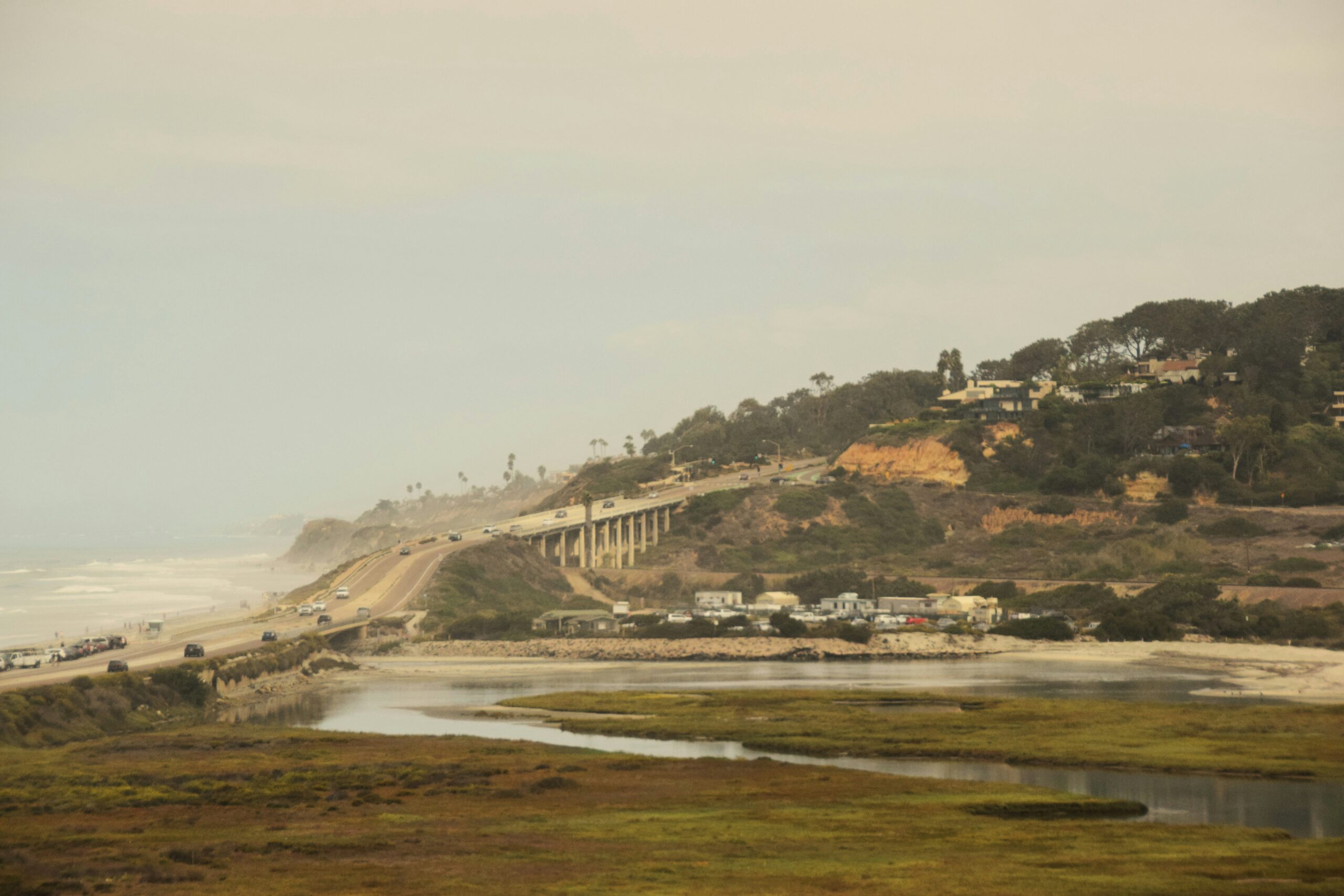
Malibu homeowners rebuilding after the January 2025 Palisades Fire have a hard deadline most residents outside the city have never heard of: Malibu Municipal Code Section 17.60.020(C) requires a rebuild application to be filed within six years of the fire and a building permit actually obtained within eight years, or the right to rebuild a nonconforming structure can be lost entirely.
If you’re holding a burned lot in Malibu and haven’t started the entitlement process, the clock is already running, and it runs differently here than it does in unincorporated Los Angeles County or the city of Los Angeles.
Why Malibu Has Its Own Separate Rule
Malibu is its own incorporated city with its own zoning code, separate from the Los Angeles County and City of Los Angeles rebuild rules that cover the rest of the Palisades Fire burn scar.
Section 17.60.020(C) governs any structure that was lawfully built but no longer conforms to current zoning standards — which describes a large share of older Malibu homes, many built decades before the city’s current height, setback, and square-footage rules took effect.
Under this section, a destroyed nonconforming structure can be rebuilt in its general prior location and at its same height, subject to planning verification, without having to meet every current zoning standard from scratch.
That’s a meaningful protection for owners of older coastal homes, but it comes with the six-year filing deadline and eight-year permit deadline built directly into the ordinance text.
The Six-Year and Eight-Year Clocks, and How They’re Different
These are two separate deadlines, not one. The reconstruction application has to be initiated with the city within six years of the date of damage or destruction.
Separately, a building permit has to be diligently pursued and actually obtained within eight years from that same date, and it can’t be allowed to expire once issued.
Filing the application on time doesn’t automatically protect a slower permitting process — the applicant still has to keep the permit moving and get it issued before the eight-year mark, or the nonconforming-rebuild right can lapse even after a timely application.
The Extension Process, and Its Own Caps
The ordinance allows for extensions, but they aren’t automatic and they aren’t unlimited.
A property owner can request an extension past either the six-year application deadline or the eight-year permit deadline, and the planning commission can grant one if it finds, based on substantial evidence, that unusual circumstances make strict compliance an undue hardship.
But the extensions themselves are capped: application extensions can’t total more than three additional years, for a maximum of nine years from the date of the fire, and building-permit extensions can’t total more than three additional years, for a maximum of eleven years from the date of the fire.
An owner who assumes an extension request is a formality, or that it can be requested repeatedly without limit, is working from a mistaken premise — the nine-year and eleven-year ceilings are hard outer limits written into the code itself.
What a Rebuild Can Actually Include
Beyond timing, the ordinance also sets what the rebuilt structure is allowed to be. At the planning director’s discretion, a fire-destroyed structure can be permitted to increase its square footage, height, or bulk by up to 10% over what existed before the fire.
On non-beachfront properties, any increased height or bulk still can’t exceed 18 feet unless the owner separately obtains a site plan review, and any increased square footage can’t exceed the citywide limits set in a separate section of the zoning code.
Beachfront lots have their own carve-out: a replacement structure there is allowed to meet the minimum increases necessary to satisfy FEMA requirements, but has to protect neighboring ocean views to the maximum extent feasible, and has to seek any additional square footage laterally before building up.
A beachfront structure that was already nonconforming in height generally can’t gain additional height in the rebuild, even under the FEMA-driven increase.
Proving What the Prior Structure Actually Was
The “rebuild at the same height and in the same general location” protection only works if the owner can document what that prior structure actually was, and this is where a lot of post-fire rebuilds lose time.
The planning department doesn’t take an owner’s word for the destroyed home’s height, square footage, or setbacks — it wants building permit records, assessor data, and, ideally, the original approved plans or a prior survey showing exactly where the structure sat on the lot.
A home that went through multiple additions over several decades, some permitted and some not, can end up with a documented baseline that’s smaller or more restricted than what the owner remembers standing there the week before the fire.
Pulling the county assessor’s building record and the city’s own permit history for the parcel early — well before the six-year deadline gets close — gives an owner time to resolve any gap between memory and the official record, or to pursue a variance if the documented baseline turns out to be less favorable than expected.
Waiting until year five to discover that the garage addition was never permitted, and therefore isn’t part of the protected rebuild, is a significantly worse position than finding that out at the outset.
The Geotechnical Review That Often Adds Months
Malibu’s hillside and coastal-bluff lots frequently require a geotechnical and soils report before the planning department will sign off on a rebuild, even a same-as-before one, because a fire can change slope stability and drainage conditions on a property regardless of what the prior structure looked like.
This review runs on its own timeline, separate from the six-year application clock, and a geotechnical engineer’s assessment of a hillside parcel after a major fire can take several months once erosion, debris flow risk, or changed vegetation cover on the surrounding slope are factored in.
An owner who assumes that filing the reconstruction application is the only step standing between them and a building permit is often missing this piece, and it’s one of the more common reasons a project that looks straightforward on paper ends up needing one of the ordinance’s permitted extensions.
Commissioning the geotechnical study early, in parallel with the reconstruction application rather than after it’s approved, is one of the more effective ways to keep the eight-year permit deadline from becoming a real risk rather than a theoretical one.
This Ordinance Was Itself Amended Right After the Fire
Section 17.60.020(C) isn’t a static, decades-old rule sitting untouched in the code — the city council amended it by urgency ordinance on March 6, 2025, roughly two months after the Palisades Fire started, and adopted the regular version of the same amendment on March 12, 2025.
That timing matters: the current version of the six-year, eight-year, nine-year, and eleven-year framework reflects the city’s deliberate post-fire policy choice about how long rebuild rights should last, not a generic rule that happened to predate the disaster.
A Malibu owner working from an older summary of this ordinance, or from a neighbor’s recollection of how reconstruction worked after an earlier fire, may be relying on language the city has since revised specifically in response to the Palisades Fire.
How This Differs From the County and City of L.A. Rebuild Programs
The Palisades Fire burned across jurisdictional lines, and it’s easy for an owner to assume the rebuild rules are the same everywhere the fire reached. They aren’t.
Los Angeles County and the City of Los Angeles have pursued expedited permitting programs, self-certification pilots, and executive-order-driven review timelines aimed at getting permits issued in weeks rather than months, and those programs apply within county unincorporated areas and the city of L.A., not inside Malibu’s own municipal boundaries.
Malibu, as a separately incorporated city, runs its own planning department and its own version of expedited review, but the statutory six-year and eight-year deadlines in Section 17.60.020(C) are a Malibu-specific backstop that doesn’t automatically track whatever processing speed the county or city of L.A. achieves on their respective rebuild dashboards.
An owner comparing notes with someone rebuilding in unincorporated Topanga or in the Pacific Palisades neighborhood of the city of Los Angeles is not necessarily working under the same deadline framework at all.
How the Coastal Zone Layers on Top of the City’s Own Deadline
Most of Malibu sits within the California Coastal Zone, which ordinarily means a separate Coastal Development Permit process runs alongside the city’s own zoning review for any significant rebuild.
Governor Newsom’s Executive Order N-4-25, issued in the immediate aftermath of the Palisades Fire, suspended Coastal Act permitting requirements for qualifying rebuild projects, and the state has since extended that relief through subsequent executive orders, including an anniversary order issued in January 2026.
That suspension is a separate piece of state-level relief layered on top of Malibu’s own Section 17.60.020(C) deadlines — it changes whether a Coastal Development Permit is required for a qualifying like-for-like rebuild, but it does nothing to extend the city’s own six-year application window or eight-year permit deadline.
An owner who hears that Coastal Commission review has been waived for fire rebuilds should not read that as meaning Malibu’s underlying municipal deadline has also been waived; the two are governed by entirely different authorities and neither one automatically extends the other.
What Happens If the Deadline Passes
If an owner misses the six-year application window, or lets a building permit lapse past the eight-year mark without a granted extension, the nonconforming-rebuild protection in Section 17.60.020(C) is no longer available.
A new project on that lot would then have to meet the city’s current zoning standards in full, rather than being allowed to rebuild at the prior height and in the prior general location.
For an older coastal home that was nonconforming specifically because of a height or setback that current code no longer allows, that can mean a materially smaller or differently configured house than what burned, which changes the economics of rebuilding versus selling the lot as-is.
What a Lien or Insurance Claim Doesn’t Change
None of these deadlines pause automatically because an owner is still waiting on an insurance settlement, disputing a claim, or dealing with a lender on a destroyed structure’s existing mortgage.
The six-year and eight-year clocks run from the date of damage or destruction itself, not from the date a claim is resolved or financing is arranged.
An owner stuck in a prolonged insurance dispute should treat the planning-department filing as a separate, parallel task from the insurance process rather than something to defer until the claim settles, since filing the reconstruction application doesn’t require having rebuilding funds in hand yet — it just starts the clock running on the city’s side of the process.
This separation matters because insurance disputes on total-loss claims routinely stretch past a year, and construction cost estimation for a custom coastal rebuild can take months on its own before a contract is signed.
An owner who waits for full insurance resolution and firm construction pricing before contacting the planning department at all can easily burn a year or more of the six-year window on steps that didn’t need to happen first.
Filing the reconstruction application early, even with a conceptual design rather than final construction drawings, preserves the nonconforming-rebuild right while the insurance and financing pieces are still being worked out separately.
When Selling the Lot Makes More Sense Than Rebuilding
Rebuilding under Section 17.60.020(C) is a multi-year undertaking even when it goes smoothly: planning verification, design, permitting, and construction on a coastal lot with geotechnical and coastal-commission considerations layered on top of the standard process.
An owner who doesn’t want to manage that timeline, or who has already let a meaningful portion of the six-year window pass without starting, may be better served selling the lot to a buyer prepared to take on the entitlement and construction process themselves — we cover the broader set of considerations that apply to any fire-damaged property sale in California, including insurance and disclosure questions, in our guide to selling a fire-damaged house in California.
That’s a legitimate option, but it’s worth being honest that a buyer taking on an unentitled or partially entitled rebuild is pricing in both the construction cost and the risk of the city’s deadlines, which is reflected in the offer.
For an owner with a straightforward claim, clear title, and a lot where the prior structure’s height and footprint would clearly qualify for same-as-before reconstruction, listing with an agent experienced in Malibu fire rebuilds and either selling the entitled lot or completing the rebuild for resale may produce a better outcome than an immediate as-is cash sale.
When a Cash Sale Is the Better Fit
A cash sale makes more sense when the six-year application clock is already running low, when the title is complicated by multiple heirs or an unresolved estate, when the insurance claim is still in dispute and the owner doesn’t want to front rebuild costs while waiting, or when the owner has simply decided they don’t want to manage a multi-year coastal construction project at all.
A direct buyer can close on the lot as it sits, take on the reconstruction entitlement process directly, and remove the deadline pressure from the seller’s side of the transaction entirely.
We go through what sellers should check before listing a Malibu property more generally, including disclosure obligations that apply regardless of whether the structure is standing, on our Malibu as-is selling page.
What to Confirm Before Deciding Either Way
Before deciding to rebuild or sell, a Malibu fire-lot owner should confirm the exact date of destruction the city is using to calculate the six-year and eight-year deadlines, check whether a reconstruction application has already been filed on the property by a prior owner or family member, request written confirmation from the planning department of the prior structure’s documented height, square footage, and setbacks, since that documentation is what determines what a same-as-before rebuild is actually allowed to include, and ask the planning department directly whether any class-wide or lot-specific extension has already been granted following the March 2025 ordinance amendments.
Ownership structure matters here more than it might on an ordinary sale.
A property held by a trust, or by multiple heirs who inherited it after the fire, can run into its own delay before the city paperwork even starts, since the planning department will generally want to see that whoever signs the reconstruction application actually has authority to act for the property.
An owner working through probate or a multi-sibling inheritance should treat getting that authority sorted out as part of the same timeline pressure as the six-year filing deadline itself — the city’s clock doesn’t pause while a family works out who’s authorized to sign.
If you’re holding a fire-damaged Malibu property and would rather not manage a multi-year rebuild entitlement process, Cash Home Buyers CA can make a no-obligation cash offer on the lot as it stands today. You can see what other California sellers have said about the process on our profile on Google.