
Norwalk Zoning and ADU Guide for Homeowners and Sellers
- Backyard units, garage conversions, unpermitted additions: we buy it as-is
- Zero fees, zero commissions, zero closing costs
- No obligation: turn the offer down and owe us nothing
ADU or Zoning Questions on Your Norwalk House? Sell As-Is for Cash
Whether the unit is permitted or not, tell us about the house and get a written cash offer.
Last updated November 13, 2026. Reviewed by the Cash Home Buyers CA team. Information comes from City of Norwalk Community Development pages; sources are listed at the end.
Norwalk has a dedicated Accessory Dwelling Units page, and its Planning Division portal accepts ADU applications. Check current requirements with the city before you build, legalize or sell a unit.
Norwalk ADU resources at a glance
| Definition | An ADU is accessory to a primary residence and has complete independent living facilities for one or more people; it may be attached or detached |
| Apply | The city’s online portal allows applications for ADUs and certain Planning entitlements |
| Planning forms | The Planning Division page lists forms for patio covers, residential additions and remodels, and demo or new builds |
What counts as an ADU in Norwalk?
Per the city, an ADU has complete independent living facilities, which means its own space for living, sleeping and cooking, and can be attached to or separate from the main home. A bedroom without a kitchen and its own access is usually not an ADU, but ask the city if you are unsure how a space would be classified.
How do I apply for an ADU in Norwalk?
Use the city’s online portal or contact Planning. Read the ADU page first for the current standards, since state law changes often.
How an ADU or garage conversion affects selling a house in Norwalk
A permitted ADU can be a selling point. An unpermitted one is a problem lenders and inspectors notice. In California, sellers generally must disclose known unpermitted work. On a traditional listing you can try to permit the unit, remove it, price it in, or offer a credit.
How to sell a Norwalk house with an unpermitted ADU
- Check the city’s records for what is permitted at the address.
- Gather what you have: plans, receipts, inspection cards.
- Compare options: legalize, remove, or sell as-is.
- Disclose honestly. A cash offer does not change disclosure duties but removes repair steps.
We buy Norwalk houses as they are. See selling as-is in Norwalk, our Norwalk building permits guide and code enforcement guide.
Questions about a unit on your property? Call (424) 435-2326 or request a cash offer. There is no cost and no obligation.
Norwalk’s 2025 ADU ordinance: size and unit limits
The city’s ADU page links to Ordinance No. 25-1762, which the document shows was passed, approved and adopted on December 2, 2025. It sets these standards for ADUs and junior ADUs:
- Minimum size: 150 square feet.
- Maximum size: a new attached ADU may not exceed 50% of the primary dwelling or 850 sq ft for a studio or one bedroom and 1,000 sq ft for more than one bedroom; a new detached ADU follows the 850 and 1,000 sq ft limits; a JADU is 500 sq ft; conversions of existing permitted structures have no size limit. The ordinance also provides for exempt ADUs of up to 800 square feet.
- Units per lot: on a lot with a single-family dwelling, one new construction ADU (detached or attached) that may be paired with a JADU, or an exempt ADU package that includes one detached new construction ADU plus one ADU and one JADU created within the existing or proposed home or accessory building. No JADU is allowed on lots with two detached single-family dwellings or with multifamily dwellings.
Setbacks, height and design rules in Norwalk
- Setbacks: 4 feet at the interior side and rear for an attached or detached ADU, unless it converts an existing legal or legal nonconforming structure or replaces one in the same location and dimensions; front and street side setbacks follow the underlying zone; at least 5 feet of building separation, measured eave to eave; and a second story set back an additional 5 feet along the front, interior side and street side.
- Height: detached ADUs are limited to 16 feet, or 18 feet within a half mile walking distance of a major transit stop or high-quality transit corridor (and up to 20 feet with extra height for a matching roof pitch); attached ADUs to 25 feet or the zone’s limit, whichever is lower; plate height is limited to 8 feet per story, and new ADUs are not permitted above a detached garage or carport on a single-family lot.
- Design: exterior materials and colors must match the main home; stairwells must be enclosed; roof pitch must match the dominant pitch; entrances on attached ADUs and JADUs go on the side or rear, with no exterior staircase; detached ADU entrances may not face or be visible from the public right of way; garage conversions must replace the garage door with doors, windows or other features and add a 3-foot drought-tolerant planter between the unit and the driveway; upper-story balconies and elevated decks are not allowed; and the Community Development Director can waive design requirements when compliance is infeasible.
Parking, fees and timing for Norwalk ADUs
The ordinance requires one off-street space per ADU, which may be tandem on a driveway, and none for a JADU.
Parking does not apply within half a mile walking distance of public transit, within a historic district, within the existing home or an accessory structure, where on-street permits are required but not offered, or when a car share vehicle is within one block.
Lost covered parking from a garage conversion does not have to be replaced. ADUs of 750 square feet or larger pay applicable impact fees, charged proportionately to the primary dwelling’s size. Fire sprinklers are not required for an ADU if they are not required for the existing main home.
The ordinance says the review of a complete application should not exceed 60 business days, and that an application not approved or denied within that time is deemed approved. Confirm the current timeline with Planning, because state law separately requires action within 60 days.
JADU owner-occupancy and rental rules
Norwalk’s JADU rules are strict. A JADU must be within the existing or proposed single-family home, include an efficiency kitchen, be no more than 500 square feet, and have a recorded covenant requiring the owner to live in the main home, the JADU or an ADU on the property.
A JADU is not permitted on property owned by a corporate entity or an LLC. Both ADUs and JADUs must be rented for longer than 30 consecutive days, and short-term rentals are prohibited. If you are buying or selling a property with a JADU, the covenant is recorded against the title.
How to apply for an ADU in Norwalk
- Confirm your lot qualifies and speak with a planner about site-specific standards.
- Talk to the Los Angeles County Fire Department about fire requirements, as the city page suggests.
- Prepare plans and the ADU application checklist. The city posts a 2026 ADU application packet and an ADU guidebook.
- Submit the application online through the city’s portal.
Selling a Norwalk house with an unpermitted ADU or garage conversion
Many older garages were converted to living space without permits. The ordinance’s design and parking rules show why legalizing one can take more than a permit: a converted garage needs its garage door replaced and a planter installed, and the unit has to meet setback, egress and utility standards.
California Civil Code section 1102.1 keeps your duty to disclose material facts in place in an as-is sale, and section 1102.3 gives a buyer three days after in-person delivery, or five days after mailing or agreed electronic delivery, to cancel if a required disclosure arrives after an offer.
Options are to legalize the unit, remove it, price the house accordingly or sell to a cash buyer who takes it as it stands. See our Norwalk building permits guide for permit research.
Norwalk zoning and ADU FAQ
What is an ADU in Norwalk?
A unit that is accessory to a primary residence and has complete independent living facilities. It may be attached to or detached from the main home.
Can I apply for an ADU online in Norwalk?
Yes. The city says its online portal allows you to apply for ADUs and certain Planning entitlement applications.
Can I sell a Norwalk house with an unpermitted ADU?
Yes. It must be disclosed, but a cash buyer can purchase the property as it is.
Can I use a Norwalk ADU as a short-term rental?
No. The ordinance says ADUs and JADUs must be rented for a duration longer than 30 consecutive days and that short-term rentals are prohibited.
How big can a detached ADU be in Norwalk?
Up to 850 square feet for a studio or one bedroom and 1,000 square feet for more than one bedroom, with a 16-foot height limit that can rise near major transit.
Can an LLC own a Norwalk property with a JADU?
The ordinance says a JADU is not permitted on property owned by a corporate entity or LLC, and a recorded owner-occupancy covenant is required.
Sources
This guide is general information, not legal advice. Zoning rules change; confirm with the City of Norwalk.
From the Blog
Latest guides for California home sellers
-
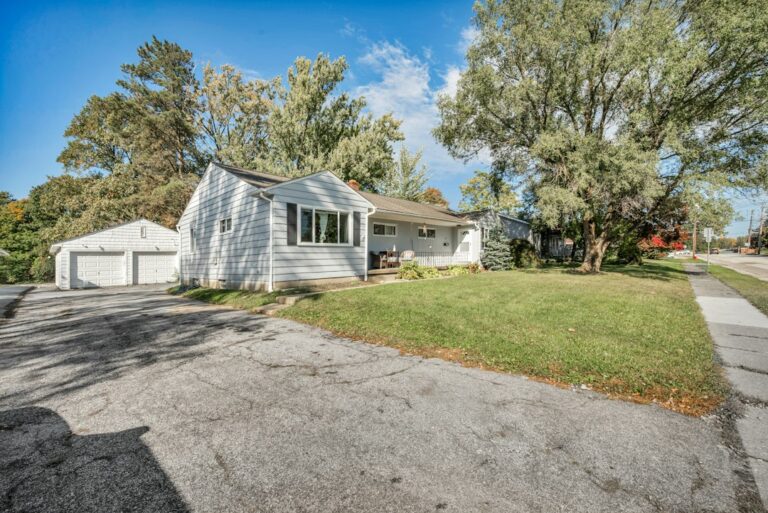
California’s Judicial Foreclosure Redemption Right: The One-Year Window Most Owners Never Hear About
California's rarer judicial foreclosure process comes with a statutory right to redeem the property for up to a year after the sale…
Read the guide → -
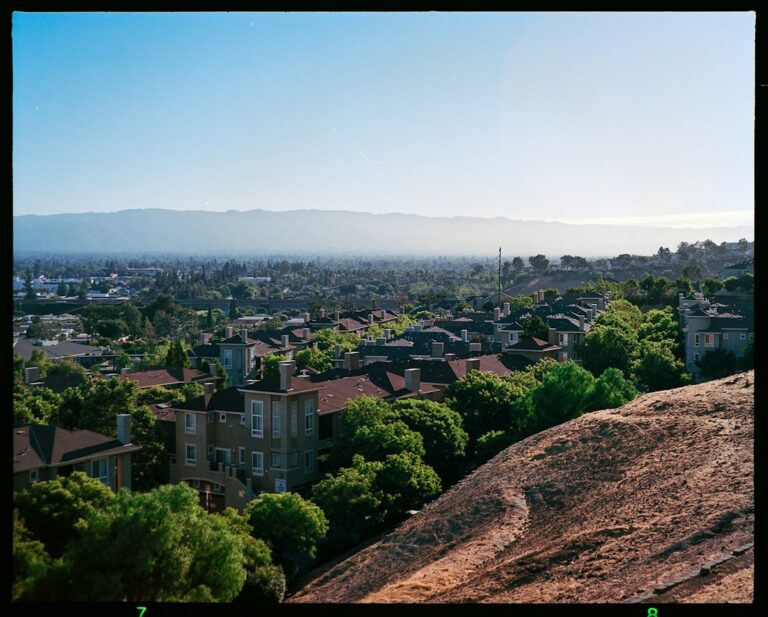
Santa Clara County’s Tax-Defaulted Property Auction: How to Claim the Excess Proceeds
When a Santa Clara County home isn't redeemed within the state's deadline, the county can sell it at public auction — and…
Read the guide → -
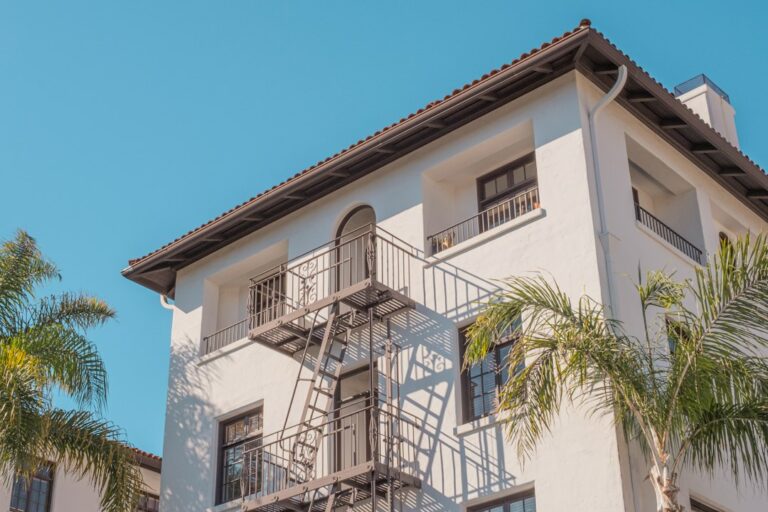
Pomona’s Rent Stabilization Ordinance Just Became Permanent: What Landlords Must Do Before Selling
Pomona's Ordinance No. 4359 became permanent on January 1, 2026, replacing the city's prior urgency ordinances and capping most rent increases at…
Read the guide → -
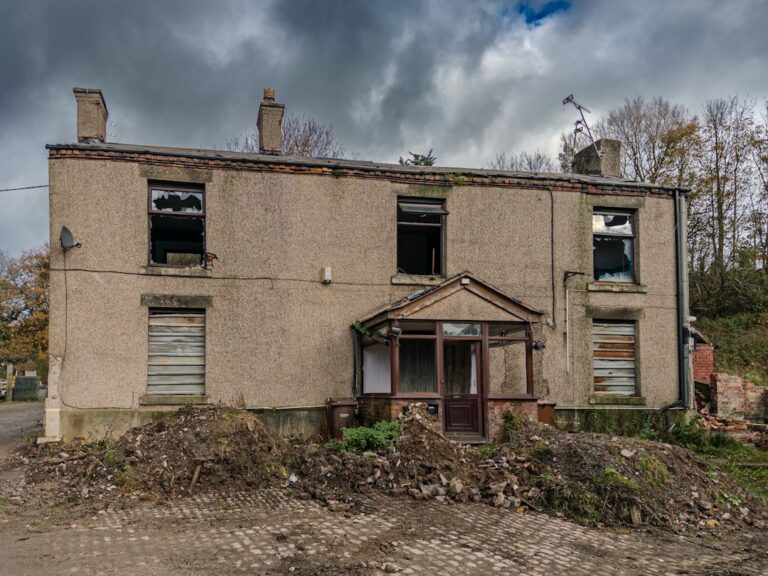
Compton’s Substandard Building Ordinance, Explained
Compton can order a dangerous or substandard house secured, repaired, or demolished under Municipal Code Chapter 14, and if the owner misses…
Read the guide → -

Chico’s RECO Inspection: What Sellers of Older Homes Must Fix Before Closing
Chico requires sellers of homes built before July 1, 1991 to pass a RECO energy and water retrofit inspection — or transfer…
Read the guide → -

Emeryville’s Just Cause Eviction Ordinance: Relocation Pay Under Municipal Code 5-40
Emeryville had its own just-cause eviction and relocation-assistance ordinance years before California’s statewide AB 1482 existed, and the local rule is still…
Read the guide → -

Malibu’s Six-Year Rebuild Deadline After the Palisades Fire: Municipal Code 17.60.020(C)
Malibu homeowners rebuilding after the January 2025 Palisades Fire have a hard deadline most residents outside the city have never heard of:…
Read the guide → -

California’s Security Deposit Cap: How AB 12 Limits What Landlords Can Collect
AB 12 caps most California security deposits at one month's rent, with a narrow exception for small landlords — plus new 2025…
Read the guide → -
California Civil Code §4525: The 11 HOA Documents You Must Hand a Buyer Before Closing
California Civil Code §4525 requires sellers inside an HOA to hand buyers 11 specific documents before closing — a list that just…
Read the guide →