
How Much Is My House Worth in California? A Home Value Guide for Sellers
- Inherited, tenants, repairs, back taxes — we buy it
- Zero fees, zero commissions, zero closing costs
- No obligation — turn the offer down and owe us nothing
Want a Real Number for Your House? Get a Cash Offer
Tell us about the property and get a written cash offer, with no obligation and no listing required.
Last updated November 13, 2026. Reviewed by the Cash Home Buyers CA team. Definitions come from the California State Board of Equalization (BOE), the Department of Real Estate (DRE) and the Federal Housing Finance Agency (FHFA); sources are listed at the end. This is general information, not appraisal, tax or legal advice.
No single number is your home’s value. A house in California has several: what a buyer will pay, what an appraiser concludes, what the county Assessor enrolled for tax, and what a cash buyer offers. They answer different questions and are often far apart. This guide explains each one, where the official data comes from, and how to turn them into a decision when you sell.
Four “values” for one California house
| Market value | The BOE defines full cash value as the price the property would bring in an open market sale where neither buyer nor seller can take advantage of the other, and both know the property’s permitted uses and restrictions |
| Appraised value | An opinion by a licensed or certified appraiser, who must follow the Uniform Standards of Professional Appraisal Practice (DRE Reference Book) |
| Assessed value | The Assessor’s taxable value. Under Prop 13 it is the base year value, generally raised no more than 2 percent a year, so it often sits well below market value (BOE) |
| Cash offer | A buyer’s price to purchase as-is, with no listing, showings or financing contingency. It is a business price, not a market value opinion |
Is the assessed value on my tax bill my home’s value?
No. The BOE explains that a property is reassessed to market value only when ownership changes or new construction is completed. In between, the assessed value rises by inflation up to 2 percent a year, or the market value if that is lower.
A home owned for many years can therefore have an assessed value far below what it would sell for. The BOE adds that the Assessor may also lower the assessed value to recognize a decrease in value.
The reverse matters to sellers too. Selling is a change in ownership, so the buyer’s assessed value will be reset to the purchase price. Our Prop 13 and Prop 19 reassessment guide covers the exclusions.
How do appraisers and agents estimate market value?
The usual method for a house is the sales comparison approach: compare recent sales of similar homes nearby and adjust for differences such as size, condition, lot, age and location. An agent’s comparative market analysis follows the same logic but is not an appraisal.
The DRE’s reference book says that when a formal valuation is needed, a professional appraiser should be consulted, and that licensed and certified appraisers are bound by the Uniform Standards of Professional Appraisal Practice.
- Condition drives the gap. Comparable sales of renovated homes overstate the value of a house that needs a new roof, kitchen or foundation work.
- Permits matter. Unpermitted additions may not count toward living area. See our unpermitted work guide.
- Timing matters. Prices move; a comparable that sold months ago may not reflect today’s market.
- Appraisers are licensed. The California Bureau of Real Estate Appraisers (BREA) licenses appraisers, and you can check a license on its website.
What official data can I use to check a price?
- County Assessor and Recorder: parcel details, assessed value and recorded sales for your county. Use them to confirm square footage, lot size and the prior sale date.
- FHFA House Price Index: a weighted, repeat-sales index built from repeat mortgage transactions on single-family homes whose loans were purchased or securitized by Fannie Mae or Freddie Mac. FHFA publishes it for states, metro areas, counties, ZIP codes and census tracts. It shows how prices have moved in an area, not what one house is worth.
- U.S. Census Bureau QuickFacts: owner-reported median home values for California cities and counties, useful for context only.
- Our own California reports: see the California home price and sales report and the statewide home seller report.
Websites that show an instant estimate are automated models. They are not appraisals and are not an official source. Treat them as a rough starting point and check them against recorded sales near you.
Why a cash offer is different from market value
A cash offer prices in things a retail sale leaves to the seller: repairs, carrying costs while the buyer holds and resells the home, and the risk that costs run over. In return you avoid listing prep, showings, financing and appraisal delays, repair negotiations, and agent commissions.
For a move-in-ready home in a hot area, a listing may net more. For a house that needs work, is inherited, has tenants, or must sell fast, the faster, certain sale can come out ahead once time and costs are counted.
Our offers are written, include no fees or commissions, and carry no obligation. We make no guarantee that a cash offer will be higher or lower than a listing price for your home.
How to sell a house in California once you know the range
- Collect the facts. Pull the parcel record from your county Assessor, your last deed, and a list of repairs and permits.
- Look at recent nearby sales. Choose homes of similar size and condition that sold recently, and note adjustments for the differences.
- Add up what a listing costs. Include commissions, repairs, seller closing costs and months of mortgage, taxes and insurance. Our seller closing costs guide lists the usual items.
- Get a written cash offer. Compare the net from each path, not just the headline price. See how we buy houses across California.
- Decide on your timeline. Choose the path that fits your deadline, whether that is a probate date, a foreclosure sale or a move.
We buy in every metro, including Los Angeles, San Diego, Sacramento, San Jose, Fresno and Riverside.
California home value FAQ
Is my county assessed value the same as market value?
No. Under Prop 13 the assessed value is generally the base year value plus increases of no more than 2 percent a year, so it can be much lower than market value.
Is an online estimate an appraisal?
No. An appraisal is an opinion by a licensed or certified appraiser who follows USPAP. Online estimates are automated models.
What does the FHFA House Price Index tell me?
It tracks average price changes from repeat sales or refinancings of single-family homes in an area. It does not value an individual house.
Will a cash offer match market value?
Not necessarily. A cash offer reflects an as-is purchase with repairs, holding costs and risk taken on by the buyer, in exchange for speed and certainty.
Do I need an appraisal to sell for cash?
No. A cash sale does not depend on a lender appraisal, though you may order one if you want an independent opinion.
Sources
- California State Board of Equalization: California Property Tax, An Overview
- California Department of Real Estate Reference Book: Appraisal and Valuation
- California Bureau of Real Estate Appraisers
- Federal Housing Finance Agency: House Price Index
- U.S. Census Bureau: QuickFacts California
This guide is general information, not appraisal, tax or legal advice. For a formal valuation, hire a licensed California appraiser.
From the Blog
Latest guides for California home sellers
-

California’s Judicial Foreclosure Redemption Right: The One-Year Window Most Owners Never Hear About
California's rarer judicial foreclosure process comes with a statutory right to redeem the property for up to a year after the sale…
Read the guide → -

Santa Clara County’s Tax-Defaulted Property Auction: How to Claim the Excess Proceeds
When a Santa Clara County home isn't redeemed within the state's deadline, the county can sell it at public auction — and…
Read the guide → -
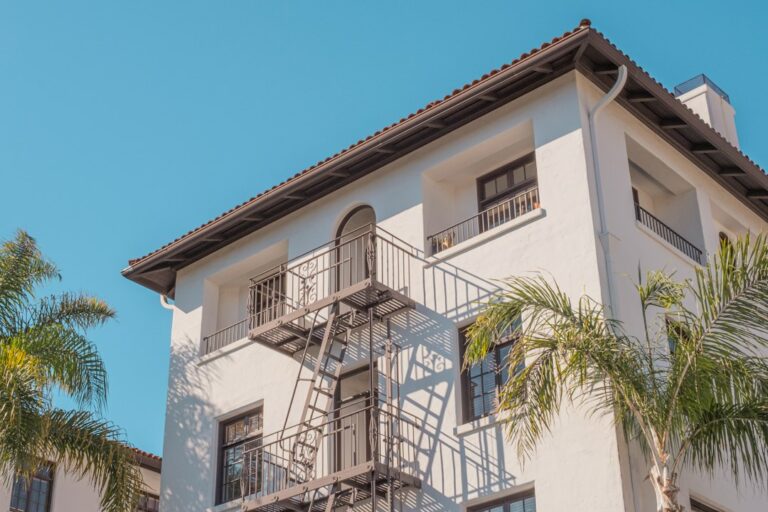
Pomona’s Rent Stabilization Ordinance Just Became Permanent: What Landlords Must Do Before Selling
Pomona's Ordinance No. 4359 became permanent on January 1, 2026, replacing the city's prior urgency ordinances and capping most rent increases at…
Read the guide → -
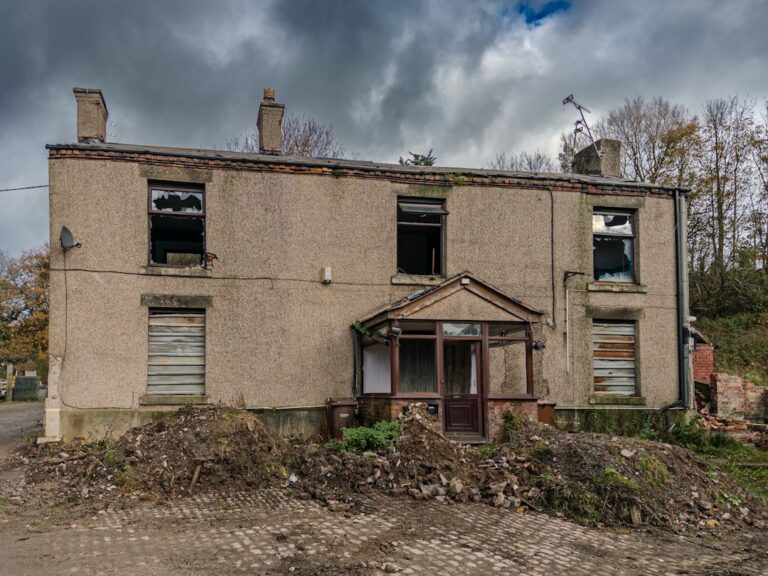
Compton’s Substandard Building Ordinance, Explained
Compton can order a dangerous or substandard house secured, repaired, or demolished under Municipal Code Chapter 14, and if the owner misses…
Read the guide → -

Chico’s RECO Inspection: What Sellers of Older Homes Must Fix Before Closing
Chico requires sellers of homes built before July 1, 1991 to pass a RECO energy and water retrofit inspection — or transfer…
Read the guide → -

Emeryville’s Just Cause Eviction Ordinance: Relocation Pay Under Municipal Code 5-40
Emeryville had its own just-cause eviction and relocation-assistance ordinance years before California’s statewide AB 1482 existed, and the local rule is still…
Read the guide → -

Malibu’s Six-Year Rebuild Deadline After the Palisades Fire: Municipal Code 17.60.020(C)
Malibu homeowners rebuilding after the January 2025 Palisades Fire have a hard deadline most residents outside the city have never heard of:…
Read the guide → -

California’s Security Deposit Cap: How AB 12 Limits What Landlords Can Collect
AB 12 caps most California security deposits at one month's rent, with a narrow exception for small landlords — plus new 2025…
Read the guide → -

California Civil Code §4525: The 11 HOA Documents You Must Hand a Buyer Before Closing
California Civil Code §4525 requires sellers inside an HOA to hand buyers 11 specific documents before closing — a list that just…
Read the guide →