
Chino Hills Housing Market and Home Prices Guide
- Sell as-is: no repairs, showings or agent fees
- Zero fees, zero commissions, zero closing costs
- No obligation: turn the offer down and owe us nothing
Thinking of Selling in Chino Hills? See What Your Home Could Bring in Cash
Tell us about the house and get a written cash offer, then compare it with what listing would net you.
Last updated November 13, 2026. Reviewed by the Cash Home Buyers CA team. Figures come from the U.S. Census Bureau (QuickFacts and the American Community Survey) and the California Department of Finance; sources are listed at the end.
Chino Hills is a family-oriented Inland Empire city where seven in ten homes are owner-occupied and few residents move. The Census Bureau’s 2020-2024 estimate puts the median value of an owner-occupied home at $874,900 against a median household income of $126,334.
About 90.6 percent of residents lived in the same house a year earlier, the highest share of the four cities in this series, and the population has slipped 1.2 percent since 2020. Here is what the official data says and how to use it when you sell.
Chino Hills housing at a glance
| Population (July 1, 2025) | 77,519, down 1.2% from the April 2020 base |
| Households (2020-2024) | 25,340, an average of 3.06 people each |
| Owner-occupied rate | 69.2%, so about 30.8% of households rent |
| Median value, owner-occupied homes | $874,900 |
| Median monthly owner cost with a mortgage | $3,156 |
| Median monthly owner cost without a mortgage | $961 |
| Median gross rent | $2,894 a month |
| Median household income | $126,334 (2024 dollars) |
| Lived in the same house a year ago | 90.6% of residents |
What do Chino Hills home prices look like?
The Census median value is what owners say their home would sell for, averaged across five years of survey responses (2020 through 2024). It is useful for comparing cities, but it is not a list of recent sales, and it can trail today’s prices. For your own house, a comparable-sales review or a cash offer is a better guide than a city-wide median.
Median value divided by median household income is about 6.9 for Chino Hills, between Tracy at about 5.8 and Walnut Creek at about 8.1. Chino Hills homes are priced above much of the Inland Empire but well below coastal Southern California, which fits a city that draws families from Orange and Los Angeles counties looking for more space.
Median gross rent is $2,894 a month, or $34,728 a year, about 27.5 percent of median household income. That is the highest rent burden of the four cities we compared, and it is only about $262 less than the $3,156 median monthly cost for owners with a mortgage. When renting costs nearly as much as owning, renters often have good reason to buy, which supports demand for single-family homes.
A stable, owner-heavy market
With 69.2 percent owner-occupancy, 3.06 people per household and 90.6 percent of residents staying put year to year, Chino Hills has low turnover. For sellers, that has two effects. Fewer homes come to market at any one time, which helps if your house is in good condition.
And owners who have lived in their homes a long time often hold significant equity, with owners without a mortgage reporting median costs of just $961 a month.
Homes that need work, or sellers with a deadline, face the opposite problem: a buyer pool that expects move-in-ready houses. If your home needs repairs or you are dealing with an inheritance, a divorce or a relocation, selling as-is for cash avoids the cost of preparing the home. Read how we buy houses in Chino Hills.
Chino Hills mortgage and price estimator
Use this to see what a monthly payment looks like at a given price. It uses the 1 percent base property tax rate and ignores bond levies, insurance and HOA dues, so treat it as a floor. Check your own tax bill for any bond levies or special assessments.
How property tax and transfer tax shape what you keep
California limits growth in a home’s assessed value under Proposition 13. The Board of Equalization explains that the county assessor reassesses a property to current market value when ownership changes, and otherwise annual increases are capped at 2 percent. The buyer of your Chino Hills house will be reassessed at the purchase price, so their bill will differ from yours.
When you sell, state law sets a county documentary transfer tax of $0.55 per $500 of the sale price, and some charter cities add their own. At the Chino Hills median value of $874,900, the county portion alone is about $963. Ask your escrow officer or the San Bernardino County Assessor-Recorder-County Clerk which transfer taxes apply to your address and who pays under your contract.
Selling in Chino Hills: list, or take a cash offer?
Listing with an agent can bring a higher price when the house is in good shape and you can wait. It also means preparing the home, scheduling showings, paying agent compensation and closing costs, and relying on a buyer’s loan to close. A cash sale trades some of that upside for certainty and speed.
- Listing: best when the house is move-in ready and you are not on a deadline.
- Cash sale as-is: fits inherited homes, tenant-occupied homes, homes that need repairs, or a move on a fixed date.
- Compare both: ask for a written cash offer and a listing estimate, then subtract commissions, repairs, carrying costs and months of waiting from the listing number.
How to sell a house in Chino Hills
- Know your number. Get a comparable-sales estimate and a cash offer so you can see the range.
- Check the paperwork. Open permits, unpermitted additions and code notices affect a sale. See our Chino Hills building permits guide, code enforcement guide and zoning and ADU guide.
- Choose how to sell. List on the market, or take a cash offer and close on your date. Read how our Chino Hills cash-offer process works.
- Plan for taxes and costs. Escrow prorates property tax and collects any transfer tax at closing.
Call (424) 435-2326 or request a cash offer. There is no cost and no obligation.
Chino Hills housing market FAQ
What is the median home value in Chino Hills?
The Census Bureau’s 2020-2024 American Community Survey estimate is $874,900 for owner-occupied homes. It is a five-year survey average, so current sale prices can differ.
Do most people in Chino Hills own or rent?
Most own. About 69.2 percent of households own their home and about 30.8 percent rent.
How much is rent in Chino Hills?
The Census estimates median gross rent at $2,894 a month for 2020-2024. Asking rents on new listings may differ.
How many people move in and out of Chino Hills?
Few. The Census reports that 90.6 percent of residents lived in the same house a year earlier.
Can I sell my Chino Hills house without repairs?
Yes. A cash buyer purchases as-is, so you do not need to repair, clean out or stage the home first.
Sources
- U.S. Census Bureau QuickFacts: Chino Hills city, California
- California Department of Finance: E-5 Population and Housing Estimates
- California Board of Equalization: Change in Ownership FAQ
- California Board of Equalization: How Property Is Assessed
- California Revenue and Taxation Code section 11911
This guide is general information, not tax, legal or financial advice. Census figures are survey estimates with sampling error. Confirm taxes and fees with the county.
From the Blog
Latest guides for California home sellers
-
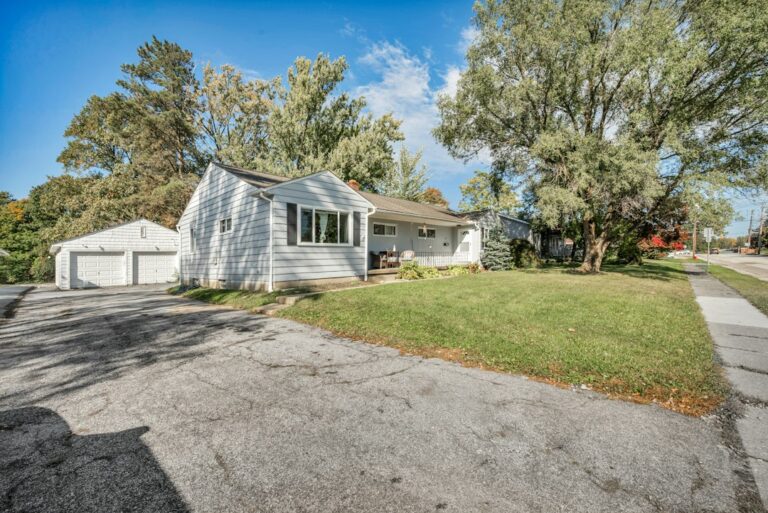
California’s Judicial Foreclosure Redemption Right: The One-Year Window Most Owners Never Hear About
California's rarer judicial foreclosure process comes with a statutory right to redeem the property for up to a year after the sale…
Read the guide → -
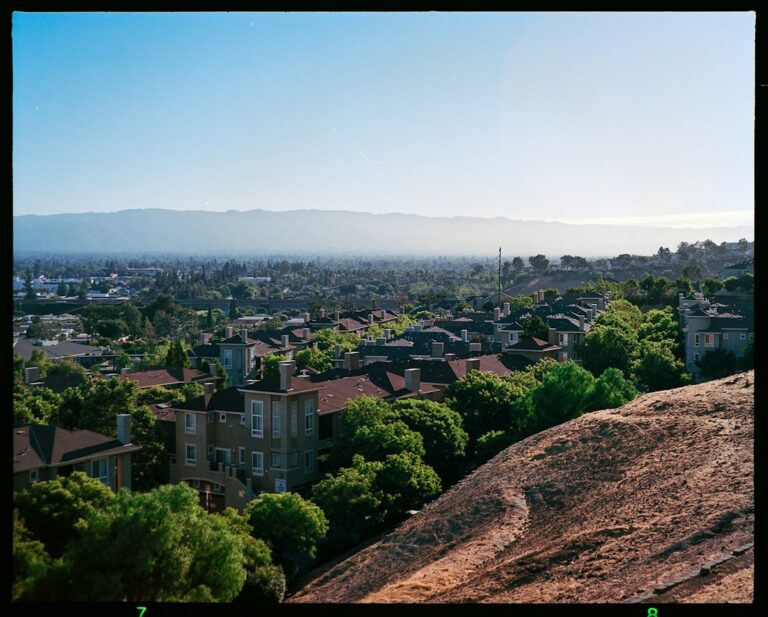
Santa Clara County’s Tax-Defaulted Property Auction: How to Claim the Excess Proceeds
When a Santa Clara County home isn't redeemed within the state's deadline, the county can sell it at public auction — and…
Read the guide → -
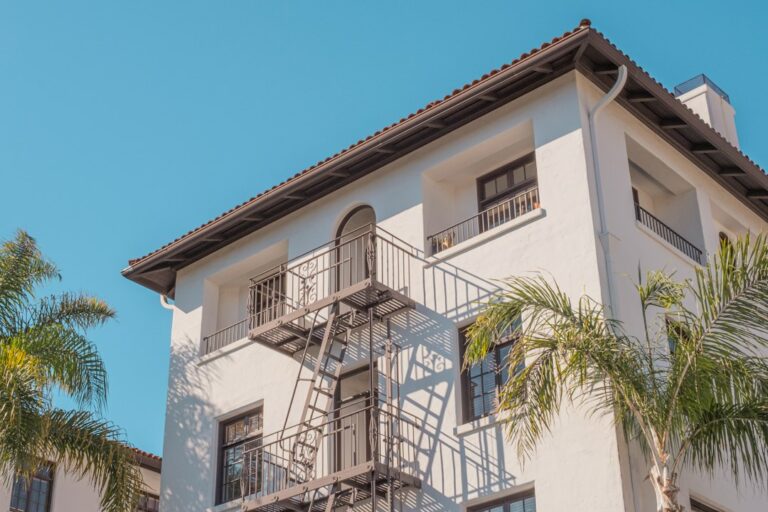
Pomona’s Rent Stabilization Ordinance Just Became Permanent: What Landlords Must Do Before Selling
Pomona's Ordinance No. 4359 became permanent on January 1, 2026, replacing the city's prior urgency ordinances and capping most rent increases at…
Read the guide → -
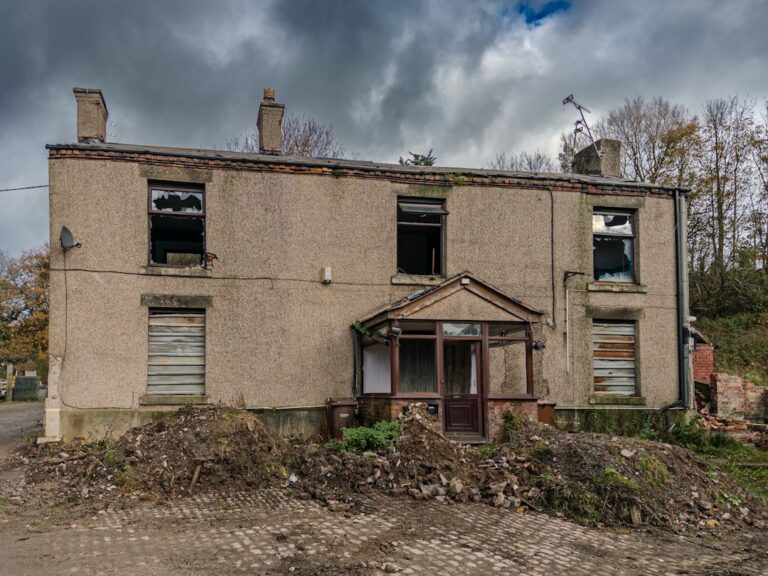
Compton’s Substandard Building Ordinance, Explained
Compton can order a dangerous or substandard house secured, repaired, or demolished under Municipal Code Chapter 14, and if the owner misses…
Read the guide → -

Chico’s RECO Inspection: What Sellers of Older Homes Must Fix Before Closing
Chico requires sellers of homes built before July 1, 1991 to pass a RECO energy and water retrofit inspection — or transfer…
Read the guide → -

Emeryville’s Just Cause Eviction Ordinance: Relocation Pay Under Municipal Code 5-40
Emeryville had its own just-cause eviction and relocation-assistance ordinance years before California’s statewide AB 1482 existed, and the local rule is still…
Read the guide → -

Malibu’s Six-Year Rebuild Deadline After the Palisades Fire: Municipal Code 17.60.020(C)
Malibu homeowners rebuilding after the January 2025 Palisades Fire have a hard deadline most residents outside the city have never heard of:…
Read the guide → -
California’s Security Deposit Cap: How AB 12 Limits What Landlords Can Collect
AB 12 caps most California security deposits at one month's rent, with a narrow exception for small landlords — plus new 2025…
Read the guide → -
California Civil Code §4525: The 11 HOA Documents You Must Hand a Buyer Before Closing
California Civil Code §4525 requires sellers inside an HOA to hand buyers 11 specific documents before closing — a list that just…
Read the guide →