
How Our Culver City Cash-Offer Process Works
- Foreclosure, inherited, tenants, damage — we buy it
- Zero fees, zero commissions, zero closing costs
- No obligation — turn the offer down and owe us nothing


From First Call to Recorded Deed, Step by Step
See exactly how we evaluate, offer on, and close a purchase of your Culver City house, start to finish.
Homeowners considering a cash sale in Culver City often want to know exactly what happens after they reach out — not a vague overview, but the actual sequence of steps. Here’s how Cash Home Buyers CA takes a Culver City property from first contact to a recorded sale. For the neighborhood overview, see we buy houses in Culver City.
Step 1: Tell Us About the Property
It starts with a short conversation, by phone or through our online form, about the property’s location, condition, and your general timeline. Whether the home is near Downtown Culver City and the Arts District, in Culver West or Carlson Park, or closer to Fox Hills or the Blair Hills border, this call is simply information gathering — there’s no cost or obligation attached to it.
Step 2: We Pull Comparable Sales
Our team researches recent, closed comparable sales specific to your immediate pocket of Culver City — not a citywide average, since values shift noticeably block by block here.
A renovated home near the Sony Pictures and Culver Studios corridor can appraise very differently than a similar-sized house closer to Fox Hills, and our internal comps process accounts for that.
We combine those comps with the property’s current condition, any deferred maintenance typical of Culver City’s older housing stock, and broader Westside Los Angeles market trends.
Step 3: You Receive a Written Cash Offer
Most sellers receive a written offer within 24 to 48 hours of our initial evaluation. The number reflects an as-is purchase price — what you’d actually walk away with is generally close to that figure since there’s no agent commission, no repair costs, and no financing contingency to account for.
Step 4: You Decide, With No Pressure
You review the offer on your own timeline. There’s no obligation to accept, and no cost to walk away if it isn’t the right fit. If you’d like adjustments discussed, or have questions about how the number was calculated, we’re glad to go through it with you.
Step 5: We Open Escrow With a Licensed Los Angeles County Title Company
Once you accept, we open escrow with a licensed Los Angeles County title and escrow company. This is the same type of neutral third party used in any traditional home sale, responsible for holding funds, handling the title search, and preparing closing documents — it’s not something we handle ourselves, which is an important safeguard for you as the seller.
Step 6: Title Search and Payoff Coordination
Escrow runs a title search to confirm ownership and identify any liens, unpaid property taxes, or existing mortgage balances that need to be paid off at closing.
If there’s an existing loan, escrow coordinates the payoff amount directly with your lender so it’s handled correctly as part of the closing statement.
If the property is part of an estate or a probate matter, our team is also familiar with working alongside the Los Angeles County Superior Court’s probate process and the paperwork the LA County Registrar-Recorder/County Clerk requires to record a new deed.
Step 7: Signing
You’ll sign closing documents either in person with a local notary or, if you’ve already relocated or simply prefer it, remotely through California’s legally recognized remote online notarization (RON) process. Either way, escrow walks you through every document before you sign.
Step 8: Recording and Funding
Once signing is complete on both sides, the deed is recorded with the Los Angeles County Registrar-Recorder/County Clerk’s office, and the standard California documentary transfer tax of $1.10 per $1,000 of sale price applies as part of closing costs.
If you’re a non-California resident, California withholding under Revenue and Taxation Code Section 18662 (FTB Form 593) may apply and is calculated by escrow ahead of time so there are no surprises. Funds are then wired or issued to you the same day or the next business day.
Step 9: Keys and Move-Out
If you need extra time to finish moving, we can often arrange a short rent-back so you’re not forced out the moment escrow closes. Otherwise, you hand over keys and the transaction is complete.
Frequently Asked Questions
How long does the whole process take?
From first contact to a funded closing, most Culver City transactions take 7 to 14 days, though we can move faster or slower to match your needs.
Do I pay any fees or commissions?
No agent commission applies to a direct sale, and there are no fees to get an offer or walk away from one.
Who handles the paperwork and funds?
A licensed, independent Los Angeles County title and escrow company handles all funds, the title search, and closing documents, the same as in any traditional sale.
Can I close remotely if I’ve already moved?
Yes, through California’s legally recognized remote online notarization process, plus electronic document delivery and wired proceeds.
Get a free, no-obligation cash offer on your Culver City property from Cash Home Buyers CA today.
Seller Guides
Helpful guides for homeowners in Culver City
Plain-English answers to the questions sellers ask us most.
 Selling for cash
Kern County’s Supplemental Property Tax Bill: Why It Shows Up Months After You Buy or Inherit
Buying or inheriting a Kern County house triggers a supplemental tax bill your lender never sees. Here is why it arrives late and how it is calculated.
Read the guide → Selling for cash
The Preliminary Change of Ownership Report: What California Requires When You Record an Inherited Deed
California requires a Preliminary Change of Ownership Report with a recorded deed. Skipping it is $20, but ignoring the follow-up can cost thousands.
Read the guide → Foreclosure & liens
How a California Franchise Tax Board Lien Gets Released Before You Can Sell
An FTB tax lien does not come off title automatically, even once paid. See the release timeline, partial release rules, and request window before you sell.
Read the guide → Selling for cash
What Happens After a 3-Day Notice: California’s Unlawful Detainer Timeline
California unlawful detainer now takes longer after a 2025 law doubled the tenant response window. See the full notice-to-lockout timeline here.
Read the guide →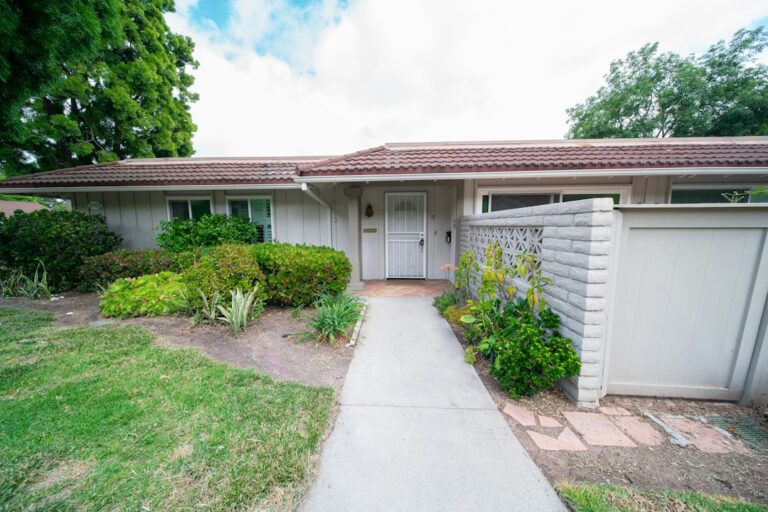 Bankruptcy
The California Homestead Exemption in Bankruptcy: What a Chapter 7 Trustee Can Actually Take
California's homestead exemption can protect your home equity in Chapter 7 or 13 bankruptcy. See the 2026 dollar limits, county rules, and federal caps.
Read the guide → Relocating
 to Van Nuys, CA: What a Century of Growth Means for You
Van Nuys has been part of Los Angeles since 1915. See what its airport, transit, and annexation history mean for anyone relocating in or out.
Read the guide →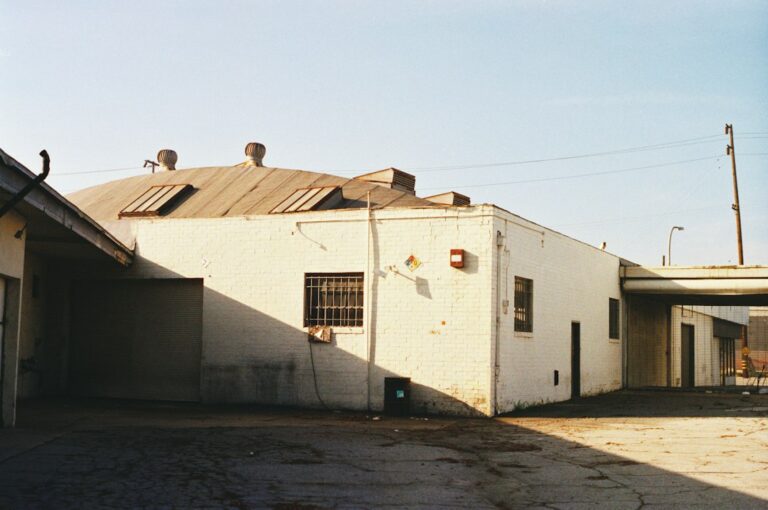 Rentals & tenants
The July 31 Registration Deadline Culver City Landlords Can’t Miss Before Selling a Rental
Culver City requires annual rental registration by July 31, with penalties that follow into escrow. What the ordinance requires before you sell a rental.
Read the guide →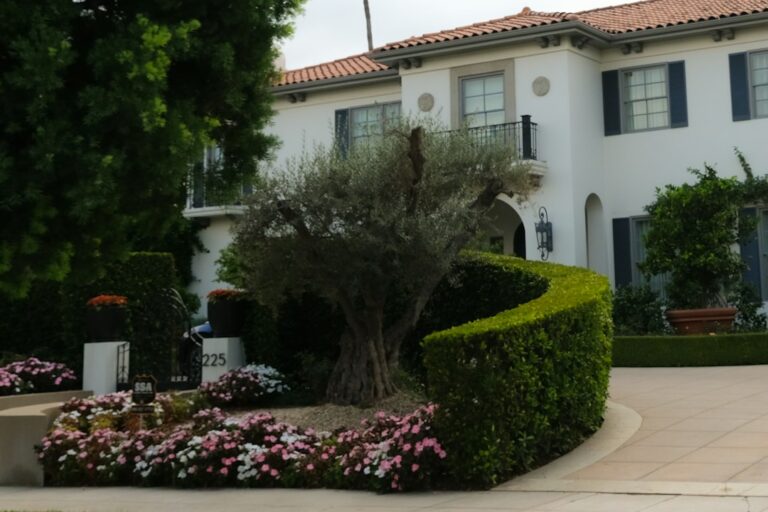 Selling for cash
What Culver City’s Measure RE Transfer Tax Actually Costs at Closing
Culver City charges its own real property transfer tax on top of LA County's, and Measure RE's tiered rates run from 0.45%…
Read the guide → Selling as-is
Why Culver City’s As-Is Disclosure Rules Aren’t Los Angeles’s
As-is doesn't skip California disclosure law. Learn why Culver City permit and code records come from its own city hall, not LA, before you sell as-is.
Read the guide →