
Sell a Tenant-Occupied House in Claremont
- Foreclosure, inherited, tenants, damage — we buy it
- Zero fees, zero commissions, zero closing costs
- No obligation — turn the offer down and owe us nothing


Renters in Place? We Still Want to Talk.
You don’t need to wait for a lease to end or manage an eviction process. We buy Claremont rental properties with tenants still in them.
Selling a rental property in Claremont with tenants currently living there is far more complicated on the retail market than most landlords expect — showings around a tenant’s schedule, buyers who only want a vacant home, and lease terms that don’t line up with a closing date.
Cash Home Buyers CA buys tenant-occupied Claremont properties directly, tenants and all, so you don’t have to solve any of that first.
California’s Tenant Protections Still Apply
Selling a rental doesn’t remove a tenant’s rights under California’s statewide Tenant Protection Act (AB 1482).
Depending on how long a tenant has occupied the unit and the specifics of the property, just-cause requirements and required notice periods can apply to ending a tenancy, and simply wanting to sell isn’t automatically a basis for eviction under state law.
This is exactly why selling to a buyer who is comfortable purchasing an occupied property — and either keeping the lease in place or working through the transition properly — is often far simpler than trying to force a vacancy before listing.
Why Retail Buyers Avoid Occupied Rentals
- Most retail buyers want to move in. An owner-occupant buyer generally needs the unit vacant at closing, which puts pressure on the seller to resolve the tenancy first.
- Financing complications. Some loan programs treat owner-occupied purchases differently than investment purchases, which can narrow the buyer pool for an occupied property.
- Showings are harder to schedule. A tenant is not obligated to accommodate constant showings, which can slow a traditional listing considerably.
How We Handle an Occupied Sale
As an investor-buyer, we’re able to purchase the property with the tenant still in place and the lease intact, with the new owner stepping in as landlord if that’s what makes sense, or working with you on next steps if the plan is different. Either way, you’re not required to resolve the tenancy, navigate notice requirements, or manage a vacancy before we make an offer.
What We’ll Need From You
A copy of the current lease, a general sense of the tenant’s payment history, and basic information about the unit’s condition help us put together an accurate offer quickly. Beyond that, the process runs the same as any other sale — a written offer, an escrow opened with a Los Angeles County title company, and a closing timeline that works for you.
Sell House With Tenants in Claremont: Which Rules Apply
If you want to sell house with tenants in Claremont, the legal picture is simpler than in many Los Angeles County cities. Claremont has no local rent stabilization or just-cause ordinance, and the City of Los Angeles Rent Stabilization Ordinance does not reach Claremont addresses.
That leaves the statewide Tenant Protection Act (AB 1482), which limits annual rent increases and requires just cause to end a tenancy for many units more than 15 years old, with exemptions that include many single-family houses owned by individuals when the required notice was given to the tenant.
Whether a particular unit is covered depends on its age, ownership and lease language, so check with a landlord-tenant attorney before serving any notice.
None of that prevents a sale. The lease and the tenant’s security deposit transfer to the new owner at closing, and the tenant’s rights continue unchanged.
Rentals Near the Colleges and Across Claremont
Claremont has about 12,750 homes, and roughly a third are rented. Many rentals sit south of Foothill Boulevard near the seven Claremont Colleges: converted houses, small apartment buildings and single-family homes leased to students, faculty and staff.
Student leases often follow the academic year, which can be an advantage when you plan a sale around a turnover, but it also means rents that a lender’s income test may not support.
Elsewhere, landlords commonly own a single ranch house in north Claremont that was once the family home. Either way, a cash buyer prices the property on the rents and lease terms actually in place.
Occupied Sale vs. Vacating Before You List
| Factor | Sell with tenants in place | Vacate, then list |
|---|---|---|
| Timeline | Often three to six weeks including lease review | Wait for lease end or a lawful termination, then market time and escrow |
| Rent | Keeps coming in until closing | Stops once the unit is empty |
| Relocation payment | None triggered by the sale | May be owed for a no-fault termination under AB 1482 |
| Showings | One walkthrough with proper notice | Repeated showings around the tenant or an empty house |
| Commissions | None to you | Often around 5 to 6 percent combined |
Notice and Access During a Sale
California generally lets a landlord enter to show a unit to prospective buyers, but only with reasonable written notice, usually at least 24 hours, and during normal business hours. A traditional listing can mean many of those visits.
A cash sale usually needs one, which keeps the relationship with the tenant calm and keeps the rent coming in.
It is good practice to tell the tenant that a sale is planned, explain that the lease continues, and let them know where to send rent once the new owner takes over.
Timing a Sale Around Student Leases
Many leases near the Colleges run on the academic year. If a unit is between tenants in the summer, you can sell it vacant, sell it with a signed lease for the coming year, or sell mid-lease with the tenant in place.
Each option changes the value a buyer assigns to the property, and a written offer can be prepared for more than one scenario so you can compare them before deciding whether to renew.
What a Buyer Reviews in Your Leases
- The rent, the due date and any concessions or side agreements.
- The lease term, renewal dates and whether the tenancy is month to month.
- The security deposit amount and any pet or key deposits.
- Who pays which utilities, and any appliances that belong to the tenant.
- Any past rent increases, so the buyer can confirm they fit the statewide cap where it applies.
If a tenant is behind on rent or a dispute is pending, share that up front; it changes the price a buyer can offer, but it does not have to stop the sale. A buyer who knows the full picture on day one is much less likely to renegotiate later.
Escrow usually asks each tenant to sign an estoppel certificate confirming these terms. Having copies ready shortens escrow and helps prevent surprises at closing.
Market Context for Claremont Landlords
Redfin’s data for the three months ending August 2026 shows a Claremont median sale price of about $1.0 million, up 2.4 percent from a year earlier, with homes averaging 45 days on the market compared with 36. That median describes mostly vacant, owner-occupant sales. An occupied rental is valued on its income and condition instead, which is why the rent roll matters so much to the offer.
Three Steps to Sell a Claremont Rental With Tenants
1. Send the basics. Call or text 424-435-2326 and share the leases, the current rents and the deposit amounts.
2. One walkthrough and a written offer. We schedule a single visit with proper notice to the tenant, then send a written cash offer within 24 to 48 hours.
3. Close through escrow. Escrow collects tenant estoppels, credits the deposits to the buyer and records the deed; you choose the date.
If the rental came through an estate, see our guide to selling an inherited Claremont house, and the Claremont cash offer process covers each closing step. To talk about your property, call or text 424-435-2326.
Frequently Asked Questions
Can I sell my house with tenants in Claremont without evicting them?
Yes. The lease stays in force through the sale, and the new owner becomes the landlord at closing. You do not need to serve a notice to vacate or wait for the lease to end.
Does Claremont have rent control?
Claremont has no local rent control ordinance. The statewide Tenant Protection Act (AB 1482) may apply to a unit depending on its age and ownership, and it continues to apply after a sale.
What happens to the security deposit when I sell a rented Claremont house?
The deposit is credited to the buyer through escrow at closing, and the tenant is told who the new owner is. California law generally requires the deposit to transfer or be returned, so escrow documents it.
Do I need to evict the tenant before selling?
No. We can purchase the property with the tenant and lease still in place.
What are my obligations under California law if I want the tenant out first?
California’s Tenant Protection Act (AB 1482) has just-cause and notice requirements that can apply depending on tenancy length and property type — a landlord-tenant attorney can confirm what applies to your specific situation.
Will the tenant need to be told the property is being sold?
Generally yes, and lease terms typically transfer with ownership, but the details depend on the specific lease and situation.
Does an occupied property sell for less?
It can affect the offer somewhat compared to a vacant, move-in-ready home, but it’s often still faster and less costly overall than forcing a vacancy first.
Get a free, no-obligation cash offer on your tenant-occupied Claremont property from Cash Home Buyers CA today.
Seller Guides
Helpful guides for homeowners in Claremont
Plain-English answers to the questions sellers ask us most.
 Selling for cash
Stanislaus County’s Tax-Defaulted Property Auction and the Excess Proceeds Claim Deadline
Stanislaus County auctions tax-defaulted homes online each May, and former owners get only one year under Civil Code 4675 to claim excess sale proceeds.
Read the guide → Rentals & tenants
Emeryville’s Just Cause Eviction Ordinance: Relocation Pay Under Municipal Code 5-40
Emeryville's Municipal Code 5-40 requires just cause from day one and relocation pay scaled by landlord size, stricter than statewide AB 1482.
Read the guide →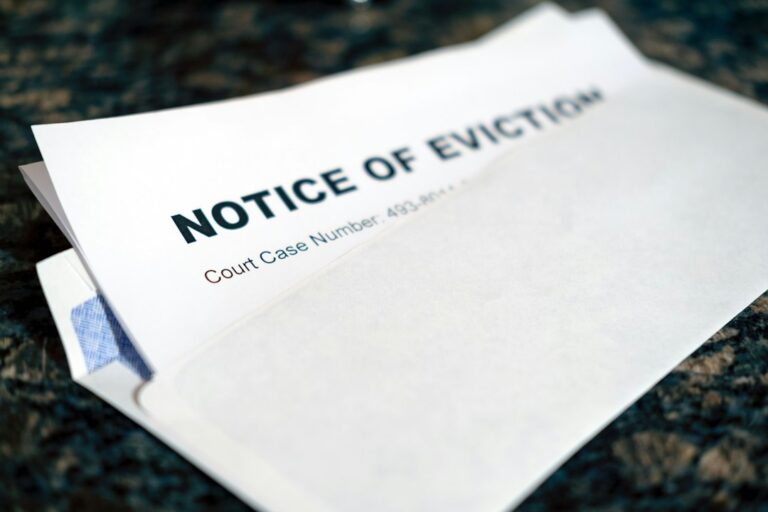 Rentals & tenants
California’s Just Cause Eviction Notice: What Civil Code 1946.2 Requires
Civil Code 1946.2 requires a stated reason to end most tenancies after 12 months, and one month's rent in relocation pay within 15 calendar days.
Read the guide → Rentals & tenants
California Condo Conversion: Tenant’s Right to Buy First
Gov. Code 66427.1 gives tenants a 90-day right to buy first and five required notices before a condo conversion in California. Here's how it works.
Read the guide → Rentals & tenants
Los Angeles SCEP Inspections and Fees: What a Landlord Selling a Rental Needs to Know
LA's SCEP program bills landlords per unit and can trigger REAP or a recorded notice. Here's what a landlord selling a rental needs to clear first.
Read the guide → Rentals & tenants
The 90-Day Notice California Tenants Get After a Foreclosure Sale
A foreclosed rental does not mean an instant eviction. California and federal law require a 90-day notice, and sometimes a full lease, to be honored first.
Read the guide →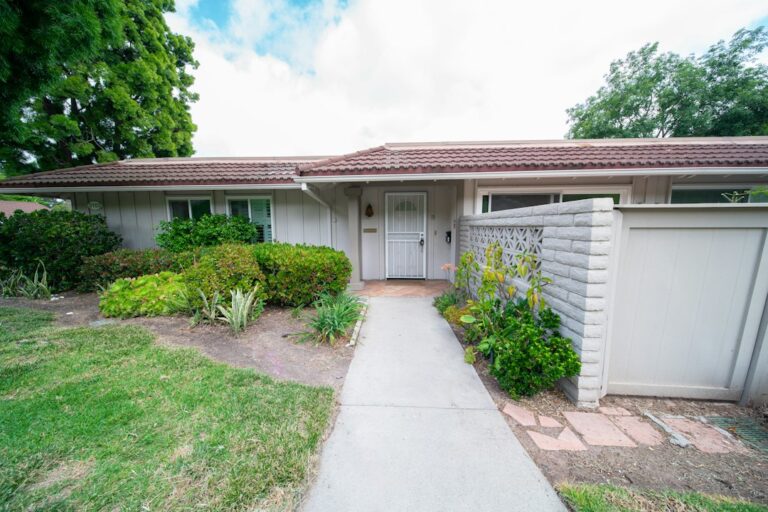 Rentals & tenants
California’s Owner Move-In Eviction Rules Explained
An owner move-in eviction in California only holds up if a qualifying relative moves in within 90 days and stays a year, per Civil Code 1946.2.
Read the guide → Rentals & tenants
Glendale Tenant Relocation Ordinance: What Sellers Should Know
Glendale's relocation-assistance and notice ordinance sits on top of AB 1482. Here's what sellers must confirm before ending a tenancy.
Read the guide → Relocating
What Claremont’s College-Town Market Means When You’re Relocating
Claremont's college-town market and a strict tree-permit ordinance affect how fast a relocation sale moves. Here's what sellers should know first.
Read the guide →