
Cash Home Buyers in Walnut Park, CA
- Foreclosure, inherited, tenants, damage — we buy it
- Zero fees, zero commissions, zero closing costs
- No obligation — turn the offer down and owe us nothing


A Real Cash Buyer, Not a Middleman
We buy houses directly in Walnut Park with our own funds — no bank approval, no assignment contract, no buyer financing to fall through.
“Cash home buyer” gets used loosely online, and it covers a wide range of actual business models — some good for a seller, some not. Cash Home Buyers CA is a direct buyer: we purchase Walnut Park houses with our own capital, take title ourselves, and close on the timeline we agree to. Knowing the difference between that and the other setups you will run into matters before you sign anything.
How a Direct Cash Buyer’s Offer Actually Works
Because there is no mortgage lender involved on our side, a direct cash offer skips the appraisal contingency and the underwriting period that make up most of a financed escrow’s length.
We review the property, decide what we can pay based on comparable sales and the repair work involved, and put that number in writing.
If you accept, escrow opens with a licensed title and escrow company, and the closing date is whatever works for you — not whatever a loan processor’s queue allows.
What to Watch For When Comparing Cash Buyers
- Assignment contracts. Some “we buy houses” callers are wholesalers who sign a purchase contract with you, then try to resell that contract to an actual buyer for a fee before closing. If the deal falls through in the middle, you can be left back at square one with time lost.
- No proof of funds. A real direct buyer can show verification of funds or a track record of closed purchases. If a caller cannot demonstrate that, be cautious.
- Pressure to sign same-day. A legitimate offer should hold up to you taking a day or two to think it over, run the numbers, or talk to a family member.
- Vague numbers with no comps behind them. Ask how the offer was calculated. A buyer working in Walnut Park regularly should be able to point to recent nearby sales.
What We Buy Around Walnut Park
Walnut Park’s housing stock is a mix of older single-family homes and small multi-family buildings on a tight residential grid, with Florence Avenue as the commercial spine.
We regularly buy rental houses and duplexes, properties with an unpermitted garage conversion or added unit that never went through LA County permitting, homes that need a new roof or updated electrical, and inherited properties that have not been maintained in years.
Condition, tenancy, and permit status are all things we factor into the offer rather than requirements you need to resolve first.
We also buy properties that have sat on the market with an agent and did not sell, whether because the price did not match the condition or because a string of financed buyers could not clear the inspection or appraisal.
If that has already happened to you, it does not disqualify the property from a cash offer — if anything, it usually confirms that the home needs a buyer who is not relying on a lender’s sign-off.
Cash Buyer, iBuyer, or Listing: Knowing the Difference
An iBuyer uses an automated valuation model and typically only makes offers on homes in fairly good, move-in-ready condition within certain price bands, often charging a service fee comparable to an agent’s commission.
A traditional listing puts the property in front of the widest pool of buyers and can produce the highest price on a retail-ready home, but carries financing risk, appraisal risk, and a longer timeline.
A direct cash buyer like us fits a different niche: properties that need work, are tenant-occupied, are moving through an estate, or where the owner simply wants certainty and speed over maximizing every possible dollar.
None of these options is universally “best.” The right one depends on the property’s condition, how much time you have, and how much risk you are willing to carry through a longer transaction.
We are upfront that a well-kept, move-in-ready home on Walnut Park’s interior streets may do well listed, and we say so when that is genuinely the better fit.
Where a direct cash buyer earns its place is on the properties that would otherwise sit through repeated financed offers falling apart — rentals, fixer-uppers, and estates where a family wants one predictable closing date instead of an open-ended process.
Walnut Park at a Glance
Walnut Park is an unincorporated Los Angeles County community of about three-quarters of a square mile between Florence-Graham, Huntington Park and South Gate, with roughly 15,200 residents as of the 2020 Census packed into about 3,800 housing units — one of the highest densities of any unincorporated area in the county.
Ownership is close to an even split, about 53 percent owner-occupied and 47 percent renter-occupied.
Because Walnut Park has no city government of its own, permitting, code cases and zoning questions go through LA County Public Works and the Department of Regional Planning, and only the county’s $1.10 per $1,000 documentary transfer tax applies on a sale — no additional city tax layered on top the way there would be in Huntington Park or South Gate proper.
How We Verify a Property Before Making an Offer
We start with the address and a short description of the property’s condition, size, and whether it is occupied.
From there we pull recent comparable sales from Walnut Park and the bordering blocks of Huntington Park and South Gate — since a community this small does not generate a large number of its own closed sales every month — and we typically arrange a walkthrough, either in person or through photos and video if that is more convenient.
We are looking at the same things any buyer would: the roof, foundation, plumbing and electrical systems, and whether any additions or conversions appear to have been permitted through LA County.
None of that is meant to disqualify a property; it is what lets us put a firm number in writing rather than a rough estimate that changes later.
Because we are not applying for a loan against the property, there is no lender-ordered appraisal to wait on and no risk of the deal falling apart because an appraiser’s opinion came in below the agreed price — a common reason financed sales stall in the final weeks.
What you see in our written offer is the number we intend to close at, absent something previously undisclosed turning up during escrow.
Getting a Written Offer
Call or text (424) 435-2326 or use the form above with the property’s address and basic condition. We will review it and follow up with a written offer, usually within 24 to 48 hours, along with an explanation of how we arrived at the number. There is no cost to ask and no obligation to accept.
Frequently Asked Questions
Are you the actual buyer, or do you resell the contract?
We buy directly with our own funds and take title ourselves. We do not use assignment contracts to flip the deal to another buyer before closing.
Do you charge a fee to make an offer?
No. Requesting an offer is free and carries no obligation to sell.
Will you buy a property with an unpermitted addition?
In most cases, yes. We factor unpermitted work into our evaluation rather than requiring it be resolved before we can make an offer.
How is your offer different from an iBuyer’s?
An iBuyer typically only buys move-in-ready homes in certain price ranges and charges a service fee similar to a commission. We buy properties in any condition, with no service fee charged by us.
How do I know your offer is legitimate?
We will walk you through how the number was calculated using recent comparable sales, and you can take the time you need to review it before deciding.
If you want a straightforward, no-pressure cash offer on a Walnut Park property, call or text 424-435-2326. We will review the property as it stands and send a written offer within 24 to 48 hours.
Seller Guides
Helpful guides for homeowners in Walnut Park
Plain-English answers to the questions sellers ask us most.
 Relocating
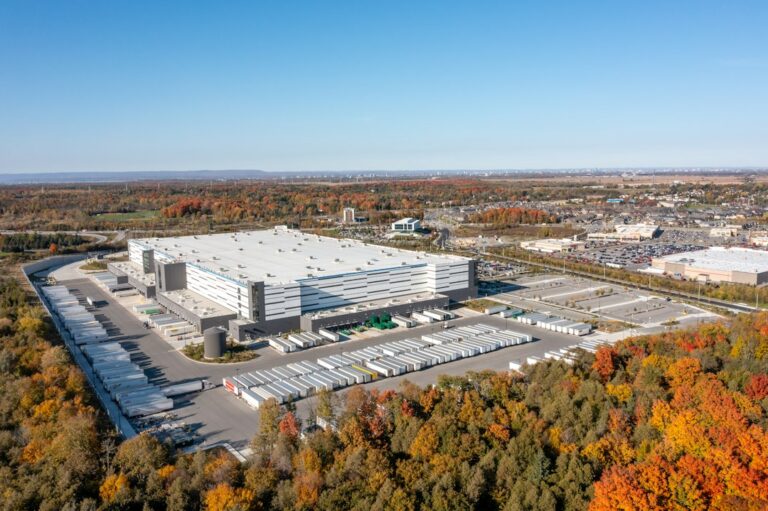
Fontana’s Warehouse Boom: What It Means If You’re Relocating
Fontana grew from a wartime steel town into an Inland Empire logistics hub. See what that shift means for home values and selling if you are relocating.
Read the guide → Selling for cash
The Transfer Tax Every Los Angeles Seller Pays, With or Without Measure ULA
Los Angeles charges its own $4.50-per-$1,000 tax on top of the county rate, before Measure ULA applies. See the exact combined math at closing.
Read the guide → Rentals & tenants
How Much Must Long Beach Landlords Pay Tenants Under the Relocation Ordinance?
Long Beach landlords: see the LBMC 8.99 relocation payments, notice periods, and city filing step required before a no-fault tenant termination.
Read the guide → Selling for cash
What Inglewood’s Housing Protection Ordinance Requires Before You Sell a Rental
Inglewood's Housing Protection Ordinance covers more rentals than expected, with rent caps, just-cause rules, and relocation tiers that transfer at sale.
Read the guide → Selling for cash
The Five-Year Countdown Before Los Angeles County Auctions a Tax-Defaulted Home
LA County auctions tax-defaulted homes after five years unpaid. See the redemption deadline, installment options, and how to claim excess proceeds.
Read the guide →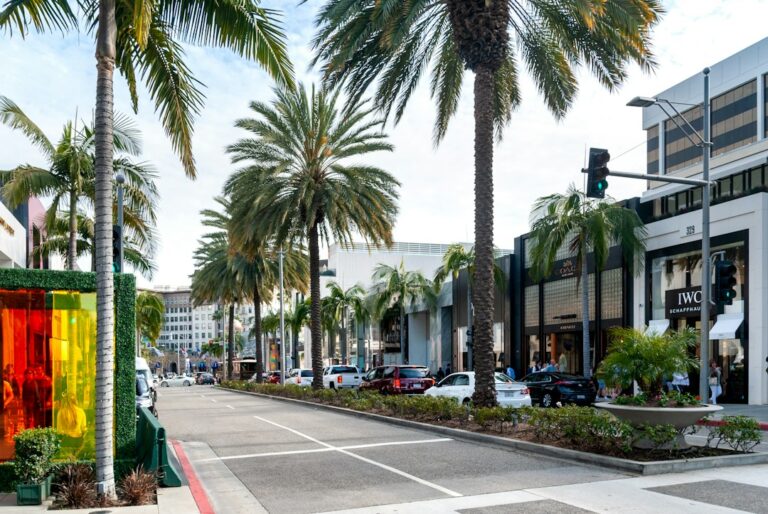 Selling for cash
What Beverly Hills’ Rent Stabilization Ordinance Requires Before You Sell
Beverly Hills runs its own BHMC Chapter 5 and 6 rent rules: caps, BHRent registration, just-cause grounds and relocation fees sellers must clear first.
Read the guide →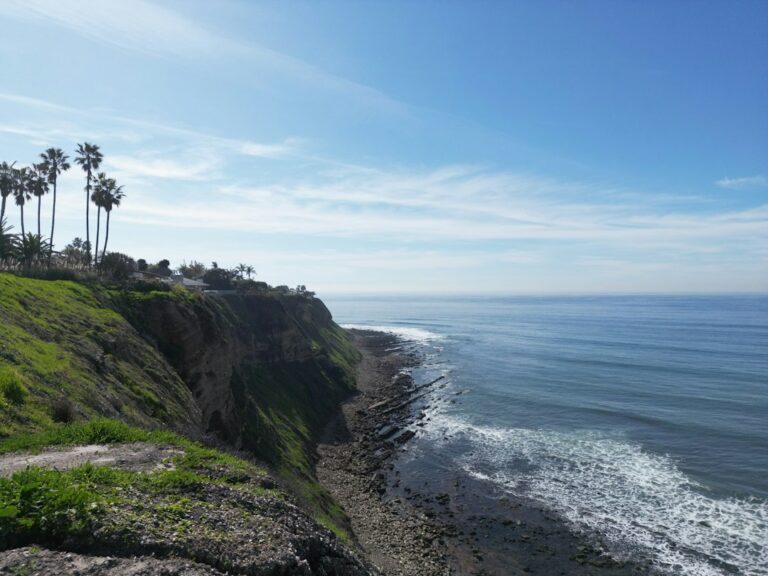 Selling as-is
What Rancho Palos Verdes’ Landslide Zones Mean for a Natural Hazard Disclosure
Rancho Palos Verdes sellers must check a landslide-zone box on the state Natural Hazard Disclosure Statement, separate from the earthquake fault question.
Read the guide → Selling for cash
West Hollywood’s Rent Stabilization Ordinance: What a Seller With Tenants Must Clear First
West Hollywood's rent stabilization law sets strict just-cause rules and relocation fees before you can sell a tenant-occupied rental unit here.
Read the guide → Inherited homes & probate
Partition Actions Between Heirs: How California Law Forces a House Sale
California heirs can force a house sale through a partition action under CCP 872-874, with court referees, confirmation hearings, and buyout rights.
Read the guide →