
Our Walnut Park Cash Offer Process
- Foreclosure, inherited, tenants, damage — we buy it
- Zero fees, zero commissions, zero closing costs
- No obligation — turn the offer down and owe us nothing


From First Call to Closing
Here is exactly what happens, step by step, when you sell your Walnut Park house to Cash Home Buyers CA.
Selling a house directly, without a listing or a financed buyer, is a different process than most homeowners are used to. Below is the actual sequence Cash Home Buyers CA follows for a Walnut Park property, from the first phone call through funds landing in your account.
Step 1: Tell Us About the Property
The process starts with the property’s address and some basic information: its condition, whether it is occupied, and why you are considering selling. You can reach us by calling or texting (424) 435-2326 or by filling out the form on this page. There is no cost and no obligation at this stage — we are simply gathering enough information to know whether the property fits what we buy.
Step 2: We Research Comparable Sales
Because Walnut Park is a small community of about three-quarters of a square mile, we pull recent comparable sales from both Walnut Park itself and the immediately bordering blocks of Huntington Park and South Gate, since the housing stock and typical property condition are similar across that line even though the governing jurisdiction changes.
We look at size, lot, condition, and any unpermitted work or major repair needs that would affect what a buyer would reasonably pay.
Step 3: Property Walkthrough
We typically arrange a walkthrough of the property, either in person or, if that is more convenient, through photos and video. This is where we look at the roof, foundation, plumbing, electrical systems, and any additions or conversions, so the offer reflects the property’s actual condition rather than a rough estimate that changes later once we have seen it.
Step 4: Written Offer
Based on the comps and the walkthrough, we present a written offer, usually within 24 to 48 hours of our first conversation.
The offer accounts for the sale price, the county’s documentary transfer tax of $1.10 per $1,000 of price (since Walnut Park is unincorporated, no additional city transfer tax applies), and any repair or permitting factors identified during the walkthrough.
We walk through how the number was calculated rather than presenting it without explanation, and you are free to take time to review it.
Step 5: Acceptance and Opening Escrow
If you accept, we open escrow with a licensed title and escrow company and order a preliminary title report.
Because Walnut Park is unincorporated, there is no separate city report required the way there would be inside the City of Los Angeles — the transaction proceeds on standard county and state disclosures.
If the property has a tenant, we also begin collecting estoppel certificates confirming lease terms and rent during this stage.
Step 6: Title Review and Clearing Liens
The title company reviews the preliminary report for any liens, judgments, or ownership issues that need to be resolved before closing, such as an existing mortgage, unpaid property taxes, or a mechanic’s lien. Any of these are typically paid off out of the sale proceeds at closing rather than requiring you to resolve them out of pocket beforehand.
Step 7: Signing
Once title is clear, you sign the closing documents, either in person or, for sellers who have already relocated, through a mobile notary or remote online notarization depending on the escrow company’s process. This is also when any final details, such as which utilities to leave connected through closing, get confirmed.
Step 8: Recording and Funding
The deed is recorded with the LA County Registrar-Recorder/County Clerk in Norwalk, which is the county office that handles recording for all of Los Angeles County, including unincorporated communities like Walnut Park. Once recording is confirmed, funds are wired to you the same day.
A house with clear title generally closes in two to three weeks from acceptance; a tenant-occupied property or one moving through an estate typically takes three to six weeks because of the additional documentation involved.
What If the Property Needs Repairs We Did Not Expect
Occasionally the walkthrough or the title search turns up something not mentioned in the initial call — an unpermitted addition, a foundation issue, or a lien that was not disclosed. When that happens, we talk it through with you before adjusting anything. In most cases the offer is revised to reflect the new information rather than withdrawn outright, and you decide whether the adjusted number still works for you.
Why This Sequence Is Shorter Than a Traditional Sale
The steps above skip two of the slowest parts of a conventional sale: the listing period, where a house sits on the market waiting for a buyer, and loan underwriting, where a lender’s appraisal and approval process can take thirty to forty-five days on its own.
Because we are the buyer and we are not financing the purchase, those two stages simply do not exist in this process, which is the main reason the timeline from acceptance to closing runs in weeks rather than months.
What You Do Not Have to Do Along the Way
At no point in this process are you required to make repairs, clean out the property, stage it for showings, or coordinate multiple buyers touring the home. The entire sequence is built around one buyer, one offer, and one closing date, which is the main practical difference between this process and a traditional listing.
Frequently Asked Questions
How long does the whole process take, start to finish?
From first contact to a written offer is usually 24 to 48 hours. From accepted offer to closing is typically two to three weeks for a house with clear title, or three to six weeks for a tenant-occupied property or an estate.
Do I need to be present for the walkthrough?
Not necessarily. We can often work from photos and video if an in-person walkthrough is not convenient for your schedule.
What happens to my existing mortgage during the sale?
It is paid off directly out of the sale proceeds at closing, along with any other liens on the property.
Can I back out after accepting the offer?
Before signing closing documents, you are not obligated to move forward. Once documents are signed and escrow closes, the sale is final, the same as any real estate transaction.
Is there any cost to me during this process?
We do not charge fees or commissions. Standard closing costs, such as the county transfer tax and title/escrow fees, are accounted for in the offer and settled at closing.
Ready to see what your Walnut Park property is worth? Call or text 424-435-2326 or use the form above, and we will walk you through each of these steps as we go.
Seller Guides
Helpful guides for homeowners in Walnut Park
Plain-English answers to the questions sellers ask us most.
 Relocating
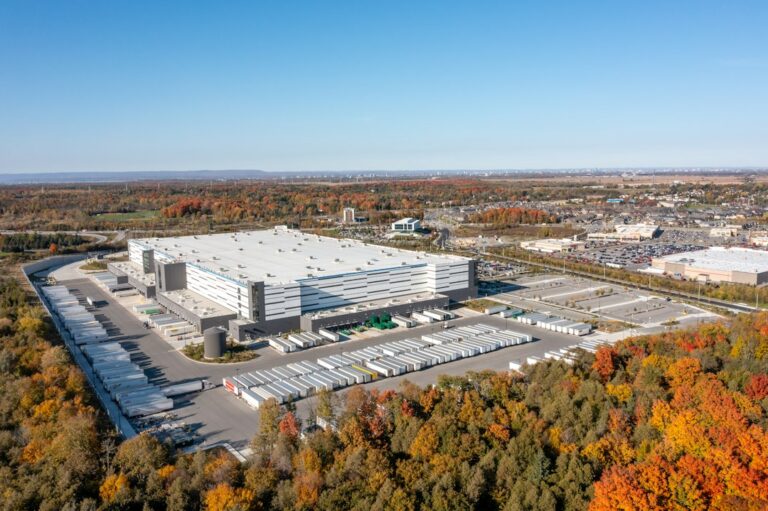
Fontana’s Warehouse Boom: What It Means If You’re Relocating
Fontana grew from a wartime steel town into an Inland Empire logistics hub. See what that shift means for home values and selling if you are relocating.
Read the guide → Selling for cash
The Transfer Tax Every Los Angeles Seller Pays, With or Without Measure ULA
Los Angeles charges its own $4.50-per-$1,000 tax on top of the county rate, before Measure ULA applies. See the exact combined math at closing.
Read the guide → Rentals & tenants
How Much Must Long Beach Landlords Pay Tenants Under the Relocation Ordinance?
Long Beach landlords: see the LBMC 8.99 relocation payments, notice periods, and city filing step required before a no-fault tenant termination.
Read the guide → Selling for cash
What Inglewood’s Housing Protection Ordinance Requires Before You Sell a Rental
Inglewood's Housing Protection Ordinance covers more rentals than expected, with rent caps, just-cause rules, and relocation tiers that transfer at sale.
Read the guide → Selling for cash
The Five-Year Countdown Before Los Angeles County Auctions a Tax-Defaulted Home
LA County auctions tax-defaulted homes after five years unpaid. See the redemption deadline, installment options, and how to claim excess proceeds.
Read the guide → Selling for cash
What Beverly Hills’ Rent Stabilization Ordinance Requires Before You Sell
Beverly Hills runs its own BHMC Chapter 5 and 6 rent rules: caps, BHRent registration, just-cause grounds and relocation fees sellers must clear first.
Read the guide → Selling as-is
What Rancho Palos Verdes’ Landslide Zones Mean for a Natural Hazard Disclosure
Rancho Palos Verdes sellers must check a landslide-zone box on the state Natural Hazard Disclosure Statement, separate from the earthquake fault question.
Read the guide → Selling for cash
West Hollywood’s Rent Stabilization Ordinance: What a Seller With Tenants Must Clear First
West Hollywood's rent stabilization law sets strict just-cause rules and relocation fees before you can sell a tenant-occupied rental unit here.
Read the guide → Inherited homes & probate
Partition Actions Between Heirs: How California Law Forces a House Sale
California heirs can force a house sale through a partition action under CCP 872-874, with court referees, confirmation hearings, and buyout rights.
Read the guide →