
How Our Chinatown Cash-Offer Process Works
- Foreclosure, inherited, tenants, damage — we buy it
- Zero fees, zero commissions, zero closing costs
- No obligation — turn the offer down and owe us nothing


Comps, Escrow, Signing and Recording
See exactly what happens from your first call to funds in your account, step by step, on a Chinatown property.
Our Chinatown cash-offer process follows the same core steps as any Cash Home Buyers CA transaction, but several parts of it are shaped specifically by this neighborhood: a small footprint with very few standalone houses trading at any given time, an older housing stock dating largely to the 1920s through the 1950s, and a share of the market that has long been dominated by rentals rather than owner-occupied homes. Here is exactly what happens, from your first call to funds in your account.
Step One: You Tell Us About the Property
A quick call, text, or the form on this page gets us started. We ask about the property’s condition, size, whether it is occupied, and any specific situation involved, whether that is an estate, a foreclosure notice, a divorce, or simply wanting to sell as-is.
Because Chinatown has so few recent comparable sales, we pay close attention to details a typical appraisal might not capture well, like whether a mixed-use building’s ground floor is leased separately from the units above, or whether a rental house’s rent roll reflects long-standing RSO-limited rents.
Step Two: We Evaluate the Property Directly
Rather than relying on a thin set of nearby comps the way a bank appraisal would have to, we look at your property directly, its condition, age, current use and, where relevant, its actual rental income.
For an older building along Broadway or Hill Street near the 1938 Central Plaza gateway, that might mean accounting for unpermitted additions or deferred maintenance typical of a property that age; for a newer condo near the Metro Chinatown station, that might mean comparing it against recent sales in similar buildings nearby, since that segment of the market does have more data to work from.
Step Three: You Receive a Written Offer Within 24 to 48 Hours
Our offer is a specific number, in writing, based on the property as it actually is. There is no obligation to accept it, and there is no cost to you either way.
If you have questions about how we arrived at the number, particularly given how few comparable Chinatown sales exist to check it against, we walk through our reasoning rather than asking you to simply trust a figure with no explanation behind it.
Step Four: We Open Escrow With a Title Company
Once you accept, we open escrow with a Los Angeles County title and escrow company and order a preliminary title report. If the property is occupied, we request the rent roll, current leases, and RSO or AB 1482 registration status right away.
If the property is part of an estate, we request the trust documents or letters of administration or testamentary.
We also order the city’s 9A Report of Residential Property Records ourselves at this stage, since it is the document most likely to set the pace on any Los Angeles closing and is especially relevant on Chinatown’s older housing stock.
Step Five: We Handle the Retrofit Certifications
Before closing, the city requires certification of a seismic gas shutoff valve, water-conserving fixtures, smoke and carbon monoxide detectors, and a strapped water heater. Given how often Chinatown’s older buildings are missing one or more of these, we handle confirming and, where needed, completing these certifications ourselves during escrow rather than asking you to arrange them beforehand.
Step Six: Signing and Recording
Once title is clear and any tenancy or estate documentation is confirmed, we move to signing, which can typically be done at the title company or, if you are out of the area, with a mobile notary escrow arranges near you, including out of state.
Recording happens at the Los Angeles County Registrar-Recorder/County Clerk in Norwalk.
A property with clear title and no other complications typically records in two to three weeks from acceptance; a rented building, an estate moving through probate, or a foreclosure situation requiring servicer coordination more typically takes three to six weeks.
Step Seven: Funds Are Wired the Day Recording Is Confirmed
Once the county confirms recording, the title company disburses proceeds, wired the same day, split according to any agreement, court order, or settlement terms that apply to your specific situation. There are no commissions and no hidden fees; the only line item tied to your sale price is the standard combined city and county transfer tax of $5.60 per $1,000, customarily paid by the seller on any Los Angeles sale.
How the Process Adjusts for Chinatown-Specific Situations
If your property has tenants, our tenant-occupied guide covers what we verify before closing in more depth, and if it is part of an estate, our inherited property guide covers the trust-versus-probate distinction that shapes the timeline.
If you are working against a foreclosure deadline, our foreclosure guide covers how we coordinate with your servicer. The same seven-step process runs the same way across the rest of the city; see our page on the cash-offer process across the rest of Los Angeles for the broader picture.
What Makes This Process Different From Listing
A traditional listing in Chinatown adds a marketing period, showings, an inspection contingency, a lender’s appraisal working from thin local comps, and a 30-to-45-day financed escrow after an offer is accepted, on top of a 5-to-6-percent commission.
Our process replaces all of that with a direct evaluation, a written offer, and an escrow built around the property’s actual condition and situation rather than a lender’s requirements.
That difference tends to matter most on exactly the properties Chinatown has the most of: older, unusual, or occupied buildings that a bank is least comfortable financing quickly.
What We Need From You at Each Stage
Beyond the initial conversation, the main things we ask you to provide are documents rather than tasks: a copy of the deed or a recent tax bill, any leases if the property is occupied, and, if applicable, trust or probate paperwork or a settlement agreement.
We do not ask you to clean, repair, stage, or vacate the property before any of these steps happen, which is the core difference between this process and a traditional listing from the seller’s side.
Why the Order of Steps Matters More in Chinatown
In a neighborhood with abundant comparable sales, a buyer can often skip straight from an offer to closing without much extra diligence.
Chinatown’s small footprint, roughly 19,230 people per square mile packed into an area bounded by Stadium Way, Beaudry Avenue and Figueroa Street, North Main Street and the Los Angeles River, and Cesar Chavez Avenue, does not offer that luxury.
Ordering the 9A report early, confirming RSO or AB 1482 status before finalizing terms, and verifying trust or probate authority before scheduling signing all matter more here because the property types involved, older mixed-use buildings, long-held family houses, and rent-controlled rentals, carry more that could otherwise surface late and delay closing.
Doing these steps early rather than waiting until the week before recording is how timelines stay realistic even on complicated Chinatown properties.
How Pricing Differs for the Neighborhood’s Different Property Types
A newer condo near the Metro Chinatown station, part of the wave of construction that followed the station’s July 2003 opening and projects like Blossom Plaza in 2016, gets priced against a genuine set of recent comparable sales, since that segment of the market does trade with some regularity.
An older rental house or a share of a mixed-use building on Broadway or Hill Street gets priced differently: on its condition, its actual rental income if occupied, and the cost of addressing any unpermitted work or deferred maintenance we identify, since there simply are not enough comparable sales of that property type inside Chinatown to lean on the way an appraisal normally would.
What a Cash Offer for My House in Chinatown Spells Out
Owners who ask for a cash offer for my house in Chinatown usually want to know what the written offer itself will say. Ours states:
- The price for the property as it stands, with tenants, repairs and any unpermitted work already considered.
- The deposit and the escrow company that will hold it.
- The closing date you choose, and any rent-back period.
- Who pays which costs, itemized, including the 9A report and transfer taxes.
- Proof of funds, provided with the offer.
- Who will take title. We can buy your property directly or bring in a vetted cash buyer from our network; either way you get one written offer, one escrow, and no fees or commissions to you, and the buyer is named in the escrow documents.
How Cash Home Buyers Work, Stage by Stage
A cash buyer pays without a mortgage, so the stages that stretch a financed sale drop out. Here is how the two compare for a Chinatown property:
| Stage | Cash sale | Financed sale |
|---|---|---|
| Offer | Written, usually within 24 to 48 hours of the walkthrough | After listing prep and time on market |
| Inspection | One walkthrough or photos before the offer | Buyer’s inspection period, often followed by repair requests |
| Appraisal | None | Lender-ordered, often using comps from outside Chinatown |
| Loan approval | None | Underwriting, including the rent roll for occupied buildings |
| Commissions | None charged to you | Often around 5 to 6 percent combined |
| Closing | Often two to three weeks with clear title | Commonly 30 to 45 days after acceptance |
Documents That Speed Up Escrow
- ID for everyone on title, and the most recent mortgage statement for each loan.
- The latest property tax bill from the Los Angeles County Treasurer and Tax Collector.
- Leases, a rent roll, deposit records and RSO registration details for rented property.
- Trust documents or court letters for an estate, or the relevant orders in a divorce.
- Any permits, code notices or past 9A reports you already have.
To start, call or text 424-435-2326. If your property is rented, see selling a tenant-occupied house in Chinatown, and for condition questions see selling a Chinatown house as-is.
Frequently Asked Questions
How do I get a cash offer for my house in Chinatown?
Call or text 424-435-2326 or use the form with your address. We schedule one walkthrough or review photos, and send a written offer, usually within 24 to 48 hours.
Is the written cash offer binding on me?
No. The offer is not binding until you sign a purchase agreement, and you can decline it at no cost. Once signed, the contract terms and escrow instructions govern the sale.
Can I pick a closing date weeks or months out?
Usually yes. The closing date is set in the written offer, and a later date or a short rent-back can be built in if you need time to move or wind down a rental.
How long does the whole process take from start to finish?
A property with clear title and no complications can close in two to three weeks from your first call; a rented property, an estate, or a foreclosure situation typically takes three to six weeks.
Do I need to be present for an in-person inspection?
No formal inspection contingency exists the way it does with a financed buyer; we evaluate the property directly and can often do so with photos or a brief walkthrough.
What if my property has almost no comparable sales nearby?
That is common in Chinatown. We price the property on its own condition, size and income rather than relying only on a thin set of local comps.
Who pays closing costs?
There is no commission, and the standard transfer tax is customarily paid by the seller, the same as on any Los Angeles sale; we do not add buyer-side fees on top.
Can the process be handled remotely if I am not in Los Angeles?
Yes. We coordinate paperwork remotely, and escrow can arrange a mobile notary near you, including out of state, so you do not need to be in Los Angeles.
What if I decide not to move forward after receiving an offer?
There is no obligation at any stage. You can decline our offer and owe us nothing.
To start the process on your Chinatown property, call or text 424-435-2326 for a written cash offer within 24 to 48 hours. Get a free, no-obligation cash offer from Cash Home Buyers CA today.
Seller Guides
Helpful guides for homeowners in Chinatown
Plain-English answers to the questions sellers ask us most.
 Rentals & tenants
Which Mountain View Rentals Does the CSFRA Actually Cover?
See which Mountain View rentals the CSFRA covers, its rent cap, just-cause eviction rules, relocation pay, and what landlords must do before raising rent.
Read the guide → Rentals & tenants
How Much Must Long Beach Landlords Pay Tenants Under the Relocation Ordinance?
Long Beach landlords: see the LBMC 8.99 relocation payments, notice periods, and city filing step required before a no-fault tenant termination.
Read the guide → Selling for cash
What Inglewood’s Housing Protection Ordinance Requires Before You Sell a Rental
Inglewood's Housing Protection Ordinance covers more rentals than expected, with rent caps, just-cause rules, and relocation tiers that transfer at sale.
Read the guide → Selling for cash
The Five-Year Countdown Before Los Angeles County Auctions a Tax-Defaulted Home
LA County auctions tax-defaulted homes after five years unpaid. See the redemption deadline, installment options, and how to claim excess proceeds.
Read the guide →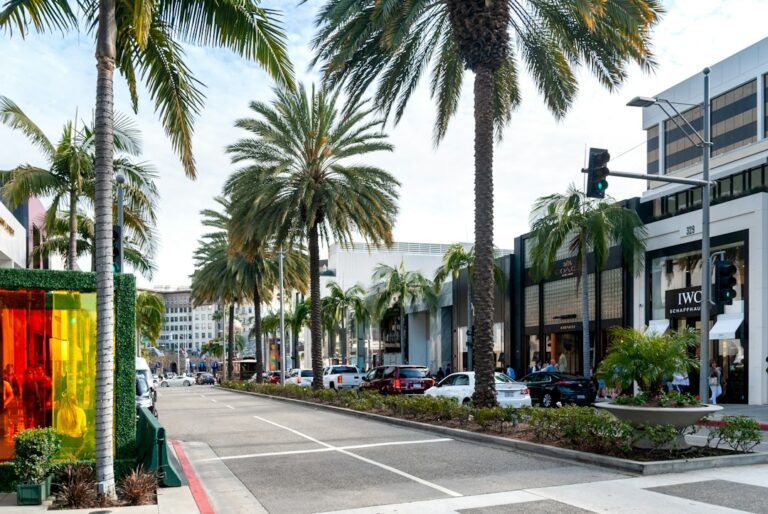 Selling for cash
What Beverly Hills’ Rent Stabilization Ordinance Requires Before You Sell
Beverly Hills runs its own BHMC Chapter 5 and 6 rent rules: caps, BHRent registration, just-cause grounds and relocation fees sellers must clear first.
Read the guide → Selling as-is
What Rancho Palos Verdes’ Landslide Zones Mean for a Natural Hazard Disclosure
Rancho Palos Verdes sellers must check a landslide-zone box on the state Natural Hazard Disclosure Statement, separate from the earthquake fault question.
Read the guide → Selling for cash
West Hollywood’s Rent Stabilization Ordinance: What a Seller With Tenants Must Clear First
West Hollywood's rent stabilization law sets strict just-cause rules and relocation fees before you can sell a tenant-occupied rental unit here.
Read the guide → Inherited homes & probate
Partition Actions Between Heirs: How California Law Forces a House Sale
California heirs can force a house sale through a partition action under CCP 872-874, with court referees, confirmation hearings, and buyout rights.
Read the guide →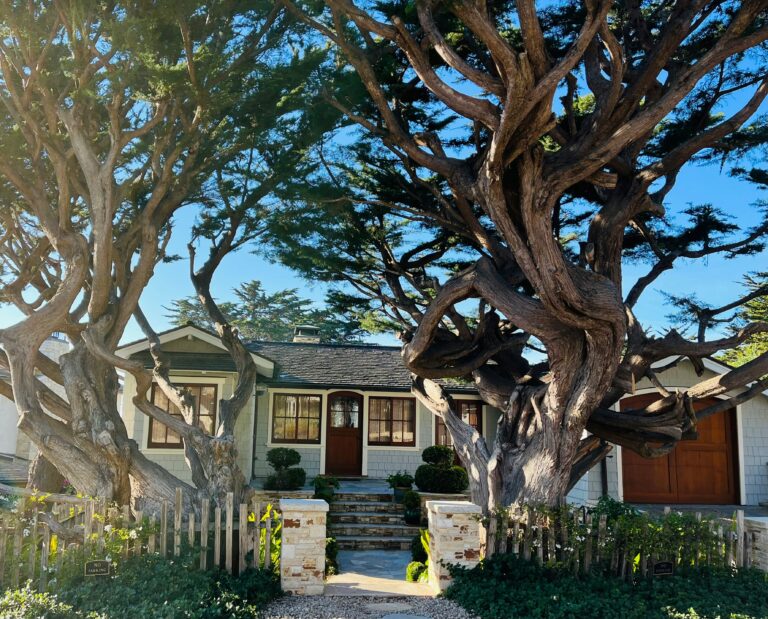 Inherited homes & probate
South Pasadena’s Historic-Home Review Before a Sale
If you inherited a historic South Pasadena home, Ordinance 2315 can trigger Cultural Heritage Commission review before you alter or sell it. Here is how.
Read the guide →